
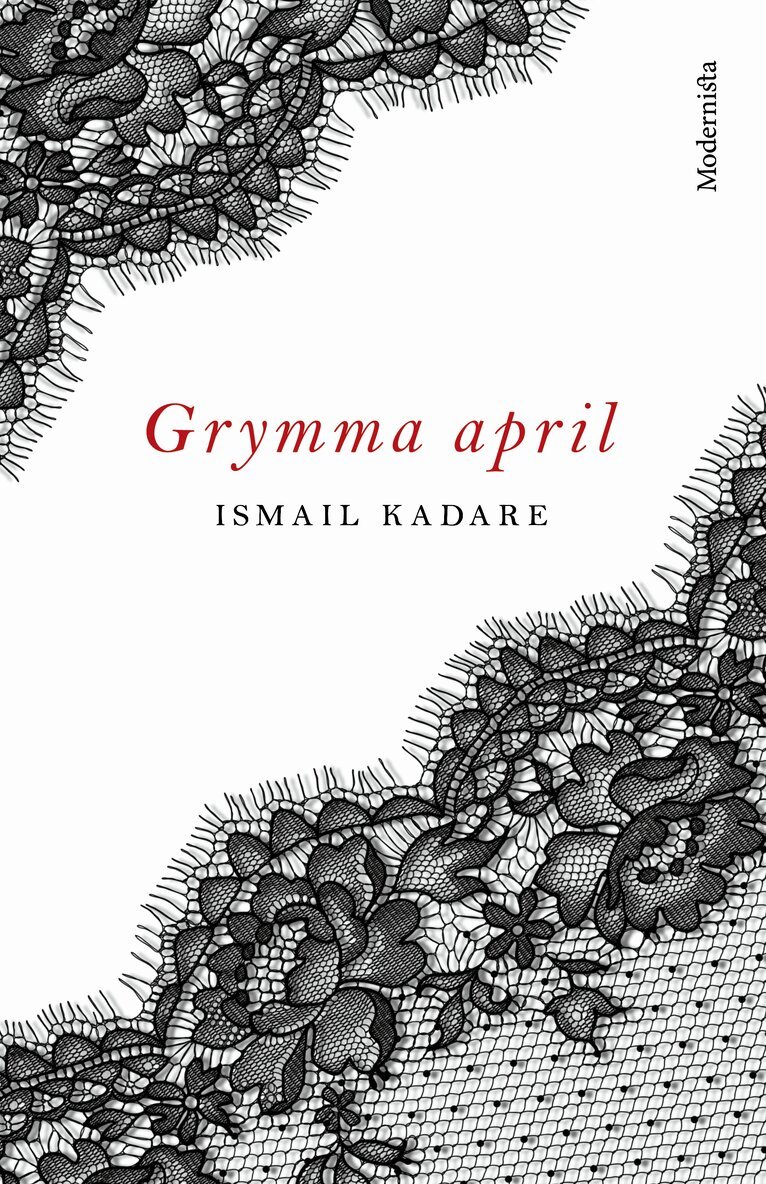
Beskrivning
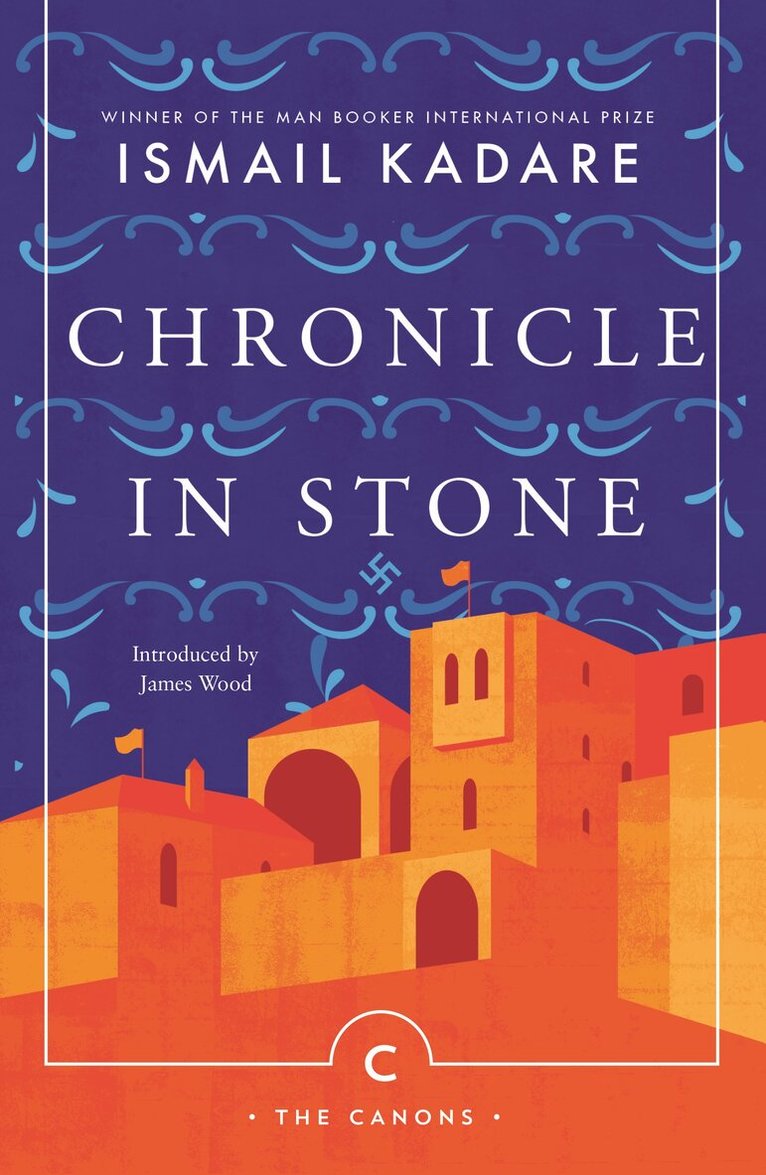
In three short narratives, Kadare evokes a defining moment in European history28 June 1389, the Field of the Blackbirds. A Christian army made up of Serbs, Bosnians, Albanians and Romanians confront an Ottoman army. In ten hours the battle is over, and the Muslims possess the field; an outcome that has haunted the vanquished ever since.28 June 1989, the Serb Leader Slobodan Milosevic launches his campaign for a fresh massacre of the Albanians, the majority population of Kosovo.In three short narratives Kadare shows how legends of betrayal and defeat simmered in European civilisation for six hundred years, culminating in the agony of one tiny population at the end of the twentieth century.‘An utterly captivating yarn: strange, vivid, ominous, macabre and wise’ New York Times
Produktinformation
Utforska kategorier
Mer om författaren
Recensioner i media




Hoppa över listan







Du kanske också är intresserad av
- Signerad!
Del 7
- Signerad!
- Nyhet
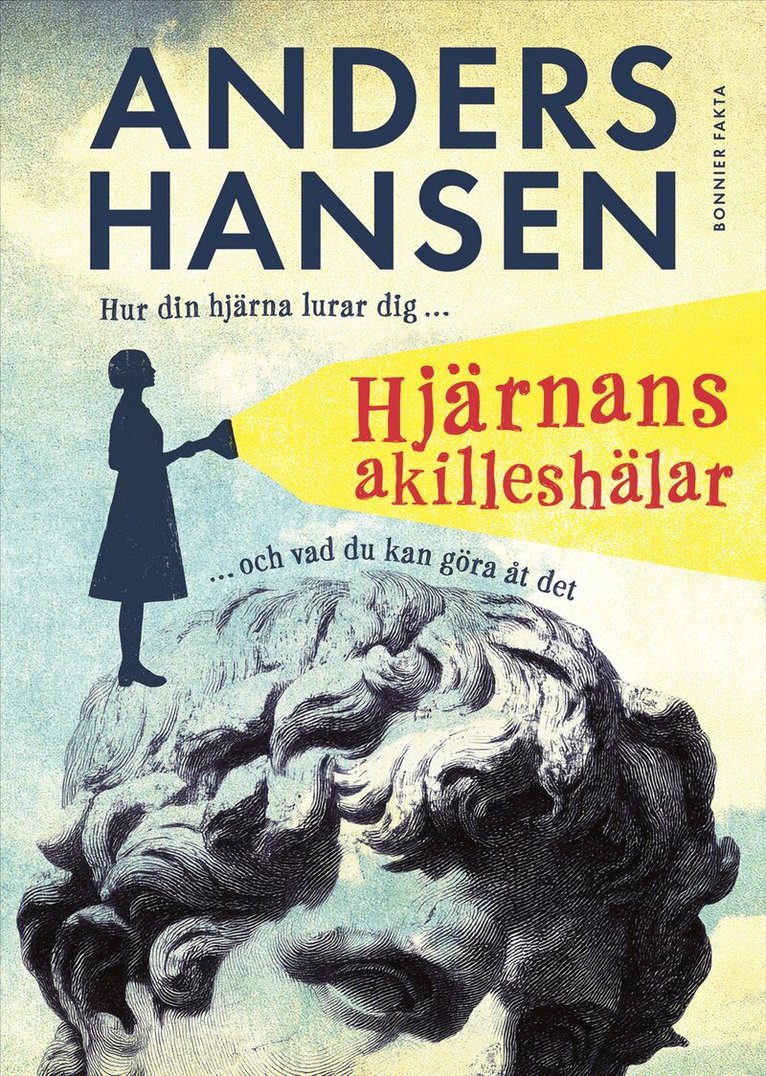
Hjärnans akilleshälar : hur din hjärna lurar dig, och vad du kan göra åt det
Anders Hansen
Inbunden
289 kr
- -30%
- Nyhet
- Signerad!
Del 11
- -22%
Del 1
- -22%
- -30%
Del 1
- Nyhet