1 705 kr
Beställningsvara. Skickas inom 5-8 vardagar. Fri frakt över 249 kr.
Beskrivning
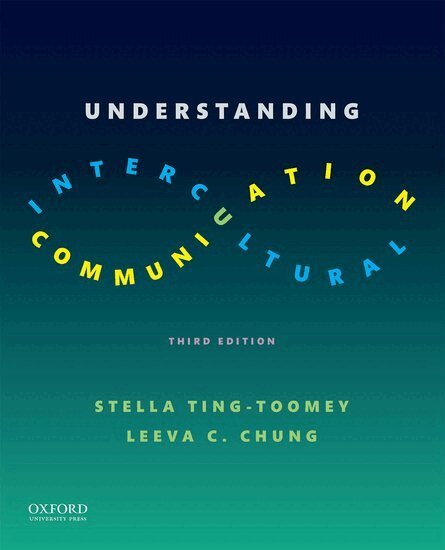
Understanding Intercultural Communication, 3rd Edition (UIC3) emphasizes a perspective that integrates intersectional identity complexity with a strong values orientation in shaping intercultural contact. We address contemporary issues such as the important roles and effects of technology in our everyday intercultural lives. This is an introductory book designed for undergraduate students, teachers, and practitioners searching for a user-friendly textbook on the fundamentals of intercultural communication. With the lens of flexible intercultural communication, we thread through an abundance of intercultural material with a very practical theme. By integrating current empirical research with lively intercultural examples, the authors ask thought-provoking questions and pose ethical dilemmas for students to ponder.
Produktinformation
- Utgivningsdatum:2021-11-05
- Mått:191 x 231 x 17 mm
- Vikt:658 g
- Format:Häftad
- Språk:Engelska
- Antal sidor:416
- Upplaga:3
- Förlag:OUP USA
- ISBN:9780190297442
Utforska kategorier
Mer om författaren
Stella Ting-Toomey is Professor of Human Communication Studies at California State University, Fullerton. Leeva C. Chung is Professor at the University of San Diego.
Recensioner i media
Understanding Intercultural Communication is an up-to-date and practical text designed to foster student thinking about intercultural interactions. The examples and scenarios presented in each chapter provide students an opportunity to explore intercultural concepts in depth." - Todd Lee Goen, Christopher Newport University
Innehållsförteckning
- ContentsPrefaceAbout the AuthorsAcknowledgments PART I FUNDAMENTAL CONCEPTS IN INTERCULTURAL COMMUNICATIONChapter 1 Why Study Intercultural Communication?Six Practical Reasons to Study Intercultural CommunicationThe Impact of Technology on Everyday Intercultural CommunicationThe Global and Domestic Diversity WorkforceThe "New Norm": Nontraditional Interpersonal Relationships (Relationship Development, Families, and Identity Complexity)Global Health Care Concerns and OpportunitiesPersonal Empowerment, Social Advocacy, and Social JusticeInclusivity Reason: Increasing Self-Awareness and Other-SensitivityCulture: A Learned Meaning SystemSurface-Level Culture: Artifacts and Pop CultureIntermediate-Level Culture: Symbols, Meanings, and NormsDeep-Level Culture: Traditions, Beliefs, and ValuesUpdating Your (Virtual) Intercultural PassportDiscussion and Practical Application Questions Chapter 2 What Is Intercultural Communication Flexibility?Defining Intercultural Communication: A Process ModelIntercultural Communication Process: Overall CharacteristicsIntercultural Communication: Meaning Construction CharacteristicsCultivating Intercultural Communication FlexibilityThree Content Components: Knowledge, Attitude, and SkillsThree Criteria: Appropriateness, Effectiveness, and AdaptabilityPracticing Intercultural Communication CompetenceA Staircase ModelAn Essential Hook: A Mindful PerspectiveDeepening Intercultural Process Thinking and Outcome GoalsProcess Consciousness: Underlying PrinciplesMovements Toward Outcome GoalsIntercultural Reality Check: DoablesDiscussion and Practical Application Questions Chapter 3 What Are the Essential Cultural Value Patterns?Functions of Cultural ValuesAnalyzing Cultural ValuesIdentity Meaning FunctionIngroup-Outgroup Evaluative FunctionExplanatory FunctionMotivational FunctionAnalyzing Cultural Value Continuum DimensionsDiscovering Cultural Continuum ValuesIdentity: Individualism-Collectivism Value DimensionPower: Small-Large Power Distance Value DimensionUncertainty: Weak-Strong Uncertainty Avoidance Value DimensionSex Roles: Feminine-Masculine Value DimensionUnderstanding Personality Styles and Value TendenciesIndependent Self-Construal Versus Interdependent Self-ConstrualHorizontal Versus Vertical Personality StyleUncertainty-Oriented Versus Certainty-Oriented AttributesAndrogynous Versus Conventional Sex Role DispositionsCultural Values Connecting With Personality Styles and Social SituationsAdditional Classical Value Orientation PatternsValue Orientations: Background InformationMeaning: Activity Value OrientationDestiny: People-Nature Value OrientationTime: Temporal Value OrientationIntercultural Reality Check: DoablesDiscussion and Practical Application Questions Chapter 4 What Are the Keys to Understanding Cultural and Ethnic Identities?Family and Gender SocializationFamilies Come in Different ShapesGender Socialization and Interaction PatternsGroup Membership: Intercultural Boundary-Crossing FactorsThe Process of Acculturation and EnculturationSystems-Level FactorsIndividual-Level FactorsInterpersonal Face-to-Face and Relational Network FactorsMass Media and Social Media Usage FactorsIntergroup Adaptive StrategiesSociocultural Group Affiliation and Identity FormationConceptualizing Cultural IdentityConceptualizing Ethnic IdentityEthnic-Racial Identity Change ProcessCultural-Ethnic Identity Typological ModelRacial-Ethnic Identity Development ModelIdentity ComplexityMultiracial and Biracial IdentityIntercultural Reality Check: DoablesDiscussion and Practical Application Questions Part II CROSSING CULTURAL AND COMMUNICATION BOUNDARIES ADAPTIVELYChapter 5 What Is Culture Shock?Unpacking Culture ShockCharacteristics of Culture ShockPros and Cons of Culture ShockCulture Shock Encounters: A Variety of Culture Shockers International Students and Cultural Exchange StudentsGlobal Workplace Transferees and Global Mobility FamiliesThird Culture Kids/Global Nomads (TCK/GN)International Tourists as Short-Term SojournersInitial Tips to Manage Culture ShockCulture Shock Factors, Adjustment Approaches, and StrategiesMotivational Orientations and Personal ExpectationsCultural Distance Factors and Two Adjustment ApproachesInitial Cultural Adjustment, New Media, and Social SupportCultural Adjustment Competence StrategiesPersonality AttributesIntercultural Adjustment: Developmental PatternsThe U-Curve Adjustment ModelThe Revised W-Shaped Adjustment ModelCulture Shock Adjustment Summary: Peaks and ValleysReentry Culture ShockReentry Culture Shock: Surprising Elements<"Where Is Home?> "Intercultural Reality Check: DoablesDiscussion and Practical Application Questions Chapter 6 What Is the Connection Between Verbal Communication and Culture?Human Language: Distinctive Features and Rule PatternsDistinctive Language Features: Arbitrariness, Abstractness, Meaning-Centeredness, and CreativityMultiple Rule Patterns: Phonological, Morphological, Syntactic, Semantic, and Pragmatic RulesAppreciating Diverse Language FunctionsCultural Group Membership Identity FunctionEveryday Social Reality FunctionWorldview Reasoning FunctionPerceptual Filtering FunctionSocial Change FunctionVerbal Communication Styles: A General FrameworkDefining Low-Context and High-Context Interaction PatternsDirect and Indirect Verbal Variation StylesCompact and Verbose Interaction StylesSelf-Enhancement and Self-Humbling Verbal StylesStatus-Equality and Status-Sensitive Respectful StylesIntercultural Reality Check: DoablesDiscussion and Practical Application Questions Chapter 7 What Are the Different Ways to Communicate Nonverbally Across Cultures?The Impact of Nonverbal CommunicationComparisons of Verbal and Nonverbal CuesCross-Cultural Nonverbal Display RulesNonverbal Display Preferences Across the Digital DivideOne Code, Countless InterpretationsFunctions and Forms of Nonverbal CommunicationForming Initial Impressions and AttractionExpressing Emotions and Attitudes: Kinesics and ParalanguageManaging Conversation with Hand Gestures and MoreReflecting Sociocultural Membership IdentitiesRegulating Spatial and Temporal BoundariesAsserting and Defending Spatial Boundaries: Proxemics and HapticsEnvironmental Boundary EffectsCross-Cultural Psychological BoundariesMonitoring and Regulating Time: ChronemicsIntercultural Reality Check: DoablesDiscussion and Practical Application Questions PART III MANAGING CHALLENGES IN INTERCULTURAL RELATIONSHIPS FLEXIBLYChapter 8 What Causes Us to Hold Biases Against Outgroups?Human Perception Tendencies: Some General PrinciplesSelective AttentionSelective Organization and LabelingSelective InterpretationBiased Intergroup Filters: Ethnocentrism and StereotypesEthnocentrism and CommunicationStereotypes and CommunicationStereotypes: We Are What We WatchMarking Ingroup/Outgroup Membership BoundariesUs Versus ThemGroup Membership StrugglesIntergroup Attribution BiasesShattered Lens: Prejudice, Discrimination, and RacismPrejudice: Multiple Explanations and FunctionsDifferent Types of RacismPower, Privilege, and MicroaggressionReduction of Prejudice and DiscriminationIntercultural Reality Check: DoablesDiscussion and Practical Application Questions Chapter 9 How Can We Manage Intercultural Conflict Flexibly?Intercultural Conflict: Cultural Background FactorsCulture-Based Conflict LensesIntercultural Workplace Conflict GridIntercultural Conflict PerceptionsIntercultural Conflict Goal IssuesPerceived Scarce ResourcesIntercultural Conflict Process FactorsConflict Face-Negotiation Theory: A Brief IntroductionDefining Conflict Styles: Different ViewpointsCross-Cultural Conflict Communication StylesCross-Ethnic Conflict Styles and FaceworkDeveloping Intercultural Conflict Competence and SkillsetsApplying Intercultural Conflict CompetenceFacework Management SkillsMindful Listening SkillsMindful Reframing SkillsAdaptive Code-Switching Conflict SkillsIntercultural Reality Check: DoablesDiscussion and Practical Application Questions Chapter 10 What Are the Challenges in Developing an Intercultural-Intimate Relationship?Developing Intercultural Relationships: Invisible ChallengesCultural-Ethnic Membership ValuesAnxiety/Uncertainty Interaction ManagementLove Attitudes and ExpectationsVoluntary Commitment and Structural CommitmentIntercultural Relationship Attraction: Facilitating FactorsPerceived Physical AttractivenessPerceived Attitudinal SimilarityCross-Cultural Self-Disclosure ComparisonsOnline Relationship Development, Attraction, and DisclosureIntercultural-Intimate Conflict: Stumbling BlocksIntercultural Romantic Relationship DevelopmentEncountering Prejudice and RacismCountering with Coping StrategiesRelational Transgressions and Cross-Cultural ResponsesRaising Secure Bicultural ChildrenBicultural and Interfaith Identity PlanningDeveloping a Secure Multifaceted IdentityIntercultural Reality Check: DoablesDiscussion and Practical Application Questions Chapter 11 Why Does Global Identity Matter?Wired and Ready! The Allure of the InternetWired-up and Swipe-ReadyThe Internet Is Our Central Station"Glocal" Living: Here to StayLocal and Global IdentitiesThe Entertainment Culture and Identity SculptingThrough the Lens of Television: Global WatchingThrough the Lens of StreamingAre You Playing Together?: Video GamingCan You Feel the Beat?Fashion, Influencers, and FandomaniaLiving in the Intersection: E.net'ersDefining the Characteristics of an E.net'erAn E.net'er Identity: Push-and-Pull DialecticsSpatial Zone DialecticsTemporal Zone DialecticsOn the Edge: Dynamic Changes in Communication PatternsApp Gadgets: Flipping Fast and FuriousVirtual . . . But Present?The Ambiguous Selfie FaceCommunication Advocacy and Social ChangeIntercultural Reality Check: DoablesDiscussion and Practical Application Questions Chapter 12 How Can We Become Ethical Intercultural Communicators?Intercultural Communication Ethics: Cultural Clash IssuesGlobal Collision and Local Justice ExpectationCorporate Responsibility and Workplace Ethical QuestionsValue Clash and Universalistic-Particularistic Ethical DecisionsMultiple Ethical Positions: Assessing Pros and ConsEthical Absolutism PositionEthical Relativism PositionDerived Ethical Universalism PositionMeta-Ethics Contextualism PositionBecoming Ethical Intercultural CommunicatorsCultivating an Ethical Mindset and Questions to ConsiderPromoting Global Social Justice and a Moral Inclusion StanceNurturing Intercultural-Intergroup Peace-Building PracticesFostering Adaptive Flexibility: Final Passport DoablesIn Conclusion . . .Discussion and Practical Application Questions ReferencesGlossaryAuthor IndexSubject Index
Hoppa över listan


Mer från samma författare
Del 8
Del 13
Communication in Personal Relationships Across Cultures
William B. Gudykunst, Stella Ting-Toomey, Tsukasa Nishida
Häftad
2 661 kr
Del 5
Del 5
Del 5
Hoppa över listan


Du kanske också är intresserad av
Del 5
Del 5
Communication in Personal Relationships Across Cultures
William B. Gudykunst, Stella Ting-Toomey, Tsukasa Nishida
Häftad
2 661 kr
Del 13
Del 8
Del 5
- -30%