
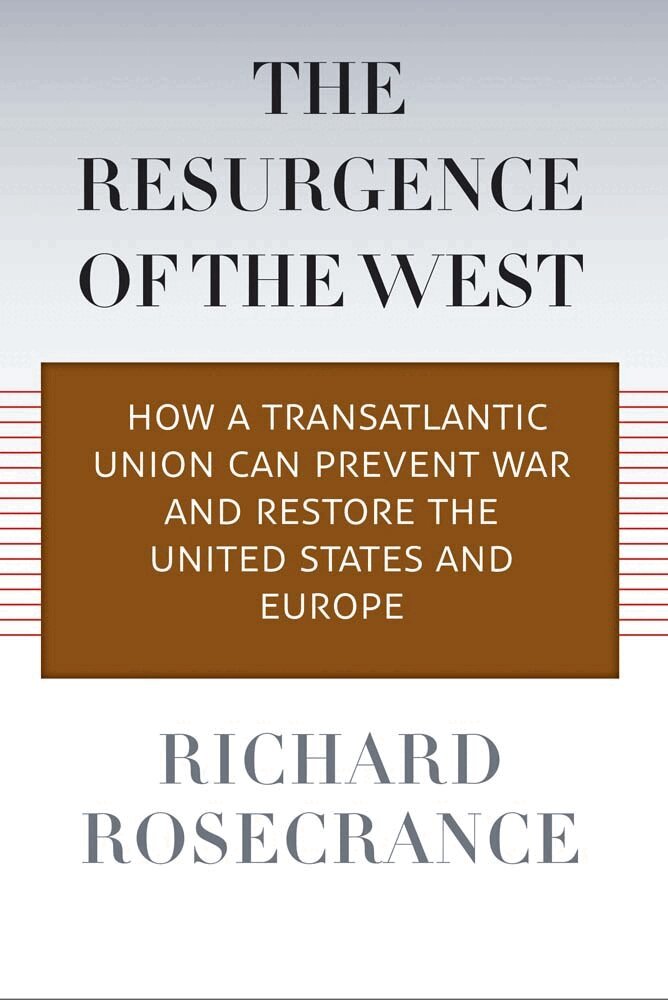
Rise Of The Virtual State
Wealth and Power in the Coming Century
Häftad, Engelska, 2000
202 kr
Beställningsvara. Skickas inom 5-8 vardagar. Fri frakt över 249 kr.
Beskrivning
What will power look like in the century to come? "Imperial Great Britain may have been the model for the nineteenth century," Richard Rosecrance writes, "but Hong Kong will be the model for the twenty-first." We are entering the Age of the Virtual State - when land and its products are no longer the primary source of power, when managing flows is more important than maintaining stockpiles, when service industries are the greatest source of wealth and expertise and creativity are the greatest natural resources.Rosecrance's brilliant new book combines international relations theory with economics and the business model of the virtual corporation to describe how virtual states arise and operate, and how traditional powers will relate to them. In specific detail, he shows why Japan's kereitsu system, which brought it industrial dominance, is doomed why Hong Kong and Taiwan will influence China more than vice-versa and why the European Union will command the most international prestige even though the U.S. may produce more wealth.
Produktinformation
Utforska kategorier
Mer om författaren
Innehållsförteckning
Hoppa över listan





Du kanske också är intresserad av
- Nyhet
Del 6
- -30%
- Signerad!
- -22%
Del 1
- Nyhet
Hjärnans akilleshälar : hur din hjärna lurar dig, och vad du kan göra åt det
Anders Hansen
Inbunden
289 kr