E-bok, Engelska, 2026
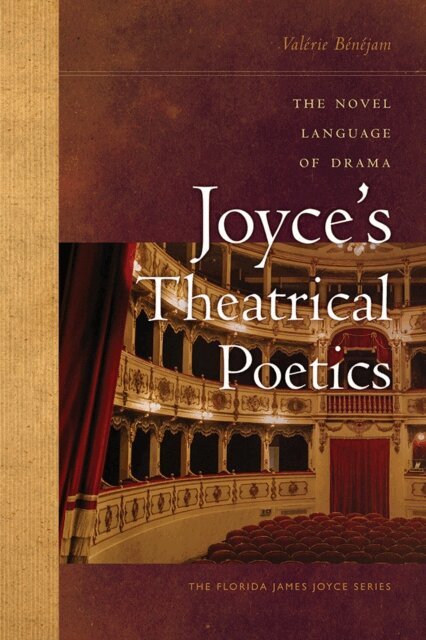
Joyce's Theatrical Poetics
1669 kr
Läs direkt i Bokus Reader – eller ladda ned till din enhet
Beskrivning
Looking beyond the view of James Joyce as a failed playwright to uncover how Joyces modernist breakthroughs are grounded in theatrical techniquesIn this book, Valrie Bnjam argues that the success of James Joyces fiction lies in its theatricality and examines the role of drama throughout the writers entire oeuvre. While Joyces only surviving play, Exiles, was widely considered a failure, Bnjam demonstrates that Joyce inserted theater and theatricality into his short stories and novels instead, where they became the markers of his specific modernist aesthetics.Bnjam identifies a theatrical bent in Joyces early writings, seen in the minimalist play scripts of the epiphanies. His powerful use of dialogism continues in his early fiction, with Dubliners and A Portrait of the Artist as a Young Man. In Ulysses, Joyce includes theatrical techniques such as soliloquy, dialogue, script, and asides, most evident in chapters like Circe and Penelope. And in his final work, Finnegans Wake, the conflict and crisis that are the essence of drama come to disrupt language at its very core.Blending biographical elements, close readings of text, and references to the playwrights whose work inspired Joyce, including Ibsen, Shakespeare, Wilde, and Synge, Joyces Theatrical Poetics moves chronologically to explain how drama, conceived by Joyce as a demand for truth and movement in art, played a key role in his revolutionary disruption of the novel genre.
Produktinformation
- Utgivningsdatum: 2026-04-21
- Språk: Engelska
- Filformat: EPUB
- Kopieringsskydd: LCP
- ISBN: 9780813075372
- Förlag: University Press of Florida
Utforska kategorier
Betyg & recensioner
0 recensioner
Inga recensioner tillgängliga.