Inbunden, Engelska, 2025
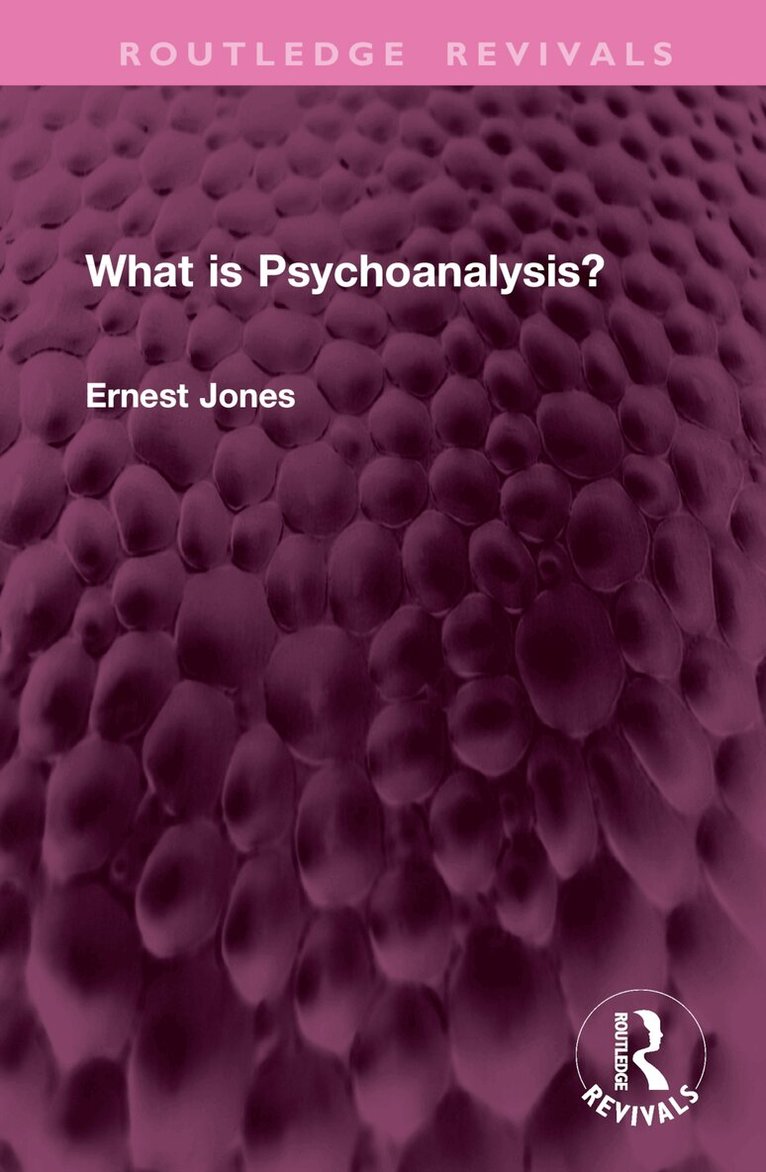
What is Psychoanalysis?
Av Ernest Jones
1521 kr
Beställningsvara. Skickas inom 10-15 vardagar. Fri frakt över 249 kr.
Beskrivning
What is Psychoanalysis? (1949) both links discoveries of psychoanalysis to other, more familiar, knowledge, and examines the many differences between the two. It analyses the gulf between the well-known platitudes regarding human nature, and the attempts to answer questions that had never been raised – and whose existence had often been denied.
Produktinformation
- Utgivningsdatum: 2025-03-01
- Mått: 156 x 234 x 10 mm
- Vikt: 400 g
- Format: Inbunden
- Språk: Engelska
- Serie: Routledge Revivals
- Antal sidor: 128
- Förlag: Taylor & Francis Ltd
- ISBN: 9781032984131
Utforska kategorier
Betyg & recensioner
0 recensioner
Inga recensioner tillgängliga.