Häftad, Engelska, 2003
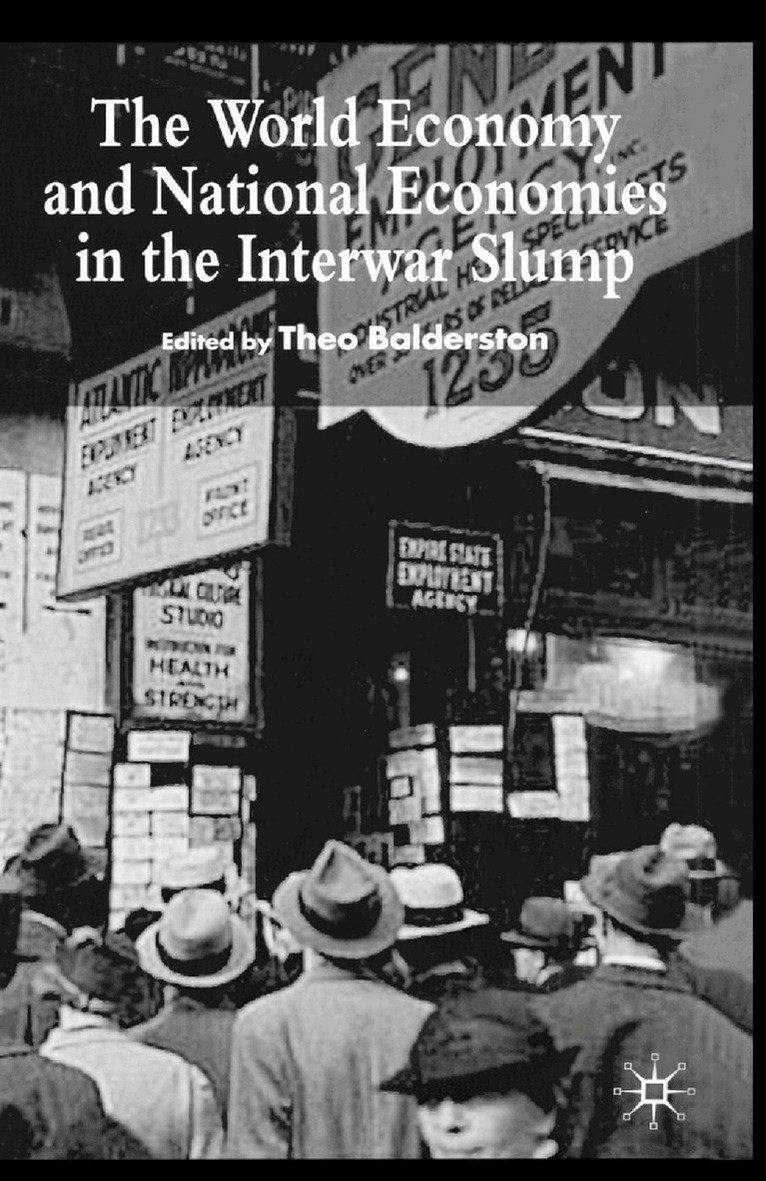
World Economy and National Economies in the Interwar Slump
1131 kr
Beställningsvara. Skickas inom 10-15 vardagar. Fri frakt över 249 kr.
Beskrivning
The functioning of the gold standard has recently been at the heart of explanations of the interwar depression, particularly as a result of the research of Professors Barry Eichengreen and Peter Temin. In The World Economy and National Economies in the Interwar Slump the interaction between the gold standard and the Great Depression in seven countries is examined by an international team of economists and economic historians. The editor's introduction critically evaluates the Eichengreen-Temin thesis and Eichengreen and Temin themselves contribute an Afterword.
Produktinformation
- Utgivningsdatum: 2003-01-01
- Mått: 140 x 216 x 14 mm
- Vikt: 308 g
- Format: Häftad
- Språk: Engelska
- Antal sidor: 226
- Förlag: Palgrave Macmillan
- ISBN: 9781349409167
Utforska kategorier
Betyg & recensioner
0 recensioner
Inga recensioner tillgängliga.