• Fri frakt över 249 kr
  • •
  • Snabba leveranser
  • •
  • Billiga böcker
Kundservice

Du är på sajten för privatpersoner.

Företag, bibliotek eller offentlig verksamhet?

Du handlar på classic.bokus.com, där alla dina funktioner finns intakta.
Till classic.bokus.com
Bokus logotyp. Gå till startsidan.
  • Erbjudanden
  • Nyheter
  • Student
  • Topplistor
  • Barn & ungdom
  • Bokus Play
  • E-böcker
  • Pocketböcker
  • Spel & pussel

Upp till 20% på populära nyheter →

Sidfot

Mina sidor

    Hjälp

    • Kundservice
    • Vanliga frågor och svar
    • Frakt och leverans
    • Retur vid ångerrätt
    • Reklamera vara
    • Betalning
    • Köpvillkor
    • Allmänna villkor
    • Information om webbplatsens tillgänglighet

    Om Bokus

    • Om oss
    • Pressrum
    • För studenter
    • För företag
    • För bibliotek och offentlig verksamhet
    • För leverantörer
    • Hållbarhet

    Populärt

    • Aktuella erbjudanden
    • Presentkort
    • Studentlitteratur
    • Nya böcker
    • Topplistor
    • Signerade böcker
    • Engelska böcker

    Inspiration

    • Boktips
    • BookTok
    • Populära bokserier
    • Barnbokskaraktärer
    • Populära författare

    Mina sidor

      Hjälp

      • Kundservice
      • Vanliga frågor och svar
      • Frakt och leverans
      • Retur vid ångerrätt
      • Reklamera vara
      • Betalning
      • Köpvillkor
      • Allmänna villkor
      • Information om webbplatsens tillgänglighet

      Om Bokus

      • Om oss
      • Pressrum
      • För studenter
      • För företag
      • För bibliotek och offentlig verksamhet
      • För leverantörer
      • Hållbarhet

      Populärt

      • Aktuella erbjudanden
      • Presentkort
      • Studentlitteratur
      • Nya böcker
      • Topplistor
      • Signerade böcker
      • Engelska böcker

      Inspiration

      • Boktips
      • BookTok
      • Populära bokserier
      • Barnbokskaraktärer
      • Populära författare
      Logotyp för Bokus
      Följ oss på Facebook (extern länk)Följ oss på Instagram (extern länk)Följ oss på YouTube (extern länk)Följ oss på TikTok (extern länk)
      bokus @ CookiesIntegritetspolicyKöpvillkor
      Till Citymail hemsida (extern länk)Till Budbee hemsida (extern länk)Till Postnord hemsida (extern länk)Till Schenker hemsida (extern länk)Till Early Bird hemsida (extern länk)Till Walleys hemsida (extern länk)
      1. Psykologi och pedagogik
      2. Pedagogik
      3. Pedagogisk metodik

      Models of Teaching

      Connecting Student Learning With Standards

      AvJeanine M. Dell'Olio,Tony Donk

      Häftad, Engelska, 2007

      3 494 kr

      Beställningsvara. Skickas inom 3-6 vardagar. Fri frakt över 249 kr.

      Beskrivning

      "Models of Teaching is a great asset for beginning teachers as they integrate their pre-service training with the standards-based curricula in schools."

      —Amany Saleh, Arkansas State University

      "Rarely have I read a text from cover to cover...however, your text provided an abundance of effective teaching strategies in ways that better informed my own teaching...I was compelled to read through the entire test! Great job!"

      —Carolyn Andrews, Student at University of Nevada, Reno 

      "This is a practical text that focuses on current practices in education and demonstrates how various models of teaching can address national standards."

      —Marsha Zenanko, Jacksonville State University

      "Models of Teaching provides excellent case studies that will enable students to 'see' models of teaching in practice in the classroom."

      —Margaret M. Ferrara, University of Nevada, Reno

      Models of Teaching: Connecting Student Learning With Standards features classic and contemporary models of teaching appropriate to elementary and secondary settings. Authors Jeanine M. Dell'Olio and Tony Donk use detailed case studies to discuss 10 models of teaching and demonstrate how the models can incorporate state content standards and benchmarks, as well as technology standards. This book provides students with a theoretical and practical understanding of how to use models of teaching to both meet and exceed the growing expectations for research-based instructional practices and student achievement.

      Key Features

      • Shows how each model looks and sounds in classrooms at all levels: Each model is illustrated with two detailed case studies (elementary and secondary) and post-lesson reflections. 
      • Offers detailed descriptions of the phases of each model: Each model is accompanied by a detailed chart and discussion of the steps of the model. 
      • Applies technology standards and performance indicators: Each chapter addresses how the particular model can be implemented to meet technology standards and performance indicators. 
      • Connects philosophies of curriculum and instruction: This book connects each model to a philosophy of curriculum and instruction that undergirds that model so teachers understand both how to teach and why. 
      • Promotes student interaction with the text: Exercises at the end of each chapter provide the opportunity for beginning teachers to work directly with core curricula from their own state, and/or local school district curricula.
      Each model is illustrated with two detailed case studies (elementary and secondary) and post-lesson reflections. 

      A High Quality Ancillary Package!

      • Instructors' Resource CD-ROM—This helpful CD-ROM offers PowerPoint slides, an electronic test bank, Web resources, a teaching guide for the case studies, lesson plan template instructions, and much more. Qualified instructors can request a copy by contacting SAGE Customer Care at 1-800-818-SAGE (7243) from 6am–5pm, PT.
      • Student Study Site — This study site provides practice tests, flash cards, a lesson plan template, suggested assignments, links to state content and technology standards, field experience guides, and much more.

      Intended Audience: This is an excellent core textbook for advanced undergraduate and graduate students studying Elementary and/or Secondary Teaching Methods in the field of Education.

      Produktinformation

      • Utgivningsdatum:2007-04-25
      • Mått:203 x 254 x 19 mm
      • Vikt:880 g
      • Format:Häftad
      • Språk:Engelska
      • Antal sidor:504
      • Upplaga:1
      • Förlag:SAGE Publications
      • ISBN:9781412918107

      Utforska kategorier

      • Pedagogisk metodik inom Psykologi och pedagogik

      Recensioner i media

      “The models approach provides a way of connecting theory and practice in ways that other approaches do not. Some of the texts that I have used discuss theory separately from application, and it′s always a challenge for students to grasp the connection and figure out how they could use the knowledge in practice. I have seen the models approach used with a graduate level course in instructional technology that I used years back. It′s good to see that applied to an undergrad course. I have ongoing concerns about starting with technology. I would much rather focus on the teaching and then figure out the technology. Using a models approach has the potential to give students a stronger conceptual base into which they can think about technology.”

      Innehållsförteckning

      • PREFACEPART I. WHAT WE TEACH AND WHY1. Working with Standards and BenchmarksIntroductionAddressing the question, “What will I teach?”The standards-based reform movementState and Local StandardsNational Professional OrganizationsConclusion2. Philosophies of Curriculum and InstructionIntroductionAcademic RationalismCognitive ProcessingCurriculum as TechnologySelf-ActualizationSocial ReconstructionismConclusion3. The Role of AssessmentIntroductionSummative AssessmentsFormative AssessmentAssessment and Issues of QualityFacilitating Student Self-AssessmentConclusionPART II. THE MODELS OF TEACHING4. Direct InstructionIntroductionCase Study 4.1: 3rd Grade Abbreviations in AddressesCase Study 4.1: Post-Lesson ReflectionThe Stages of Direct InstructionCase Study 4.2: Middle School – Improper Fractions and Mixed NumbersCase Study 4.2: Post-Lesson ReflectionA Brief History and Background of Direct InstructionTechnology and Direct InstructionDirect Instruction, Content Standards, and BenchmarksWhy Choose Direct Instruction?ConclusionPutting it Together5. Concept AttainmentIntroductionCase Study 5.1: Second Grade SciencePost-Lesson ReflectionStages of Concept AttainmentCase Study 5.2: Fifth Grade MathCase Study 5.2 Post-Lesson ReflectionA Brief History and Background of Concept AttainmentConcept Attainment and TechnologyConcept Attainment, Content Standards, and BenchmarksWhy Choose Concept Attainment?ConclusionPutting It Together6. The Inductive ModelIntroductionCase Study 6.1: First and Second Grade Multiage Social StudiesCase Study 6.1: Post-Lesson ReflectionThe Stages of the Inductive ModelCase Study 6.2: Fifth Grade Social StudiesCase Study 6.2: Post-Lesson ReflectionA Brief History and Background of the Inductive ModelTechnology and the Inductive ModelThe Inductive Model, Content Standards, and BenchmarksWhy Choose the Inductive Model?ConclusionPutting It Together7. Reciprocal Teaching (RT)IntroductionCase Study 7.1: Fifth Grade ReadingCase Study 7.1 Post-Lesson ReflectionThe Stages of Reciprocal TeachingCase Study 7.2: High School GovernmentCase Study 7.2: Post-Lesson ReflectionA Brief History and Background of Reciprocal TeachingTechnology and Reciprocal TeachingReciprocal Teaching, Content Standards and BenchmarksWhy Choose Reciprocal Teaching?ConclusionPutting it Together8. Question-Answer Relationship (QAR)IntroductionCase Study 8.1: Third Grade Language ArtsCase Study 8.1 Post-Lesson ReflectionThe Stages of QARCase Study 8.2: Middle School ScienceCase Study 8.2: Post-Lesson ReflectionA Brief History and Background of QARTechnology and QARQAR, Content Standards and BenchmarksWhy Chose QAR?SummaryPutting it Together9. JigsawIntroductionCase Study 9.1 High School Social StudiesCase Study 9.1 Post-Lesson ReflectionStages of the Jigsaw ModelCase Study 9.2 Sixth Grade On-Line Research – A Jigsaw ModificationCase Study 9.2 Post Lesson ReflectionAdditional Cooperative Learning StructuresA Brief History and Background of JigsawTechnology and JigsawJigsaw, Content Standards, and BenchmarksWhy Choose Jigsaw?SummaryPutting It Together10. Role PlayingIntroductionCase Study 10.1 Middle School Anger on the Playing FieldsCase Study 10.1 Post-Lesson ReflectionThemes in Role Playing for Social Studies and LiteratureCase Study 10.2 Fourth Grade The Tattle Tale ProblemCase Study 10.2 Post Lesson ReflectionA Brief History and Background of Role PlayingTechnology and Role PlayingRole Playing, Content Standards, and BenchmarksWhy Choose Role Playing?SummaryPutting It Together11. Inquiry-Based LearningIntroductionCase Study 11.1: Middle School ScienceCase Study 11.1: Post-Lesson ReflectionStructuring Inquiry-Based Learning ExperiencesCase Study 11.2: Third Grade – Inquiry-Based UnitsCase Study 11.2: Post-Lesson ReflectionA Brief History and Background of Inquiry-Based LearningTechnology and Inquiry-Based LearningInquiry-Based Learning, Content Standards, and BenchmarksWhy Choose Inquiry-Based Learning?SummaryPutting It Together12. SynecticsIntroductionCase Study 12.1: Middle School WritingCase Study 12.1 Post-Lesson ReflectionThe Stages/Structure of SynecticsCase Study 12.2: High School ScienceCase Study 12.2: Post-Lesson ReflectionA Brief History and Background of SynecticsTechnology and SynecticsSynectics, Content Standards and BenchmarksWhy Chose Synectics?SummaryPutting it Together13. Advance OrganizersIntroductionCase Study 13.1: High School ScienceCase Study 13.1 Post-Lesson ReflectionThe Stages of Advance OrganizersCase Study 13.2: Fifth Grade Social StudiesCase Study 13.2: Post-Lesson ReflectionA Brief History and Background of Advance OrganizersTechnology and Advance OrganizersAdvance Organizers, Content Standards and BenchmarksWhy Chose Advance Organizers?SummaryPutting it TogetherPART III. DEVELOPING CURRICULUM THAT ADDRESSES CONTENT STANDARDS14. Developing Original Instructional Units Based on Standards, Benchmarks, and Grade Level ExpectationsIntroductionWhat Is Curriculum? What Is Instruction?State and District ContentEmphasizing the Relevance of the CurriculumDiversity in Your ClassroomSequencing Instructional UnitsUnit OrganizationChoosing Models of TeachingModifying Instruction for Students with Special NeedsPersonnelResourcesAssessment and Evaluation of Student LearningAssessing and Evaluating Teacher EffectivenessStudent-Centered Rationales for Curricular and Instructional DecisionsModifying CurriculumSummaryAPPENDIXGLOSSARY
      Hoppa över listan

      Du kanske också är intresserad av

      Amira Ashour, Nilanjan Dey - Classification and Clustering in Biomedical Signal Processing, E-bok

      Classification and Clustering in Biomedical Signal Processing

      Amira Ashour, Nilanjan Dey

      E-bok
      2016

      3 494 kr

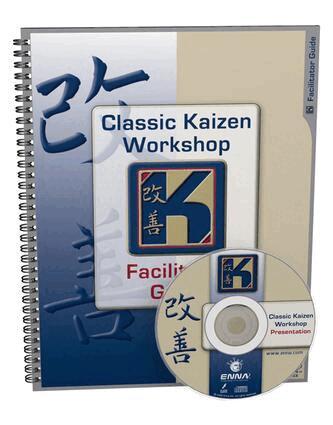
      Enna - Classic Kaizen Workshop Facilitator Guide, Häftad

      Classic Kaizen Workshop Facilitator Guide

      Enna

      Häftad, 2017

      3 494 kr

      Rui Pedro Figueiredo Marques, Jonas da Silva Oliveira, Graca Maria do Carmo Azevedo, Augusta da Conceicao Santos Ferreira - Global Perspectives on Risk Management and Accounting in the Public Sector, E-bok

      Global Perspectives on Risk Management and Accounting in the Public Sector

      Rui Pedro Figueiredo Marques, Jonas da Silva Oliveira, Graca Maria do Carmo Azevedo, Augusta da Conceicao Santos Ferreira

      E-bok
      2016

      3 494 kr

      Petros, Apostolos G., Constantin - Perspectives, Trends, and Applications in Corporate Finance and Accounting, E-bok

      Perspectives, Trends, and Applications in Corporate Finance and Accounting

      Petros, Apostolos G., Constantin

      E-bok
      2018

      3 494 kr

      Sevtap, Tevfik - Utilizing Consumer Psychology in Business Strategy, E-bok

      Utilizing Consumer Psychology in Business Strategy

      Sevtap, Tevfik

      E-bok
      2018

      3 494 kr

      Giuseppe - Computational Psychoanalysis and Formal Bi-Logic Frameworks, E-bok

      Computational Psychoanalysis and Formal Bi-Logic Frameworks

      Giuseppe

      E-bok
      2018

      3 494 kr

      A. Crumb, R. Crumb - Sophie Crumb, Inbunden

      Sophie Crumb

      A. Crumb, R. Crumb

      Inbunden, 2010

      3 494 kr

      Roderick P. - Communication and Language Analysis in the Corporate World, E-bok

      Communication and Language Analysis in the Corporate World

      Roderick P.

      E-bok
      2014

      3 494 kr

      Yishuang, Liang-Jie - Innovative Solutions and Applications of Web Services Technology, E-bok

      Innovative Solutions and Applications of Web Services Technology

      Yishuang, Liang-Jie

      E-bok
      2018

      3 494 kr

      Mathieu Roche, Violaine Prince - Information Retrieval in Biomedicine: Natural Language Processing for Knowledge Integration, E-bok

      Information Retrieval in Biomedicine: Natural Language Processing for Knowledge Integration

      Mathieu Roche, Violaine Prince

      E-bok
      2009

      3 494 kr