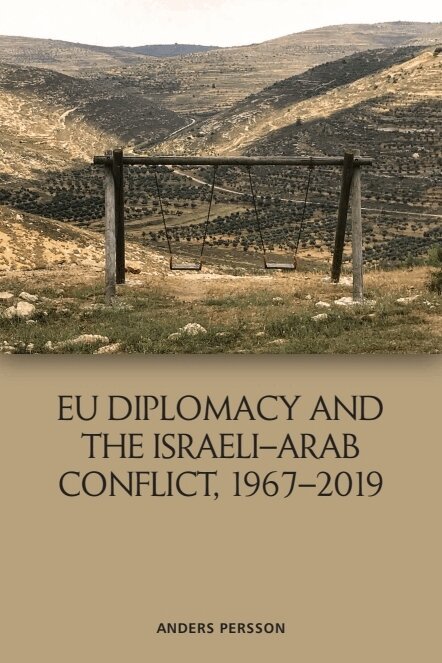
Just peace has been much talked about in everyday life, but it is less well researched by academics. The rationale of this book is therefore to probe what constitutes a just peace, both conceptually within the field of peacebuilding and empirically in the context of the EU as a peacebuilder in the Israeli-Palestinian conflict. The EU has used the term just peace in many of its most important declarations on the Israeli-Palestinian conflict throughout the years. Defining a just peace is about these declaratory efforts by the EU to articulate a common formula of a just peace in the conflict. Securing and building a just peace are about the EU’s role in implementing this formula for a just peace in the conflict through the creation of a Palestinian state. As the EU enters its fifth decade of involvement in the conflict, there can be little doubt that in common with the rest of the international community it has failed in its efforts to establish a just peace between Israelis and Palestinians. While this is an inescapable overall conclusion from four decades of EC/EU peacebuilding in the conflict, it is, at the same time, possible to draw a number of other conclusions from this book. Most importantly, it argues that the EU is a major legitimizing power in the conflict and that it has kept the prospects of a two-state solution alive through its support for the Palestinian statebuilding process.
Anders Persson is lecturer of political scientist at Linnaeus University, Sweden.
Recensioner i media
Anders Persson raises critical questions about the ‘notion of just peace’ in EU diplomacy. Though the notion ‘just peace’ has been used consistently in the EU’s declaratory diplomacy over decades, it received only sparse attention. Previous research predominantly focused on the cumbersome process of forging internal political compromise on the EU’s conflict resolution policy. This book shifts focus by elaborating on the intersubjective nature of just peace and the way the EU’s own notion of a just peace has evolved over time. While the book touches on several important issues and is empirically rich, it is its particular conceptual focus on the notion of ‘just peace’ that makes it unique and will stimulate the reader’s thinking. It almost seems paradoxical, but at a time when the feasibility of establishing a Palestinian state alongside Israel is more and more questioned, the EU’s own view of a just solution to the longstanding conflict has crystalized into an increasingly elaborated vision of a two-state settlement.
Innehållsförteckning
Chapter One: IntroductionChapter Two: Just Peace in the Context of PeacebuildingChapter Three: The EU and Just PeaceChapter Four: Defining a Just Peace in the ConflictChapter Five: Securing a Just Peace: the EU and Security Sector Reform in the Palestinian TerritoriesChapter Six: Building a Palestinian StateChapter Seven: Conclusions
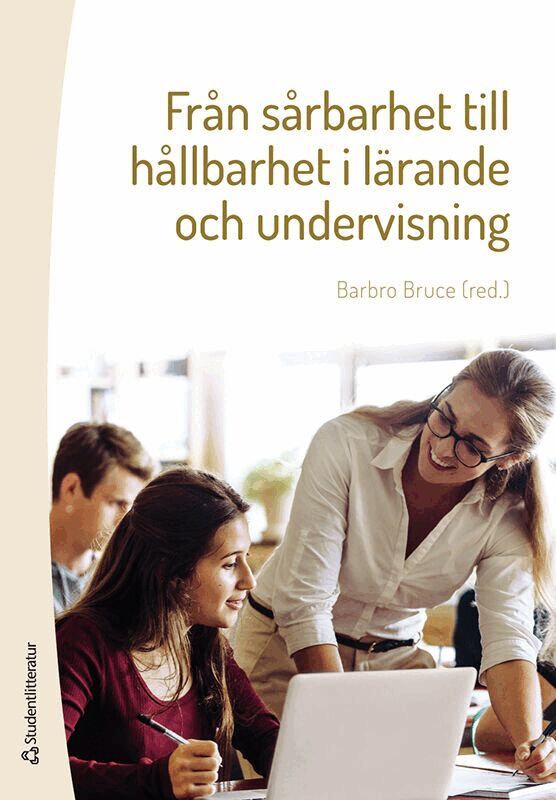
Barbro Bruce, Lisbeth Amhag, Lotta Bergman, Eva Borgfeldt, Jenny Edvardsson, Ulrika Ivarsson, Elin Jälmbrant, Anders Jönsson, Lotta Leden, Sofia Lindberg, Petra Magnusson, Anders Persson, Maria Rubin, Cecilia Segerby, Anna-Karin Svensson
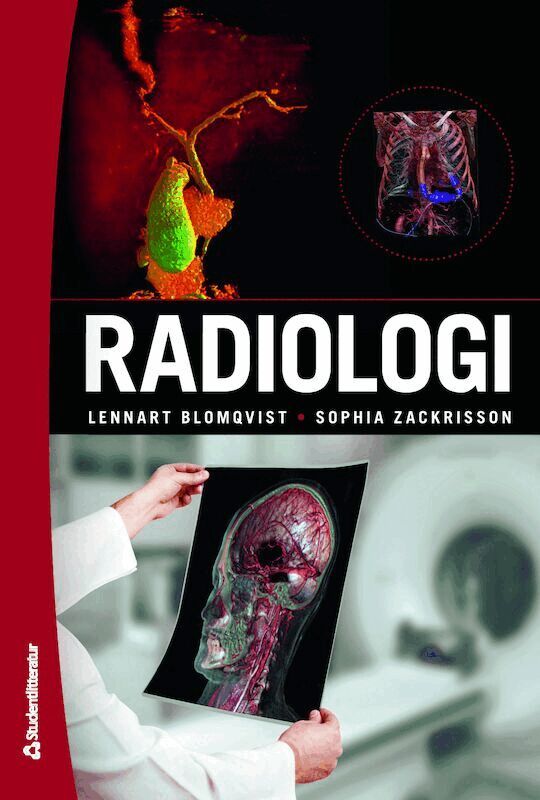
Lennart Blomqvist, Sophia Zackrisson, Kasim Abul-Kasim, Ingvar Adnerhill, Nils Albiin, Peter Aspelin, Ylva Aurell, Mats O. Beckman, Ola Björgell, Torkel Brismar, Marika Cronhjort, Martin Delle, Olov Duvernoy, Olle Ekberg, Mårten Falkenberg, Thröstur Finnbogason, Olof Flodmark, Mats Geijer, Pär Gerwins, Marika Gullberg Lidegran, Mikael Gunnarsson, Mikael Hellström, Nils-Gunnar Holmer, Staffan Holmin, Kerstin Johansson, Åse Johnsson, Fredrik Jäderling, Nikolaos Kartalis, Elna-Marie Larsson, Peter Leander, Sigrid Leide Svegborn, Bertil Leidner, Henrik Leonhardt, Anders Levinsson, Lars Lönn, Anders Magnusson, Evangelos Mourtos, Anders Nilsson, Margareta Nilsson, Mats Nilsson, Ulf Nyman, Marcus Ohlsson, Per Åke Olofsson, Anders Persson, Inga Redlund Johnell, Katrine Riklund, Hans Ringertz, Michael Sandborg, Anna Karin Siösteen Tofte, Mikael Skorpil, Freddy Ståhlberg, Michael Söderman, Anne Thilander Klang, Ulf Tylen, Ulla Ullberg, Jonas Wallström, Chen Wang, Håkan Weiber, Johan Wikström, Maria Vinell, Ronnie Wirestam
Karin Aggestam, Kristine Höglund, Wilhelm Agrell, Olof Beckman, Annika Björkdahl, Robert Egnell, Hanna Fjelde, Sara Gehlin, Patrik Johansson, Roland Kostic, Louise Olsson, Anders Persson, Michael Schulz, Maria Småberg, Maria Stern, Lina Sturfelt, Isak Svensson, Fredrik Söderbaum, Anders Themnér, Jan Ångström, Joakim Öjendal
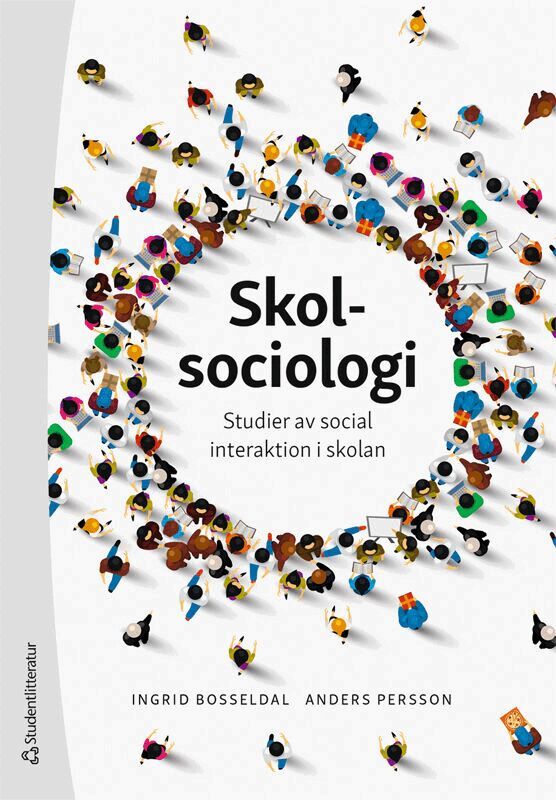
Jonatan Nästesjö, Anders Persson, Patrik Aspers, Ingrid Bosseldal, Johan Fagerberg, Gary Alan Fine, Filippa Maria Flaherty, Henrik Fürst, Katarina Lundin, Max Persson, Torgny Roxå, Edvin Sandström, Paul Strand, David Wästerfors
Just peace has been much talked about in everyday life, but it is less well researched by academics. The rationale of this book is therefore to probe what constitutes a just peace, both conceptually within the field of peacebuilding and empirically in the context of the EU as a peacebuilder in the Israeli-Palestinian conflict. The EU has used the term just peace in many of its most important declarations on the Israeli-Palestinian conflict throughout the years. Defining a just peace is about these declaratory efforts by the EU to articulate a common formula of a just peace in the conflict. Securing and building a just peace are about the EU’s role in implementing this formula for a just peace in the conflict through the creation of a Palestinian state. As the EU enters its fifth decade of involvement in the conflict, there can be little doubt that in common with the rest of the international community it has failed in its efforts to establish a just peace between Israelis and Palestinians. While this is an inescapable overall conclusion from four decades of EC/EU peacebuilding in the conflict, it is, at the same time, possible to draw a number of other conclusions from this book. Most importantly, it argues that the EU is a major legitimizing power in the conflict and that it has kept the prospects of a two-state solution alive through its support for the Palestinian statebuilding process.
Anders Persson is lecturer of political scientist at Linnaeus University, Sweden.
Recensioner i media
Anders Persson raises critical questions about the ‘notion of just peace’ in EU diplomacy. Though the notion ‘just peace’ has been used consistently in the EU’s declaratory diplomacy over decades, it received only sparse attention. Previous research predominantly focused on the cumbersome process of forging internal political compromise on the EU’s conflict resolution policy. This book shifts focus by elaborating on the intersubjective nature of just peace and the way the EU’s own notion of a just peace has evolved over time. While the book touches on several important issues and is empirically rich, it is its particular conceptual focus on the notion of ‘just peace’ that makes it unique and will stimulate the reader’s thinking. It almost seems paradoxical, but at a time when the feasibility of establishing a Palestinian state alongside Israel is more and more questioned, the EU’s own view of a just solution to the longstanding conflict has crystalized into an increasingly elaborated vision of a two-state settlement.
Innehållsförteckning
Chapter One: IntroductionChapter Two: Just Peace in the Context of PeacebuildingChapter Three: The EU and Just PeaceChapter Four: Defining a Just Peace in the ConflictChapter Five: Securing a Just Peace: the EU and Security Sector Reform in the Palestinian TerritoriesChapter Six: Building a Palestinian StateChapter Seven: Conclusions
Barbro Bruce, Lisbeth Amhag, Lotta Bergman, Eva Borgfeldt, Jenny Edvardsson, Ulrika Ivarsson, Elin Jälmbrant, Anders Jönsson, Lotta Leden, Sofia Lindberg, Petra Magnusson, Anders Persson, Maria Rubin, Cecilia Segerby, Anna-Karin Svensson
Lennart Blomqvist, Sophia Zackrisson, Kasim Abul-Kasim, Ingvar Adnerhill, Nils Albiin, Peter Aspelin, Ylva Aurell, Mats O. Beckman, Ola Björgell, Torkel Brismar, Marika Cronhjort, Martin Delle, Olov Duvernoy, Olle Ekberg, Mårten Falkenberg, Thröstur Finnbogason, Olof Flodmark, Mats Geijer, Pär Gerwins, Marika Gullberg Lidegran, Mikael Gunnarsson, Mikael Hellström, Nils-Gunnar Holmer, Staffan Holmin, Kerstin Johansson, Åse Johnsson, Fredrik Jäderling, Nikolaos Kartalis, Elna-Marie Larsson, Peter Leander, Sigrid Leide Svegborn, Bertil Leidner, Henrik Leonhardt, Anders Levinsson, Lars Lönn, Anders Magnusson, Evangelos Mourtos, Anders Nilsson, Margareta Nilsson, Mats Nilsson, Ulf Nyman, Marcus Ohlsson, Per Åke Olofsson, Anders Persson, Inga Redlund Johnell, Katrine Riklund, Hans Ringertz, Michael Sandborg, Anna Karin Siösteen Tofte, Mikael Skorpil, Freddy Ståhlberg, Michael Söderman, Anne Thilander Klang, Ulf Tylen, Ulla Ullberg, Jonas Wallström, Chen Wang, Håkan Weiber, Johan Wikström, Maria Vinell, Ronnie Wirestam
Karin Aggestam, Kristine Höglund, Wilhelm Agrell, Olof Beckman, Annika Björkdahl, Robert Egnell, Hanna Fjelde, Sara Gehlin, Patrik Johansson, Roland Kostic, Louise Olsson, Anders Persson, Michael Schulz, Maria Småberg, Maria Stern, Lina Sturfelt, Isak Svensson, Fredrik Söderbaum, Anders Themnér, Jan Ångström, Joakim Öjendal
Jonatan Nästesjö, Anders Persson, Patrik Aspers, Ingrid Bosseldal, Johan Fagerberg, Gary Alan Fine, Filippa Maria Flaherty, Henrik Fürst, Katarina Lundin, Max Persson, Torgny Roxå, Edvin Sandström, Paul Strand, David Wästerfors
Just peace has been much talked about in everyday life, but it is less well researched by academics. The rationale of this book is therefore to probe what constitutes a just peace, both conceptually within the field of peacebuilding and empirically in the context of the EU as a peacebuilder in the Israeli-Palestinian conflict. The EU has used the term just peace in many of its most important declarations on the Israeli-Palestinian conflict throughout the years. Defining a just peace is about these declaratory efforts by the EU to articulate a common formula of a just peace in the conflict. Securing and building a just peace are about the EU’s role in implementing this formula for a just peace in the conflict through the creation of a Palestinian state. As the EU enters its fifth decade of involvement in the conflict, there can be little doubt that in common with the rest of the international community it has failed in its efforts to establish a just peace between Israelis and Palestinians. While this is an inescapable overall conclusion from four decades of EC/EU peacebuilding in the conflict, it is, at the same time, possible to draw a number of other conclusions from this book. Most importantly, it argues that the EU is a major legitimizing power in the conflict and that it has kept the prospects of a two-state solution alive through its support for the Palestinian statebuilding process.
Anders Persson is lecturer of political scientist at Linnaeus University, Sweden.
Recensioner i media
Anders Persson raises critical questions about the ‘notion of just peace’ in EU diplomacy. Though the notion ‘just peace’ has been used consistently in the EU’s declaratory diplomacy over decades, it received only sparse attention. Previous research predominantly focused on the cumbersome process of forging internal political compromise on the EU’s conflict resolution policy. This book shifts focus by elaborating on the intersubjective nature of just peace and the way the EU’s own notion of a just peace has evolved over time. While the book touches on several important issues and is empirically rich, it is its particular conceptual focus on the notion of ‘just peace’ that makes it unique and will stimulate the reader’s thinking. It almost seems paradoxical, but at a time when the feasibility of establishing a Palestinian state alongside Israel is more and more questioned, the EU’s own view of a just solution to the longstanding conflict has crystalized into an increasingly elaborated vision of a two-state settlement.
Innehållsförteckning
Chapter One: IntroductionChapter Two: Just Peace in the Context of PeacebuildingChapter Three: The EU and Just PeaceChapter Four: Defining a Just Peace in the ConflictChapter Five: Securing a Just Peace: the EU and Security Sector Reform in the Palestinian TerritoriesChapter Six: Building a Palestinian StateChapter Seven: Conclusions
Barbro Bruce, Lisbeth Amhag, Lotta Bergman, Eva Borgfeldt, Jenny Edvardsson, Ulrika Ivarsson, Elin Jälmbrant, Anders Jönsson, Lotta Leden, Sofia Lindberg, Petra Magnusson, Anders Persson, Maria Rubin, Cecilia Segerby, Anna-Karin Svensson
Lennart Blomqvist, Sophia Zackrisson, Kasim Abul-Kasim, Ingvar Adnerhill, Nils Albiin, Peter Aspelin, Ylva Aurell, Mats O. Beckman, Ola Björgell, Torkel Brismar, Marika Cronhjort, Martin Delle, Olov Duvernoy, Olle Ekberg, Mårten Falkenberg, Thröstur Finnbogason, Olof Flodmark, Mats Geijer, Pär Gerwins, Marika Gullberg Lidegran, Mikael Gunnarsson, Mikael Hellström, Nils-Gunnar Holmer, Staffan Holmin, Kerstin Johansson, Åse Johnsson, Fredrik Jäderling, Nikolaos Kartalis, Elna-Marie Larsson, Peter Leander, Sigrid Leide Svegborn, Bertil Leidner, Henrik Leonhardt, Anders Levinsson, Lars Lönn, Anders Magnusson, Evangelos Mourtos, Anders Nilsson, Margareta Nilsson, Mats Nilsson, Ulf Nyman, Marcus Ohlsson, Per Åke Olofsson, Anders Persson, Inga Redlund Johnell, Katrine Riklund, Hans Ringertz, Michael Sandborg, Anna Karin Siösteen Tofte, Mikael Skorpil, Freddy Ståhlberg, Michael Söderman, Anne Thilander Klang, Ulf Tylen, Ulla Ullberg, Jonas Wallström, Chen Wang, Håkan Weiber, Johan Wikström, Maria Vinell, Ronnie Wirestam
Karin Aggestam, Kristine Höglund, Wilhelm Agrell, Olof Beckman, Annika Björkdahl, Robert Egnell, Hanna Fjelde, Sara Gehlin, Patrik Johansson, Roland Kostic, Louise Olsson, Anders Persson, Michael Schulz, Maria Småberg, Maria Stern, Lina Sturfelt, Isak Svensson, Fredrik Söderbaum, Anders Themnér, Jan Ångström, Joakim Öjendal
Jonatan Nästesjö, Anders Persson, Patrik Aspers, Ingrid Bosseldal, Johan Fagerberg, Gary Alan Fine, Filippa Maria Flaherty, Henrik Fürst, Katarina Lundin, Max Persson, Torgny Roxå, Edvin Sandström, Paul Strand, David Wästerfors