
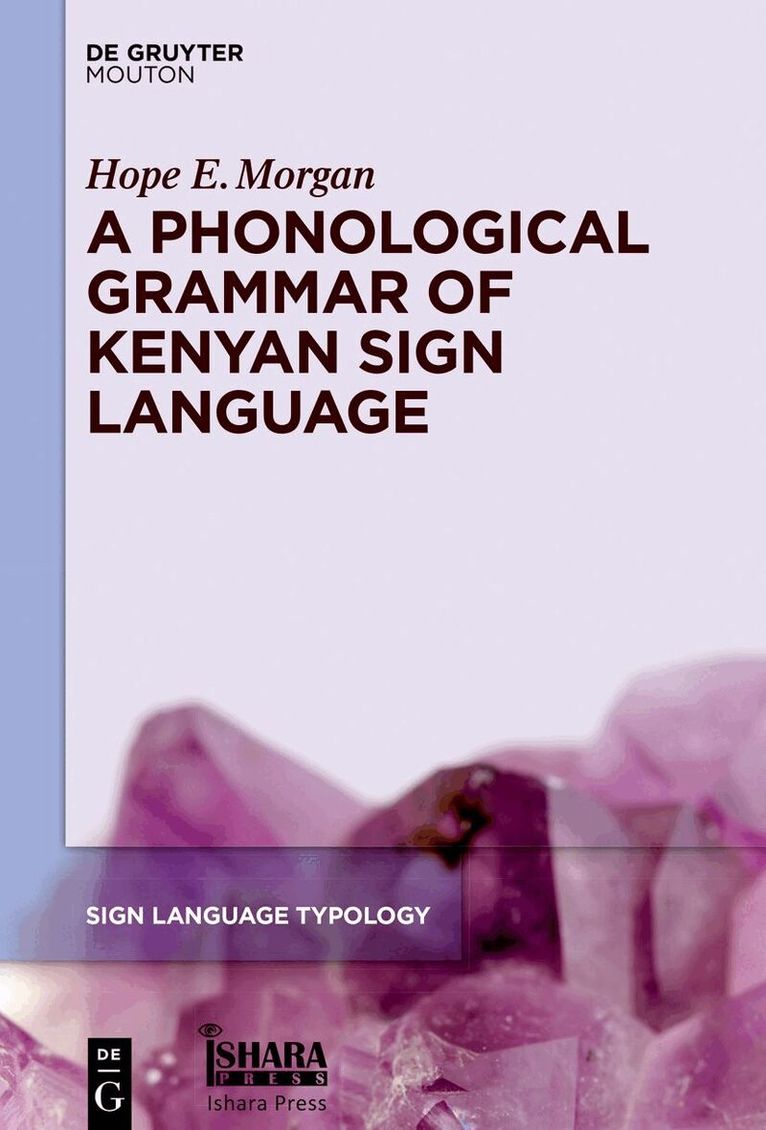
Del i serien Sign Language Typology [SLT]
2 272 kr
Beställningsvara. Skickas inom 5-8 vardagar. Fri frakt över 249 kr.
Beskrivning
Sign languages and spoken languages have an equal capacity to communicate our thoughts. Beyond this, however, while there are many similarities, there are also fascinating differences, caused primarily by the reaction of the human mind to different modalities, but also by some important social differences. The articulators are more visible and use larger muscles with consequent greater effort. It is difficult to visually attend to both a sign and an object at the same time. Iconicity is more systematic and more available in signs. The body, especially the face, plays a much larger role in sign. Sign languages are more frequently born anew as small groups of deaf people come together in villages or schools. Sign languages often borrow from the written form of the surrounding spoken language, producing fingerspelling alphabets, character signs, and related signs. This book examines the effects of these and other differences using observation, experimentation and theory. The languages examined include Asian, Middle Eastern, European and American sign languages, and language situations include home signers and small village signers, children, gesturers, adult signers, and non-native signers.
Produktinformation
Utforska kategorier
Mer om författaren
Recensioner i media
Hoppa över listan




Du kanske också är intresserad av
Del 10
Del 8
Del 7
Phonology of Shanghai Sign Language
Jisheng Zhang, Yanhong Wu, Shengyun Gu, Feng Yang, Yin’er Zhu, Jeroen van de Weijer
Inbunden
2 443 kr
Del 9
Emerging Sign Languages of the Americas
Olivier Le Guen, Josefina Safar, Marie Coppola
Inbunden
2 183 kr