Häftad, Engelska, 2022
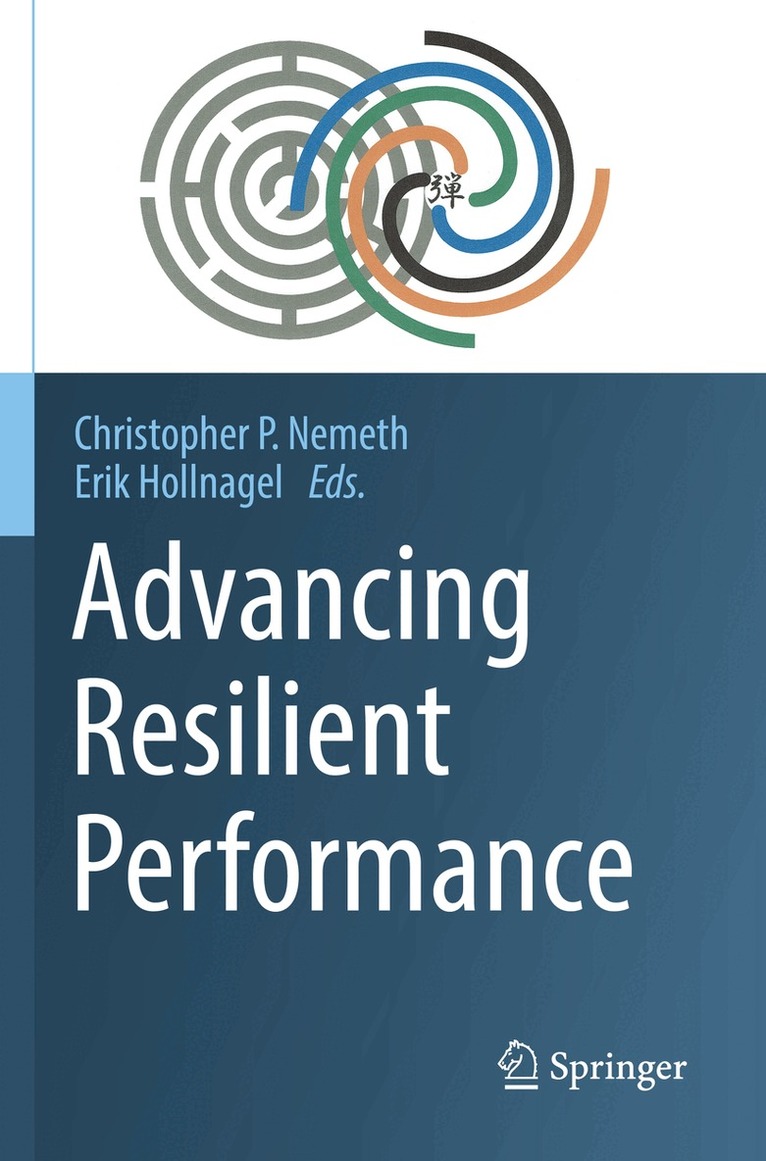
Advancing Resilient Performance
Av Christopher P. Nemeth, Erik Hollnagel
1313 kr
Beställningsvara. Skickas inom 10-15 vardagar. Fri frakt över 249 kr.
Beskrivning
Resilience Engineering (RE) studies have successfully identified and described many instances of resilient performance in high hazard sectors as well as in the far more frequent cases where people and organisations cope with the uncertainties of daily operations. Since RE was first described in 2006, a steady accumulation of insights and efforts have provided the basis for practical tools and methods. This development has been documented by a series of texts in the Resilience Engineering Perspectives series as well as by a growing number of papers and reports. This book encapsulates the essential practical lessons learned from the use of Resilience Engineering (RE) for over ten years. The main contents are a series of chapters written by those who have been instrumental in these applications. To increase the value for the reader, each chapter will include: rationale for the overall approach; data sought and reason(s) for choosing; data sources used, data analyses performed, and how recommendations were made and turned into practice.Serving as a reference for practitioners who want to analyse, support, and manage resilient performance, this book also advances research into RE by inquiring why work goes well in unpredictable environments, to improve work performance, or compensate for deficiencies.
Produktinformation
- Utgivningsdatum: 2022-10-13
- Mått: 155 x 235 x 10 mm
- Vikt: 271 g
- Format: Häftad
- Språk: Engelska
- Antal sidor: 158
- Förlag: Springer Nature Switzerland AG
- ISBN: 9783030746919
Utforska kategorier
Betyg & recensioner
0 recensioner
Inga recensioner tillgängliga.