Häftad, Engelska, 2021
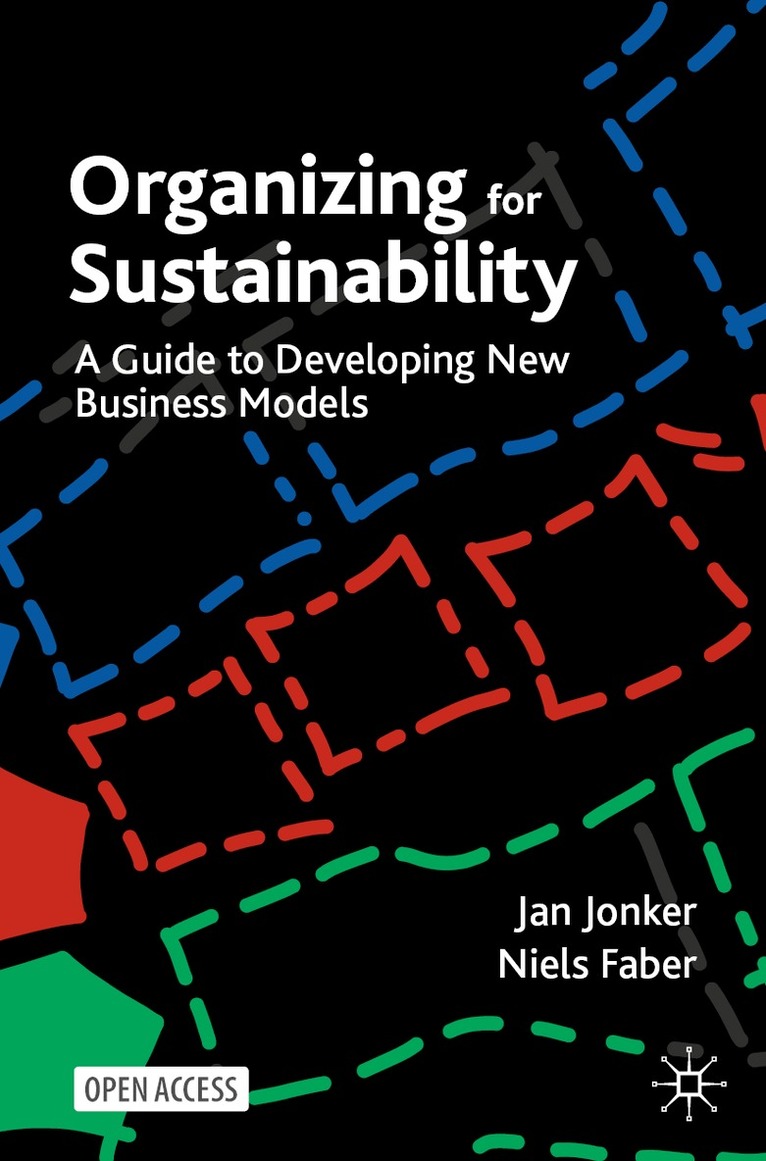
Organizing for Sustainability
571 kr
Beställningsvara. Skickas inom 10-15 vardagar. Fri frakt över 249 kr.
Beskrivning
This upper-level Open Access textbook aims to educate students and professionals on how to develop business models that have a positive impact on people, society, and the social and ecological environment. It explores a different view of how to organize value creation, from a focus on an almost exclusively monetary value creation to one that creates positive impact through multiple values.The book offers students and entrepreneurs a structured approach based through the Business Model Template (BMT). It consists of three stages and ten building blocks to facilitate the development of a business model. Users, be they students or practitioners, need to choose from one of the three offered business model archetypes, namely the platform, community, or circular business models. Each archetype offers a dedicated logic for vale creation. The book can be used to develop a business model from scratch (turning an idea into a working prototype) or to transform an existing business model into one of the three archetypes. Throughout the book extra sources, links to relevant online video clips, assignments and literature are offered to facilitate the development process.This book will be of interest to students studying the development of business models, sustainable management, innovation, and value creation. It will also be of interest executives, and professionals such as consultants or social entrepreneurs seeking further education.
Produktinformation
- Utgivningsdatum: 2021-07-20
- Mått: 155 x 235 x 22 mm
- Vikt: 436 g
- Format: Häftad
- Språk: Engelska
- Antal sidor: 242
- Upplaga: 21001
- Förlag: Springer Nature Switzerland AG
- ISBN: 9783030781569
- Originaltitel: Duurzaam organiseren Template voor het ontwikkelen van nieuwe businessmodellen
Utforska kategorier
Betyg & recensioner
0 recensioner
Inga recensioner tillgängliga.