Häftad, Engelska, 2023
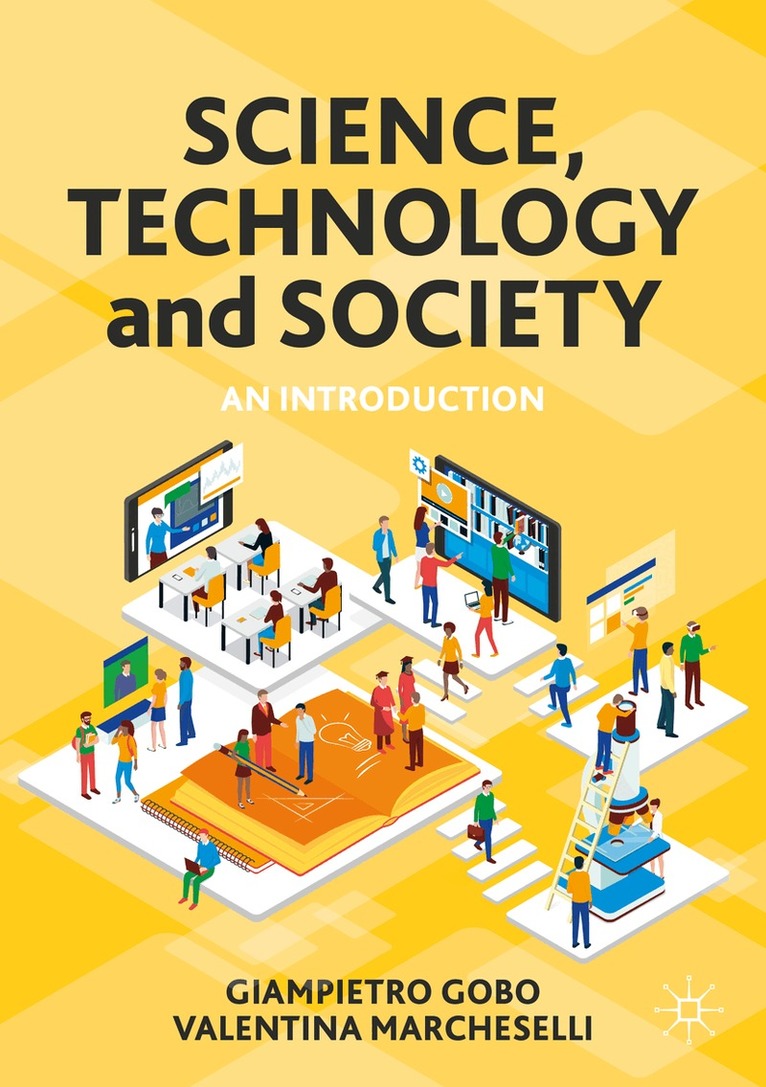
Science, Technology and Society
Av Giampietro Gobo, Valentina Marcheselli
930 kr
Beställningsvara. Skickas inom 10-15 vardagar. Fri frakt över 249 kr.
Beskrivning
Science, Technology and Society: An Introduction provides students with an accessible overview of the interdisciplinary field of Science and Technology Studies (STS). The discipline breaks down traditional conceptions of knowledge as universal, neutral and ahistorical, and takes a more critical approach to science and technology as social embedded phenomena. This comprehensive textbook makes use of unique examples and case studies to illustrate theoretical debates and concepts. In addition, the reader acquires a unique vision of contemporary issues (such as the power of algorithms, the mystification of fake news, the role of experts within the decision-making process, for example). Each chapter incorporates pedagogically rich features, including interactive discussion points to be used individually or in class as prompts for debate.
Produktinformation
- Utgivningsdatum: 2023-01-10
- Mått: 148 x 210 x 27 mm
- Vikt: 452 g
- Format: Häftad
- Språk: Engelska
- Antal sidor: 324
- Förlag: Springer International Publishing AG
- ISBN: 9783031083051
Utforska kategorier
Betyg & recensioner
0 recensioner
Inga recensioner tillgängliga.