
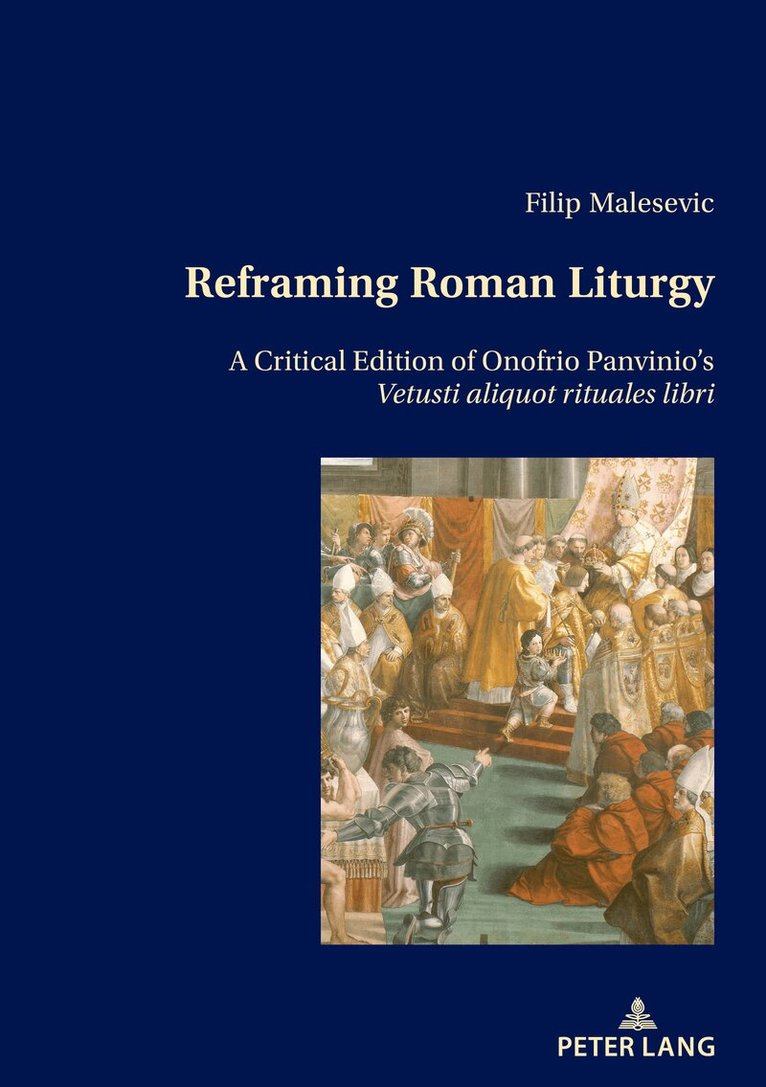
Dominion of Redemption
Cardinal Guglielmo Sirleto between Curial Politics and Ecclesiastical Scholarship inTridentine Rome
Inbunden, Engelska, 2026
1 645 kr
Kommande
Beskrivning
With Charles V’s Imperial Coronation in 1530 in Bologna, the relationship between imperial and ecclesiastical government was reconfigured according to the Emperor’s sovereign capacities in administering the temporal concerns alongside the development of ecclesiastical affairs. This consolidation of Charles V’s imperial government represented a major challenge in respect to the Roman Curia’s insights regarding the contemporary theological conceptions contesting Roman ecclesiastical government. Following the election of Pope Paul III in 1534 and the creation of a Consilium de emendanda ecclesiae two years later, this great issue was to be principally resolved by a commission of cardinals and Curial prelates in anticipation of a general Church council that was to resolve the theological disparities between Catholic and Protestant positions regarding on ecclesiology. The Consilium thus served as a consulting entity within the Roman Curia concerning Pope Paul III’s ambitions for calling a Church council. Contrary to previous scholarship, this study demonstrates how this particular commission acted in following a Curial program of neutralizing the papal strategies of pacifying the Emperor Charles V and King Francis I. This reinterpretation of the Consilium de emendanda ecclesiae and of its members is presented through the conflicting relationship between the Roman Curia and Pope Paul III regarding the calling of a general Church council that was to instill a reorganization of Roman ecclesiastical government.By placing Sirleto and his career within the labyrinthine structures of the Roman Curia and papal power, this book offers a novel interpretation of the Curia not only as a heterogeneous entity within Roman ecclesiastical governance but also as a system shaped by Sirleto’s strategic administration of ecclesiastical affairs. Through his manipulation and adaptation of Roman theological thought in the late Cinquecento, Sirleto played a pivotal role in defining ecclesiastical governance.This book builds upon the preceding project’s exploration of political thought in Roman ecclesiastical governance, analyzing how theological discourse was controlled and circulated through the machinery of the Roman Curia.The second part of the trilogy Holy Family and Sacred Palace thus fundamentally rethinks previous contributions made towards Early Modern political thought after Quentin Skinner’s momentous Foundations of Modern Political Thought, and proposes, for the first time, a major interpretive model for understanding ecclesiastical political thought.
Produktinformation
Utforska kategorier
Mer om författaren
Hoppa över listan
Mer från samma författare
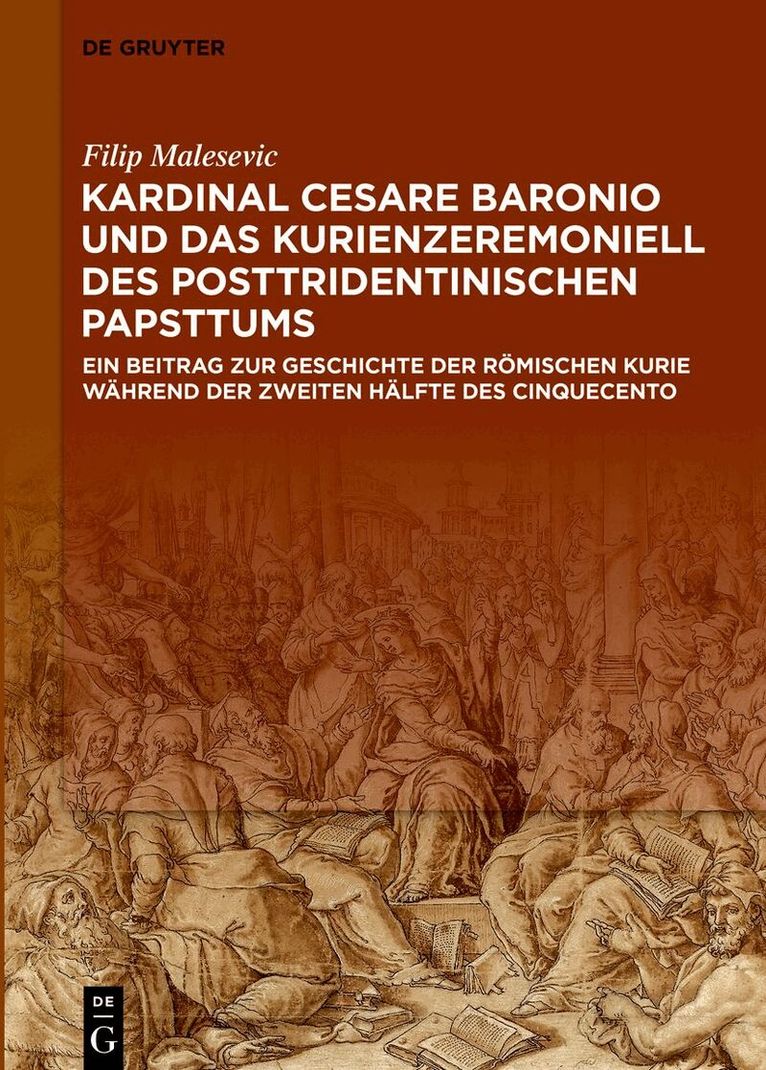
Kardinal Cesare Baronio und das Kurienzeremoniell des posttridentinischen Papsttums
Filip Malesevic
Inbunden, 2021
1 823 kr
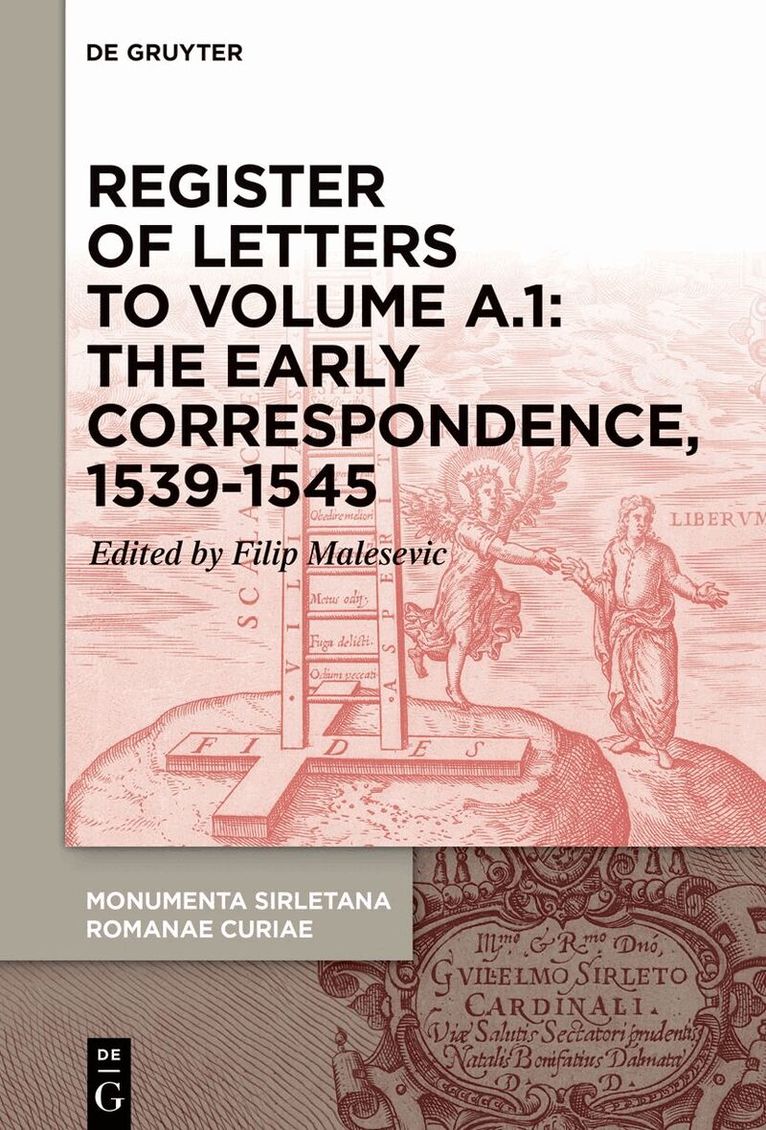
Register of letters to volume A.1: The Early Correspondence, 1539-1545, with references to Sirleto’s first curial works for Cardinal Marcello Cervini and other curial letters
Guglielmo Sirleto, Filip Malesevic
Inbunden, 2028
2 309 kr
Hoppa över listan
Du kanske också är intresserad av
- Nyhet
Register of letters to volume A.1: The Early Correspondence, 1539-1545, with references to Sirleto’s first curial works for Cardinal Marcello Cervini and other curial letters
Guglielmo Sirleto, Filip Malesevic
Inbunden, 2028
2 309 kr
Kardinal Cesare Baronio und das Kurienzeremoniell des posttridentinischen Papsttums
Filip Malesevic
Inbunden, 2021
1 823 kr