E-bok, Engelska, 2024
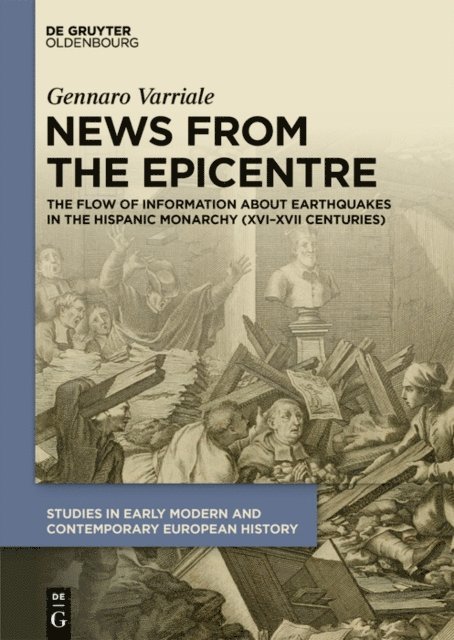
News from the Epicentre
1410 kr
Läs direkt i Bokus Reader – eller ladda ned till din enhet (PDF kräver ofta zoom och scroll på små skärmar).
Beskrivning
For decades historians argued for the downfall of communication, when early modern societies were hit by a natural disaster. After all, earthquakes caused the destruction of infrastructure, which hindered the spread of news. Instead, the last investigations opened a new point of view about the political communication: every crisis was a catalyst for news. The book widens this reading through a comparative analysis of several earthquakes in the Hispanic Monarchy territories, from Asia to America.
However, the examination of communications provided in this volume is not an end in itself but is offered as a basis for reflection and to propose the notion that earthquakes trigger change in social and political dynamics. Earthquake-related crises exposed the underlying contradictions that the court of Madrid needed to address in the most effective way, and, if possible, swiftly.
Earthquakes not only destroyed buildings and infrastructure but also social norms. Urgency reduced the distance between interlocutors, to some extent blurring the boundaries of self-censorship. Tremors therefore offer a rare opportunity to observe the political and military crises faced by the Hispanic Monarchy, the global empire of the time.
Produktinformation
- Utgivningsdatum: 2024-12-02
- Språk: Engelska
- Filformat: PDF
- Kopieringsskydd: LCP
- ISBN: 9783111454801
- Förlag: De Gruyter
Utforska kategorier
Betyg & recensioner
0 recensioner
Inga recensioner tillgängliga.