Beställningsvara. Skickas inom 5-8 vardagar. Fri frakt över 249 kr.
Beskrivning
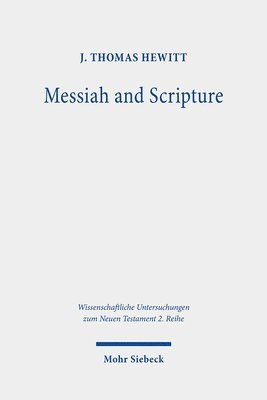
Durch einen diskursanalytischen Vergleich ordnet T.R. Niles die Prädikation von Christus als "Bild des unsichtbaren Gottes" in verschiedene antike Bilderdiskurse ein (u.a. Qumran, Sapientia Salomonis, Philon und Plutarch), um die besonderen Konturen des Bildbegriffs im Kolosserbrief zutage zu fördern.
Born 1989; 2021 PhD in Theology at the University of Bern; postdoctoral researcher at the Institute for New Testament Studies of the University of Bern.
Innehållsförteckning
IntroductionA. Homo Pictor?B. Working Assumptions of the StudyC. Outline of the StudyChapter 1: Image DiscoursesA. The Hebrew Bible and the Dead Sea ScrollsB. Plato of AthensC. The Wisdom of SolomonD. Philo of AlexandriaE. Plutarch of ChaeroneaF. Dio Chrysostom's Olympic Discourse ( Oratio 12)G. Three Stoics of the First Century A.D.H. The Apostle PaulI. Image Discourses: RésuméChapter 2: Exegetical Prolegomena for Colossians 1:15-20A. Textual CriticismB. Origin of the TextC. Anatomy of the TextChapter 3: Exegesis of Colossians 1:15-20A. Verses 15-16: What is the "Image of the Invisible God"?B. Verse 17: The Supremacy of ChristC. Verse 18a: The Head of the Body, Which is the ChurchD. Verses 18b-20: Restorative ReconciliationChapter 4: Colossians among its ContemporariesA. The Image Concept of ColossiansB. Situating Colossians in the Image Discourse of the First Century A.D.C. RésuméConcluding Reflections: "As We Catch Sight of the Sun in the Water"A. The Problematic Nature of ImagesB. Inclusion in the Image: A Positive Estimation of the Discrepancy between Model and ImageC. All Things Hold Together in Him