Häftad, Engelska, 2018
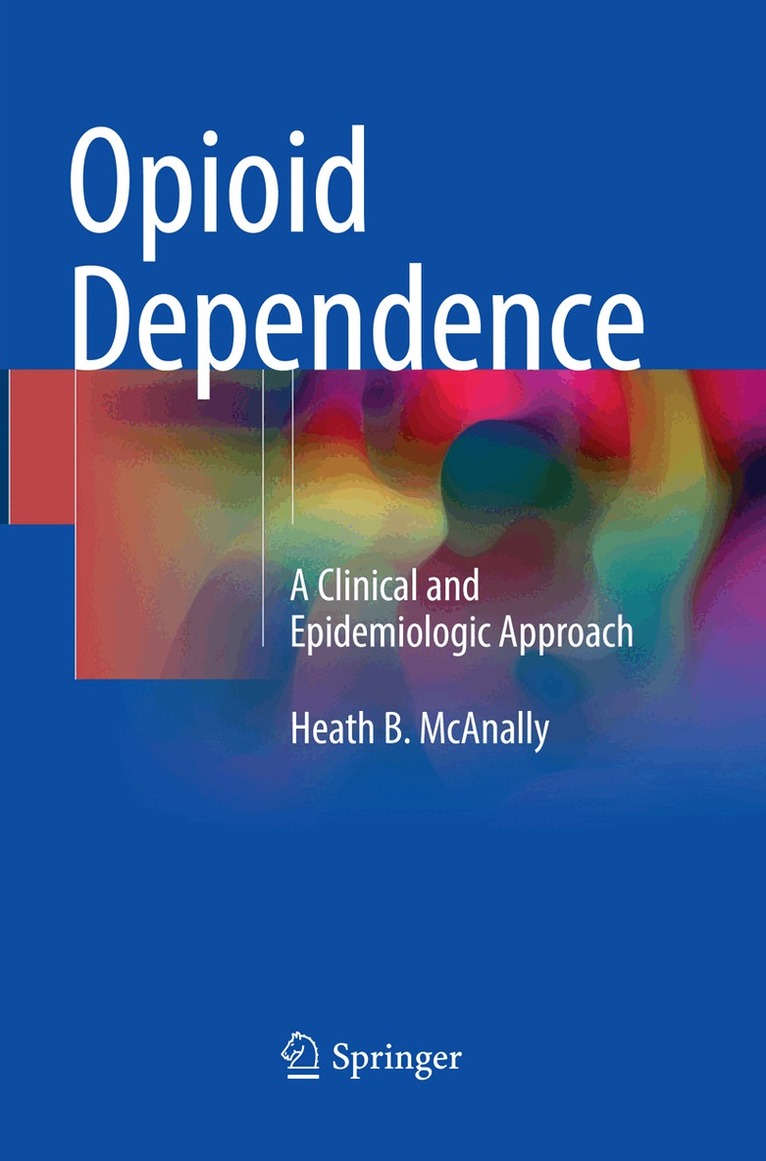
Opioid Dependence
1355 kr
Beställningsvara. Skickas inom 10-15 vardagar. Fri frakt över 249 kr.
Beskrivning
The book begins with a public health/epidemiologic examination of the situation, with a systematic view of the problem based on classic (infectious disease) epidemiologic principles applied to this behavioral health issue. This application is expanded to take into account the fact that unlike most epidemics in our species’ history, a unique factor that must be accounted for in any public health analysis is that the host (opioid-dependent/misusing patient) is generally not under sufficiently strong motivation to avoid the disease. The introduction concludes with a survey of recent containment approaches, categorized epidemiologically by target (agent, vector, host.)The remainder of the book is organized according to this framework, addressing agent, vector/transmission and host, respectively. Sections Three and Four comprise the major focus of the book, and are dedicated primarily to practical education for primary care providers in preventing opioid use disorder, and overcoming it after the fact.
Produktinformation
- Utgivningsdatum: 2018-09-05
- Mått: 155 x 235 x 18 mm
- Vikt: 487 g
- Format: Häftad
- Språk: Engelska
- Antal sidor: 301
- Förlag: Springer International Publishing AG
- ISBN: 9783319837512
Utforska kategorier
Betyg & recensioner
0 recensioner
Inga recensioner tillgängliga.