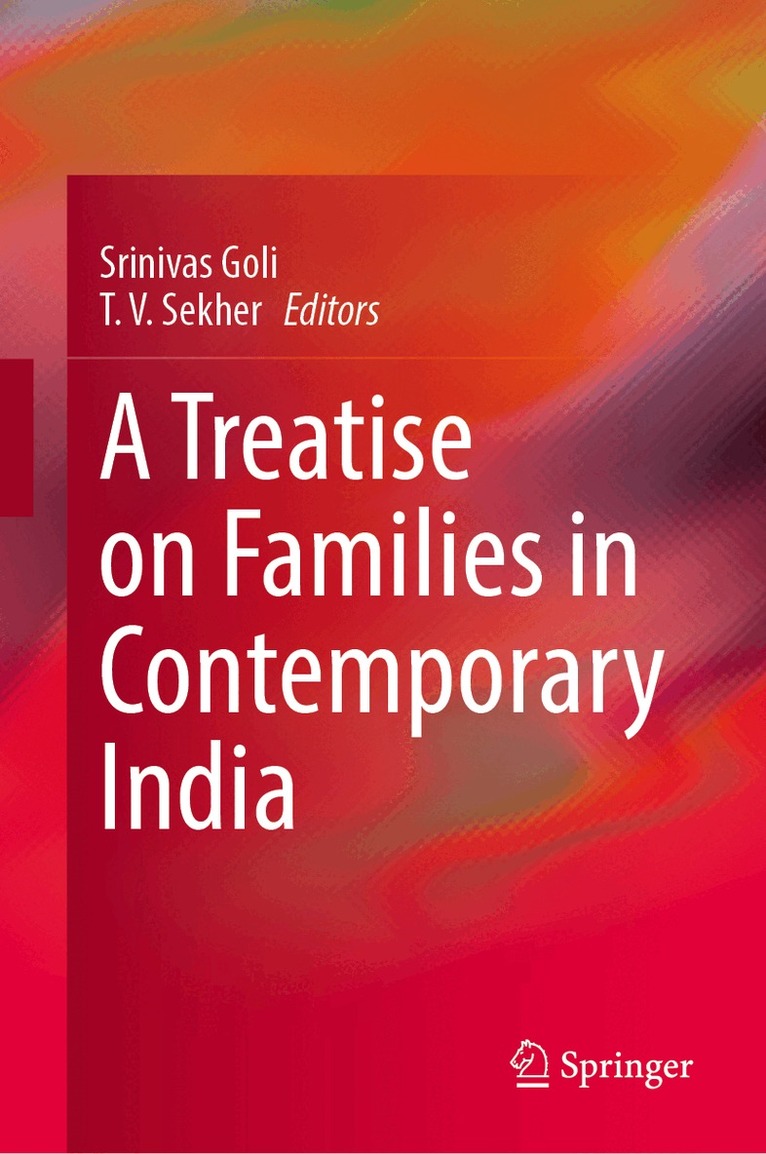
Inbunden, Engelska, 2027
Treatise on Families in Contemporary India
Av Srinivas Goli, T. V. Sekher
1781 kr
Kommande
Beskrivning
This landmark volume offers the first comprehensive demographic examination of family transformation in contemporary India, situating the country's evolving landscape within the Second Demographic Transition (SDT) framework. It reveals a family system in flux, caught between deep-rooted collectivist traditions and rising individual aspirations. Grounded in extensive primary research, including unique, large-scale surveys across India, the book offers a thoughtful, data-driven analysis of how shifting family dynamics and evolving models of family-building are impacting vulnerable populations. These include women managing the "second shift," children shaped by diverse family structures, the elderly facing the erosion of care networks, and families bearing the responsibility of caring for disabled members. It navigates critical topics from transformations in nuptial bonding and cohabitation patterns among the urban educated to shifting childbearing practices and evolving marriage markets. What distinguishes this treatise is its capture of the fundamental dialectic: the tension between the "golden cage" of traditional marriage and the shadows of the SDT, rising age at marriage, marital dissolution, and individual self-actualisation, unfolding within persistent familial obligation and their impact on women's status and economic empowerment. Weaving macro-level data with rich micro-level evidence, the volume illuminates both winners and losers of this transition, offering indispensable insights for scholars, policymakers, and practitioners worldwide.
Produktinformation
- Utgivningsdatum: 2027-02-21
- Mått: 155 x 235 x undefined mm
- Format: Inbunden
- Språk: Engelska
- Antal sidor: 754
- Förlag: Springer Verlag, Singapore
- ISBN: 9789819211456
Utforska kategorier
Betyg & recensioner
0 recensioner
Inga recensioner tillgängliga.