
Adam Henschke - Böcker
Visar alla böcker från författaren Adam Henschke. Handla med fri frakt och snabb leverans.
16 produkter
16 produkter
1 670 kr
Skickas inom 5-8 vardagar
Philosophical and ethical discussions of warfare are often tied to emerging technologies and techniques. Today we are presented with what many believe is a radical shift in the nature of war-the realization of conflict in the cyber-realm, the so-called "fifth domain " of warfare. Does an aggressive act in the cyber-realm constitute an act of war? If so, what rules should govern such warfare? Are the standard theories of just war capable of analyzing and assessing this mode of conflict? These changing circumstances present us with a series of questions demanding serious attention. Is there such a thing as cyberwarfare? How do the existing rules of engagement and theories from the just war tradition apply to cyberwarfare? How should we assess a cyber-attack conducted by a state agency against private enterprise and vice versa? Furthermore, how should actors behave in the cyber-realm? Are there ethical norms that can be applied to the cyber-realm? Are the classic just war constraints of non-combatant immunity and proportionality possible in this realm? Especially given the idea that events that are constrained within the cyber-realm do not directly physically harm anyone, what do traditional ethics of war conventions say about this new space? These questions strike at the very center of contemporary intellectual discussion over the ethics of war. In twelve original essays, plus a foreword from John Arquilla and an introduction, Binary Bullets: The Ethics of Cyberwarfare, engages these questions head on with contributions from the top scholars working in this field today.
476 kr
Skickas inom 5-8 vardagar
Philosophical and ethical discussions of warfare are often tied to emerging technologies and techniques. Today we are presented with what many believe is a radical shift in the nature of war-the realization of conflict in the cyber-realm, the so-called "fifth domain " of warfare. Does an aggressive act in the cyber-realm constitute an act of war? If so, what rules should govern such warfare? Are the standard theories of just war capable of analyzing and assessing this mode of conflict? These changing circumstances present us with a series of questions demanding serious attention. Is there such a thing as cyberwarfare? How do the existing rules of engagement and theories from the just war tradition apply to cyberwarfare? How should we assess a cyber-attack conducted by a state agency against private enterprise and vice versa? Furthermore, how should actors behave in the cyber-realm? Are there ethical norms that can be applied to the cyber-realm? Are the classic just war constraints of non-combatant immunity and proportionality possible in this realm? Especially given the idea that events that are constrained within the cyber-realm do not directly physically harm anyone, what do traditional ethics of war conventions say about this new space? These questions strike at the very center of contemporary intellectual discussion over the ethics of war. In twelve original essays, plus a foreword from John Arquilla and an introduction, Binary Bullets: The Ethics of Cyberwarfare, engages these questions head on with contributions from the top scholars working in this field today.
861 kr
Skickas inom 5-8 vardagar
This is an open access title available under the terms of a CC BY-NC-ND 4.0 International licence. It is free to read on Oxford Academic and offered as a free PDF download from OUP and selected open access locations.The Ethics of Surveillance in Times of Emergency draws from the use of modern surveillance technologies during the COVID-19 pandemic to explore a set of issues and challenges facing decision-makers and designers in times of emergency: how do we respond to emergencies in ways that are both consistent with democratic and community principles, and that are ethically justifiable? Emergencies, like public health pandemics, not only place stress on existing infrastructure and communities, but put significant pressure on our decision-making. The use of surveillance technologies during public health crises is a vital frame to explore the challenge of acting in times of emergency. Moreover, as an exercise in reflective applied ethics, this book does not just seek to apply a given theory or principle to the problem of surveillance in times of emergency, but to use the challenges facing us to critically engage with, reflect upon, and develop those theories and principles. The book's authors recognize this challenge--is it possible to respond to exceptional conditions in ways that either preserve our core values, or must these core values be subsumed under the need to respond to the particular emergency? The book offers responses to this challenge by looking at three interrelated ways in which can manifest: first, the democratic challenges; second, the ethical challenges; and third the design challenges faced in developing ethical solutions.
Ethics of National Security Intelligence Institutions
Theory and Applications
Inbunden, Engelska, 2024
2 103 kr
Skickas inom 10-15 vardagar
This book explores the ethics of national security intelligence institutions operating in contemporary liberal democracies.Intelligence collection by agencies such as the CIA, MI6, and Mossad involves practices that are apparently inconsistent with the principles of ordinary morality – practices such as lying, spying, manipulation, and covert action. However, in the defence of national security, such practices may not only be morally permissible, but may also under some circumstances be morally obligatory. One approach to the ethics of national security intelligence activity has been to draw from the just war tradition (so-called ‘just intelligence theory’). This book identifies significant limitations of this approach and offers a new, institutionally based, teleological normative framework. In doing so, it revises some familiar principles designed for application to kinetic wars, such as necessity and proportionality, and invokes some additional ones, such as reciprocity and trust. It goes on to explore the applications of this framework and a revised set of principles for national security intelligence institutions and practices in contemporary and emerging political and technological settings.This book will be of much interest to students of intelligence studies, ethics, security studies and International Relations.
629 kr
Skickas inom 10-15 vardagar
This book explores the ethics of national security intelligence institutions operating in contemporary liberal democracies.Intelligence collection by agencies such as the CIA, MI6, and Mossad involves practices that are apparently inconsistent with the principles of ordinary morality – practices such as lying, spying, manipulation, and covert action. However, in the defence of national security, such practices may not only be morally permissible, but may also under some circumstances be morally obligatory. One approach to the ethics of national security intelligence activity has been to draw from the just war tradition (so-called ‘just intelligence theory’). This book identifies significant limitations of this approach and offers a new, institutionally based, teleological normative framework. In doing so, it revises some familiar principles designed for application to kinetic wars, such as necessity and proportionality, and invokes some additional ones, such as reciprocity and trust. It goes on to explore the applications of this framework and a revised set of principles for national security intelligence institutions and practices in contemporary and emerging political and technological settings.This book will be of much interest to students of intelligence studies, ethics, security studies and International Relations.
2 166 kr
Skickas inom 10-15 vardagar
This book explores the conceptual, historical, and ethical issues of information conflict to present a detailed analysis of cognitive warfare.Is it possible for liberal democracies to deliberately use information on civilian populations to impact political and social institutions? While information conflict has been a part of political conflict, warfare, and international relations for as long as there has been political competition, given that our modern political and social lives are saturated by information, we are now faced with a pressing set of reasons to understand cognitive warfare, and to place it in a wider historical and technological context. This book identifies a series of conceptual and ethical challenges facing liberal democracies around modern information conflict. Drawing from historical practices, it suggests that two values – human dignity and political autonomy – can explain why some acts of cognitive warfare might be judged to be good while other acts are judged to be bad.This book will be of much interest to students and researchers of intelligence studies, ethics, security studies, and International Relations.Chapters 7 and 9 of this book are freely available as a downloadable Open Access PDF at http://www.taylorfrancis.com under a Creative Commons Attribution (CC-BY) 4.0 license.
611 kr
Skickas inom 10-15 vardagar
This book explores the conceptual, historical, and ethical issues of information conflict to present a detailed analysis of cognitive warfare.Is it possible for liberal democracies to deliberately use information on civilian populations to impact political and social institutions? While information conflict has been a part of political conflict, warfare, and international relations for as long as there has been political competition, given that our modern political and social lives are saturated by information, we are now faced with a pressing set of reasons to understand cognitive warfare, and to place it in a wider historical and technological context. This book identifies a series of conceptual and ethical challenges facing liberal democracies around modern information conflict. Drawing from historical practices, it suggests that two values – human dignity and political autonomy – can explain why some acts of cognitive warfare might be judged to be good while other acts are judged to be bad.This book will be of much interest to students and researchers of intelligence studies, ethics, security studies, and International Relations.Chapters 7 and 9 of this book are freely available as a downloadable Open Access PDF at http://www.taylorfrancis.com under a Creative Commons Attribution (CC-BY) 4.0 license.
3 591 kr
Skickas inom 10-15 vardagar
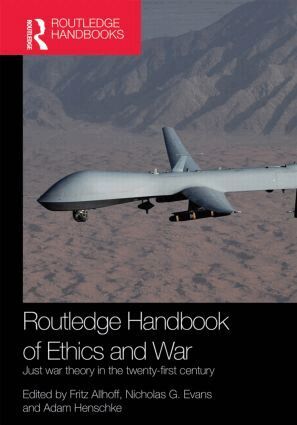
This new Handbook offers a comprehensive overview of contemporary extensions and alternatives to the just war tradition in the field of the ethics of war. The modern history of just war has typically assumed the primacy of four particular elements: jus ad bellum, jus in bello, the state actor, and the solider. This book will put these four elements under close scrutiny, and will explore how they fare given the following challenges: • What role do the traditional elements of jus ad bellum and jus in bello—and the constituent principles that follow from this distinction—play in modern warfare? Do they adequately account for a normative theory of war? • What is the role of the state in warfare? Is it or should it be the primary actor in just war theory? • Can a just war be understood simply as a response to territorial aggression between state actors, or should other actions be accommodated under legitimate recourse to armed conflict? • Is the idea of combatant qua state-employed soldier a valid ethical characterization of actors in modern warfare? • What role does the technological backdrop of modern warfare play in understanding and realizing just war theories?Over the course of three key sections, the contributors examine these challenges to the just war tradition in a way that invigorates existing discussions and generates new debate on topical and prospective issues in just war theory. This book will be of great interest to students of just war theory, war and ethics, peace and conflict studies, philosophy and security studies.
1 327 kr
Skickas inom 7-10 vardagar
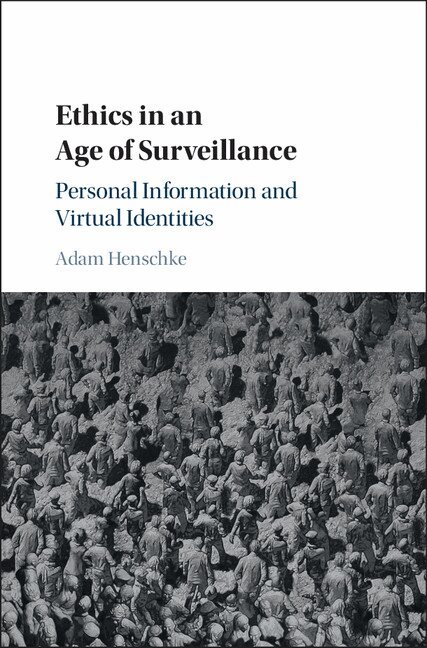
People increasingly live online, sharing publicly what might have once seemed private, but at the same time are enraged by extremes of government surveillance and the corresponding invasion into our private lives. In this enlightening work, Adam Henschke re-examines privacy and property in the age of surveillance in order to understand not only the importance of these social conventions, but also their moral relevance. By analyzing identity and information, and presenting a case for a relation between the two, he explains the moral importance of virtual identities and offers an ethically robust solution to designing surveillance technologies. This book should be read by anyone interested in surveillance technology, new information technology more generally, and social concepts like privacy and property.
428 kr
Skickas inom 7-10 vardagar
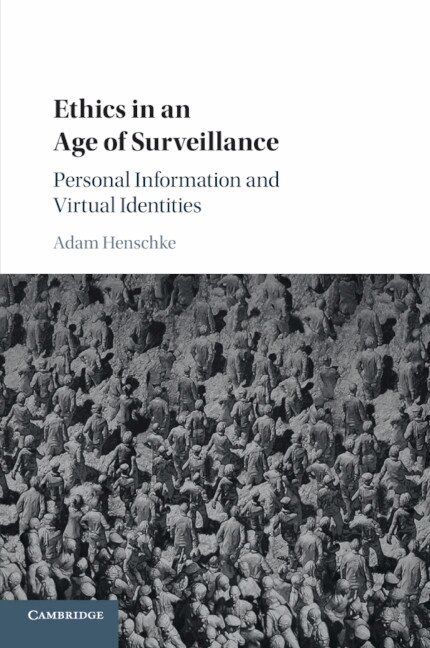
People increasingly live online, sharing publicly what might have once seemed private, but at the same time are enraged by extremes of government surveillance and the corresponding invasion into our private lives. In this enlightening work, Adam Henschke re-examines privacy and property in the age of surveillance in order to understand not only the importance of these social conventions, but also their moral relevance. By analyzing identity and information, and presenting a case for a relation between the two, he explains the moral importance of virtual identities and offers an ethically robust solution to designing surveillance technologies. This book should be read by anyone interested in surveillance technology, new information technology more generally, and social concepts like privacy and property.
751 kr
Skickas inom 10-15 vardagar
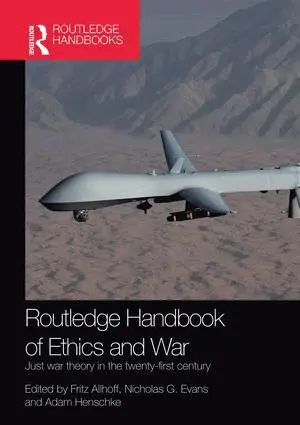
This new Handbook offers a comprehensive overview of contemporary extensions and alternatives to the just war tradition in the field of the ethics of war. The modern history of just war has typically assumed the primacy of four particular elements: jus ad bellum, jus in bello, the state actor, and the solider. This book will put these four elements under close scrutiny, and will explore how they fare given the following challenges: • What role do the traditional elements of jus ad bellum and jus in bello—and the constituent principles that follow from this distinction—play in modern warfare? Do they adequately account for a normative theory of war? • What is the role of the state in warfare? Is it or should it be the primary actor in just war theory? • Can a just war be understood simply as a response to territorial aggression between state actors, or should other actions be accommodated under legitimate recourse to armed conflict? • Is the idea of combatant qua state-employed soldier a valid ethical characterization of actors in modern warfare? • What role does the technological backdrop of modern warfare play in understanding and realizing just war theories?Over the course of three key sections, the contributors examine these challenges to the just war tradition in a way that invigorates existing discussions and generates new debate on topical and prospective issues in just war theory. This book will be of great interest to students of just war theory, war and ethics, peace and conflict studies, philosophy and security studies.
1 638 kr
Skickas inom 7-10 vardagar
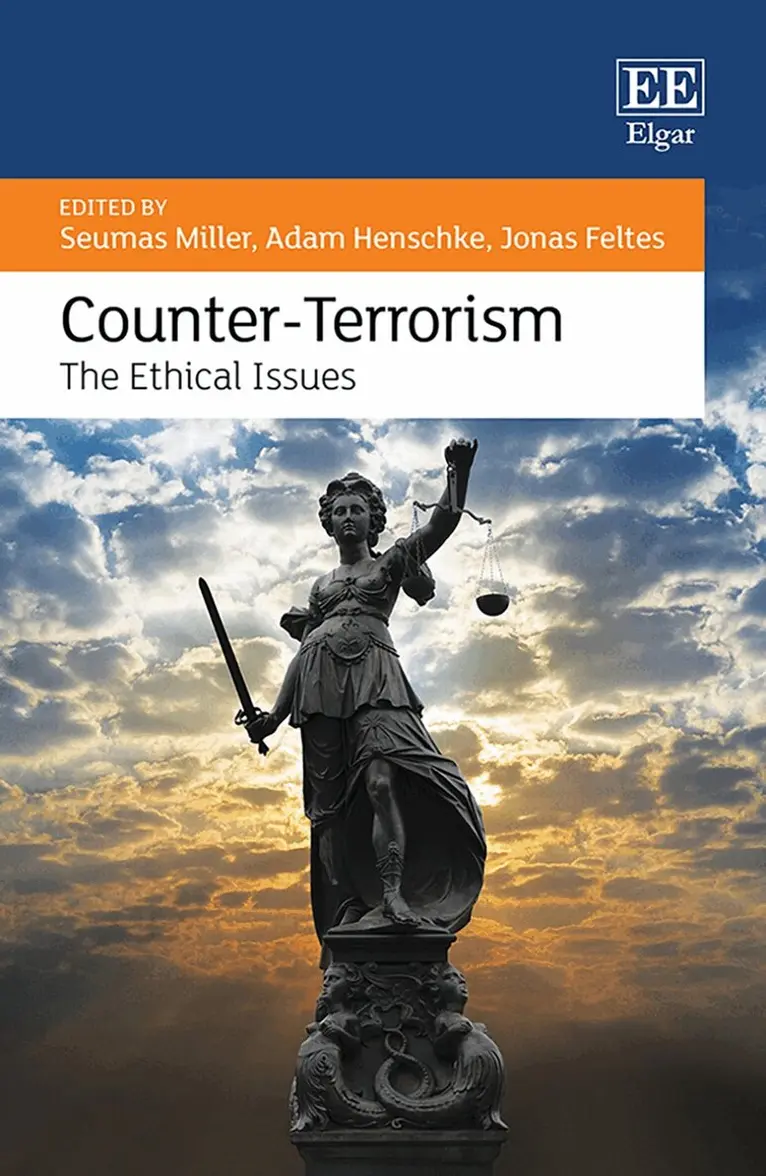
This insightful book provides an analysis of the central ethical issues that have arisen in combatting global terrorism and, in particular, jihadist terrorist groups, notably Al Qaeda, Islamic State and their affiliates. Chapters explore the theoretical problems that arise in relation to terrorism, such as the definition of terrorism and the concept of collective responsibility, and consider specific ethical issues in counter-terrorism.The book discusses a range of key topics including targeted killing, enhanced interrogation of terrorists, preventive detention, freedom of expression and terrorist content on social media, bulk metadata collection and responding to terrorist attacks that use weapons of mass destruction. It also explores ethical issues that have often been neglected, such as psychological warfare and stings. Taking a practical approach, the book offers recommendations for resolving these ethical problems in counter-terrorism. Integrating philosophical and legal analysis with empirical evidence, this book will be critical reading for scholars and students of human rights, international relations and terrorism and security law. Its use of specific examples of terrorist organisations, tactics and outcomes will also be valuable for policy-makers in the field.
2 650 kr
Skickas inom 10-15 vardagar
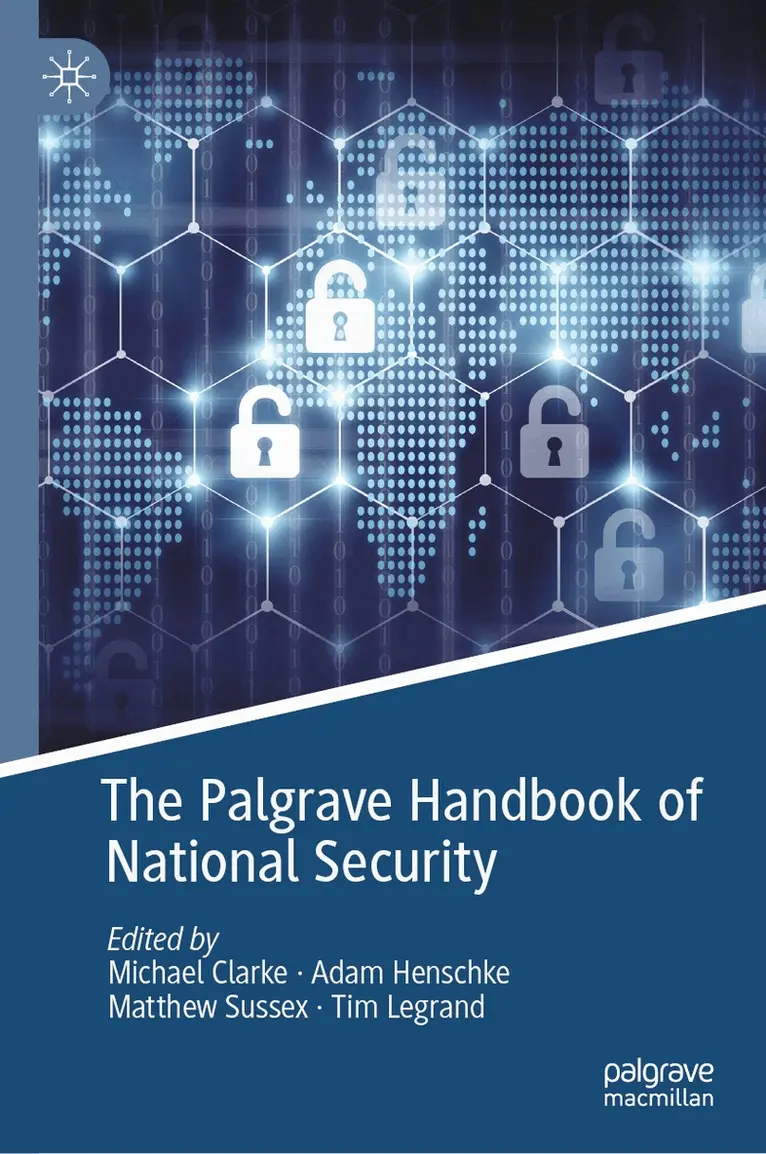
This handbook provides a comprehensive analysis of the contemporary theory, practice and themes in the study of national security. Part 1: Theories examines how national security has been conceptualised and formulated within the disciplines international relations, security studies and public policy. Part 2: Actors shifts the focus of the volume from these disciplinary concerns to consideration of how core actors in international affairs have conceptualised and practiced national security over time. Part 3: Issues then provides in-depth analysis of how individual security issues have been incorporated into prevailing scholarly and policy paradigms on national security.While security now seems an all-encompassing phenomenon, one general proposition still holds: national interests and the nation-state remain central to unlocking security puzzles. As normative values intersect with raw power; as new threats meet old ones; and as new actors challenge established elites, making sense out of the complex milieu of security theories, actors, and issues is a crucial task - and is the main accomplishment of this book.
2 650 kr
Skickas inom 10-15 vardagar
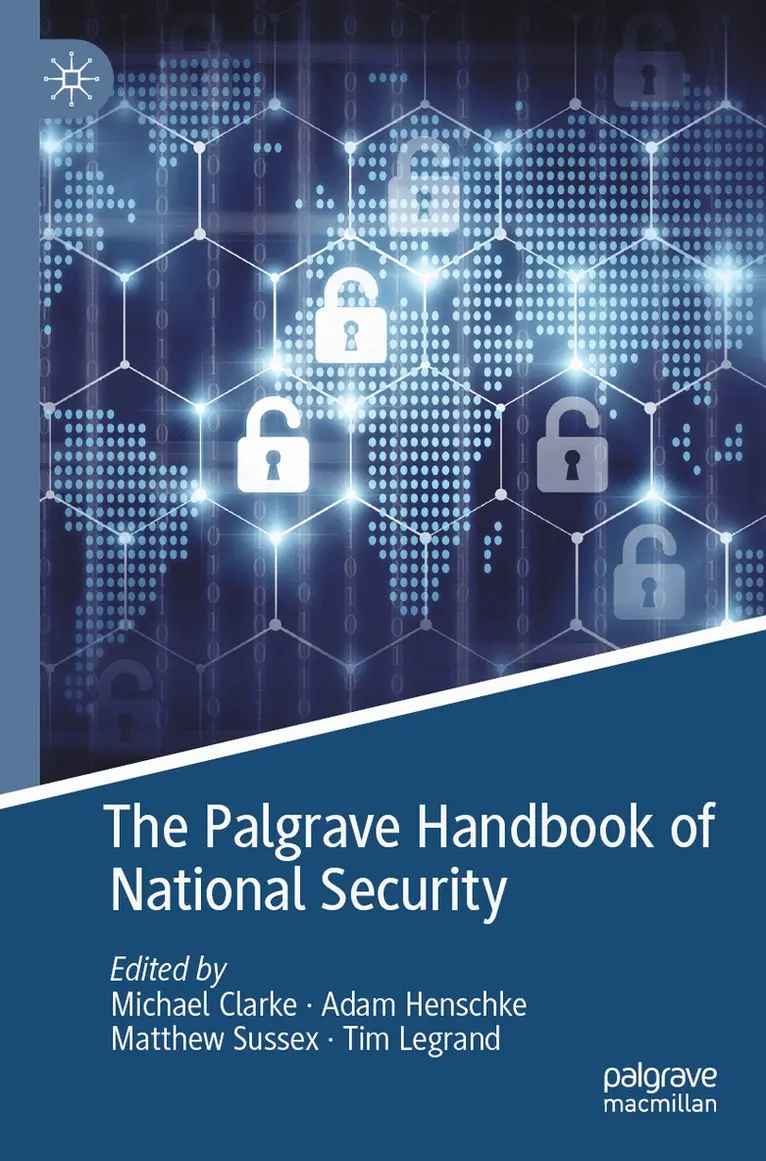
This handbook provides a comprehensive analysis of the contemporary theory, practice and themes in the study of national security. Part 1: Theories examines how national security has been conceptualised and formulated within the disciplines international relations, security studies and public policy. Part 2: Actors shifts the focus of the volume from these disciplinary concerns to consideration of how core actors in international affairs have conceptualised and practiced national security over time. Part 3: Issues then provides in-depth analysis of how individual security issues have been incorporated into prevailing scholarly and policy paradigms on national security.While security now seems an all-encompassing phenomenon, one general proposition still holds: national interests and the nation-state remain central to unlocking security puzzles. As normative values intersect with raw power; as new threats meet old ones; and as new actors challenge established elites, making sense out of the complex milieu of security theories, actors, and issues is a crucial task - and is the main accomplishment of this book.
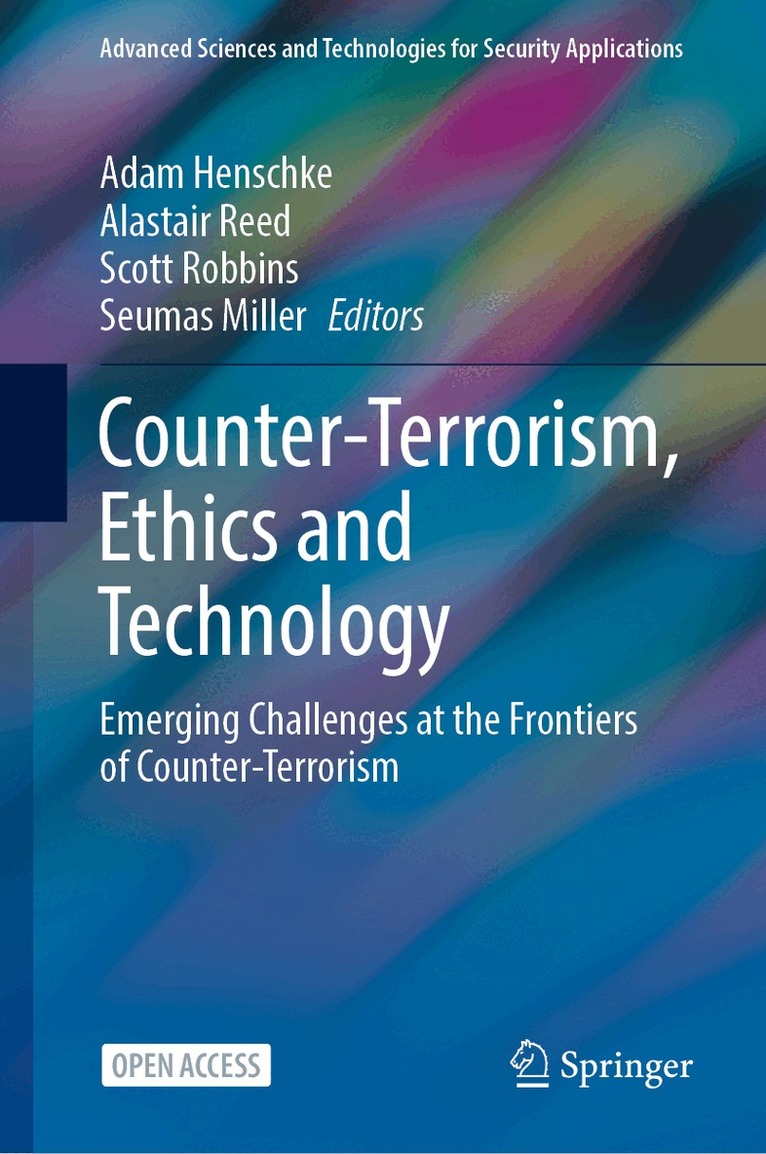
Counter-Terrorism, Ethics and Technology
Emerging Challenges at the Frontiers of Counter-Terrorism
Inbunden, Engelska, 2021
536 kr
Skickas inom 10-15 vardagar
This open access book brings together a range of contributions that seek to explore the ethical issues arising from the overlap between counter-terrorism, ethics, and technologies.
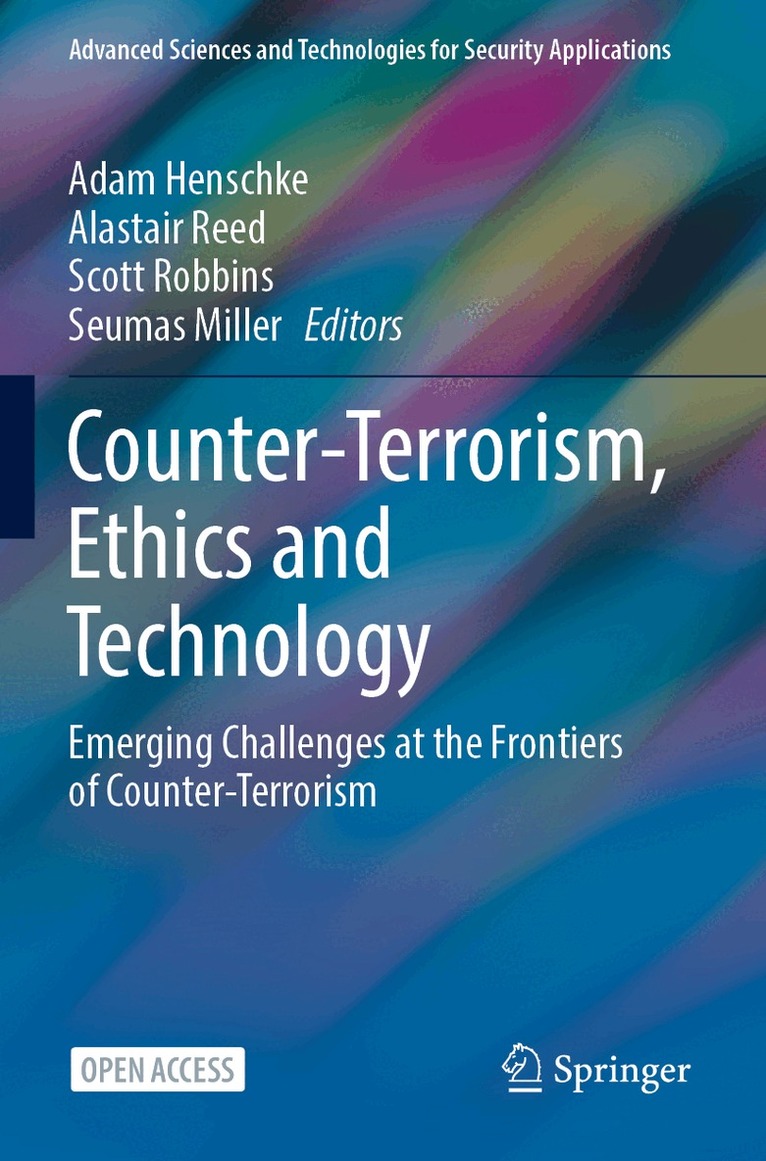
Counter-Terrorism, Ethics and Technology
Emerging Challenges at the Frontiers of Counter-Terrorism
Häftad, Engelska, 2021
430 kr
Skickas inom 10-15 vardagar
This open access book brings together a range of contributions that seek to explore the ethical issues arising from the overlap between counter-terrorism, ethics, and technologies.