
Duncan Money - Böcker
Visar alla böcker från författaren Duncan Money. Handla med fri frakt och snabb leverans.
6 produkter
6 produkter
2 150 kr
Skickas inom 10-15 vardagar
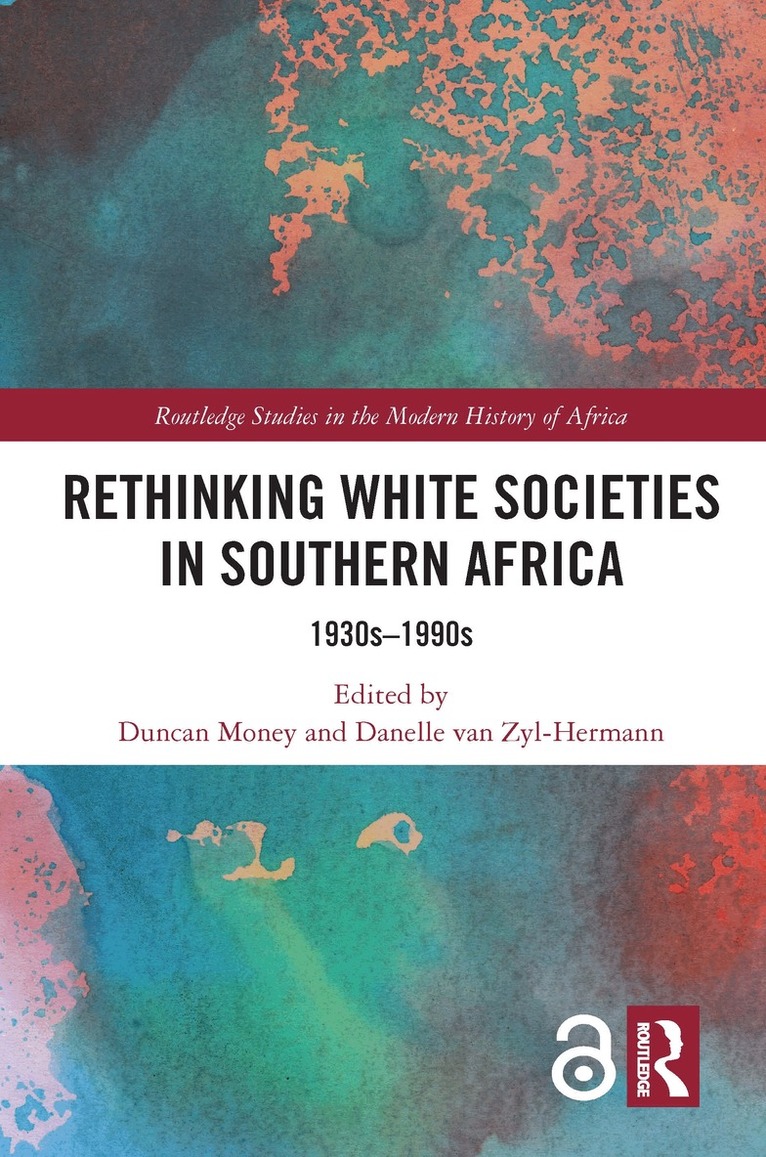
This book showcases new research by emerging and established scholars on white workers and the white poor in Southern Africa. Rethinking White Societies in Southern Africa challenges the geographical and chronological limitations of existing scholarship by presenting case studies from Angola, Mozambique, South Africa, Zambia and Zimbabwe that track the fortunes of nonhegemonic whites during the era of white minority rule. Arguing against prevalent understandings of white society as uniformly wealthy or culturally homogeneous during this period, it demonstrates that social class remained a salient element throughout the twentieth century, how Southern Africa’s white societies were often divided and riven with tension and how the resulting social, political and economic complexities animated white minority regimes in the region. Addressing themes such as the class-based disruption of racial norms and practices, state surveillance and interventions – and their failures – towards nonhegemonic whites, and the opportunities and limitations of physical and social mobility, the book mounts a forceful argument for the regional consideration of white societies in this historical context. Centrally, it extends the path-breaking insights emanating from scholarship on racialized class identities from North America to the African context to argue that race and class cannot be considered independently in Southern Africa. This book will be of interest to scholars and students of southern African studies, African history, and the history of race.
982 kr
Skickas inom 7-10 vardagar
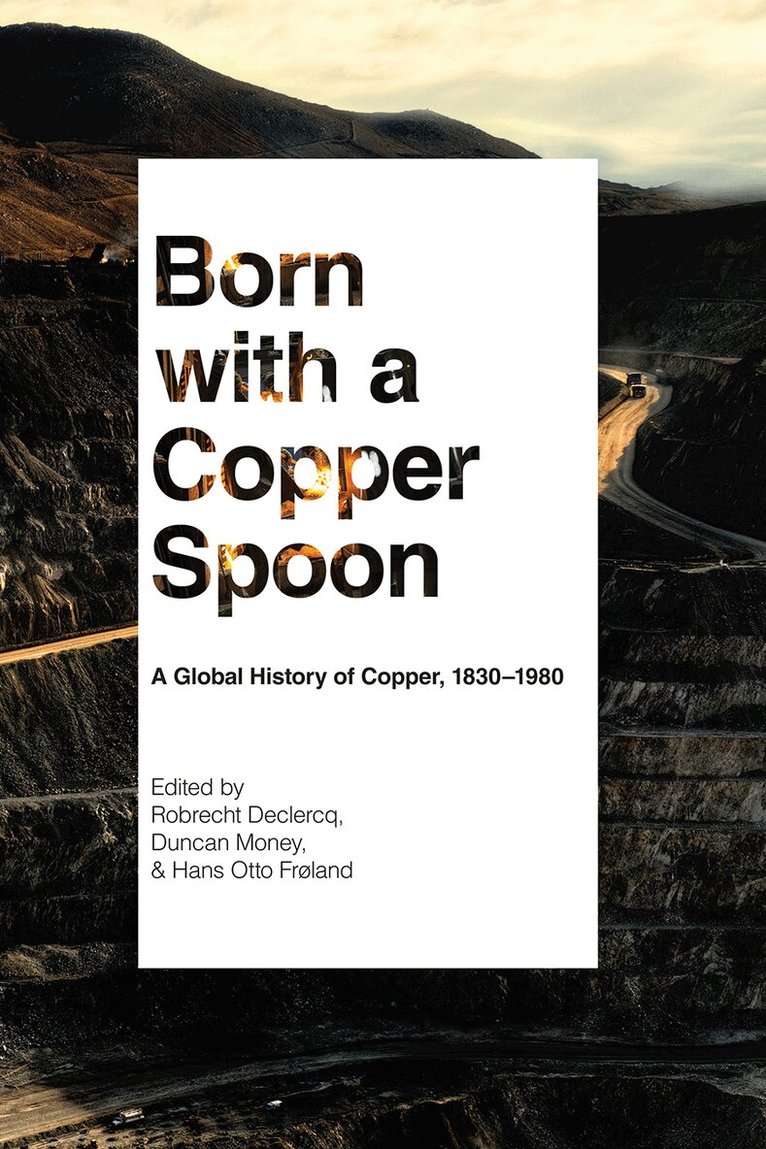
Over the past two centuries, industrial societies hungry for copper – essential for light, power, and communication – have demanded ever-increasing quantities of the metal. Born with a Copper Spoon examines how the metal has been produced, distributed, controlled, and sold on a global scale. However, this is not simply a narrative of ever-increasing and deepening global connections. It is also about periods of deglobalization, fragmentation, and attempts to sever connections. Throughout history, copper production has spawned its own practices, technologies, and a constantly changing political economy. Large-scale production has affected ecologies, states, and companies, while creating and even destroying local communities dependent on volatile commodity markets. Former president of Zambia Kenneth Kaunda once remarked that Zambians were "born with a copper spoon in our mouths," but few societies managed to profit from copper's abundance.From copper cartels and the futures market to the consequences of resource nationalism, Born with a Copper Spoon delivers a global perspective on one of the world's most important metals.
410 kr
Skickas
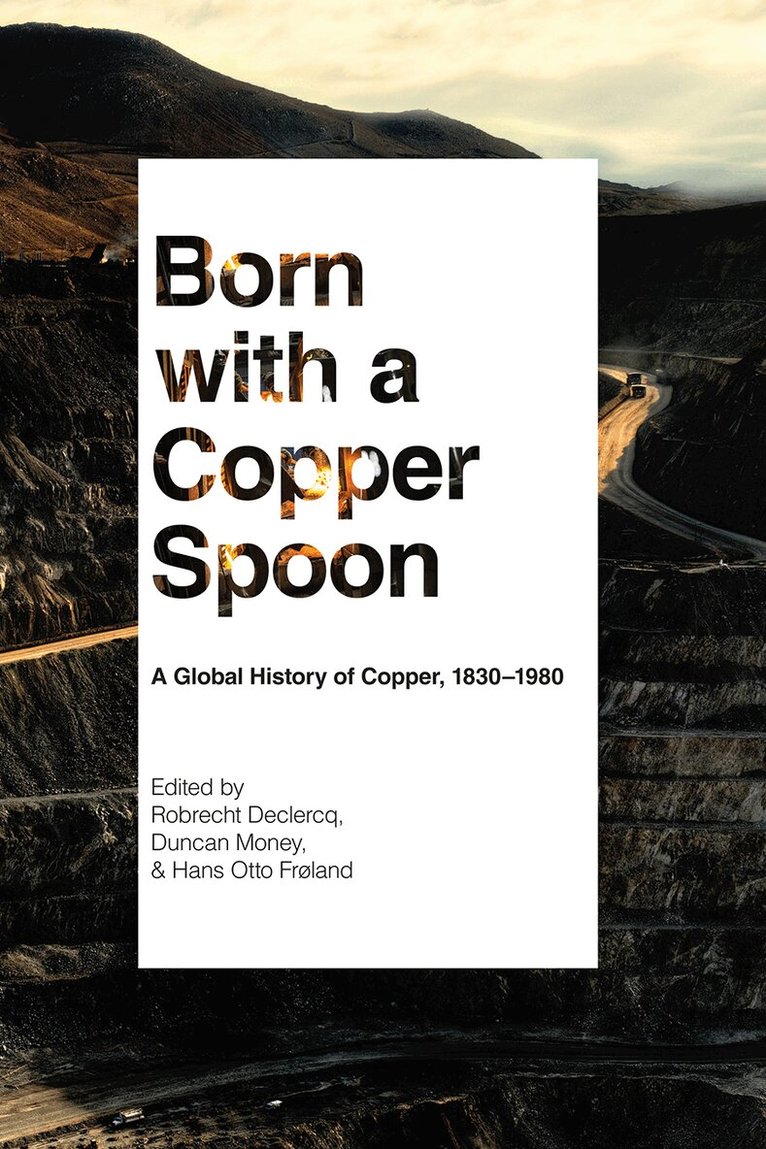
Over the past two centuries, industrial societies hungry for copper – essential for light, power, and communication – have demanded ever-increasing quantities of the metal. Born with a Copper Spoon examines how the metal has been produced, distributed, controlled, and sold on a global scale. However, this is not simply a narrative of ever-increasing and deepening global connections. It is also about periods of deglobalization, fragmentation, and attempts to sever connections. Throughout history, copper production has spawned its own practices, technologies, and a constantly changing political economy. Large-scale production has affected ecologies, states, and companies, while creating and even destroying local communities dependent on volatile commodity markets. Former president of Zambia Kenneth Kaunda once remarked that Zambians were "born with a copper spoon in our mouths," but few societies managed to profit from copper's abundance.From copper cartels and the futures market to the consequences of resource nationalism, Born with a Copper Spoon delivers a global perspective on one of the world's most important metals.
635 kr
Skickas inom 10-15 vardagar
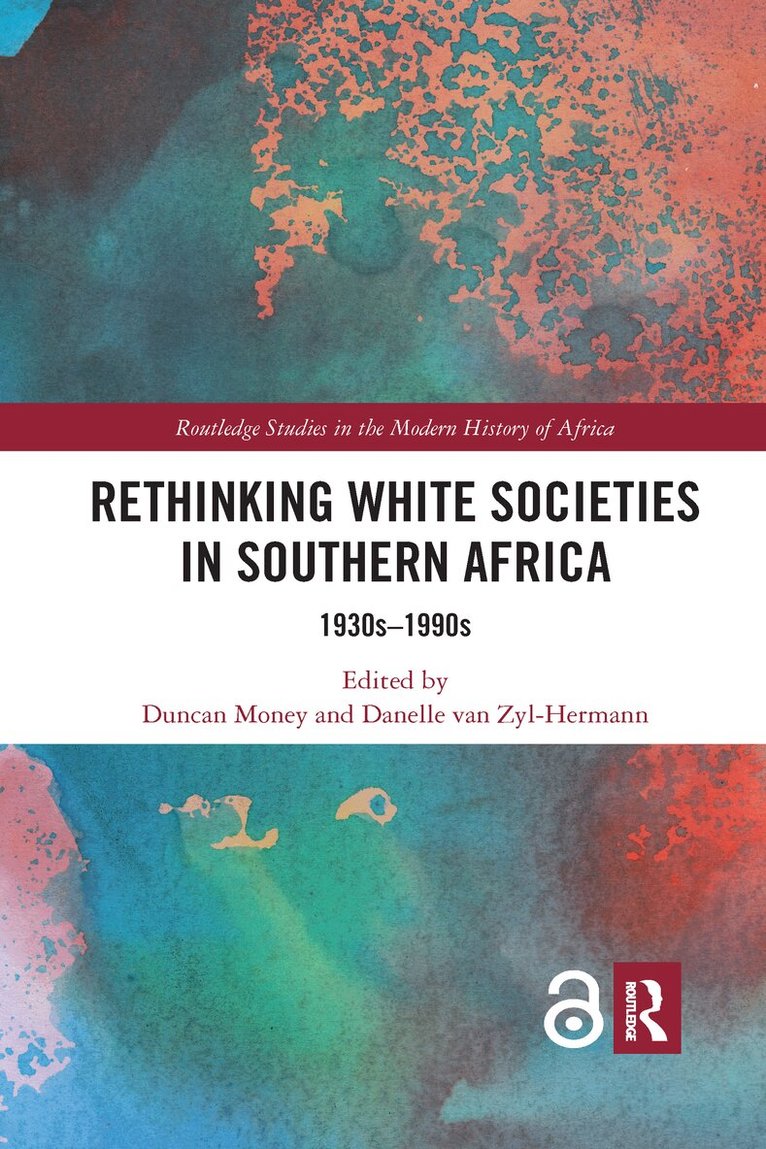
This book showcases new research by emerging and established scholars on white workers and the white poor in Southern Africa. Rethinking White Societies in Southern Africa challenges the geographical and chronological limitations of existing scholarship by presenting case studies from Angola, Mozambique, South Africa, Zambia and Zimbabwe that track the fortunes of nonhegemonic whites during the era of white minority rule. Arguing against prevalent understandings of white society as uniformly wealthy or culturally homogeneous during this period, it demonstrates that social class remained a salient element throughout the twentieth century, how Southern Africa’s white societies were often divided and riven with tension and how the resulting social, political and economic complexities animated white minority regimes in the region. Addressing themes such as the class-based disruption of racial norms and practices, state surveillance and interventions – and their failures – towards nonhegemonic whites, and the opportunities and limitations of physical and social mobility, the book mounts a forceful argument for the regional consideration of white societies in this historical context. Centrally, it extends the path-breaking insights emanating from scholarship on racialized class identities from North America to the African context to argue that race and class cannot be considered independently in Southern Africa. This book will be of interest to scholars and students of southern African studies, African history, and the history of race.

Analysis of David Brion Davis's The Problem of Slavery in the Age of Revolution, 1770-1823
Häftad, Engelska, 2017
95 kr
Skickas
How was it possible for opponents of slavery to be so vocal in opposing the practice, when they were so accepting of the economic exploitation of workers in western factories – many of which were owned by prominent abolitionists? David Brion Davis's The Problem of Slavery in the Age of Revolution, 1770-1823, uses the critical thinking skill of analysis to break down the various arguments that were used to condemn one set of controversial practices, and examine those that were used to defend another. His study allows us to see clear differences in reasoning and to test the assumptions made by each argument in turn. The result is an eye-opening explanation that makes it clear exactly how contemporaries resolved this apparent dichotomy – one that allows us to judge whether the opponents of slavery were clear-eyed idealists, or simply deployers of arguments that pandered to their own base economic interests.
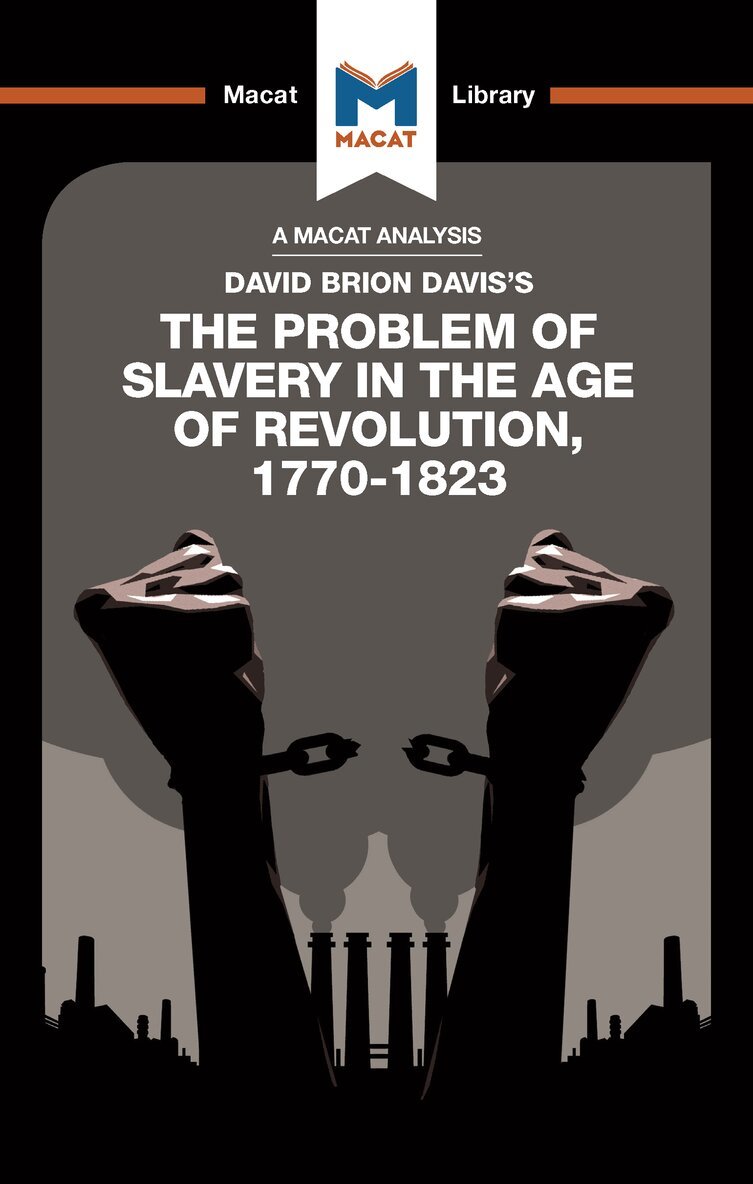
Analysis of David Brion Davis's The Problem of Slavery in the Age of Revolution, 1770-1823
Inbunden, Engelska, 2017
278 kr
Skickas inom 10-15 vardagar
How was it possible for opponents of slavery to be so vocal in opposing the practice, when they were so accepting of the economic exploitation of workers in western factories – many of which were owned by prominent abolitionists? David Brion Davis's The Problem of Slavery in the Age of Revolution, 1770-1823, uses the critical thinking skill of analysis to break down the various arguments that were used to condemn one set of controversial practices, and examine those that were used to defend another. His study allows us to see clear differences in reasoning and to test the assumptions made by each argument in turn. The result is an eye-opening explanation that makes it clear exactly how contemporaries resolved this apparent dichotomy – one that allows us to judge whether the opponents of slavery were clear-eyed idealists, or simply deployers of arguments that pandered to their own base economic interests.