• Fri frakt över 249 kr
  • •
  • Snabba leveranser
  • •
  • Billiga böcker
Kundservice

Du är på sajten för privatpersoner.

Företag, bibliotek eller offentlig verksamhet?

Du handlar på classic.bokus.com, där alla dina funktioner finns intakta.
Till classic.bokus.com
Bokus logotyp. Gå till startsidan.
  • Erbjudanden
  • Nyheter
  • Student
  • Topplistor
  • Barn & ungdom
  • Bokus Play
  • E-böcker
  • Pocketböcker
  • Spel & pussel

10% studentrabatt med kod TERM26

Sidfot

Mina sidor

    Hjälp

    • Kundservice
    • Vanliga frågor och svar
    • Frakt och leverans
    • Retur vid ångerrätt
    • Reklamera vara
    • Betalning
    • Köpvillkor
    • Allmänna villkor
    • Information om webbplatsens tillgänglighet

    Om Bokus

    • Om oss
    • Pressrum
    • För studenter
    • För företag
    • För bibliotek och offentlig verksamhet
    • För leverantörer
    • Hållbarhet

    Populärt

    • Aktuella erbjudanden
    • Presentkort
    • Studentlitteratur
    • Nya böcker
    • Topplistor
    • Signerade böcker
    • Engelska böcker

    Inspiration

    • Boktips
    • BookTok
    • Populära bokserier
    • Barnbokskaraktärer
    • Populära författare
    Logotyp för Bokus
    Följ oss på Facebook (extern länk)Följ oss på Instagram (extern länk)Följ oss på YouTube (extern länk)Följ oss på TikTok (extern länk)
    bokus @ CookiesAnpassa cookiesIntegritetspolicyKöpvillkor
    Till Citymail hemsida (extern länk)Till Budbee hemsida (extern länk)Till Postnord hemsida (extern länk)Till Schenker hemsida (extern länk)Till Early Bird hemsida (extern länk)Till Walleys hemsida (extern länk)
    1. Psykologi och pedagogik
    2. Psykologi

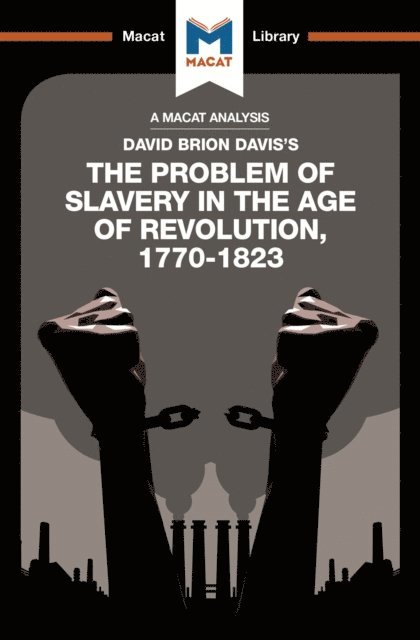
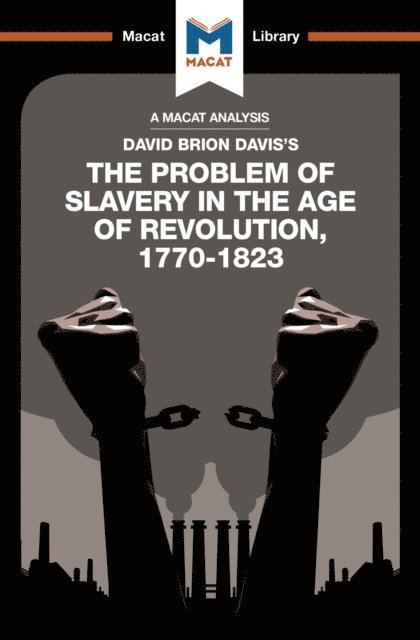
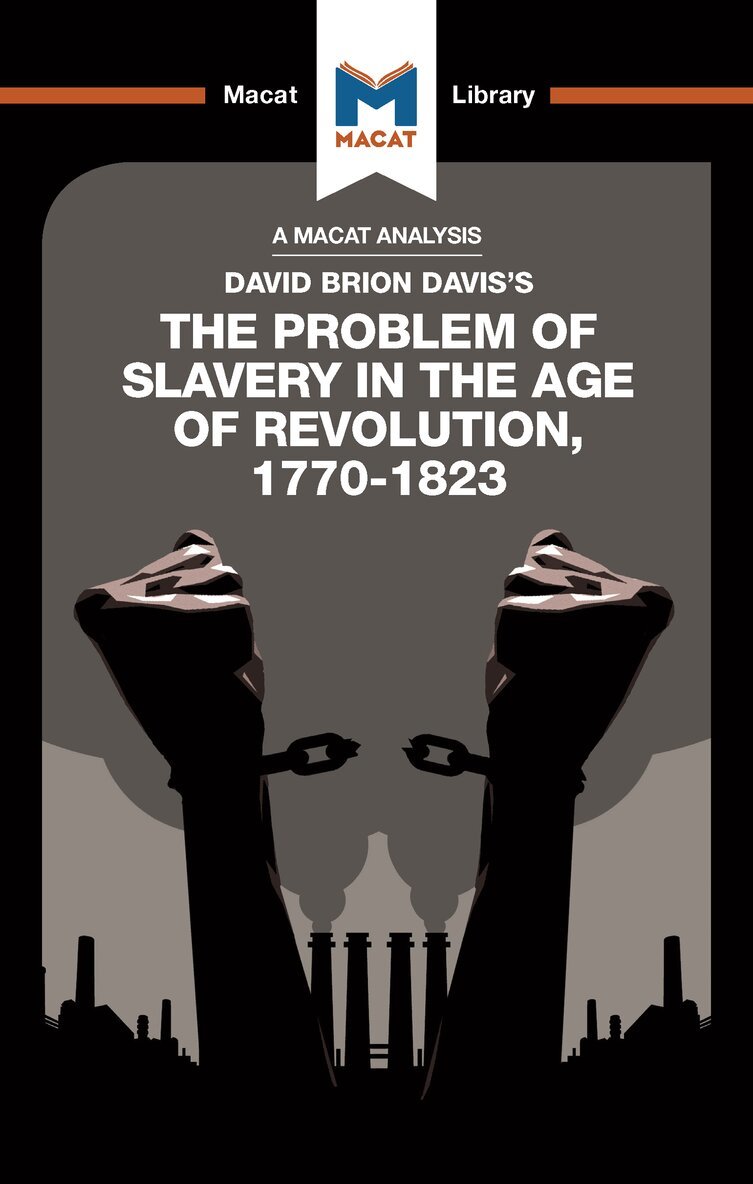
    Analysis of David Brion Davis's The Problem of Slavery in the Age of Revolution, 1770-1823

    AvDuncan Money,Jason Xidas

    Häftad, Engelska, 2017

    Del i serien Macat Library

    99 kr

    Beställningsvara. Skickas inom 10-15 vardagar. Fri frakt över 249 kr.

    Fler format och utgåvor

    Inbunden

    289 kr

    Beskrivning

    How was it possible for opponents of slavery to be so vocal in opposing the practice, when they were so accepting of the economic exploitation of workers in western factories – many of which were owned by prominent abolitionists? David Brion Davis's The Problem of Slavery in the Age of Revolution, 1770-1823, uses the critical thinking skill of analysis to break down the various arguments that were used to condemn one set of controversial practices, and examine those that were used to defend another. His study allows us to see clear differences in reasoning and to test the assumptions made by each argument in turn. The result is an eye-opening explanation that makes it clear exactly how contemporaries resolved this apparent dichotomy – one that allows us to judge whether the opponents of slavery were clear-eyed idealists, or simply deployers of arguments that pandered to their own base economic interests.

    Produktinformation

    • Utgivningsdatum:2017-07-05
    • Mått:129 x 198 x 6 mm
    • Vikt:100 g
    • Format:Häftad
    • Språk:Engelska
    • Serie:Macat Library
    • Antal sidor:96
    • Förlag:Macat International Limited
    • ISBN:9781912128167

    Utforska kategorier

    • Psykologi inom Psykologi och pedagogik
    • Filosofi inom Filosofi och religion
    • Studieteknik och inlärningsförmåga inom Psykologi och pedagogik

    Mer om författaren

    Dr Duncan Money holds a DPhil in History from the University of Oxford, with research focusing on mining in the African Copperbelt. He is currently a Postdoctoral Research Fellow at the International Studies Group, University of the Free State in South Africa. Dr Jason Xidias has held positions at King’s College London, the University of California, Berkeley, and the New College of the Humanities in London.

    Innehållsförteckning

    • Ways in to the Text Who was David Brion Davis? What does The Problem of Slavery in the Age of Revolution, 1770-1823 Say? Why does The Problem of Slavery in the Age of Revolution, 1770-1823 Matter? Section 1: Influences Module 1: The Author and the Historical Context Module 2: Academic Context Module 3: The Problem Module 4: The Author's Contribution Section 2: Ideas Module 5: Main Ideas Module 6: Secondary Ideas Module 7: Achievement Module 8: Place in the Author's Work Section 3: Impact Module 9: The First Responses Module 10: The Evolving Debate Module 11: Impact and Influence Today Module 12: Where Next? Glossary of Terms People Mentioned in the Text Works Cited