
Gilly Sharpe - Böcker
Visar alla böcker från författaren Gilly Sharpe. Handla med fri frakt och snabb leverans.
5 produkter
5 produkter
1 735 kr
Skickas inom 3-6 vardagar
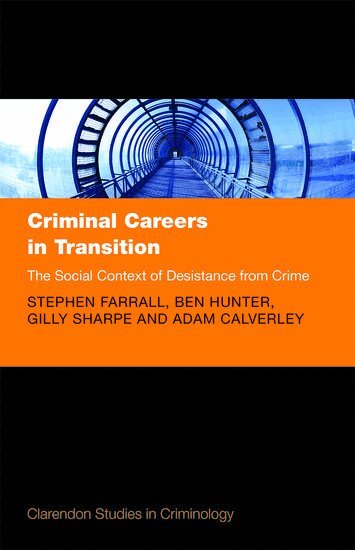
Continuing previous work exploring why people stop offending, and the processes by which they are rehabilitated in the community, Criminal Careers in Transition: The Social Context of Desistance from Crime follows the completion of a fifth sweep of interviews with members of a cohort of former probationers interviewed since the late-1990s. The research undertaken since the inception of the project in 1996 has focused on developing a long-term evidence base, rather than a rapid assessment, examining whether (and how) probation supervision assists desistance from crime. Building on interviews from previous sweeps, the authors continue their exploration into the needs identified by probation officers and probationers, the extent to which these have been successfully met over the medium to long-term, and whether this suggests that probation helps probationers to desist. The authors argue that probation supervision did indeed help the probationers, but that this had taken a long time to 'bear fruit' and was related to other social and personal changes. There is discussion of a number of key topics, including sample members' continued social and personal development (including the impact of parenthood on them) and their motivation to change and maintain a law-abiding lifestyle, as well as their experiences of dealing with the stigma of a criminal record and the long-term process of 'remaking' themselves. This core empirical research and analysis is framed by a comprehensive review of not only the contemporary literature on desistance and reoffending, but also what constitutes a successful and effective research design in this field. Whilst there have been several attempts to develop theories of desistance, few have attempted to understand and theorise the long-term impacts of probation supervision. Criminal Careers in Transition addresses this by building an account of the processes which help to shape the speed, nature, and direction of an individual's efforts to avoid further offending and, thus, develop a theory of assisted desistance. The book continues the authors' exploration of the emotional trajectories of crime, victimisation, and desistance and the role of citizenship values in pathways out of crime, as well as original research into the spatial dynamics of desistance.
752 kr
Skickas inom 10-15 vardagar
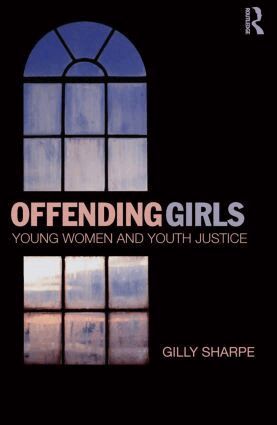
At the dawn of the twenty-first century, panic about girls’ offending in Britain reached fever pitch. No longer sugar and spice, a ‘new breed’ of girl, the hedonistic, violent, binge-drinking ‘ladette’, was reported to have emerged. At the same time, the number of young women entering the youth justice system, including youth custody, increased dramatically. Offending Girls challenges simplistic and demonising popular representations of 'bad' girls and examines what exactly is new about the ‘new’ offending girl. In the light of enormous social and cultural changes affecting girls’ lives, and expectations of them, since previous British research in this area, the book investigates whether popular stereotypes problematising female youthful behaviour resonate with the accounts of criminalised young women themselves, and to what extent they have infiltrated professional youth justice discourse. Through the lens of original detailed qualitative research in two Youth Offending Teams and a Secure Training Centre – the first study of its kind since the 'modernisation' of the youth justice system over a decade ago – Offending Girls questions whether the ‘new’ youth justice system is delivering justice for girls and young women. It also contends that the panic about an ‘unprecedented crime wave’ amongst girls is not supported by robust evidence, but that the interventionist thrust which characterises contemporary youth justice has had a particularly pernicious impact on girls.It will be key reading for students and academics working in the areas of criminology, criminal and youth justice, education, gender studies, youth studies, social work, sociology and social policy, as well as youth and criminal justice practitioners and policy-makers.
Women, Stigma, and Desistance from Crime
Precarious Identities in the Transition to Adulthood
Häftad, Engelska, 2025
530 kr
Skickas inom 10-15 vardagar
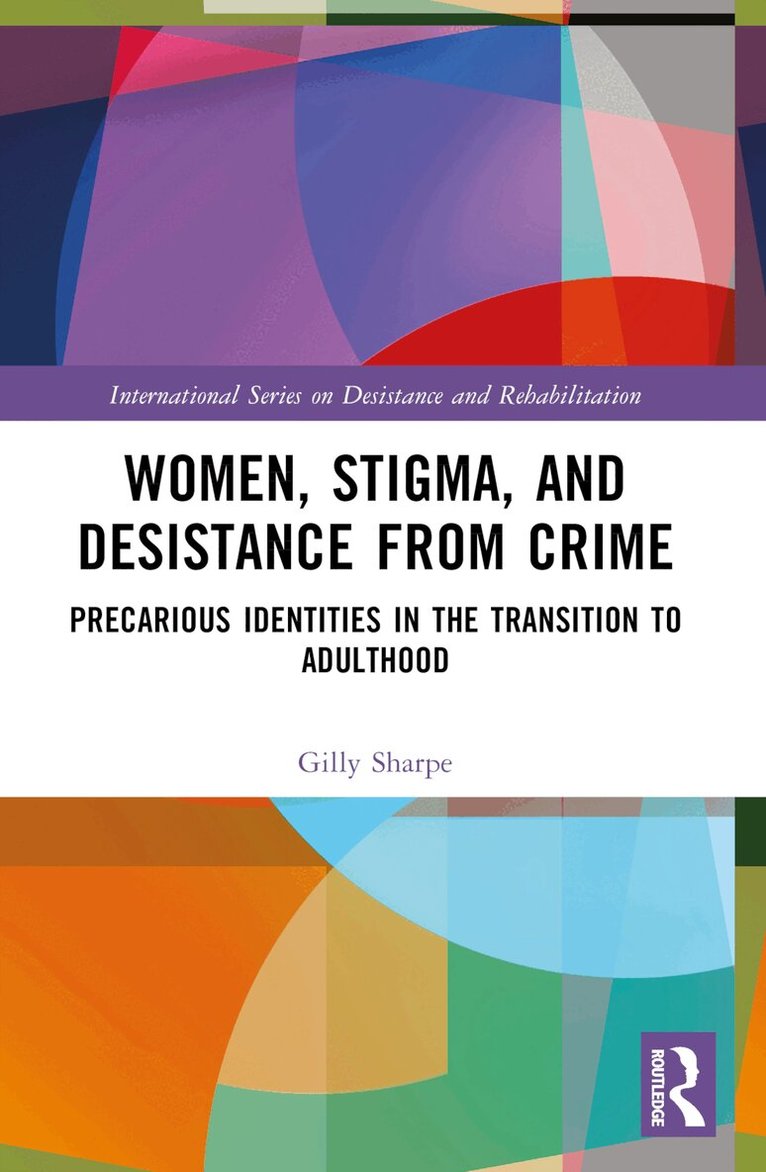
How do young women negotiate their identity in the shadow of a criminal past? What expectations can these women have and what constraints do they face in embracing change and reform?In this new book, Gilly Sharpe returns to the group of women interviewed in her bestselling book Offending Girls, to ask these questions and more. Building on wide-ranging interviews with young adult women who have experienced a highly punitive climate in both youth justice and welfare policy, this book analyses their vivid personal accounts of stigmatisation and devaluation as former lawbreakers, welfare claimants and mothers, and examines their gendered transitions from youth criminalisation into adulthood. Women, Stigma, and Desistance from Crime exposes how stigma, which is rooted in structural inequality and thrives in societies with deep economic and social divisions, devalues working-class and marginalised women and diminishes their lives. It offers a unique analysis of how criminal stigma is shaped by class-based condescension, welfare inaction and school-based disciplinary punishment, and reveals how stigma is reproduced over time across education, welfare, and penal institutions.Meticulously researched and the first study to examine how the lives of young women previously enmeshed in the youth justice system unfold as they transition to adulthood, this book will be of interest to scholars and students of criminology and criminal justice, sociology, social work, social policy, gender and youth studies, and to practitioners and policy-makers in these fields.
Women, Stigma, and Desistance from Crime
Precarious Identities in the Transition to Adulthood
Inbunden, Engelska, 2023
1 953 kr
Skickas inom 10-15 vardagar
How do young women negotiate their identity in the shadow of a criminal past? What expectations can these women have and what constraints do they face in embracing change and reform?In this new book, Gilly Sharpe returns to the group of women interviewed in her bestselling book Offending Girls, to ask these questions and more. Building on wide-ranging interviews with young adult women who have experienced a highly punitive climate in both youth justice and welfare policy, this book analyses their vivid personal accounts of stigmatisation and devaluation as former lawbreakers, welfare claimants and mothers, and examines their gendered transitions from youth criminalisation into adulthood. Women, Stigma, and Desistance from Crime exposes how stigma, which is rooted in structural inequality and thrives in societies with deep economic and social divisions, devalues working-class and marginalised women and diminishes their lives. It offers a unique analysis of how criminal stigma is shaped by class-based condescension, welfare inaction and school-based disciplinary punishment, and reveals how stigma is reproduced over time across education, welfare, and penal institutions.Meticulously researched and the first study to examine how the lives of young women previously enmeshed in the youth justice system unfold as they transition to adulthood, this book will be of interest to scholars and students of criminology and criminal justice, sociology, social work, social policy, gender and youth studies, and to practitioners and policy-makers in these fields.
2 155 kr
Skickas inom 10-15 vardagar
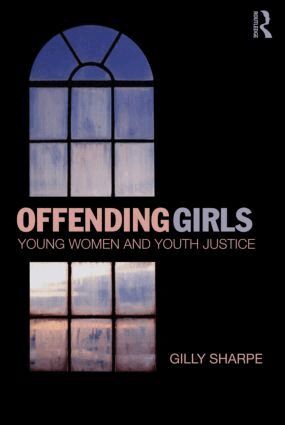
At the dawn of the twenty-first century, panic about girls’ offending in Britain reached fever pitch. No longer sugar and spice, a ‘new breed’ of girl, the hedonistic, violent, binge-drinking ‘ladette’, was reported to have emerged. At the same time, the number of young women entering the youth justice system, including youth custody, increased dramatically. Offending Girls challenges simplistic and demonising popular representations of 'bad' girls and examines what exactly is new about the ‘new’ offending girl. In the light of enormous social and cultural changes affecting girls’ lives, and expectations of them, since previous British research in this area, the book investigates whether popular stereotypes problematising female youthful behaviour resonate with the accounts of criminalised young women themselves, and to what extent they have infiltrated professional youth justice discourse. Through the lens of original detailed qualitative research in two Youth Offending Teams and a Secure Training Centre – the first study of its kind since the 'modernisation' of the youth justice system over a decade ago – Offending Girls questions whether the ‘new’ youth justice system is delivering justice for girls and young women. It also contends that the panic about an ‘unprecedented crime wave’ amongst girls is not supported by robust evidence, but that the interventionist thrust which characterises contemporary youth justice has had a particularly pernicious impact on girls.It will be key reading for students and academics working in the areas of criminology, criminal and youth justice, education, gender studies, youth studies, social work, sociology and social policy, as well as youth and criminal justice practitioners and policy-makers.