
Jim W. Hall - Böcker
Visar alla böcker från författaren Jim W. Hall. Handla med fri frakt och snabb leverans.
6 produkter
6 produkter
729 kr
Skickas inom 10-15 vardagar
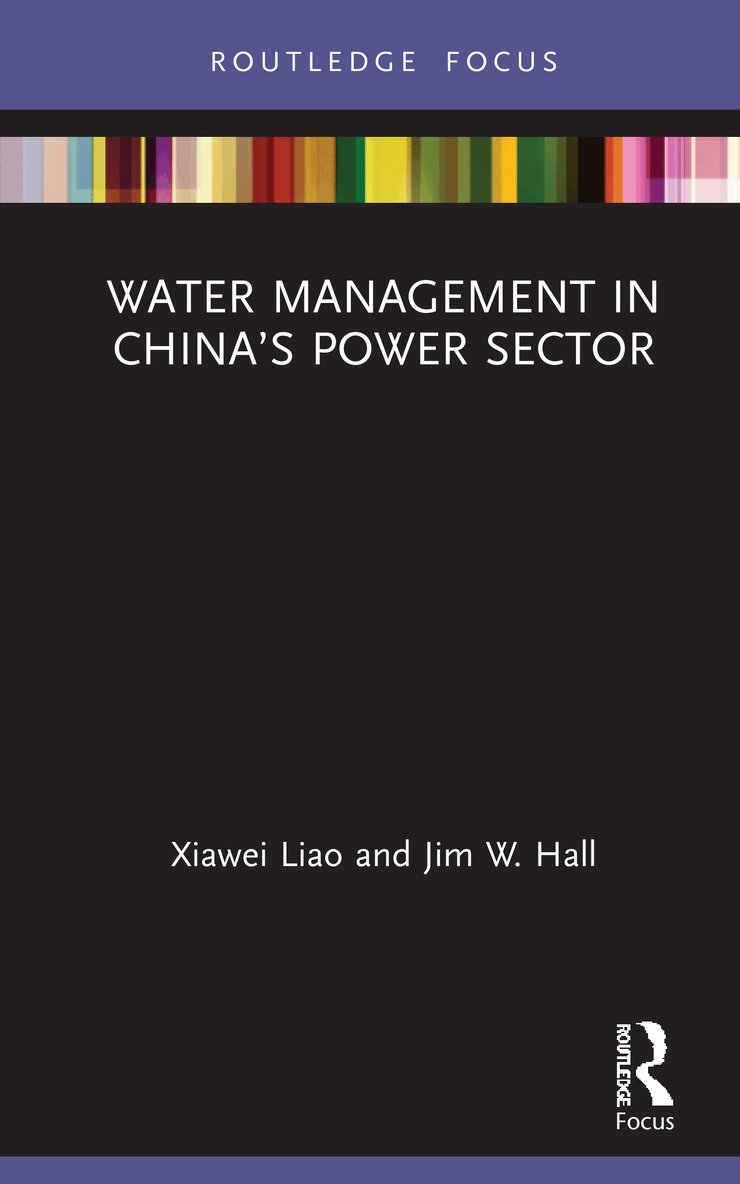
This book examines water resource management in China’s electric power sector and the implications for energy provision in the face of an emerging national water crisis and global climate change. Over 75% of China’s current electricity comes from coal. Coal-fired power plants are reliant on water, with plants using significant volumes of water every year, yet water resources are unevenly distributed. In the face of serious environmental concerns and increasing electricity demand, this book examines the environmental impacts that coal power plants have on water resources and the impact water availability has on the electricity sector in a country with a significant number of water-scarce provinces and a large number of power plants located on inland waterways. It discusses the water impacts and constraints for transforming the electric power sector away from coal to renewable energy sources, such as hydropower and concentrated solar power. The book adopts a mix-method approach, combining a plant-level quantitative analysis on water impacts and dependencies in China’s electricity sector and a qualitative analysis of relevant institutions in both sectors. By reviewing policy and institution cases in China’s water and electricity sectors, the book provides important recommendations calling for coordinated institutions to shift away from the current paradigm where water and electricity are governed independently. Enriching the water-energy nexus literature, this book will be of great interest to students and scholars working on water resource management, energy industries and Chinese environmental policy, as well as policymakers and practitioners in those fields.
279 kr
Skickas inom 10-15 vardagar
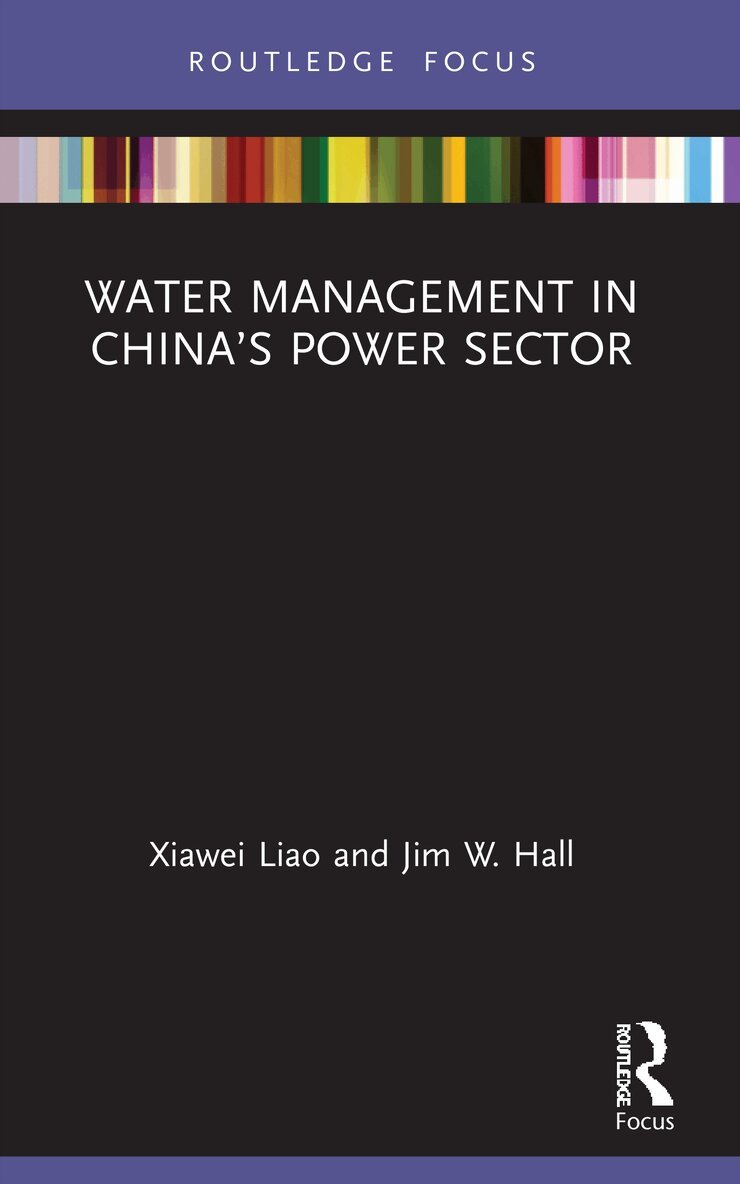
This book examines water resource management in China’s electric power sector and the implications for energy provision in the face of an emerging national water crisis and global climate change. Over 75% of China’s current electricity comes from coal. Coal-fired power plants are reliant on water, with plants using significant volumes of water every year, yet water resources are unevenly distributed. In the face of serious environmental concerns and increasing electricity demand, this book examines the environmental impacts that coal power plants have on water resources and the impact water availability has on the electricity sector in a country with a significant number of water-scarce provinces and a large number of power plants located on inland waterways. It discusses the water impacts and constraints for transforming the electric power sector away from coal to renewable energy sources, such as hydropower and concentrated solar power. The book adopts a mix-method approach, combining a plant-level quantitative analysis on water impacts and dependencies in China’s electricity sector and a qualitative analysis of relevant institutions in both sectors. By reviewing policy and institution cases in China’s water and electricity sectors, the book provides important recommendations calling for coordinated institutions to shift away from the current paradigm where water and electricity are governed independently. Enriching the water-energy nexus literature, this book will be of great interest to students and scholars working on water resource management, energy industries and Chinese environmental policy, as well as policymakers and practitioners in those fields.
1 613 kr
Skickas inom 7-10 vardagar
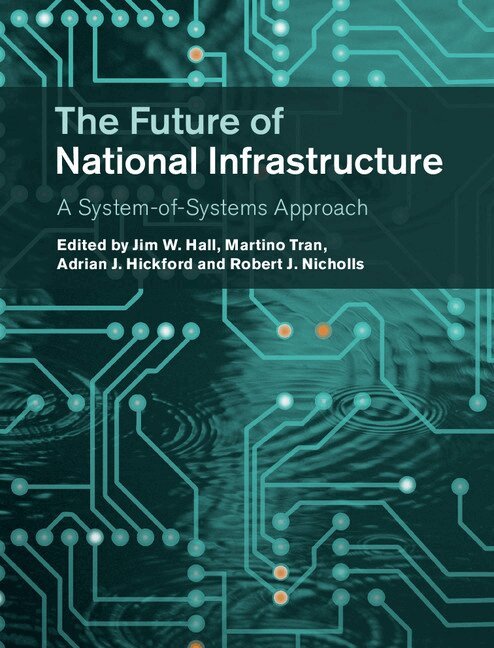
Infrastructure forms the economic backbone of modern society. It is a key determinant of economic competitiveness, social well-being and environmental sustainability. Yet infrastructure systems (energy, transport, water, waste and ICT) in advanced economies globally face serious challenges. For the first time, a leading team of researchers sets out a systematic approach to making long-term choices about national infrastructure systems. Great Britain is used as a case study to demonstrate how the methodologies and accompanying models can be effectively applied in a national infrastructure assessment. Lessons and insights for other industrialised nations and emerging economies are highlighted, demonstrating practical scenarios for delivering infrastructure services in a wide range of future socio-economic and environmental conditions. The Future of National Infrastructure provides practitioners, policy-makers, and academics with the concepts, models and tools needed to identify and test robust, sustainable, and resilient strategies for the provision of national infrastructure.

1 077 kr
Skickas inom 11-20 vardagar
Provides an in-depth look at science, policy and management in the water sector across the globeSustainable water management is an increasingly complex challenge and policy priority facing global society. This book examines how governments, municipalities, corporations, and individuals find sustainable water management pathways across competing priorities of water for ecosystems, food, energy, economic growth and human consumption. It looks at the current politics and economics behind the management of our freshwater ecosystems and infrastructure and offers insightful essays that help stimulate more intense and informed debate about the subject and its need for local and international cooperation.This book celebrates the 15-year anniversary of Oxford University’s MSc course in Water Science, Policy and Management. Edited and written by some of the leading minds in the field, writing alongside alumni from the course, Water Science, Policy and Management: A Global Challenge offers in-depth chapters in three parts: Science; Policy; and Management. Topics cover: hydroclimatic extremes and climate change; the past, present, and future of groundwater resources; water quality modelling, monitoring, and management; and challenges for freshwater ecosystems. The book presents critical views on the monitoring and modelling of hydrological processes; the rural water policy in Africa and Asia; the political economy of wastewater in Europe; drought policy management and water allocation. It also examines the financing of water infrastructure; the value of wastewater; water resource planning; sustainable urban water supply and the human right to water. Features perspectives from some of the world’s leading experts on water policy and managementIdentifies and addresses current and future water sector challengesCharts water policy trends across a rapidly evolving set of challenges in a variety of global areasCovers the reallocation of water; policy process of risk management; the future of the world’s water under global environmental change; and moreWater Science, Policy and Management: A Global Challenge is an essential book for policy makers and government agencies involved in water management, and for undergraduate and postgraduate students studying water science, governance, and policy.
1 584 kr
Skickas inom 10-15 vardagar
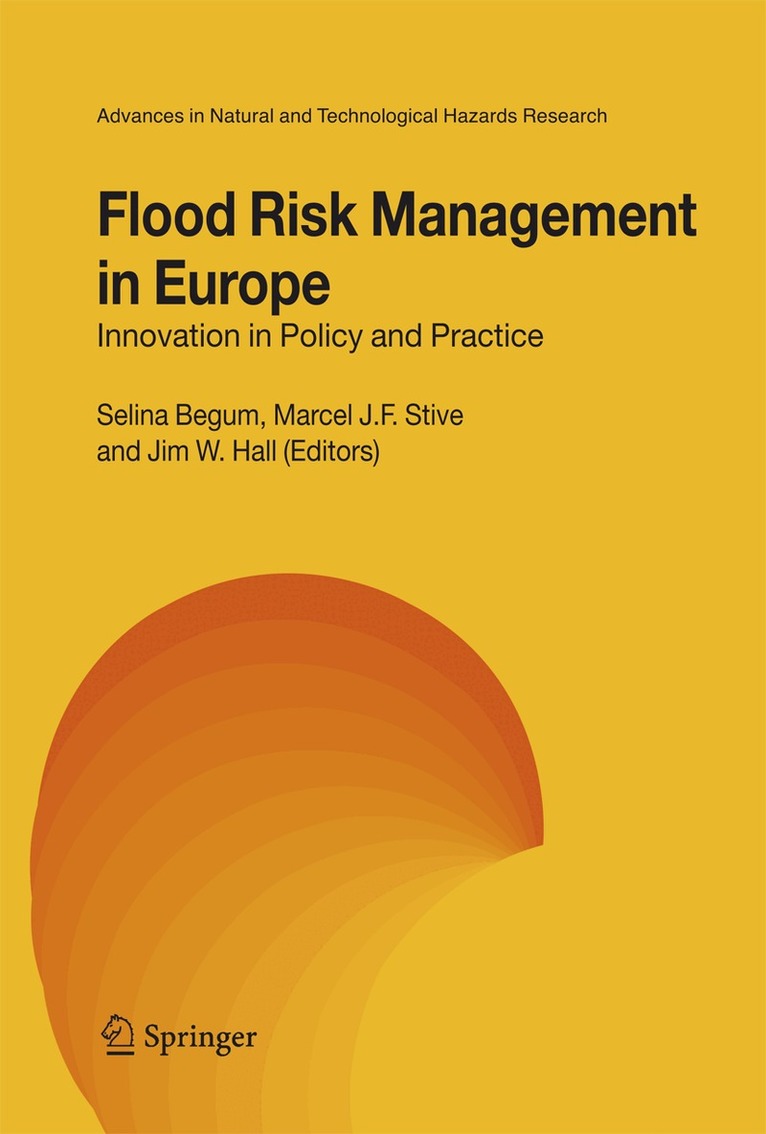
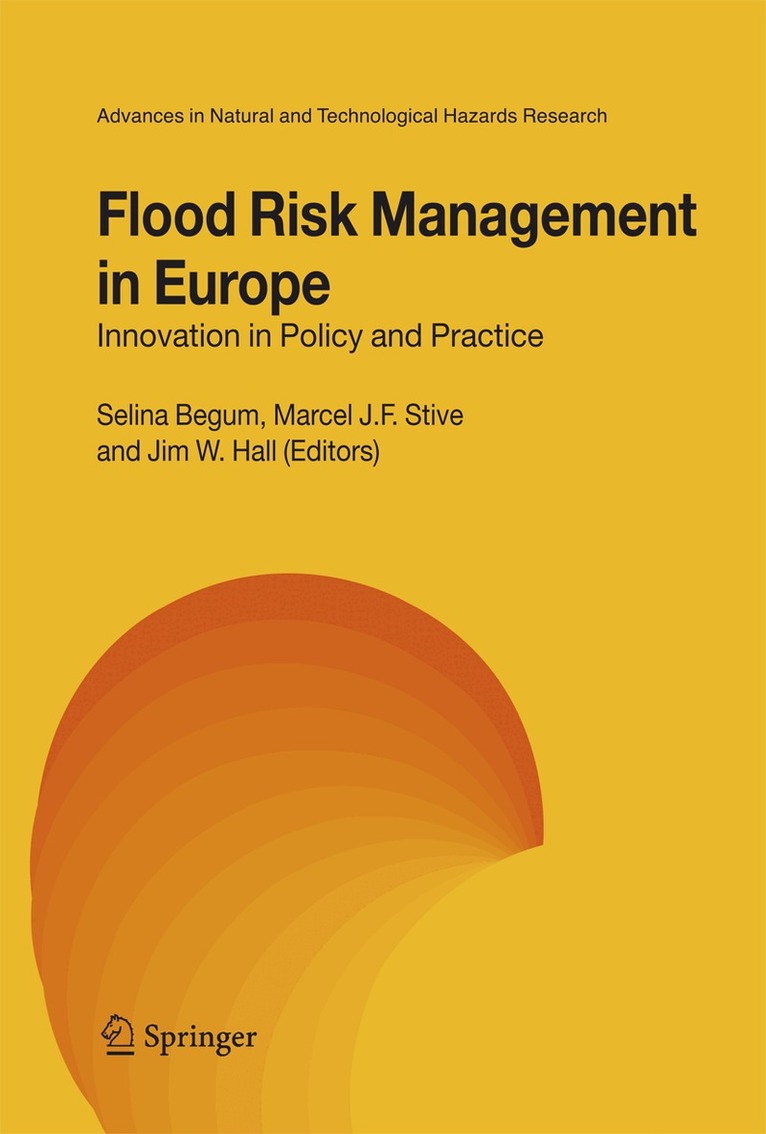
In recent years major floods have occurred across Europe causing serious damages and huge financial implications. Flood risk and vulnerability is increasing with increased frequency of occurrence of extreme events due to climate change, changes in land-use, encroachment into floodplains and increasing economic value of assets and businesses. Human lives, property, environment and socio-economics are at increasing risk due to flooding. Recent alarming events in Central Europe, UK and The Netherlands have provided renewed impetus to the development of improved policies and techniques for flood risk management across Europe. Sharing of knowledge and understanding of the practical problems, dilemmas and challenges will aid in the development and implementation of new technologies and strategies of the challenging issues of flood risk management in Europe.This valuable edition brings together 26 peer reviewed articles on technical, socio-economic, environmental and policy aspects of flood risk management. These articles contribute to the five sections with the general themes: i) flood risk management practice, ii) flood events and impacts, iii) flood analysis and modelling iv) flood forecasting and v) flood risk management policy. Some emerging technologies are presented and several future challenges are identified. Thus the book Flood Risk Management in Europe: Innovation in Policy and Practice with a multi-disciplinary combination of articles will form an excellent reference for the engineers, scientists, planners, policy-makers, researchers, insurance industry and all the practitioners involved in flood risk management, and its sub-disciplines in engineering, hydrology, environmental studies, coastal management, economics and public policy.
1 409 kr
Skickas inom 5-8 vardagar
In recent years major floods have occurred across Europe causing serious damages and huge financial implications. Flood risk and vulnerability is increasing with increased frequency of occurrence of extreme events due to climate change, changes in land-use, encroachment into floodplains and increasing economic value of assets and businesses. Human lives, property, environment and socio-economics are at increasing risk due to flooding. Recent alarming events in Central Europe, UK and The Netherlands have provided renewed impetus to the development of improved policies and techniques for flood risk management across Europe. Sharing of knowledge and understanding of the practical problems, dilemmas and challenges will aid in the development and implementation of new technologies and strategies of the challenging issues of flood risk management in Europe.This valuable edition brings together 26 peer reviewed articles on technical, socio-economic, environmental and policy aspects of flood risk management. These articles contribute to the five sections with the general themes: i) flood risk management practice, ii) flood events and impacts, iii) flood analysis and modelling iv) flood forecasting and v) flood risk management policy. Some emerging technologies are presented and several future challenges are identified. Thus the book Flood Risk Management in Europe: Innovation in Policy and Practice with a multi-disciplinary combination of articles will form an excellent reference for the engineers, scientists, planners, policy-makers, researchers, insurance industry and all the practitioners involved in flood risk management, and its sub-disciplines in engineering, hydrology, environmental studies, coastal management, economics and public policy.