
S. Orestis Palermos - Böcker
Visar alla böcker från författaren S. Orestis Palermos. Handla med fri frakt och snabb leverans.
6 produkter
6 produkter

1 461 kr
Skickas inom 5-8 vardagar
One of the most important research programmes in contemporary cognitive science is that of extended cognition, whereby features of a subject's cognitive environment can in certain conditions become constituent parts of the cognitive process itself. The aim of this volume is to explore the epistemological ramifications of this idea. The volume brings together a range of distinguished and emerging academics, from a variety of different perspectives, to investigate the very idea of an extended epistemology. The first part of the volume explores foundational issues with regard to an extended epistemology, including from a critical perspective. The second part of the volume examines the applications of extended epistemology and the new theoretical directions that it might take us. These include its ethical ramifications, its import to the epistemology of education and emerging digital technologies, and how this idea might dovetail with certain themes in Chinese philosophy.

1 608 kr
Skickas inom 3-6 vardagar
Socially Extended Epistemology explores the epistemological ramifications of one of the most important research programmes in contemporary cognitive science: distributed cognition. In certain conditions, according to this programme, groups of people can generate distributed cognitive systems that consist of all participating members. This volume brings together a range of distinguished and early career academics, from a variety of different perspectives, to investigate the very idea of socially extended epistemology. They ask, for example: can distributed cognitive systems generate knowledge in a similar way to individuals? And if so, how, if at all, does this kind of knowledge differ from normal, individual knowledge? The first part of the volume examines foundational issues, including from a critical perspective. The second part of the volume turns to applications of this idea, and the new theoretical directions that it might take us. These include the ethical ramifications of socially extended epistemology, its societal impact, and its import for emerging digital technologies.
2 100 kr
Skickas inom 10-15 vardagar
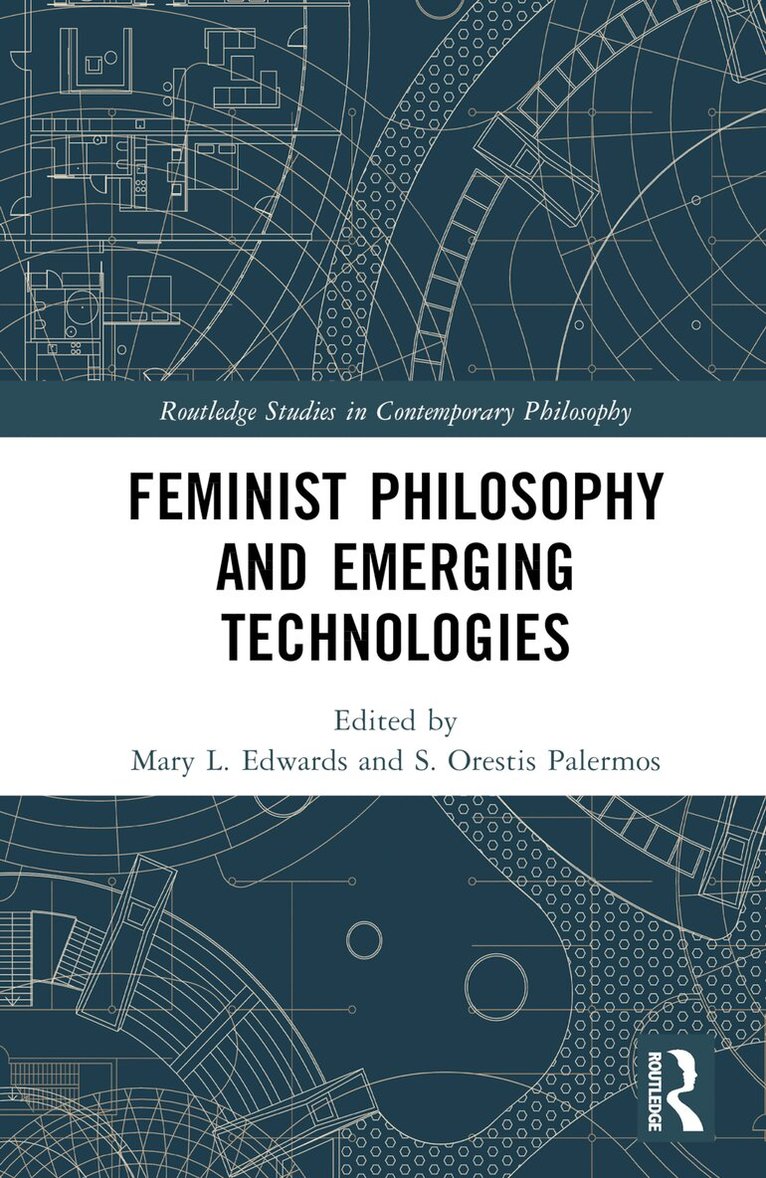
This volume explores urgent questions surrounding the bidirectional relationship between feminist philosophy and emerging technologies. It underlines the exigency of feminist philosophical reflections on the design, use, and understanding of emerging technologies and at the same time accentuates how emerging technologies can uniquely impact the shape of future feminist critique and intervention.While feminist philosophers have attended to problems posed by a few specific technologies that emerged in the previous century—especially reproductive technologies—broader philosophical questions concerning the challenges various new technologies present to feminism have yet to receive the sustained, critical attention they deserve. Feminist Philosophy and Emerging Technologies responds to this problem. It is divided into two sections. Section 1 provides theoretical considerations about the links between feminist philosophy and philosophy of technology (broadly construed) by developing—against the background of emerging technologies—methodological approaches and guidance for bringing those two fields of philosophical research together. Section 2 is dedicated to analyses of specific emerging technologies and user trends, their relation to extant structures of oppression, and to bringing to the fore various ways in which a feminist philosophy of technology can impact the design of current and future technologies.Feminist Philosophy and Emerging Technologies is an excellent resource for scholars and advanced students working in feminist philosophy, philosophy of technology, ethics, political philosophy, feminist theory, gender and cultural studies, and science and technology studies.
539 kr
Skickas inom 10-15 vardagar
This volume explores urgent questions surrounding the bidirectional relationship between feminist philosophy and emerging technologies. It underlines the exigency of feminist philosophical reflections on the design, use, and understanding of emerging technologies and at the same time accentuates how emerging technologies can uniquely impact the shape of future feminist critique and intervention.While feminist philosophers have attended to problems posed by a few specific technologies that emerged in the previous century—especially reproductive technologies—broader philosophical questions concerning the challenges various new technologies present to feminism have yet to receive the sustained, critical attention they deserve. Feminist Philosophy and Emerging Technologies responds to this problem. It is divided into two sections. Section 1 provides theoretical considerations about the links between feminist philosophy and philosophy of technology (broadly construed) by developing—against the background of emerging technologies—methodological approaches and guidance for bringing those two fields of philosophical research together. Section 2 is dedicated to analyses of specific emerging technologies and user trends, their relation to extant structures of oppression, and to bringing to the fore various ways in which a feminist philosophy of technology can impact the design of current and future technologies.Feminist Philosophy and Emerging Technologies is an excellent resource for scholars and advanced students working in feminist philosophy, philosophy of technology, ethics, political philosophy, feminist theory, gender and cultural studies, and science and technology studies.
575 kr
Skickas inom 10-15 vardagar
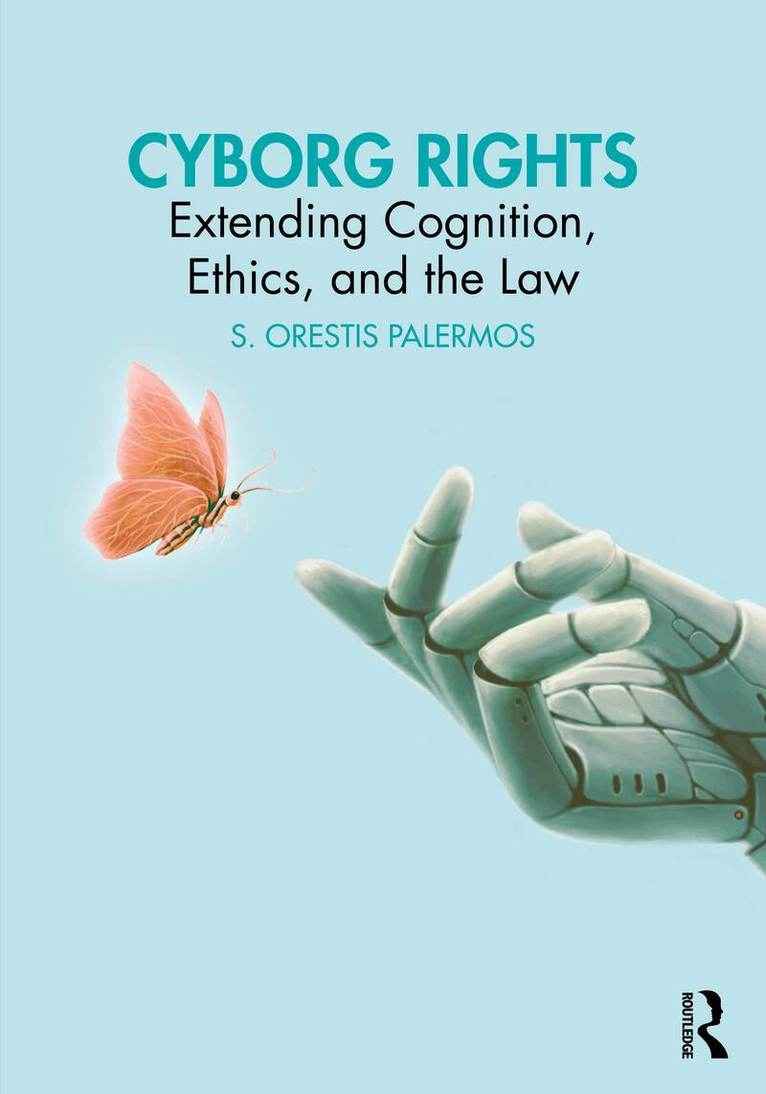
This book explores the ethical, legal, and rights-related ramifications of the Hypothesis of Extended Cognition and the Extended Mind Thesis. Focusing on technologies designed to extend our cognitive and mental capacities, it highlights serious threats associated with their development and deployment—and examines potential strategies for addressing them.The discussion begins with an accessible introduction to the Hypothesis of Extended Cognition and the Extended Mind Thesis, responding to pressing objections and arguing that humans likely already are—or will soon become—cyborgs. Far from science fiction, the rapid advancement of extension technologies—such as invasive brain–computer interfaces—brings this scenario, and its disruptive consequences across ethics, rights, and the law, ever closer to reality. To underscore the stakes, the book focuses on key concerns relating to mental privacy, mental integrity, and extended forms of assault. It also outlines the values and factors we must consider as we transition into a world where the boundaries of the mind are increasingly fluid. Crucially, it argues that both legal and technological safeguards can be developed to mitigate the most troubling effects of cognitive and mental extension.Cyborg Rights is the first book to offer a systematic analysis of this emerging topic, situated at the intersection of the philosophy of mind and cognitive science, ethics, and philosophy of law.
2 103 kr
Skickas inom 10-15 vardagar
This book explores the ethical, legal, and rights-related ramifications of the Hypothesis of Extended Cognition and the Extended Mind Thesis. Focusing on technologies designed to extend our cognitive and mental capacities, it highlights serious threats associated with their development and deployment—and examines potential strategies for addressing them.The discussion begins with an accessible introduction to the Hypothesis of Extended Cognition and the Extended Mind Thesis, responding to pressing objections and arguing that humans likely already are—or will soon become—cyborgs. Far from science fiction, the rapid advancement of extension technologies—such as invasive brain–computer interfaces—brings this scenario, and its disruptive consequences across ethics, rights, and the law, ever closer to reality. To underscore the stakes, the book focuses on key concerns relating to mental privacy, mental integrity, and extended forms of assault. It also outlines the values and factors we must consider as we transition into a world where the boundaries of the mind are increasingly fluid. Crucially, it argues that both legal and technological safeguards can be developed to mitigate the most troubling effects of cognitive and mental extension.Cyborg Rights is the first book to offer a systematic analysis of this emerging topic, situated at the intersection of the philosophy of mind and cognitive science, ethics, and philosophy of law.