
Sarah Tarlow - Böcker
Visar alla böcker från författaren Sarah Tarlow. Handla med fri frakt och snabb leverans.
21 produkter
21 produkter
625 kr
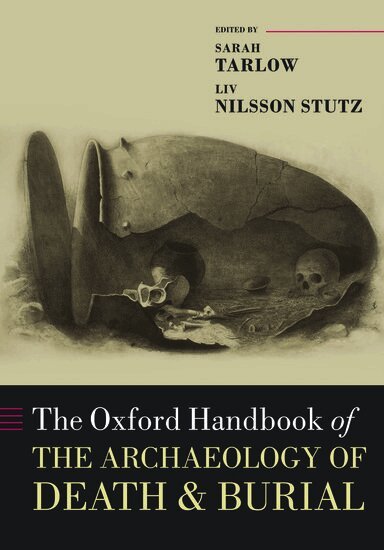
The Oxford Handbook of the Archaeology of Death and Burial reviews the current state of mortuary archaeology and its practice, highlighting its often contentious place in the modern socio-politics of archaeology. It contains forty-four chapters which focus on the history of the discipline and its current scientific techniques and methods. Written by leading, international scholars in the field, it derives its examples and case studies from a wide range of time periods, such as the middle palaeolithic to the twentieth century, and geographical areas which include Europe, North and South America, Africa, and Asia. Combining up-to-date knowledge of relevant archaeological research with critical assessments of the theme and an evaluation of future research trajectories, it draws attention to the social, symbolic, and theoretical aspects of interpreting mortuary archaeology. The volume is well-illustrated with maps, plans, photographs, and illustrations and is ideally suited for students and researchers.
2 367 kr
Skickas inom 5-8 vardagar
The Oxford Handbook of the Archaeology of Death and Burial reviews the current state of mortuary archaeology and its practice, highlighting its often contentious place in the modern socio-politics of archaeology. It contains forty-four chapters which focus on the history of the discipline and its current scientific techniques and methods. Written by leading, international scholars in the field, it derives its examples and case studies from a wide range of time periods, such as the middle palaeolithic to the twentieth century, and geographical areas which include Europe, North and South America, Africa, and Asia. Combining up-to-date knowledge of relevant archaeological research with critical assessments of the theme and an evaluation of future research trajectories, it draws attention to the social, symbolic, and theoretical aspects of interpreting mortuary archaeology.The volume is well-illustrated with maps, plans, photographs, and illustrations and is ideally suited for students and researchers.
1 096 kr
Skickas inom 10-15 vardagar
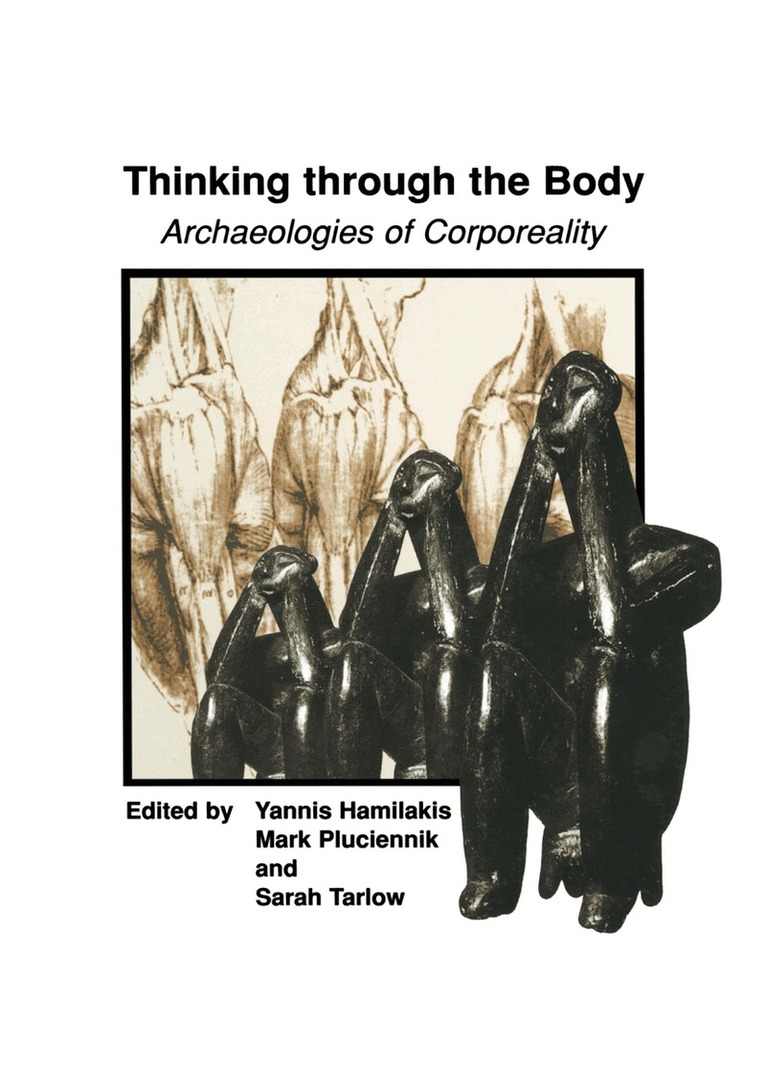
What is the archaeology of the body and how can it change the way we experience the past? This book records and evaluates the emergence of this direction of cross-disciplinary research, and examines the potential of incorporating some of its insights into archaeology. The contributors have explored issues such as "embodiment" (the conceptualization of the past and the present as lived sensual experience), the links between body and personhood, and the cultural meaning of the human body as symbol, artefact, or metaphor. The discussion is based on theoretically informed, detailed case studies which take us from early prehistoric societies to post-medieval times, from Oceania to Scandinavia, and from the Near East to Crete, Italy, and Britain. Despite the complexity of the issues and concepts involved, the book is written in a clear and accessible manner, summarizing, explaining and discussing large bodies of literature from a range of disciplines. As such this book should be of interest to students, researchers, and teachers in archaeology, as well as in cognate disciplines such as anthropology and history.
592 kr
Skickas inom 10-15 vardagar
The Familiar Past surveys material culture from 1500 to the present day. Fourteen case studies, grouped under related topics, include discussion of issues such as:* the origins of modernity in urban contexts* the historical anthropology of food* the social and spatial construction of country houses* the social history of a workhouse site* changes in memorial forms and inscriptions* the archaeological treatment of gardens.The Familiar Past has been structured as a teaching text and will be useful to students of history and archaeology.
1 282 kr
Skickas inom 7-10 vardagar
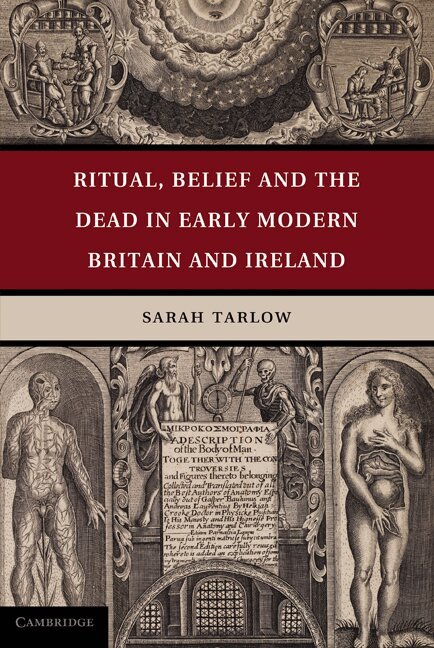
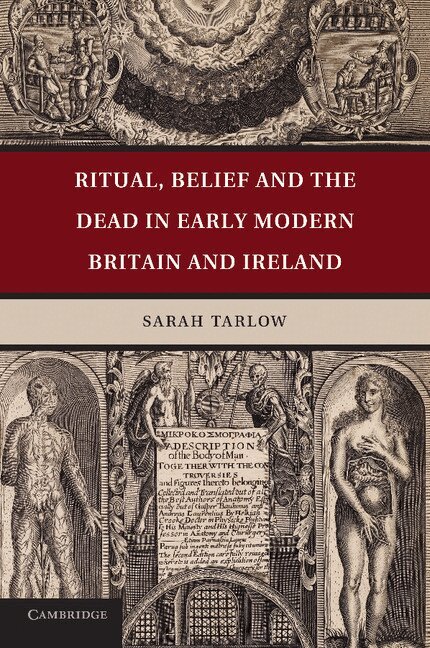
Drawing on archaeological, historical, theological, scientific and folkloric sources, Sarah Tarlow's interdisciplinary study examines belief as it relates to the dead body in early modern Britain and Ireland. From the theological discussion of bodily resurrection to the folkloric use of body parts as remedies, and from the judicial punishment of the corpse to the ceremonial interment of the social elite, this book discusses how seemingly incompatible beliefs about the dead body existed in parallel through this tumultuous period. This study, which is the first to incorporate archaeological evidence of early modern death and burial from across Britain and Ireland, addresses new questions about the materiality of death: what the dead body means, and how its physical substance could be attributed with sentience and even agency. It provides a sophisticated original interpretive framework for the growing quantities of archaeological and historical evidence about mortuary beliefs and practices in early modernity.
1 228 kr
Tillfälligt slut
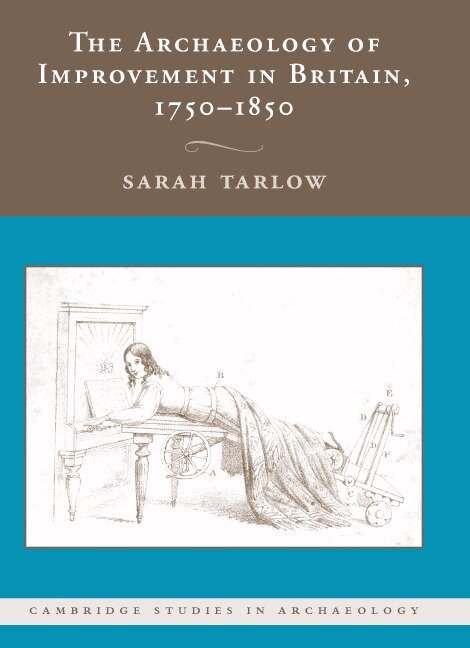
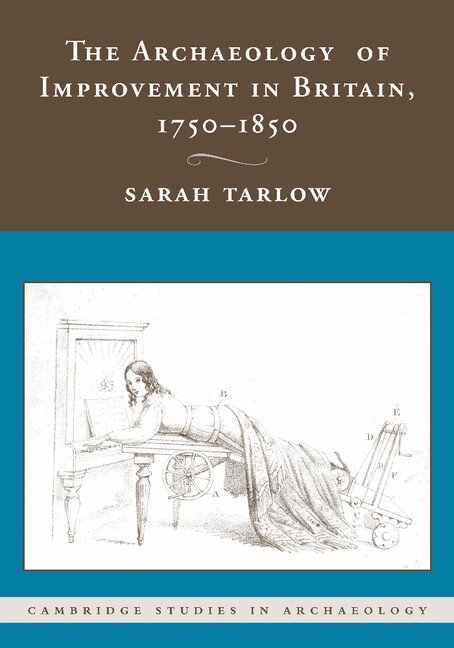
In this innovative 2007 study, Sarah Tarlow shows how the archaeology of this period manifests a widespread and cross-cutting ethic of improvement. Theoretically informed and drawn from primary and secondary sources in a range of disciplines, the author considers agriculture and the rural environment, towns, and buildings such as working-class housing and institutions of reform. From bleach baths to window glass, rubbish pits to tea wares, the material culture of the period reflects a particular set of values and aspirations. Tarlow examines the philosophical and historical background to the notion of improvement and demonstrates how this concept is a useful lens through which to examine the material culture of later historical Britain.
1 785 kr
Skickas inom 5-8 vardagar
This book provides an historical archaeology of death, burial and bereavement from the Reformation to the present.
Del 1 - Social Archaeology
Bereavement and Commemoration
An Archaeology of Mortality
Häftad, Engelska, 1999
678 kr
Skickas inom 7-10 vardagar
This book provides an historical archaeology of death, burial and bereavement from the Reformation to the present.
611 kr
Skickas inom 5-8 vardagar
678 kr
Skickas inom 5-8 vardagar
563 kr
Skickas inom 7-10 vardagar
In this innovative 2007 study, Sarah Tarlow shows how the archaeology of this period manifests a widespread and cross-cutting ethic of improvement. Theoretically informed and drawn from primary and secondary sources in a range of disciplines, the author considers agriculture and the rural environment, towns, and buildings such as working-class housing and institutions of reform. From bleach baths to window glass, rubbish pits to tea wares, the material culture of the period reflects a particular set of values and aspirations. Tarlow examines the philosophical and historical background to the notion of improvement and demonstrates how this concept is a useful lens through which to examine the material culture of later historical Britain.
563 kr
Skickas inom 7-10 vardagar
Drawing on archaeological, historical, theological, scientific and folkloric sources, Sarah Tarlow's interdisciplinary study examines belief as it relates to the dead body in early modern Britain and Ireland. From the theological discussion of bodily resurrection to the folkloric use of body parts as remedies, and from the judicial punishment of the corpse to the ceremonial interment of the social elite, this book discusses how seemingly incompatible beliefs about the dead body existed in parallel through this tumultuous period. This study, which is the first to incorporate archaeological evidence of early modern death and burial from across Britain and Ireland, addresses new questions about the materiality of death: what the dead body means, and how its physical substance could be attributed with sentience and even agency. It provides a sophisticated original interpretive framework for the growing quantities of archaeological and historical evidence about mortuary beliefs and practices in early modernity.
312 kr
Skickas inom 10-15 vardagar
Focusing particularly on the period 1752-1832, this book provides a summary of the historical evidence, the factual history of gibbetting which explores the locations of gibbets, the material technologies involved in hanging in chains, and the actual process from erection to eventual collapse.
312 kr
Skickas inom 10-15 vardagar
Focusing particularly on the period 1752-1832, this book provides a summary of the historical evidence, the factual history of gibbetting which explores the locations of gibbets, the material technologies involved in hanging in chains, and the actual process from erection to eventual collapse.
1 096 kr
Skickas inom 10-15 vardagar
This book is based on the Thinking through the Body workshop held at the University of Wales, Lampeter, in June 1998. We would like to thank the University of Wales, Lampeter, and in particular the Department of Archaeology for financial and other support; the student volunteers for their help in organizing the conference; and the participants for co-operating in preparing their papers for pre-circulation. An exhibition of works by contemporary artists dealing with the body was also held in conjunction with the academic conference and contributed greatly to the intellectual, aesthetic and social atmosphere. We would like to thank all the artists, Ron Dukelow and Cambria Arts for agreeing to participate in the workshop and for organizing and mounting the exhibition. CONTENTS List of Figures and Tables ix List of Contributors xi Introduction: Thinking Through the Body Yannis Hamilakis, Mark Pluciennik and Sarah Tarlow. . . . . . . . . . . . . . . . . . . . . 1 Part 1: Bodies, Selves and Individuals Introduction Sarah Tarlow. . . . . . . . . . . . . . . . . . . . . . . . . . . . . . . . . . . . . . . . . . . . . . . . . . . . . . . . . . . . . . . . . . . . . . . . . . . . . . . . . . . . . . . . . 23 1 Archaeology's humanism and the materiality of the body Julian Thomas. . . . . . . . . . . . . . . . . . . . . . . . . . . . . . . . . . . . . . . . . . . . . . . . . . . . . . . . . . . . . . . . . . . . . . . . . . . . . . . . . . 29 2 Body Parts: personhood and materiality in the earlier Manx neolithic Chris Fowler. . . . . . . . . . . . . . . . . . . . . . . . . . . . . . . . . . . . . . . . . . . . . . . . . . . . . . . . . . . . . . . . . . . . . . . . . . . . . . . . . . . . . 47 3 Moralities of dress and the dress of the dead in early medieval Europe Jos Bazelmans. .. . . . . . . . . . . . . . . . . . . . . . . . . . . . . . . . . . . . . . . . . . . . . . . . . . . . . . . . . . . . . . . . . . . . . . . . . . . . . . . . 71 4 The aesthetic corpse in nineteenth-century Britain Sarah Tarlow. . . . . . . . . . . . . . . . . . . . . . . . . . . . . . . . . . . . . . . . . . . . . . . . . . . . . . . . . . . . . . . . . . . . . . . . . . . . . . . . . . . . 85 Part 2: Experience and Corporeality Introduction Yannis Hamilakis. . . . . . . . . . . . . . . . . . . . . . . . . . . . . . . . . . . . . . . . . . . . . . . . . . . . . . . . . . . . . . . . . . . . . . . . . . . . . . . . . . 99 5 Feeling through the body:gesture in Cretan Bronze Age Religion Christine Morris and Alan Peatfield. . . . . . . . . . . . . . . . . . . . . . . . . . . . . . . . . . . . . . . . . . . . . . . . 105 6 The past as oral history: towards an archaeology of the senses Yannis Hamilakis. . . . . . . . . . . . . . . . . . . . . . . . . . . . . . . . . . . . . . . . . . . . . . . . . . . . . . . . . . . . . . . . . . . . . . . . . . . . .
162 kr
Skickas inom 7-10 vardagar
182 kr
Skickas inom 7-10 vardagar
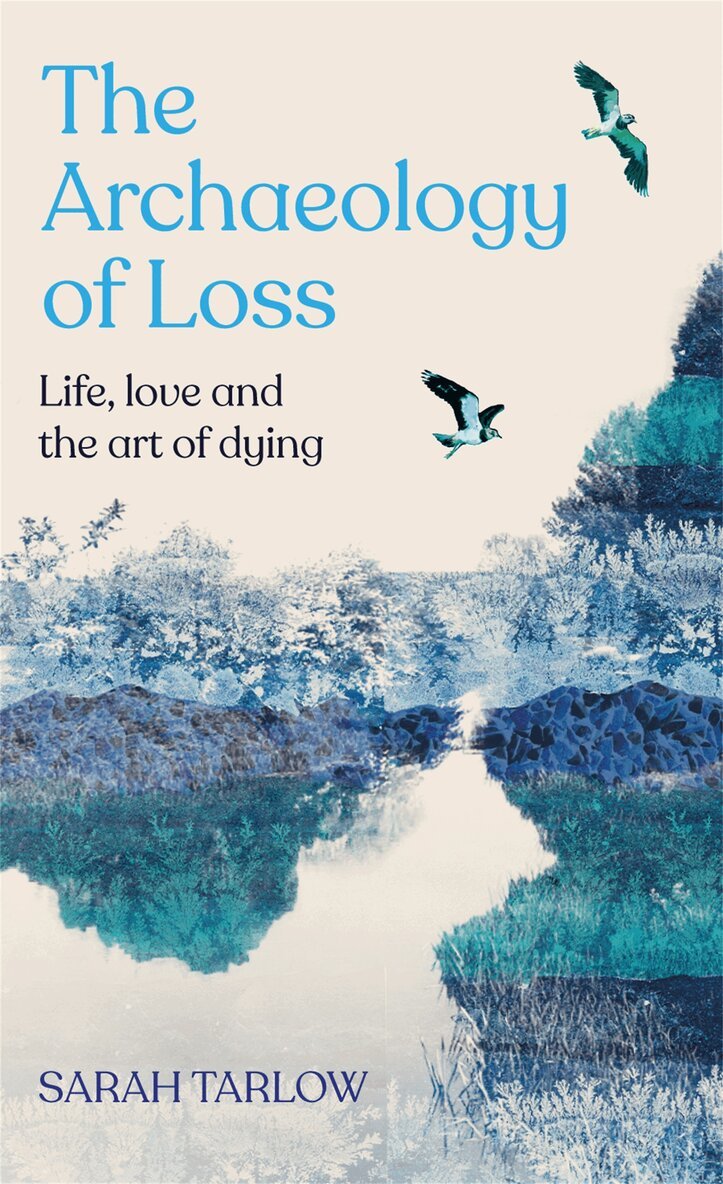
When you find your husband lying dead, you think you will not forget a single detail of that moment. As an archaeologist, I like to get my facts right, and I will try my best to do so, but five years have passed since that day in 2016 and I am excavating my own unreliable memory. I cannot go back and check.'Extraordinary, unflinching, wonderful, moving' - Nina Stibbe, author of Love, Nina'This memoir has been compared to The Salt Path by Raynor Winn, and I can see why . . . In the end, there is so much love in this book. In writing such a meticulously honest book, she memorialises her cant-hating husband in the best way possible. I think he would be proud of her too.' The TimesSarah Tarlow's husband Mark began to suffer from an undiagnosed illness, leaving him incapable of caring for himself. One day, about six years after he first started showing symptoms, Mark waited for Sarah and their children to leave their home before ending his own life.Although Sarah had devoted her professional life to the study of death and how we grieve, she found that nothing could have prepared her for the reality of illness and the devastation of loss.Fiercely vulnerable, deeply intimate and yet authoritative, The Archaeology of Loss describes a universal experience with an unflinching and singular gaze. With humour, intelligence and urgency, it is in its very honesty that it offers profound consolation.'This book is a companion for anyone navigating the hardships of loss and uncertainty' - Octavia Bright, author of This Ragged Grace'A tender and big-hearted embrace of a book . . . A poetic excavation of loss, grief and ritual.' - Graham Caveney, author of The Boy with the Perpetual Nervousness
121 kr
Skickas inom 7-10 vardagar
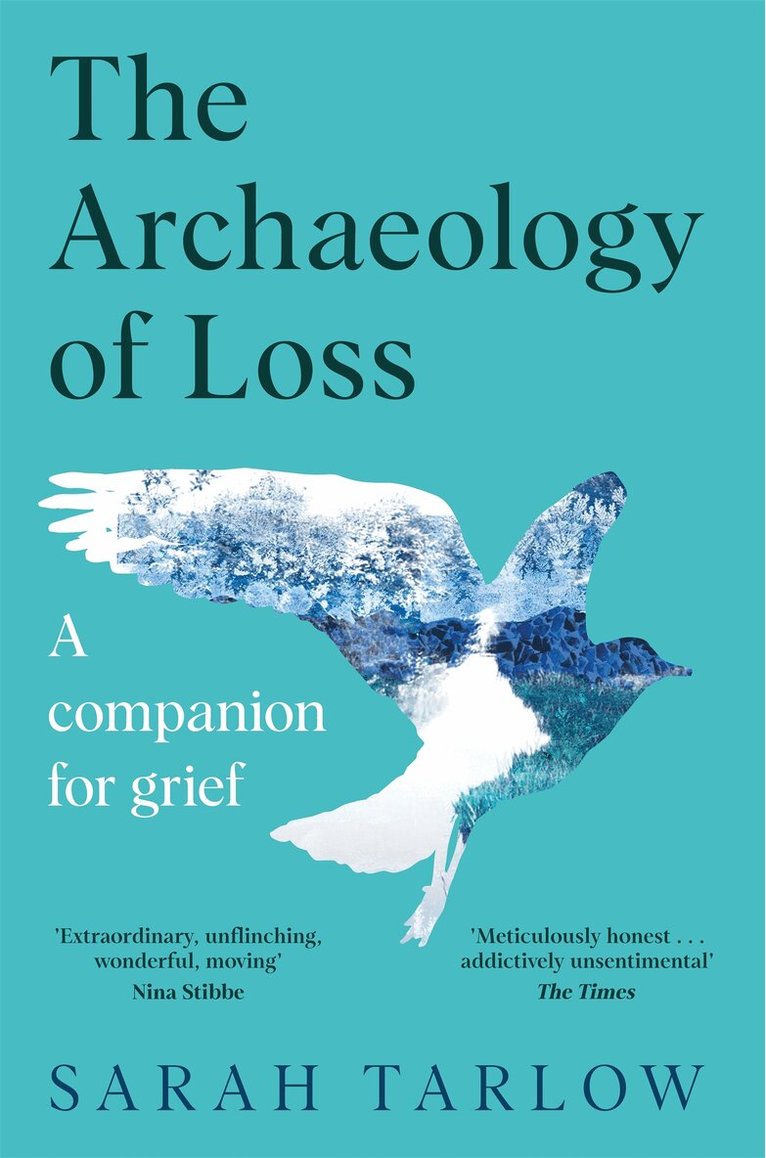
‘A companion for anyone navigating the hardships of loss and uncertainty’ - Octavia Bright, author of This Ragged GraceA unflinching memoir exploring the realities of marriage, care-giving, how we die and how we grieve. Told with humour and courage, its raw honesty offers profound consolation in difficult times.After thirteen years together, Sarah Tarlow’s husband Mark began to suffer from an undiagnosed illness, which rapidly left him incapable of caring for himself. Life – an intense juggling act of a demanding job, young children and looking after a depressed and frustrated parner – became hard.One day, Mark waited for Sarah and their children to leave their home before ending his own life. Although Sarah had devoted her professional life as an archaeologist to the study of death and how we grieve, she found that nothing had prepared her for the reality of illness and the devastation of loss.The Archaeology of Loss is a fiercely vulnerable, deeply intimate and yet unflinchingly direct memoir which describes a universal experience. ________'Extraordinary, unflinching, wonderful, moving’ - Nina Stibbe, author of Went to London, Took the Dog‘A poetic excavation of loss, grief and ritual’ - Graham Caveney, author of The Boy with the Perpetual Nervousness'In the end, there is so much love in this book’ - The Times
312 kr
Skickas inom 10-15 vardagar
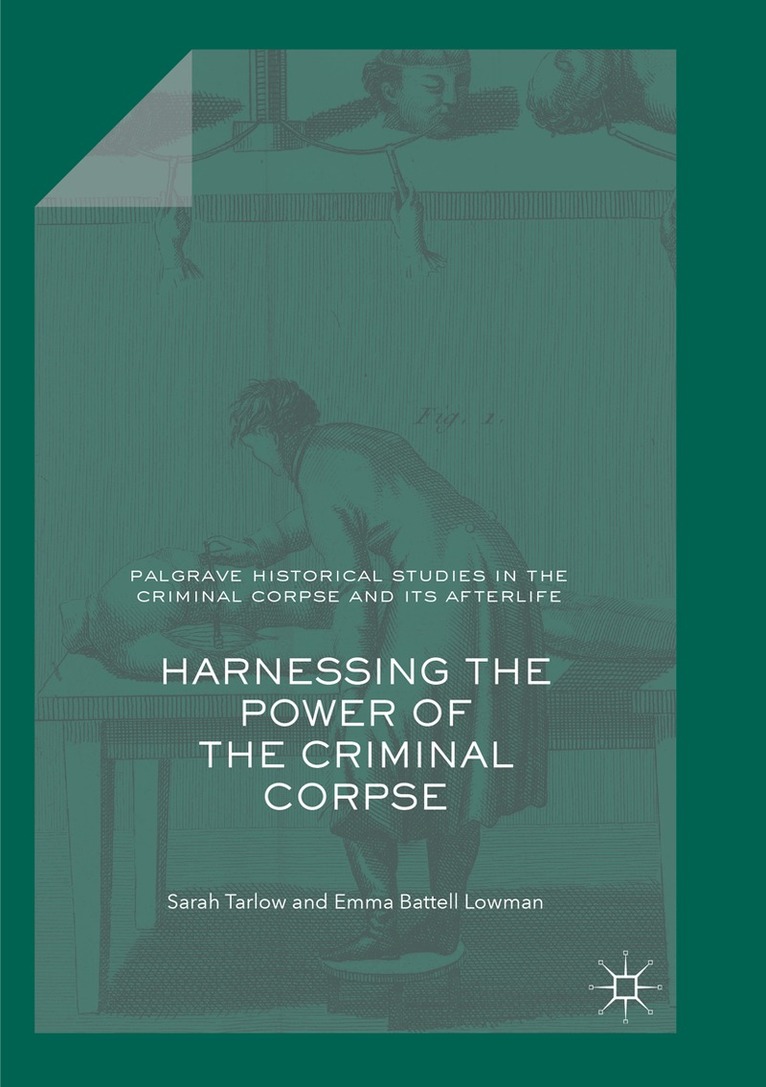
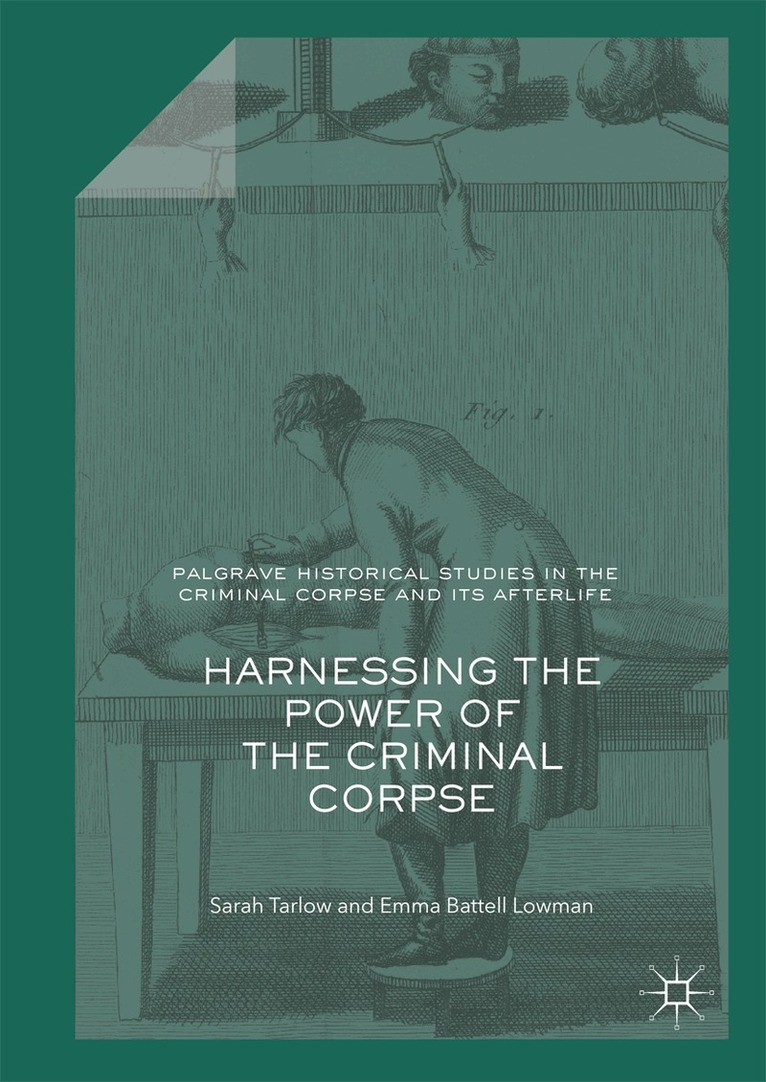
Starting with a consideration of the criminal corpse in the medieval and early modern periods, chapters go on to review the histories of criminal justice, of medical history and of gibbeting under the Murder Act, and ends with some discussion of the afterlives of the corpse, in literature, folklore and in contemporary medical ethics.
1 215 kr
Skickas inom 5-8 vardagar
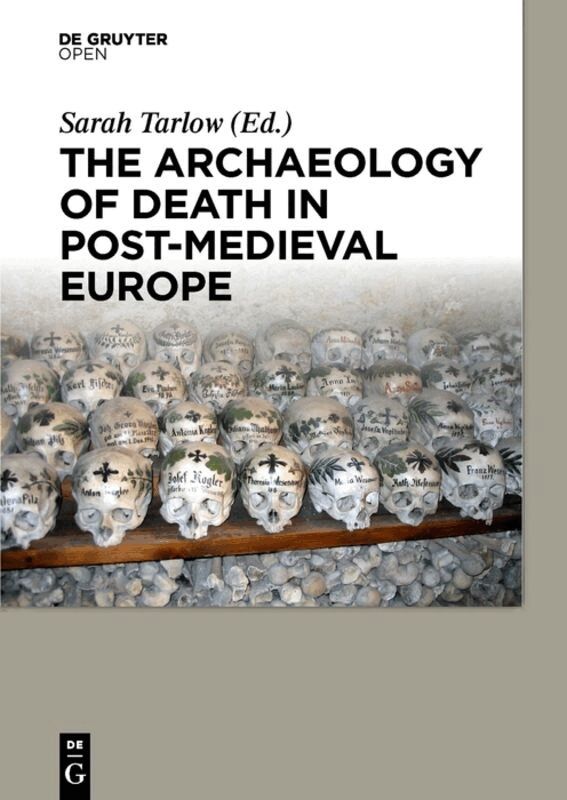
Historical burial grounds are an enormous archaeological resource and have the potential to inform studies not only of demography or the history of disease and mortality, but also histories of the body, of religious and other beliefs about death, of changing social relationships, values and aspirations.In the last decades, the intensive urban development and a widespread legal requirement to undertake archaeological excavation of historical sites has led to a massive increase in the number of post-medieval graveyards and burial places that have been subjected to archaeological investigation. The archaeology of the more recent periods, which are comparatively well documented, is no less interesting and important an area of study than prehistoric periods.This volume offers a range of case studies and reflections on aspects of death and burial in post-medieval Europe. Looking at burial goods, the spatial aspects of cemetery organisation and the way that the living interact with the dead, contributors who have worked on sites from Central, North and West Europe present some of their evidence and ideas. The coherence of the volume is maintained by a substantial integrative introduction by the editor, Professor Sarah Tarlow. “This book is a ‘first’ and a necessary one. It is an exciting and far-ranging collection of studies on post-medieval burial practice across Europe that will most certainly be used extensively” Professor Howard Williams
312 kr
Skickas inom 10-15 vardagar
Starting with a consideration of the criminal corpse in the medieval and early modern periods, chapters go on to review the histories of criminal justice, of medical history and of gibbeting under the Murder Act, and ends with some discussion of the afterlives of the corpse, in literature, folklore and in contemporary medical ethics.