Mark Pluciennik - Böcker
Visar alla böcker från författaren Mark Pluciennik. Handla med fri frakt och snabb leverans.
4 produkter
4 produkter
1 101 kr
Skickas inom 10-15 vardagar
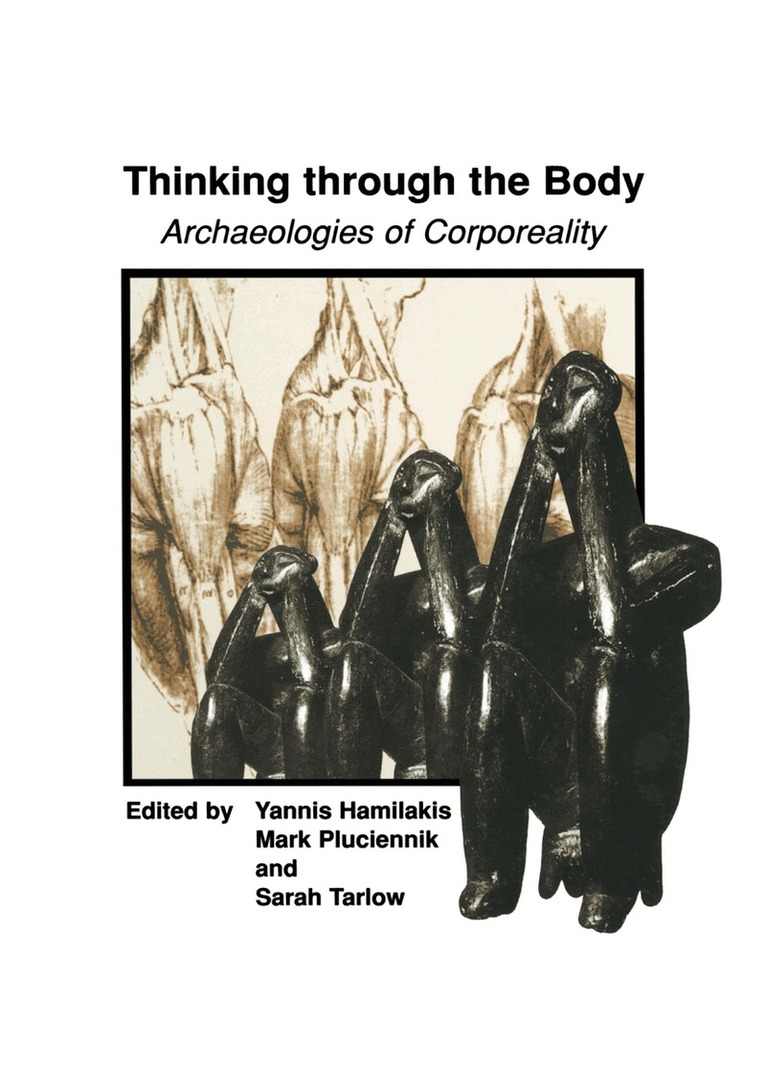
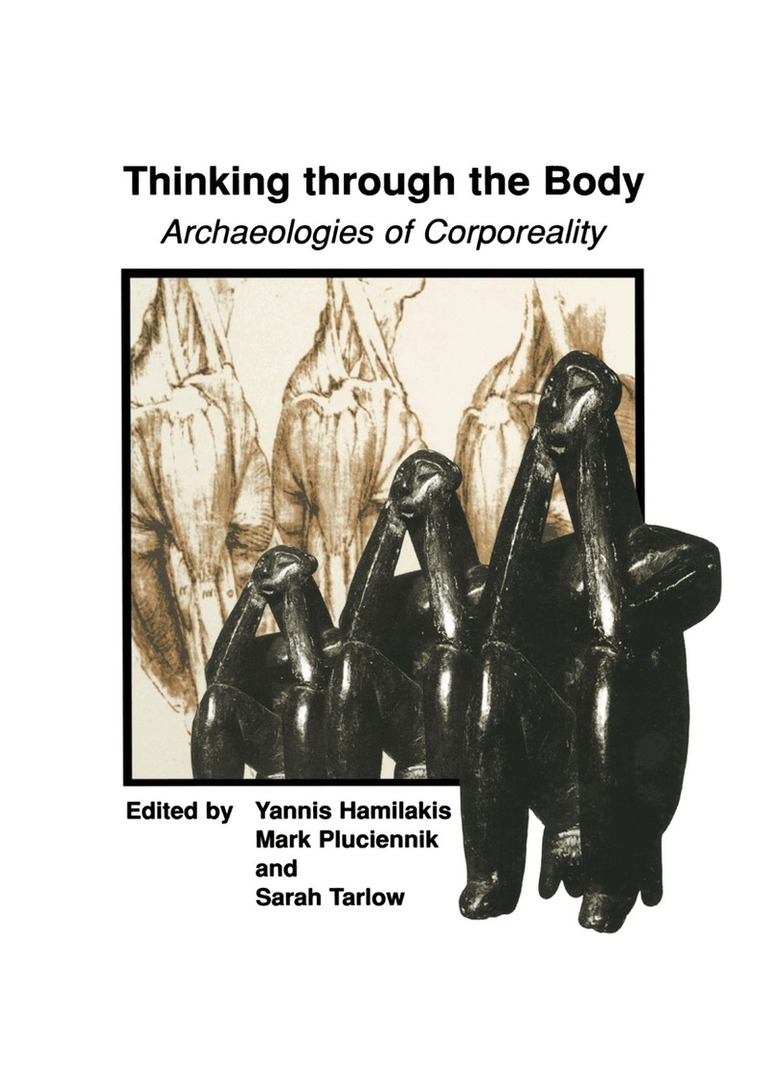
What is the archaeology of the body and how can it change the way we experience the past? This book records and evaluates the emergence of this direction of cross-disciplinary research, and examines the potential of incorporating some of its insights into archaeology. The contributors have explored issues such as "embodiment" (the conceptualization of the past and the present as lived sensual experience), the links between body and personhood, and the cultural meaning of the human body as symbol, artefact, or metaphor. The discussion is based on theoretically informed, detailed case studies which take us from early prehistoric societies to post-medieval times, from Oceania to Scandinavia, and from the Near East to Crete, Italy, and Britain. Despite the complexity of the issues and concepts involved, the book is written in a clear and accessible manner, summarizing, explaining and discussing large bodies of literature from a range of disciplines. As such this book should be of interest to students, researchers, and teachers in archaeology, as well as in cognate disciplines such as anthropology and history.
446 kr
Skickas inom 5-8 vardagar
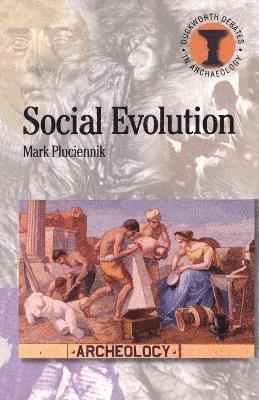
The concept of social evolution in its modern form became widespread 250 years ago as part of the Enlightenment, and yet it still structures the thinking of academics, politicians and the public in a myriad ways. Hunter-gatherers become the repository of the natural or primitive; civilisation and 'our' history is deemed to begin with farming societies; and state societies are seen as the only gateway to social complexity. Through a historical and comparative review, this book challenges the idea that social evolution and the inevitability of progress is self-evident, and examines the connections of progressive social evolution with various ideologies and projects, from emancipation to racism, colonialism and imperialism and contemporary ideas of the new world order. Mark Pluciennik suggests that taking a critical stance allows other ways of thinking about and writing history to come into better focus, enabling us to ask different kinds of questions about the nature of change in human societies, and to treat social evolution in a more nuanced way.
1 101 kr
Skickas inom 10-15 vardagar
This book is based on the Thinking through the Body workshop held at the University of Wales, Lampeter, in June 1998. We would like to thank the University of Wales, Lampeter, and in particular the Department of Archaeology for financial and other support; the student volunteers for their help in organizing the conference; and the participants for co-operating in preparing their papers for pre-circulation. An exhibition of works by contemporary artists dealing with the body was also held in conjunction with the academic conference and contributed greatly to the intellectual, aesthetic and social atmosphere. We would like to thank all the artists, Ron Dukelow and Cambria Arts for agreeing to participate in the workshop and for organizing and mounting the exhibition. CONTENTS List of Figures and Tables ix List of Contributors xi Introduction: Thinking Through the Body Yannis Hamilakis, Mark Pluciennik and Sarah Tarlow. . . . . . . . . . . . . . . . . . . . . 1 Part 1: Bodies, Selves and Individuals Introduction Sarah Tarlow. . . . . . . . . . . . . . . . . . . . . . . . . . . . . . . . . . . . . . . . . . . . . . . . . . . . . . . . . . . . . . . . . . . . . . . . . . . . . . . . . . . . . . . . . 23 1 Archaeology's humanism and the materiality of the body Julian Thomas. . . . . . . . . . . . . . . . . . . . . . . . . . . . . . . . . . . . . . . . . . . . . . . . . . . . . . . . . . . . . . . . . . . . . . . . . . . . . . . . . . 29 2 Body Parts: personhood and materiality in the earlier Manx neolithic Chris Fowler. . . . . . . . . . . . . . . . . . . . . . . . . . . . . . . . . . . . . . . . . . . . . . . . . . . . . . . . . . . . . . . . . . . . . . . . . . . . . . . . . . . . . 47 3 Moralities of dress and the dress of the dead in early medieval Europe Jos Bazelmans. .. . . . . . . . . . . . . . . . . . . . . . . . . . . . . . . . . . . . . . . . . . . . . . . . . . . . . . . . . . . . . . . . . . . . . . . . . . . . . . . . 71 4 The aesthetic corpse in nineteenth-century Britain Sarah Tarlow. . . . . . . . . . . . . . . . . . . . . . . . . . . . . . . . . . . . . . . . . . . . . . . . . . . . . . . . . . . . . . . . . . . . . . . . . . . . . . . . . . . . 85 Part 2: Experience and Corporeality Introduction Yannis Hamilakis. . . . . . . . . . . . . . . . . . . . . . . . . . . . . . . . . . . . . . . . . . . . . . . . . . . . . . . . . . . . . . . . . . . . . . . . . . . . . . . . . . 99 5 Feeling through the body:gesture in Cretan Bronze Age Religion Christine Morris and Alan Peatfield. . . . . . . . . . . . . . . . . . . . . . . . . . . . . . . . . . . . . . . . . . . . . . . . 105 6 The past as oral history: towards an archaeology of the senses Yannis Hamilakis. . . . . . . . . . . . . . . . . . . . . . . . . . . . . . . . . . . . . . . . . . . . . . . . . . . . . . . . . . . . . . . . . . . . . . . . . . . . .
478 kr
Skickas inom 5-8 vardagar