
Silke Goldberg - Böcker
Visar alla böcker från författaren Silke Goldberg. Handla med fri frakt och snabb leverans.
4 produkter
4 produkter
1 800 kr
Skickas inom 10-15 vardagar
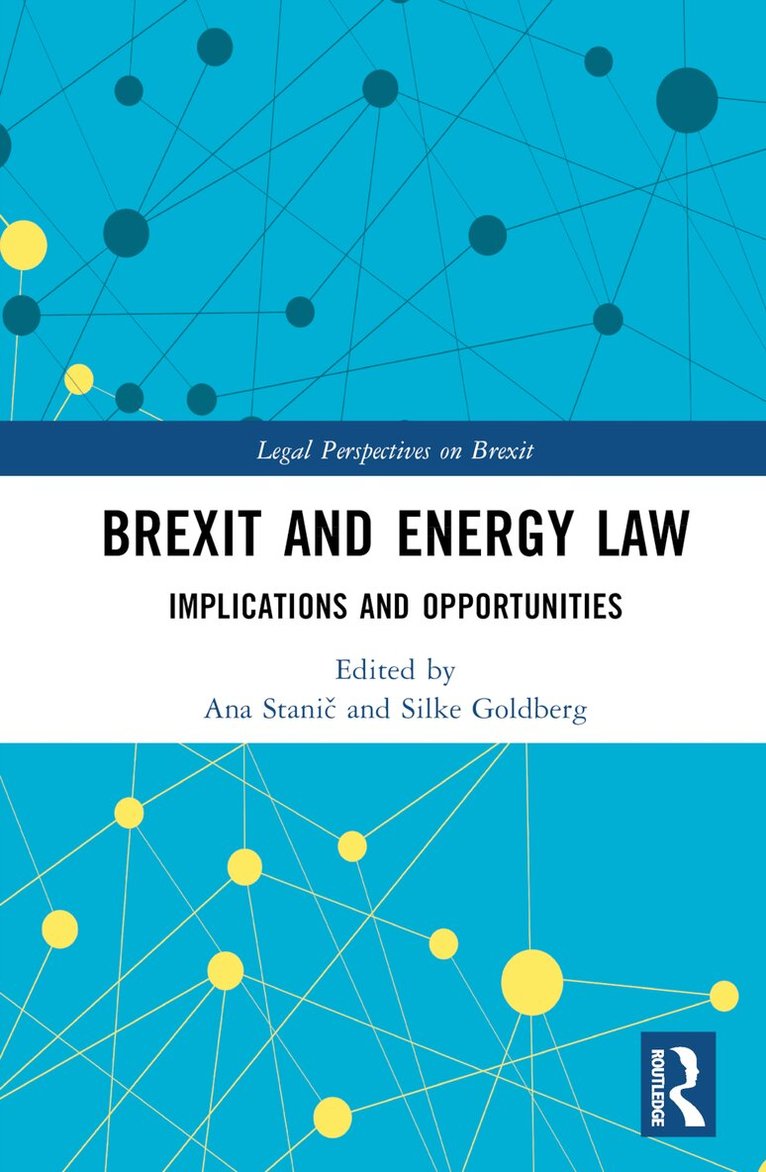
Bringing together leading experts from across the UK and Europe, this book provides a comprehensive analysis of the impact of Brexit on the energy sector in the UK and in the European Union and its Member States. In recent decades, the trend within the EU has been towards greater integration and liberalisation of energy markets. Through the development of the Union’s internal energy market and the funding of cross-border energy infrastructure, EU membership facilitates cross-border trade in energy, promotes security of energy supply, and, via the European Atomic Energy Community (Euratom), allows EU Member States to trade in nuclear material for energy production. Brexit changes all of this. The significant level of integration and interdependence in EU energy policy means that the UK’s departure from the Union poses many challenges for the UK, the EU, and EU Member States. While certain energy-related arrangements have been addressed, the relationship between the UK and EU in the energy sector has been changed fundamentally. In this context, important and interrelated questions arise, such as the following: Under what terms will energy trading between the EU and UK now take place? What access will the UK have to EU energy markets? What does Brexit mean for the security of energy supply? What does the UK’s departure from Euratom mean for nuclear research? Can the crossborder single energy market (SEM) on the island of Ireland continue following Brexit? What implications does Brexit have for renewables, the environment, and climate change? Brexit comes at a time when the European energy sector is undergoing the processes of decarbonisation and energy transition. This book offers researchers, legal practitioners, and policy advisers in-depth understanding of the interplay between these challenges and Brexit.
531 kr
Skickas inom 10-15 vardagar
Bringing together leading experts from across the UK and Europe, this book provides a comprehensive analysis of the impact of Brexit on the energy sector in the UK and in the European Union and its Member States. In recent decades, the trend within the EU has been towards greater integration and liberalisation of energy markets. Through the development of the Union’s internal energy market and the funding of cross-border energy infrastructure, EU membership facilitates cross-border trade in energy, promotes security of energy supply, and, via the European Atomic Energy Community (Euratom), allows EU Member States to trade in nuclear material for energy production. Brexit changes all of this. The significant level of integration and interdependence in EU energy policy means that the UK’s departure from the Union poses many challenges for the UK, the EU, and EU Member States. While certain energy-related arrangements have been addressed, the relationship between the UK and EU in the energy sector has been changed fundamentally. In this context, important and interrelated questions arise, such as the following: Under what terms will energy trading between the EU and UK now take place? What access will the UK have to EU energy markets? What does Brexit mean for the security of energy supply? What does the UK’s departure from Euratom mean for nuclear research? Can the crossborder single energy market (SEM) on the island of Ireland continue following Brexit? What implications does Brexit have for renewables, the environment, and climate change? Brexit comes at a time when the European energy sector is undergoing the processes of decarbonisation and energy transition. This book offers researchers, legal practitioners, and policy advisers in-depth understanding of the interplay between these challenges and Brexit.
879 kr
Skickas inom 7-10 vardagar
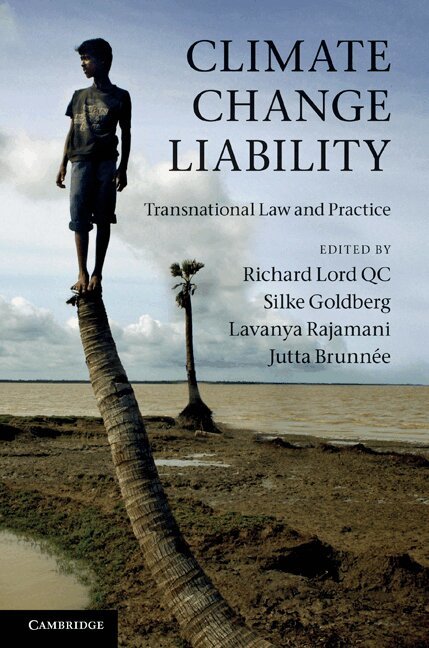
As frustration mounts in some quarters at the perceived inadequacy or speed of international action on climate change, and as the likelihood of significant impacts grows, the focus is increasingly turning to liability for climate change damage. Actual or potential climate change liability implicates a growing range of actors, including governments, industry, businesses, non-governmental organisations, individuals and legal practitioners. Climate Change Liability provides an objective, rigorous and accessible overview of the existing law and the direction it might take in seventeen developed and developing countries and the European Union. In some jurisdictions, the applicable law is less developed and less the subject of current debate. In others, actions for various kinds of climate change liability have already been brought, including high profile cases such as Massachusetts v. EPA in the United States. Each chapter explores the potential for and barriers to climate change liability in private and public law.
574 kr
Skickas inom 7-10 vardagar
As frustration mounts in some quarters at the perceived inadequacy or speed of international action on climate change, and as the likelihood of significant impacts grows, the focus is increasingly turning to liability for climate change damage. Actual or potential climate change liability implicates a growing range of actors, including governments, industry, businesses, non-governmental organisations, individuals and legal practitioners. Climate Change Liability provides an objective, rigorous and accessible overview of the existing law and the direction it might take in seventeen developed and developing countries and the European Union. In some jurisdictions, the applicable law is less developed and less the subject of current debate. In others, actions for various kinds of climate change liability have already been brought, including high profile cases such as Massachusetts v. EPA in the United States. Each chapter explores the potential for and barriers to climate change liability in private and public law.