
Silvio Caputo - Böcker
Visar alla böcker från författaren Silvio Caputo. Handla med fri frakt och snabb leverans.
6 produkter
6 produkter
671 kr
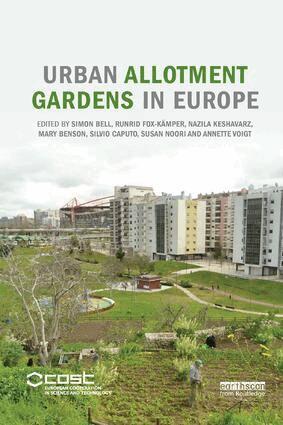
Although urban allotment gardening dates back to the nineteenth century, it has recently undergone a renaissance of interest and popularity. This is the result of greater concern over urban greenspace, food security and quality of life. This book presents a comprehensive, research-based overview of the various features, benefits and values associated with urban allotment gardening in Europe. The book is based on a European COST Action project, which brings together researchers and practitioners from all over Europe for the first detailed exploration of the subject on a continent-wide scale. It assesses the policy, planning and design aspects, as well as the social and ecological benefits of urban allotment gardening. Through an examination of the wide range of different traditions and practices across Europe, it brings together the most recent research to discuss the latest evolutions of urban allotment gardening and to help raise awareness and fill knowledge gaps. The book provides a multidisciplinary perspective, including insights from horticulture and soil science, ecology, sociology, urban geography, landscape, planning and design. The themes are underpinned by case studies from a number of European countries which supply a wide range of examples to illustrate different key issues.
2 155 kr
Skickas inom 10-15 vardagar
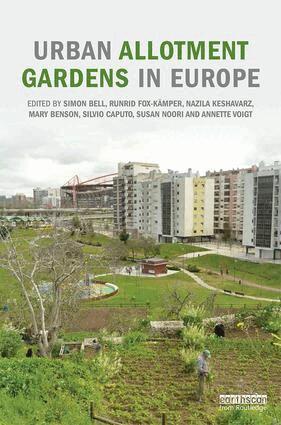
Although urban allotment gardening dates back to the nineteenth century, it has recently undergone a renaissance of interest and popularity. This is the result of greater concern over urban greenspace, food security and quality of life. This book presents a comprehensive, research-based overview of the various features, benefits and values associated with urban allotment gardening in Europe. The book is based on a European COST Action project, which brings together researchers and practitioners from all over Europe for the first detailed exploration of the subject on a continent-wide scale. It assesses the policy, planning and design aspects, as well as the social and ecological benefits of urban allotment gardening. Through an examination of the wide range of different traditions and practices across Europe, it brings together the most recent research to discuss the latest evolutions of urban allotment gardening and to help raise awareness and fill knowledge gaps. The book provides a multidisciplinary perspective, including insights from horticulture and soil science, ecology, sociology, urban geography, landscape, planning and design. The themes are underpinned by case studies from a number of European countries which supply a wide range of examples to illustrate different key issues.

266 kr
Skickas inom 5-8 vardagar

446 kr
Skickas inom 5-8 vardagar
1 381 kr
Skickas inom 10-15 vardagar
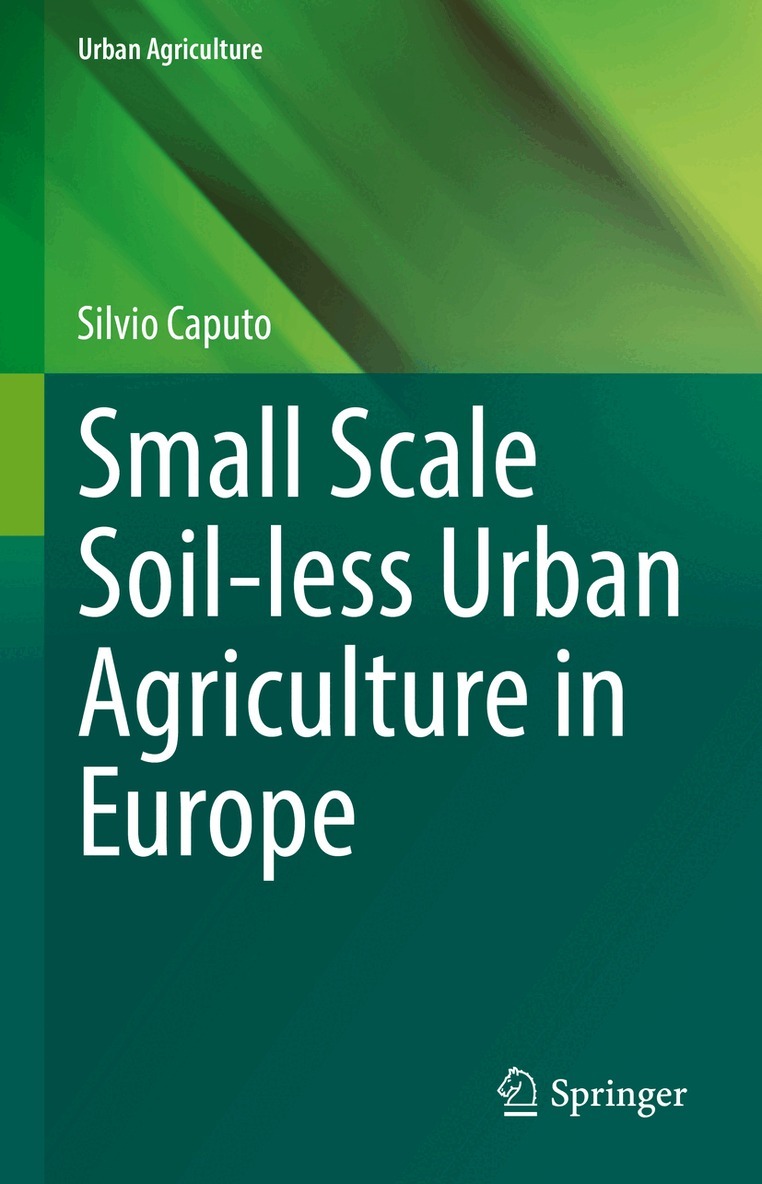
This Monograph focuses on the new approaches that urban agriculture offers to grow food in cities. Such questions include: is the use of soil-less urban agriculture changing the relationship with, and perception of, what is natural and sustainable for urban farmers and small enterprises working in this sector?
1 381 kr
Skickas inom 10-15 vardagar
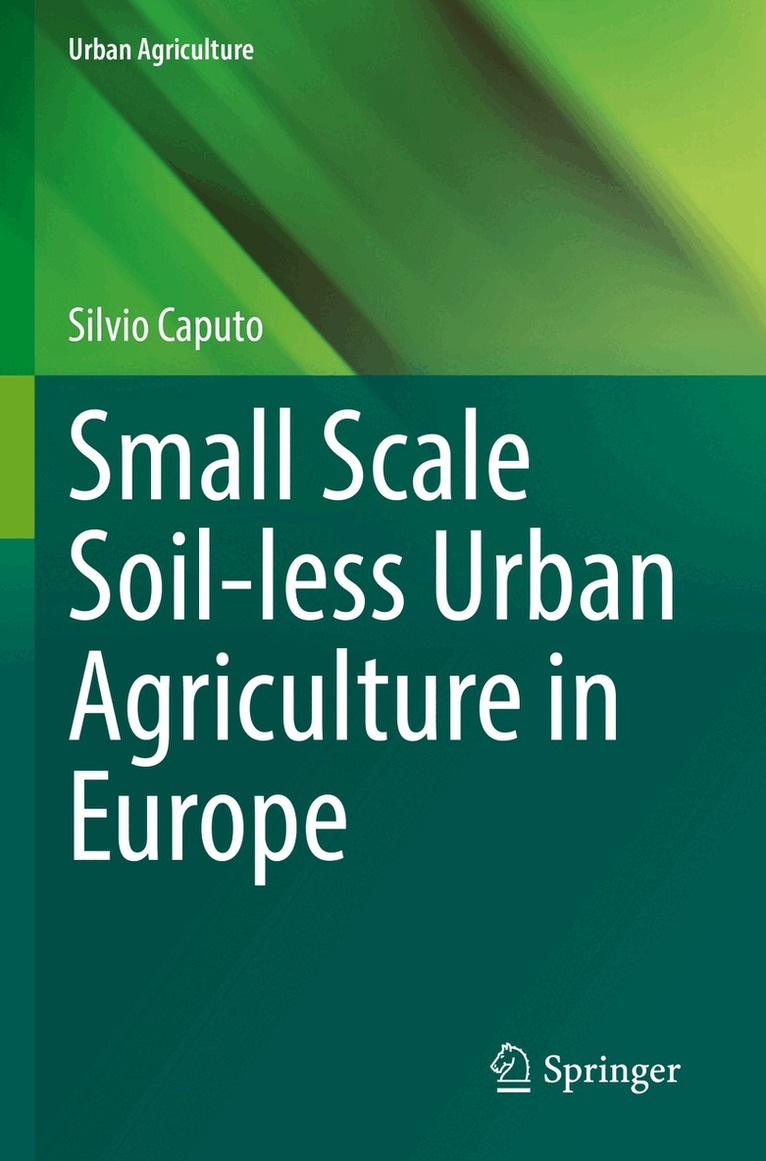
This Monograph focuses on the new approaches that urban agriculture offers to grow food in cities. The author paints a dynamic picture of soil-less and indoor techniques that are currently emerging. A growing number of small scale community-led and entrepreneurial initiatives are using such techniques for diverse objectives: to increase resource efficiency; to strengthen food security; to educate and inform or to exploit new market opportunities. The described studies demonstrate how technologies that are typically used in high-tech food production can also be harnessed in small projects to generate social and economic benefits at a local level. The author puts a focus on three aspects: to outline the context within which small scale soil-less urban agriculture is developing in Europe; to give an overview of the state-of-the-art of projects focusing on this area through case study analysis and to elaborate on emerging questions. Such questions include: is the use of soil-less urban agriculture changing the relationship with, and perception of, what is natural and sustainable for urban farmers and small enterprises working in this sector? What is the perceived potential of these soil-less and indoor forms of urban agriculture to meet environmental, social and economic goals? By answering these and other questions, the volume is a valuable resource for researchers in agriculture and sustainability, as well as urban farmers.