687 kr
Simon Bell – författare
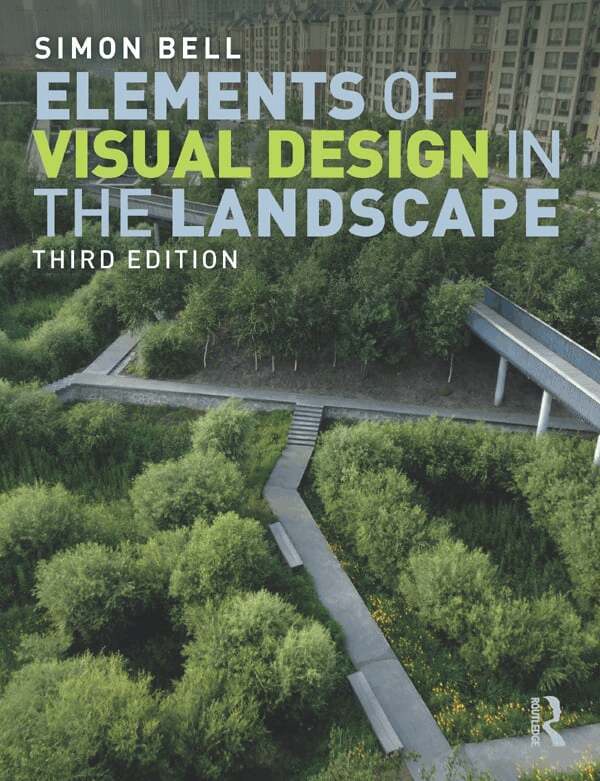
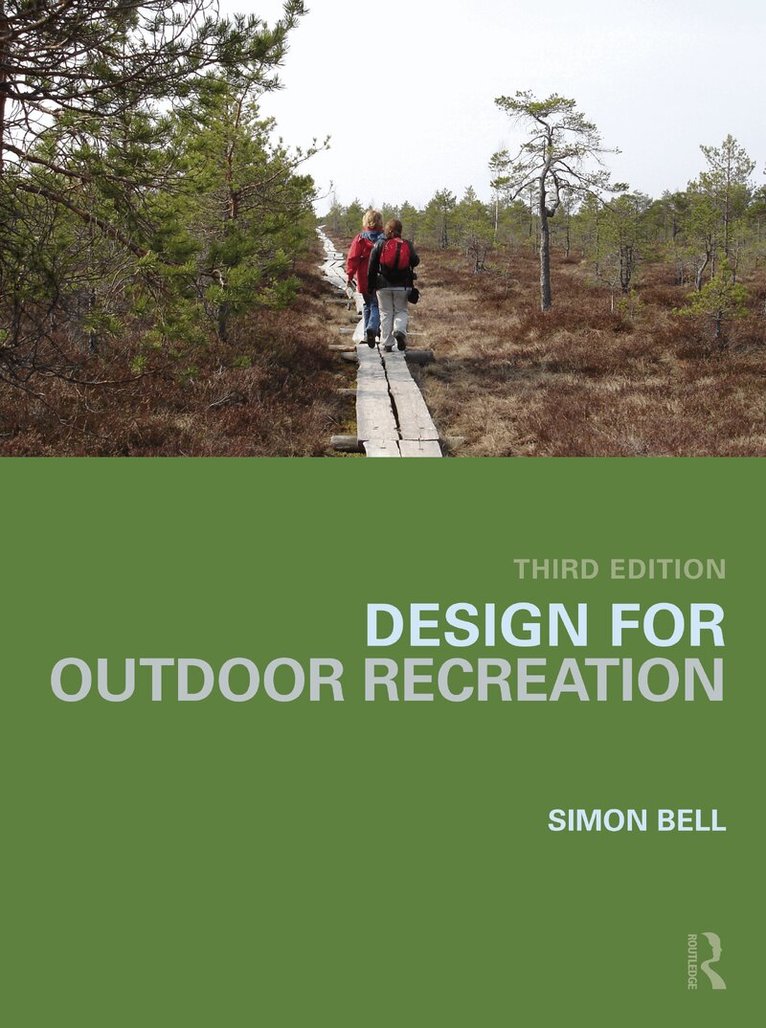
- Häftad, Engelska, 2019What makes a visually appealing landscape? How can the design and use of a landscape be harmonized? In this significantly revised and updated third edition of Simon Bell's seminal text, he further explores the answers to these questions by interrogating a range of design principles, applications and ideas.Written for students, instructors and professionals, the book unveils a visual design vocabulary for anyone involved with landscape aesthetics including landscape architects, architects, planners, urban designers, landscape managers, foresters, geographers and ecologists. Structured around key design terms, which are explained and illustrated using an extensive range of examples from around the world, including North America, Europe and Asia, this book enables you to describe, debate and design the visual landscape. It starts with basic elements, before moving onto variable design components, and then the ways these elements are organized into compositions, in order to demonstrate how landscapes are created and how meanings and patterns are perceived within them.This new full colour edition contains over 240 images; an updated introduction; examples from China, Vietnam and central Asia; a chapter on how to read and understand visual design elements in the landscape; a teaching model for instructors; and expanded appendix materials including a glossary, references and further reading.
- Häftad, Engelska, 2021
779 kr
Skickas inom 10-15 vardagar
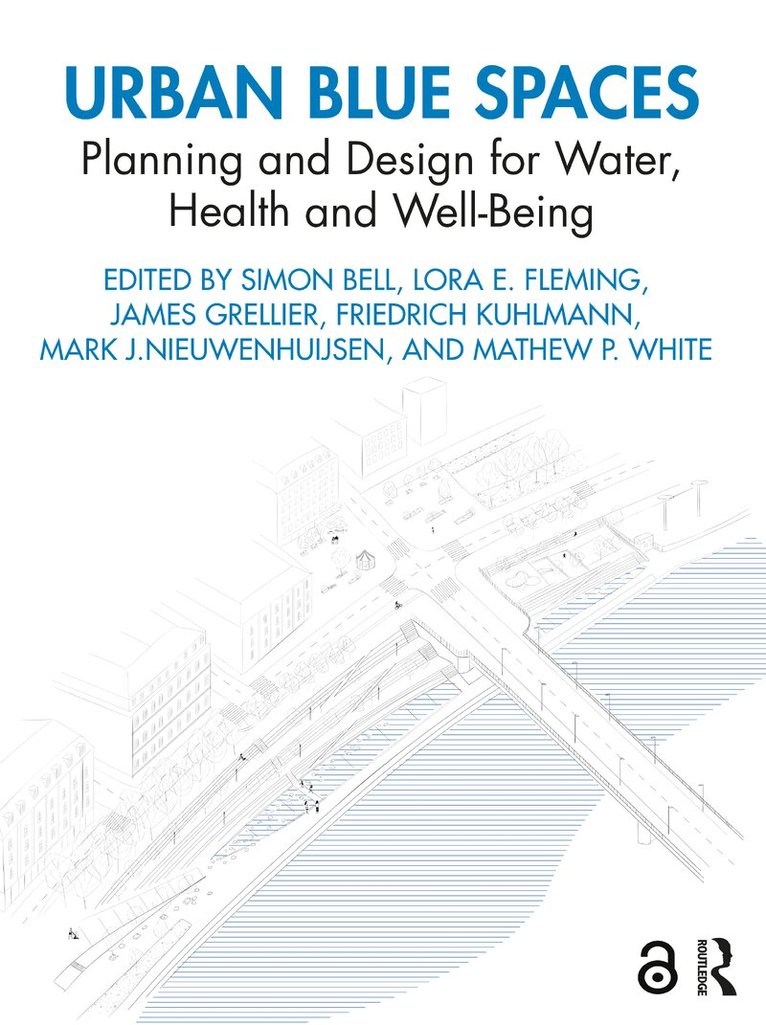
This book presents an evidence-based approach to landscape planning and design for urban blue spaces that maximises the benefits to human health and well-being while minimising the risks. Based on applied research and evidence from primary and secondary data sources stemming from the EU-funded BlueHealth project, the book presents nature-based solutions to promote sustainable and resilient cities.Numerous cities around the world are located alongside bodies of water in the form of coastlines, lakes, rivers and canals, but the relationship between city inhabitants and these water sources has often been ambivalent. In many cities, water has been polluted, engineered or ignored completely. But, due to an increasing awareness of the strong connections between city, people, nature and water and health, this paradigm is shifting.The international editorial team, consisting of researchers and professionals across several disciplines, leads the reader through theoretical aspects, evidence, illustrated case studies, risk assessment and a series of validated tools to aid planning and design before finishing with overarching planning and design principles for a range of blue-space types. Over 200 full-colour illustrations accompany the case-study examples from geographic locations all over the world, including Portugal, the United Kingdom, China, Canada, the US, South Korea, Singapore, Norway and Estonia. With green and blue infrastructure now at the forefront of current policies and trends to promote healthy, sustainable cities, Urban Blue Spaces is a must-have for professionals and students in landscape planning, urban design and environmental design.Open Access for the book was funded by the European Union's Horizon 2020 research and innovation programme under grant agreement No 666773The Open Access version of this book, available atwww.taylorfrancis.com/books/oa-edit/10.4324/9780429056161, has been made available under a Creative Commons Attribution-Non Commercial-No Derivatives 4.0 license - Inbunden, Engelska, 2017
3 125 kr
Skickas inom 10-15 vardagar
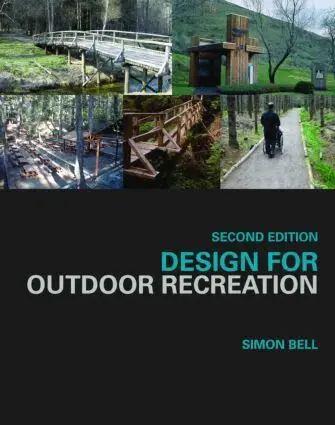
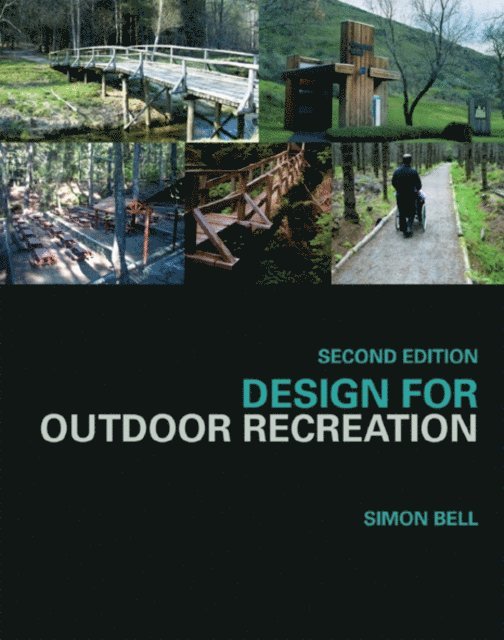
Design for Outdoor Recreation takes a detailed look at all aspects of design of facilities needed by visitors to outdoor recreation destinations. The book is a comprehensive manual for planners, designers and managers of recreation taking them through the processes of design and enabling them to find the most appropriate balance between visitor needs and the capacity of the landscape. A range of different aspects are covered including car parking, information signing, hiking, waterside activities, wildlife watching and camping. This second edition incorporates new examples from overseas, including Australia, New Zealand, Japan and Eastern Europe as well as focusing on more current issues such as accessibility and the changing demands for recreational use. - Inbunden, Engelska, 2019
2 174 kr
Skickas inom 10-15 vardagar
What makes a visually appealing landscape? How can the design and use of a landscape be harmonized? In this significantly revised and updated third edition of Simon Bell's seminal text, he further explores the answers to these questions by interrogating a range of design principles, applications and ideas.Written for students, instructors and professionals, the book unveils a visual design vocabulary for anyone involved with landscape aesthetics including landscape architects, architects, planners, urban designers, landscape managers, foresters, geographers and ecologists. Structured around key design terms, which are explained and illustrated using an extensive range of examples from around the world, including North America, Europe and Asia, this book enables you to describe, debate and design the visual landscape. It starts with basic elements, before moving onto variable design components, and then the ways these elements are organized into compositions, in order to demonstrate how landscapes are created and how meanings and patterns are perceived within them.This new full colour edition contains over 240 images; an updated introduction; examples from China, Vietnam and central Asia; a chapter on how to read and understand visual design elements in the landscape; a teaching model for instructors; and expanded appendix materials including a glossary, references and further reading. - Inbunden, Engelska, 2020
2 486 kr
Skickas inom 10-15 vardagar
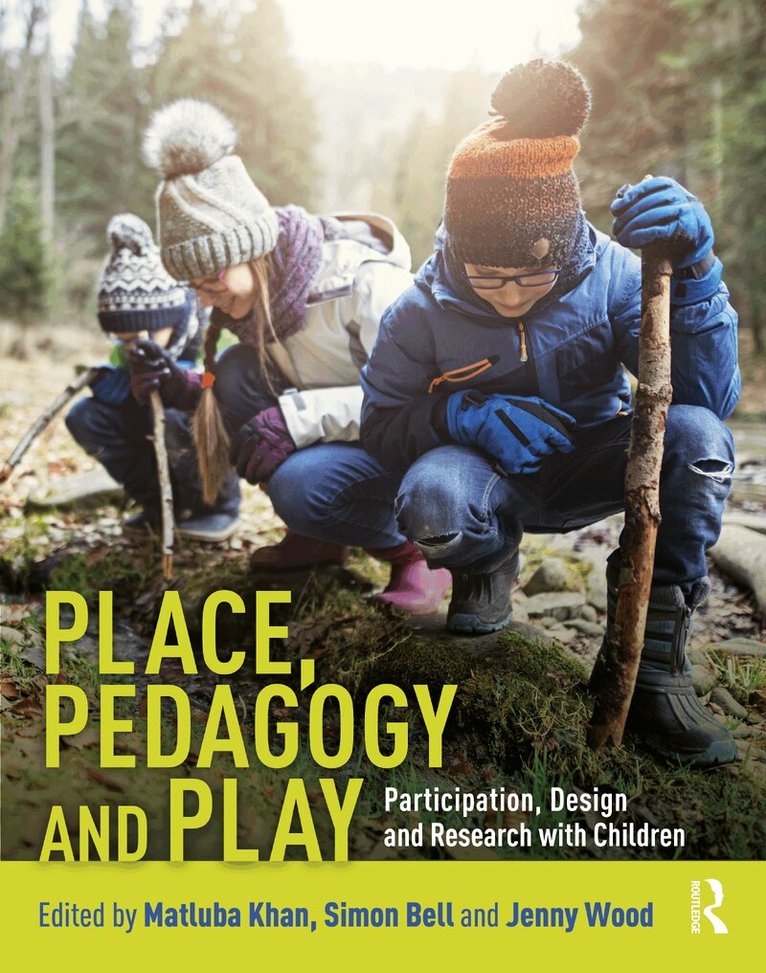
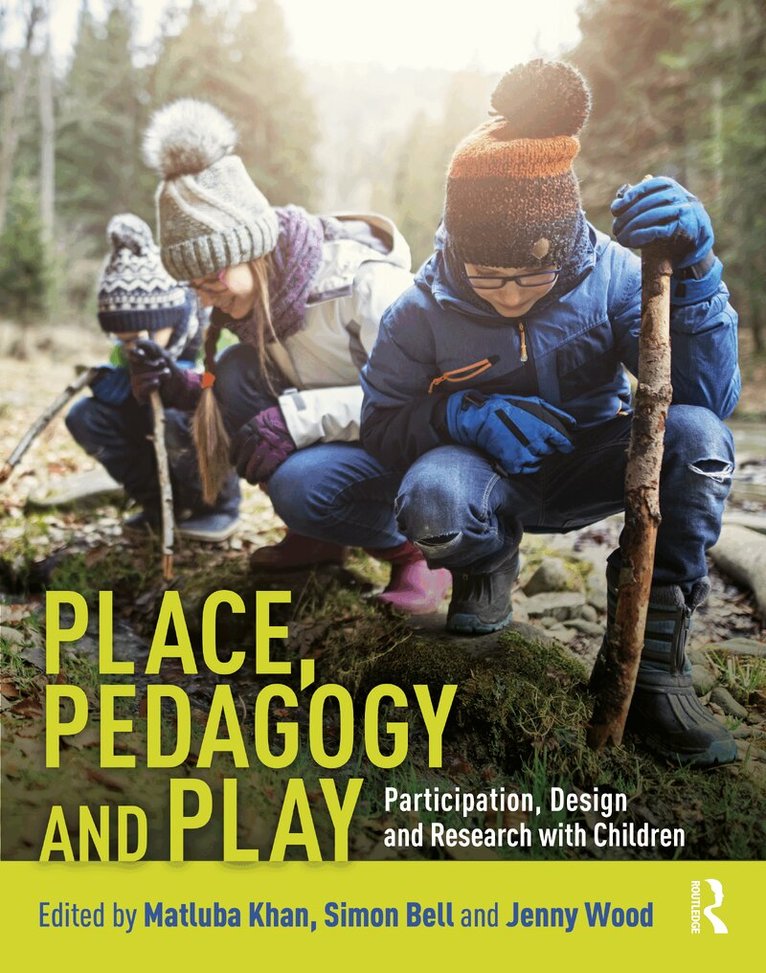
Place, Pedagogy and Play connects landscape architecture with education, psychology, public health and planning. Over the course of thirteen chapters it examines how design and research of places can be approached through multiple lenses – of pedagogy and play and how children, as competent social agents, are engaged in the process of designing their own spaces – and brings a global perspective to the debate around child-friendly environments.Despite growing evidence of the benefits of nature for health, wellbeing, play and learning, children are increasingly spending more time indoors. Indeed, new policy ideas and public campaigns suggest how children can become better connected with nature, yet linking outdoor space to pedagogy is largely overlooked in research. By focusing on three themes within these debates, place and play; place and pedagogy; and place and participation, this book explores a variety of angles to show that best practice requires dialogue between research disciplines, designers, educationists and psychologists, and a move beyond seeing the spaces children inhabit as the domain only of childhood professionals.Through illustrated case studies this book presents a wider picture of the state of childhood today, and offers practical solutions and further research avenues that promote a more holistic and internationally focused perspective on place, pedagogy and play for built-environment professionals.Chapter 12 of this book is freely available as a downloadable Open Access PDF at http://www.taylorfrancis.com under a Creative Commons Attribution-Non Commercial-No Derivatives (CC-BY-NC-ND) 4.0 license. - Häftad, Engelska, 2020
843 kr
Skickas inom 10-15 vardagar
Place, Pedagogy and Play connects landscape architecture with education, psychology, public health and planning. Over the course of thirteen chapters it examines how design and research of places can be approached through multiple lenses – of pedagogy and play and how children, as competent social agents, are engaged in the process of designing their own spaces – and brings a global perspective to the debate around child-friendly environments.Despite growing evidence of the benefits of nature for health, wellbeing, play and learning, children are increasingly spending more time indoors. Indeed, new policy ideas and public campaigns suggest how children can become better connected with nature, yet linking outdoor space to pedagogy is largely overlooked in research. By focusing on three themes within these debates, place and play; place and pedagogy; and place and participation, this book explores a variety of angles to show that best practice requires dialogue between research disciplines, designers, educationists and psychologists, and a move beyond seeing the spaces children inhabit as the domain only of childhood professionals.Through illustrated case studies this book presents a wider picture of the state of childhood today, and offers practical solutions and further research avenues that promote a more holistic and internationally focused perspective on place, pedagogy and play for built-environment professionals.Chapter 12 of this book is freely available as a downloadable Open Access PDF at http://www.taylorfrancis.com under a Creative Commons Attribution-Non Commercial-No Derivatives (CC-BY-NC-ND) 4.0 license. - Inbunden, Engelska, 2021
2 560 kr
Skickas inom 10-15 vardagar
This book presents an evidence-based approach to landscape planning and design for urban blue spaces that maximises the benefits to human health and well-being while minimising the risks. Based on applied research and evidence from primary and secondary data sources stemming from the EU-funded BlueHealth project, the book presents nature-based solutions to promote sustainable and resilient cities.Numerous cities around the world are located alongside bodies of water in the form of coastlines, lakes, rivers and canals, but the relationship between city inhabitants and these water sources has often been ambivalent. In many cities, water has been polluted, engineered or ignored completely. But, due to an increasing awareness of the strong connections between city, people, nature and water and health, this paradigm is shifting.The international editorial team, consisting of researchers and professionals across several disciplines, leads the reader through theoretical aspects, evidence, illustrated case studies, risk assessment and a series of validated tools to aid planning and design before finishing with overarching planning and design principles for a range of blue-space types. Over 200 full-colour illustrations accompany the case-study examples from geographic locations all over the world, including Portugal, the United Kingdom, China, Canada, the US, South Korea, Singapore, Norway and Estonia. With green and blue infrastructure now at the forefront of current policies and trends to promote healthy, sustainable cities, Urban Blue Spaces is a must-have for professionals and students in landscape planning, urban design and environmental design.Open Access for the book was funded by the European Union's Horizon 2020 research and innovation programme under grant agreement No 666773The Open Access version of this book, available atwww.taylorfrancis.com/books/oa-edit/10.4324/9780429056161, has been made available under a Creative Commons Attribution-Non Commercial-No Derivatives 4.0 license - Inbunden, Engelska, 2030
1 162 kr
Kommande
Modernist Reinventions of the Rural Landscape explores rural topographies produced by large-scale agricultural development and colonisation schemes planned and carried out in the 20th Century. Based on applied research conducted as part of an EU-funded project, this book collates material from an interdisciplinary and international consortium of leading and early-career researchers. Over the course of the book, eleven case studies throughout Europe and beyond are studied to investigate Modernist rural development schemes which were pivotal to Nation, and State, building policies. They provided a testing ground for the ideas of scientists, architects, engineers, planners, landscape architects and artists, who converged around a shared challenge. The book focuses on a number of interrelated themes: the politics and policies of modernisation, agricultural development and internal colonisation; the landscapes produced by the implementation of these policies, the Modernist architecture created in planned settlements; the means by which these were promoted and celebrated in propaganda and culture; the memories of people who lived through these times and the question of what to do with many of the remains of these settlements in terms of cultural heritage. Using a wide range of evidence-based research from primary and secondary data sources, including policy analysis, archival material, field surveys, historical landscape mapping and interviews, illustrated in full colour, this book covers a field of growing importance for landscape planning, heritage management and architectural history. - Häftad, Engelska, 2020
780 kr
Skickas inom 10-15 vardagar
This handbook provides researchers and students with an overview of the field of sustainability indicators (SIs) as applied in the interdisciplinary field of sustainable development. The editors have sought to include views from the center ground of SI development but also divergent ideas which represent some of the diverse, challenging and even edgy observations which are prominent in the wider field of SI thinking. The contributions in this handbook:• clearly set out the theoretical background and history of SIs, their origins, roots and initial goals• expand on the disciplines and modalities employed to develop SIs of various kinds• assess the various ways in which SI data are gathered and the availability (over space and time) and quality issues that surround them • explore the multiplex world of SIs as expressed in agencies around the world, via examples of SI practice and the lessons that have emerged from them• critically review the progress that SIs have made over the last 30 years• express the divergence of views which are held about the value of SIs, including differing theories on their efficacy, efficiency and ethics • explore the frontier of contemporary SI thinking, reviewing ante/post and systemic alternativesThis multidisciplinary and international handbook will be of great interest to researchers, students and practitioners working in sustainability research and practice. - Häftad, Engelska, 2008
1 640 kr
Skickas inom 10-15 vardagar
Design for Outdoor Recreation takes a detailed look at all aspects of design of facilities needed by visitors to outdoor recreation destinations. The book is a comprehensive manual for planners, designers and managers of recreation taking them through the processes of design and enabling them to find the most appropriate balance between visitor needs and the capacity of the landscape. A range of different aspects are covered including car parking, information signing, hiking, waterside activities, wildlife watching and camping. This second edition incorporates new examples from overseas, including Australia, New Zealand, Japan and Eastern Europe as well as focusing on more current issues such as accessibility and the changing demands for recreational use. - Inbunden, Engelska, 2008
2 486 kr
Skickas inom 10-15 vardagar
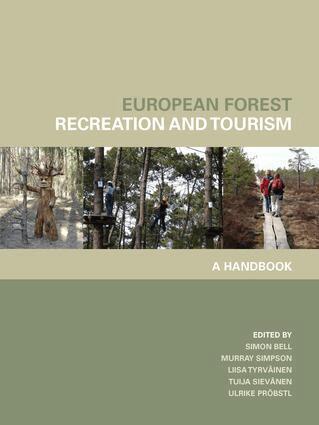
*Please note the 2015 paperback is a reprint of the original 2008 hardback*In an increasingly urbanized world more and more people are turning to our forests and woodland for recreation and tourism. Planning and providing for this growing demand poses challenges that need to be addressed by managers and designers alike.Based on a study of forest recreation from across Europe, the editors bring together the expertise of more than eighty leading professionals and academics to provide a clear and concise guide to best practice. Case studies and careful research give a detailed insight into the issues that forest recreation raises, from strategic planning to integration into the existing rural economy.Essential reading for tourism planners, landscape designers and countryside managers delivering forest recreation and tourism. - Inbunden, Engelska, 2010
2 560 kr
Skickas inom 10-15 vardagar
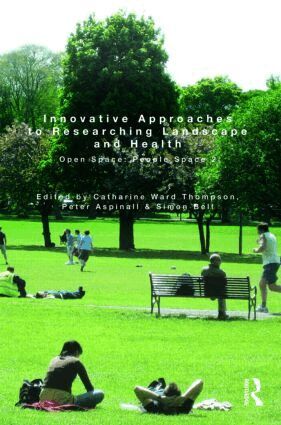
Our modern lifestyles often cause us to spend more time sitting behind a desk than being active outdoors. At the same time, our general health is deteriorating. The alarming rise in obesity, sedentary lifestyles and mental ill-health across the developed world has resulted in an urgent desire to understand how the environment, in particular the outdoor environment, influences health. This book addresses the growing interest in salutogenic environments - landscapes that support healthy lifestyles and promote well-being – and the need for innovative methods to research them. Drawing on multidisciplinary approaches from environmental psychology, health sciences, urban design, landscape architecture and horticulture, it questions how future research can be better targeted to inform policy and practice in health promotion.The contributing authors are international experts in researching landscape, health and the environment, drawn together by OPENspace directors who have a unique reputation in this area. This pioneering book is a valuable resource for postgraduate researchers and practitioners in both environmental and health studies. - Inbunden, Engelska, 2012
3 125 kr
Skickas inom 10-15 vardagar
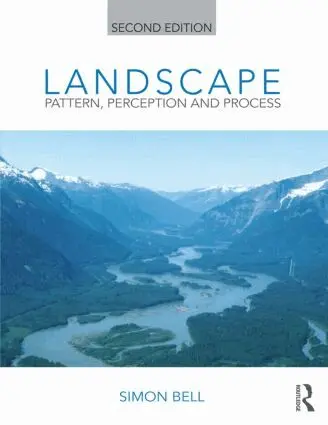
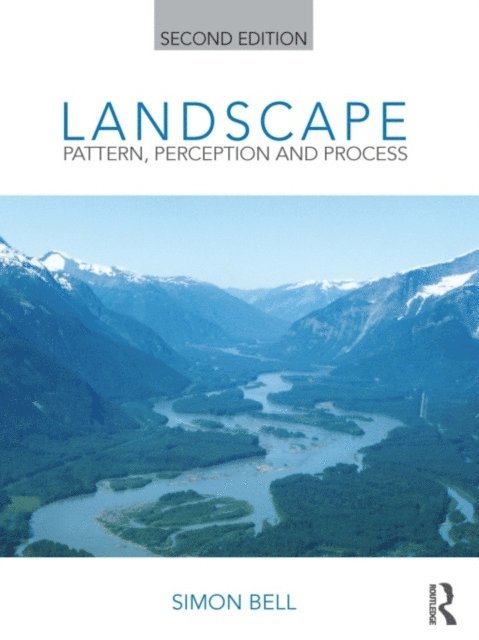
Landscapes develop and evolve through an interacting series of processes – climatic, geological, ecological and cultural – over varying periods of time. These processes shape the structure and character of the landscapes which we experience. Over time, distinctive patterns emerge – ranging in scale from the distribution of small plants to the sculptured sides of a huge canyon. Our perception of these patterns goes beyond just their visual appreciation – beautiful though they may be – into a richer understanding of how we experience our environment.By understanding this complex pattern–process interaction we can obtain a deeper awareness of landscape and our place in it – as inhabitants and as shapers. The book explores the nature of patterns and ways of classifying them before studying the nature of perception (primarily visual but including other senses), then proceeds to relate this perception to aesthetics and from there to the design process. From this point the main driving processes in landscape are introduced alongside the resulting patterns, these being climatic, landform, ecosystem and cultural aspects.It is this integrative approach of looking at landscape as a kind of self-organising system, overlaid by conscious human planning activities and the unity of pattern and process, which makes this book unique. Landscape draws from a wide range of neighbouring disciplines, of which the landscape planner or designer needs to be aware, but which are often taught as distinct elements. Bell binds these fundamentals together, which enables the landscape to be ‘read’, and this reading to be used as the basis for planning and design.This second edition updates and refreshes the original material with added sections and new photos, particularly making use of the developments in satellite photography. Featuring full colour throughout, this textbook is ideal for anyone studying landscape architecture or any of the disciplines which intersect with the landscape, and which affect it. - Häftad, Engelska, 2012
868 kr
Skickas inom 10-15 vardagar
Landscapes develop and evolve through an interacting series of processes – climatic, geological, ecological and cultural – over varying periods of time. These processes shape the structure and character of the landscapes which we experience. Over time, distinctive patterns emerge – ranging in scale from the distribution of small plants to the sculptured sides of a huge canyon. Our perception of these patterns goes beyond just their visual appreciation – beautiful though they may be – into a richer understanding of how we experience our environment.By understanding this complex pattern–process interaction we can obtain a deeper awareness of landscape and our place in it – as inhabitants and as shapers. The book explores the nature of patterns and ways of classifying them before studying the nature of perception (primarily visual but including other senses), then proceeds to relate this perception to aesthetics and from there to the design process. From this point the main driving processes in landscape are introduced alongside the resulting patterns, these being climatic, landform, ecosystem and cultural aspects.It is this integrative approach of looking at landscape as a kind of self-organising system, overlaid by conscious human planning activities and the unity of pattern and process, which makes this book unique. Landscape draws from a wide range of neighbouring disciplines, of which the landscape planner or designer needs to be aware, but which are often taught as distinct elements. Bell binds these fundamentals together, which enables the landscape to be ‘read’, and this reading to be used as the basis for planning and design.This second edition updates and refreshes the original material with added sections and new photos, particularly making use of the developments in satellite photography. Featuring full colour throughout, this textbook is ideal for anyone studying landscape architecture or any of the disciplines which intersect with the landscape, and which affect it. - Inbunden, Engelska, 2011
3 125 kr
Skickas inom 10-15 vardagar
What have cultural anthropologists, historical geographers, landscape ecologists and environmental artists got in common? Along with eight other disciplines, from domains as diverse as planning and design, the arts and humanities as well as the social and natural sciences, they are all fields of importance to the theory and practice of landscape architecture.In the context of the EU funded LE:NOTRE Project, carried out under the auspices of ECLAS, the European Council of Landscape Architecture Schools, international experts from a wide range of related fields were asked to reflect, each from their own perspective, on the interface between their discipline and landscape architecture. The resulting insights presented in this book represent an important contribution to the development the discipline of landscape architecture, as well as suggesting new ways in which future collaboration can help to create a greater interdisciplinary richness at a time when the awareness of the importance of the landscape is growing across a wide range of disciplines.Exploring the Boundaries of Landscape Architecture is the first systematic attempt to explore the territory at the boundaries of landscape architecture. It addresses academics, professionals and students, not just from landscape architecture but also from its neighbouring discipline, all of whom will benefit from a better understanding their areas of shared interest and the chance to develop a common language with which to converse. - Häftad, Engelska, 2011
942 kr
Skickas inom 10-15 vardagar
What have cultural anthropologists, historical geographers, landscape ecologists and environmental artists got in common? Along with eight other disciplines, from domains as diverse as planning and design, the arts and humanities as well as the social and natural sciences, they are all fields of importance to the theory and practice of landscape architecture.In the context of the EU funded LE:NOTRE Project, carried out under the auspices of ECLAS, the European Council of Landscape Architecture Schools, international experts from a wide range of related fields were asked to reflect, each from their own perspective, on the interface between their discipline and landscape architecture. The resulting insights presented in this book represent an important contribution to the development the discipline of landscape architecture, as well as suggesting new ways in which future collaboration can help to create a greater interdisciplinary richness at a time when the awareness of the importance of the landscape is growing across a wide range of disciplines.Exploring the Boundaries of Landscape Architecture is the first systematic attempt to explore the territory at the boundaries of landscape architecture. It addresses academics, professionals and students, not just from landscape architecture but also from its neighbouring discipline, all of whom will benefit from a better understanding their areas of shared interest and the chance to develop a common language with which to converse. - E-bokEngelska, 2020
960 kr
Läs direkt efter köp
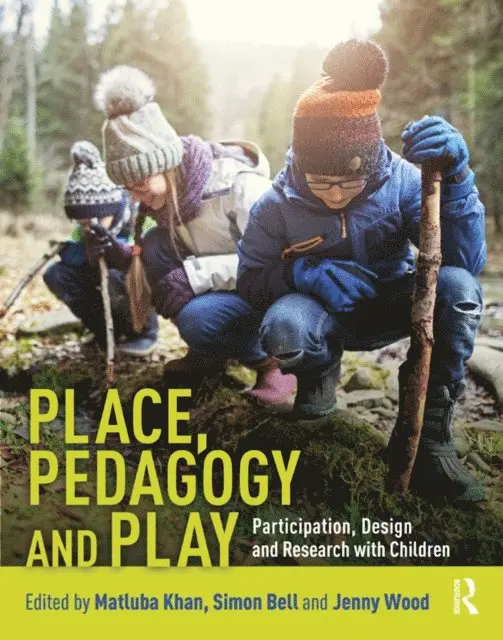
Place, Pedagogy and Play connects landscape architecture with education, psychology, public health and planning. Over the course of thirteen chapters it examines how design and research of places can be approached through multiple lenses – of pedagogy and play and how children, as competent social agents, are engaged in the process of designing their own spaces – and brings a global perspective to the debate around child-friendly environments.
Despite growing evidence of the benefits of nature for health, wellbeing, play and learning, children are increasingly spending more time indoors. Indeed, new policy ideas and public campaigns suggest how children can become better connected with nature, yet linking outdoor space to pedagogy is largely overlooked in research. By focusing on three themes within these debates, place and play; place and pedagogy; and place and participation, this book explores a variety of angles to show that best practice requires dialogue between research disciplines, designers, educationists and psychologists, and a move beyond seeing the spaces children inhabit as the domain only of childhood professionals.
Through illustrated case studies this book presents a wider picture of the state of childhood today, and offers practical solutions and further research avenues that promote a more holistic and internationally focused perspective on place, pedagogy and play for built-environment professionals.
Chapter 12 of this book is freely available as a downloadable Open Access PDF at http://www.taylorfrancis.com under a Creative Commons Attribution-Non Commercial-No Derivatives (CC-BY-NC-ND) 4.0 license.
- E-bokPDF, Engelska, 2020
960 kr
Läs direkt efter köp
Place, Pedagogy and Play connects landscape architecture with education, psychology, public health and planning. Over the course of thirteen chapters it examines how design and research of places can be approached through multiple lenses – of pedagogy and play and how children, as competent social agents, are engaged in the process of designing their own spaces – and brings a global perspective to the debate around child-friendly environments.
Despite growing evidence of the benefits of nature for health, wellbeing, play and learning, children are increasingly spending more time indoors. Indeed, new policy ideas and public campaigns suggest how children can become better connected with nature, yet linking outdoor space to pedagogy is largely overlooked in research. By focusing on three themes within these debates, place and play; place and pedagogy; and place and participation, this book explores a variety of angles to show that best practice requires dialogue between research disciplines, designers, educationists and psychologists, and a move beyond seeing the spaces children inhabit as the domain only of childhood professionals.
Through illustrated case studies this book presents a wider picture of the state of childhood today, and offers practical solutions and further research avenues that promote a more holistic and internationally focused perspective on place, pedagogy and play for built-environment professionals.
Chapter 12 of this book is freely available as a downloadable Open Access PDF at http://www.taylorfrancis.com under a Creative Commons Attribution-Non Commercial-No Derivatives (CC-BY-NC-ND) 4.0 license.
- E-bokPDF, Engelska, 2019
820 kr
Läs direkt efter köp
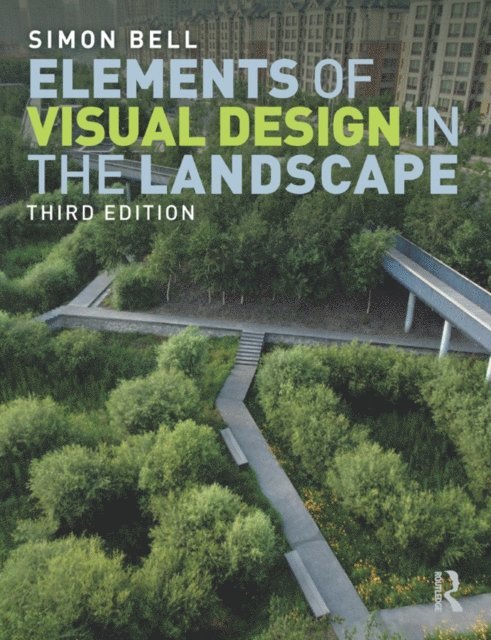
What makes a visually appealing landscape? How can the design and use of a landscape be harmonized? In this significantly revised and updated third edition of Simon Bell''s seminal text, he further explores the answers to these questions by interrogating a range of design principles, applications and ideas.
Written for students, instructors and professionals, the book unveils a visual design vocabulary for anyone involved with landscape aesthetics including landscape architects, architects, planners, urban designers, landscape managers, foresters, geographers and ecologists. Structured around key design terms, which are explained and illustrated using an extensive range of examples from around the world, including North America, Europe and Asia, this book enables you to describe, debate and design the visual landscape. It starts with basic elements, before moving onto variable design components, and then the ways these elements are organized into compositions, in order to demonstrate how landscapes are created and how meanings and patterns are perceived within them.
This new full colour edition contains over 240 images; an updated introduction; examples from China, Vietnam and central Asia; a chapter on how to read and understand visual design elements in the landscape; a teaching model for instructors; and expanded appendix materials including a glossary, references and further reading.
- E-bokEngelska, 2019
820 kr
Läs direkt efter köp
What makes a visually appealing landscape? How can the design and use of a landscape be harmonized? In this significantly revised and updated third edition of Simon Bell''s seminal text, he further explores the answers to these questions by interrogating a range of design principles, applications and ideas.
Written for students, instructors and professionals, the book unveils a visual design vocabulary for anyone involved with landscape aesthetics including landscape architects, architects, planners, urban designers, landscape managers, foresters, geographers and ecologists. Structured around key design terms, which are explained and illustrated using an extensive range of examples from around the world, including North America, Europe and Asia, this book enables you to describe, debate and design the visual landscape. It starts with basic elements, before moving onto variable design components, and then the ways these elements are organized into compositions, in order to demonstrate how landscapes are created and how meanings and patterns are perceived within them.
This new full colour edition contains over 240 images; an updated introduction; examples from China, Vietnam and central Asia; a chapter on how to read and understand visual design elements in the landscape; a teaching model for instructors; and expanded appendix materials including a glossary, references and further reading.
- E-bokEngelska, 2008
1 919 kr
Läs direkt efter köp
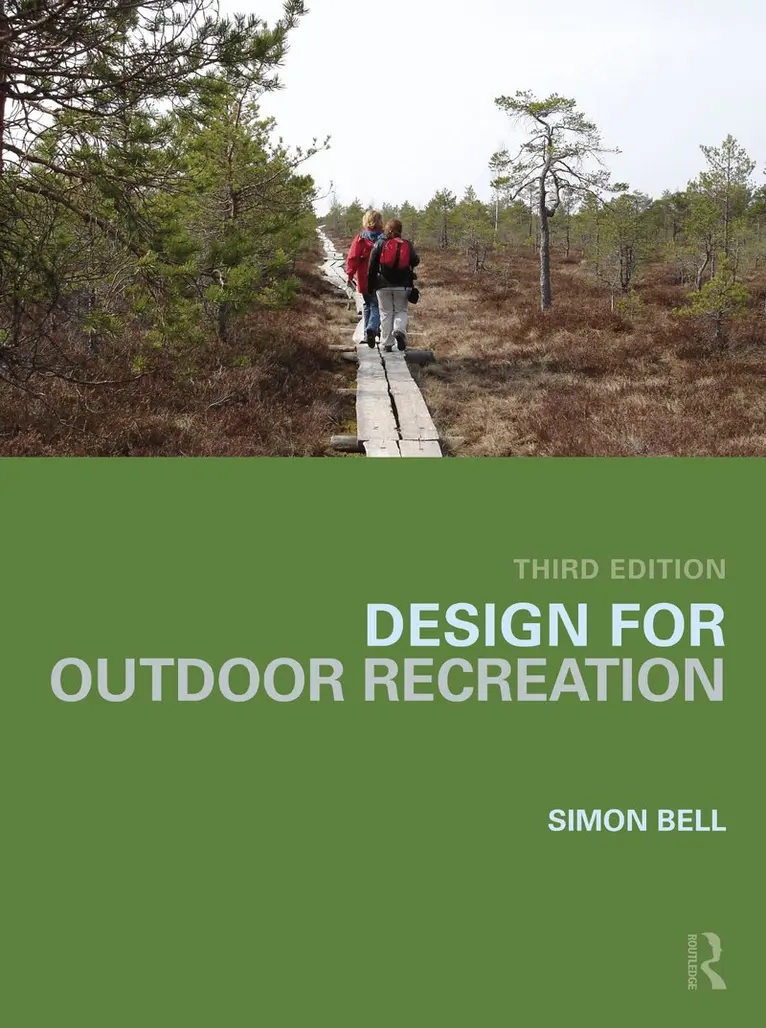
Design for Outdoor Recreation takes a detailed look at all aspects of design of facilities needed by visitors to outdoor recreation destinations. The book is a comprehensive manual for planners, designers and managers of recreation taking them through the processes of design and enabling them to find the most appropriate balance between visitor needs and the capacity of the landscape. A range of different aspects are covered including car parking, information signing, hiking, waterside activities, wildlife watching and camping. This second edition incorporates new examples from overseas, including Australia, New Zealand, Japan and Eastern Europe as well as focusing on more current issues such as accessibility and the changing demands for recreational use. - E-bokPDF, Engelska, 2008
1 919 kr
Läs direkt efter köp
Design for Outdoor Recreation takes a detailed look at all aspects of design of facilities needed by visitors to outdoor recreation destinations. The book is a comprehensive manual for planners, designers and managers of recreation taking them through the processes of design and enabling them to find the most appropriate balance between visitor needs and the capacity of the landscape. A range of different aspects are covered including car parking, information signing, hiking, waterside activities, wildlife watching and camping. This second edition incorporates new examples from overseas, including Australia, New Zealand, Japan and Eastern Europe as well as focusing on more current issues such as accessibility and the changing demands for recreational use. - E-bokEngelska, 2013
758 kr
Läs direkt efter köp
In Learning with Information Systems the author takes the developing world as the context and through a series of case studies develops a commonly used systems analysis methodology. He demonstrates how this methodology can evolve and adapt as new ideas become prominent. Issues of sustainability of information systems, participation in systems design and user ownership of systems are all examined. This book does not attempt to be prescriptive for all contexts nor does it focus on any particular technology. It addresses the essential questions and promises practical approaches which will help in the avoidance of the worst forms of disaster associated with the planning of information systems for developing countries.
- E-bokPDF, Engelska, 2013
758 kr
Läs direkt efter köp
In Learning with Information Systems the author takes the developing world as the context and through a series of case studies develops a commonly used systems analysis methodology. He demonstrates how this methodology can evolve and adapt as new ideas become prominent. Issues of sustainability of information systems, participation in systems design and user ownership of systems are all examined. This book does not attempt to be prescriptive for all contexts nor does it focus on any particular technology. It addresses the essential questions and promises practical approaches which will help in the avoidance of the worst forms of disaster associated with the planning of information systems for developing countries.
- E-bokEngelska, 2009
890 kr
Läs direkt efter köp
*Please note the 2015 paperback is a reprint of the original 2008 hardback*
In an increasingly urbanized world more and more people are turning to our forests and woodland for recreation and tourism. Planning and providing for this growing demand poses challenges that need to be addressed by managers and designers alike.
Based on a study of forest recreation from across Europe, the editors bring together the expertise of more than eighty leading professionals and academics to provide a clear and concise guide to best practice. Case studies and careful research give a detailed insight into the issues that forest recreation raises, from strategic planning to integration into the existing rural economy.
Essential reading for tourism planners, landscape designers and countryside managers delivering forest recreation and tourism.
- E-bokPDF, Engelska, 2009
890 kr
Läs direkt efter köp
*Please note the 2015 paperback is a reprint of the original 2008 hardback*
In an increasingly urbanized world more and more people are turning to our forests and woodland for recreation and tourism. Planning and providing for this growing demand poses challenges that need to be addressed by managers and designers alike.
Based on a study of forest recreation from across Europe, the editors bring together the expertise of more than eighty leading professionals and academics to provide a clear and concise guide to best practice. Case studies and careful research give a detailed insight into the issues that forest recreation raises, from strategic planning to integration into the existing rural economy.
Essential reading for tourism planners, landscape designers and countryside managers delivering forest recreation and tourism.
- E-bokEngelska, 2007
890 kr
Läs direkt efter köp
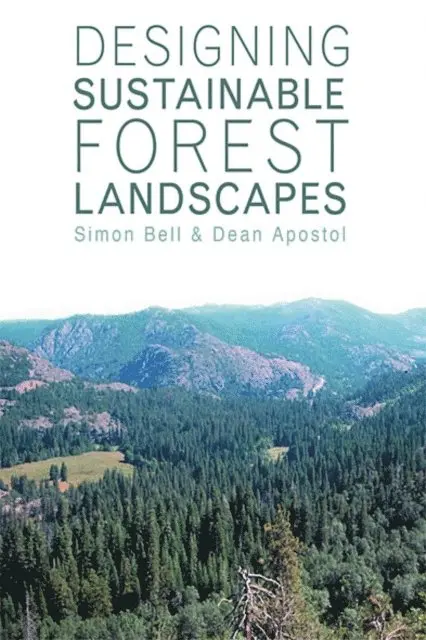
Designing Sustainable Forest Landscapes is a definitive guide to the design and management of forest landscapes, covering the theory and principles of forest design as well as providing practical guidance on methods and tools. Including a variety of international case studies the book focuses on ecosystem regeneration, the management of natural forests and the management of plantation forests. Using visualisation techniques, design processes and evaluation techniques it looks at promoting landscapes which are designed to optimise the balance between human intervention and natural evolution.
A comprehensive, practical and accessible book, Designing Sustainable Forest Landscapes is essential reading for all those involved in forestry and landscape professions.
- E-bokPDF, Engelska, 2007
890 kr
Läs direkt efter köp
Designing Sustainable Forest Landscapes is a definitive guide to the design and management of forest landscapes, covering the theory and principles of forest design as well as providing practical guidance on methods and tools. Including a variety of international case studies the book focuses on ecosystem regeneration, the management of natural forests and the management of plantation forests. Using visualisation techniques, design processes and evaluation techniques it looks at promoting landscapes which are designed to optimise the balance between human intervention and natural evolution.
A comprehensive, practical and accessible book, Designing Sustainable Forest Landscapes is essential reading for all those involved in forestry and landscape professions.
- E-bokEngelska, 2012
1 012 kr
Läs direkt efter köp
Landscapes develop and evolve through an interacting series of processes – climatic, geological, ecological and cultural – over varying periods of time. These processes shape the structure and character of the landscapes which we experience. Over time, distinctive patterns emerge – ranging in scale from the distribution of small plants to the sculptured sides of a huge canyon. Our perception of these patterns goes beyond just their visual appreciation – beautiful though they may be – into a richer understanding of how we experience our environment.
By understanding this complex pattern–process interaction we can obtain a deeper awareness of landscape and our place in it – as inhabitants and as shapers. The book explores the nature of patterns and ways of classifying them before studying the nature of perception (primarily visual but including other senses), then proceeds to relate this perception to aesthetics and from there to the design process. From this point the main driving processes in landscape are introduced alongside the resulting patterns, these being climatic, landform, ecosystem and cultural aspects.
It is this integrative approach of looking at landscape as a kind of self-organising system, overlaid by conscious human planning activities and the unity of pattern and process, which makes this book unique. Landscape draws from a wide range of neighbouring disciplines, of which the landscape planner or designer needs to be aware, but which are often taught as distinct elements. Bell binds these fundamentals together, which enables the landscape to be ‘read’, and this reading to be used as the basis for planning and design.
This second edition updates and refreshes the original material with added sections and new photos, particularly making use of the developments in satellite photography. Featuring full colour throughout, this textbook is ideal for anyone studying landscape architecture or any of the disciplines which intersect with the landscape, and which affect it.
- E-bokPDF, Engelska, 2012
1 012 kr
Läs direkt efter köp
Landscapes develop and evolve through an interacting series of processes – climatic, geological, ecological and cultural – over varying periods of time. These processes shape the structure and character of the landscapes which we experience. Over time, distinctive patterns emerge – ranging in scale from the distribution of small plants to the sculptured sides of a huge canyon. Our perception of these patterns goes beyond just their visual appreciation – beautiful though they may be – into a richer understanding of how we experience our environment.
By understanding this complex pattern–process interaction we can obtain a deeper awareness of landscape and our place in it – as inhabitants and as shapers. The book explores the nature of patterns and ways of classifying them before studying the nature of perception (primarily visual but including other senses), then proceeds to relate this perception to aesthetics and from there to the design process. From this point the main driving processes in landscape are introduced alongside the resulting patterns, these being climatic, landform, ecosystem and cultural aspects.
It is this integrative approach of looking at landscape as a kind of self-organising system, overlaid by conscious human planning activities and the unity of pattern and process, which makes this book unique. Landscape draws from a wide range of neighbouring disciplines, of which the landscape planner or designer needs to be aware, but which are often taught as distinct elements. Bell binds these fundamentals together, which enables the landscape to be ‘read’, and this reading to be used as the basis for planning and design.
This second edition updates and refreshes the original material with added sections and new photos, particularly making use of the developments in satellite photography. Featuring full colour throughout, this textbook is ideal for anyone studying landscape architecture or any of the disciplines which intersect with the landscape, and which affect it.