A. de Vos – författare
Visar alla böcker från författaren A. de Vos. Handla med fri frakt och snabb leverans.
3 produkter
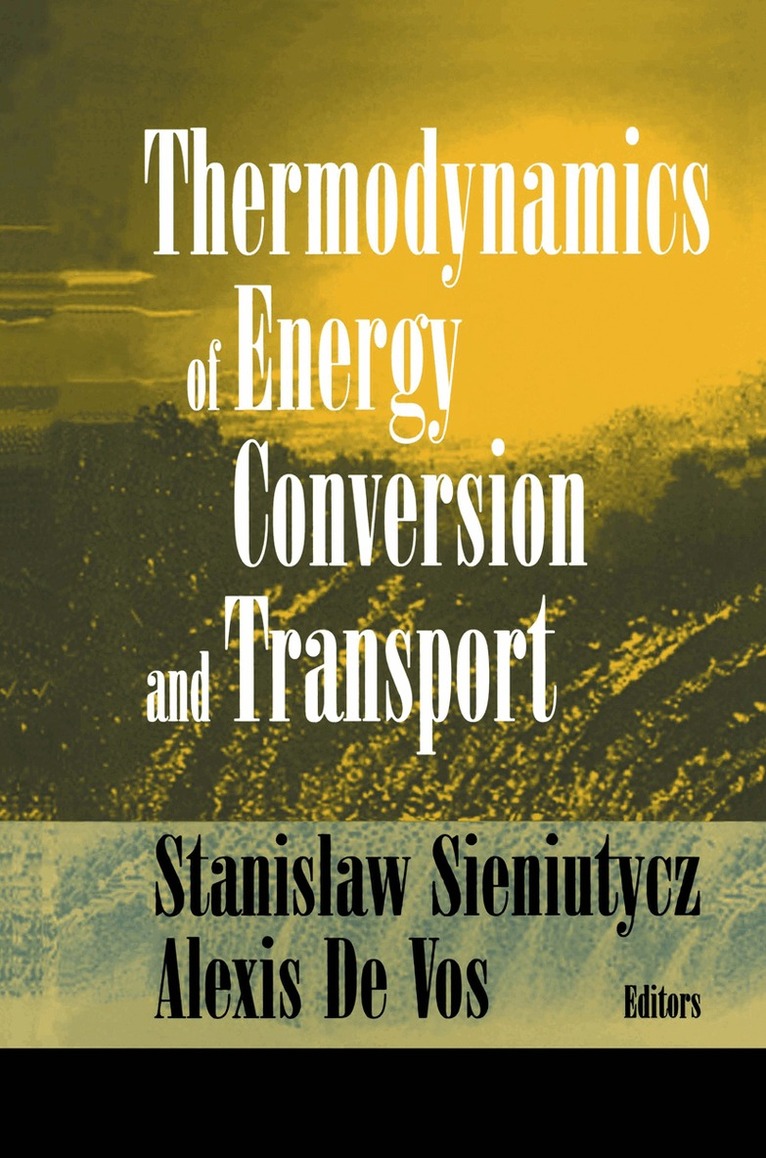
Thermodynamics of Energy Conversion and Transport
Av S. Sieniutycz, A. de Vos m. fl.
Inbunden, 2000
1639 kr
Lägg i varukorg
It is becoming more and more important to manage energy resources effectively: to maximize their benefits while minimizing the negative environmental impacts. Scientist and engineers are thus faced with the problem of optimizing complex systems subject to constraints from, ecology, economics, and …
Africa, the Devastated Continent?
Man’s impact on the ecology of Africa
Av A. de Vos
E-bok, 2012
1459 kr
Lägg i varukorg
Africa is not known as one of the more densely populated continents. Yet, the damaging marks of man''s activities may be seen there dramatically. Many of Africa''s ecological zones are fragile. Large scale soil erosion, resul tant cycles of drought and flash floods, downgrading of fauna and flora …
Africa, the Devastated Continent?
Man’s impact on the ecology of Africa
Av A. de Vos
Häftad, 2012
1095 kr
Lägg i varukorg
Africa is not known as one of the more densely populated continents. Yet, the damaging marks of man's activities may be seen there dramatically. Many of Africa's ecological zones are fragile. Large scale soil erosion, resul tant cycles of drought and flash floods, downgrading of fauna and flora …