A. H. M. Kamrul Ahsan - Böcker
Visar alla böcker från författaren A. H. M. Kamrul Ahsan. Handla med fri frakt och snabb leverans.
3 produkter
3 produkter
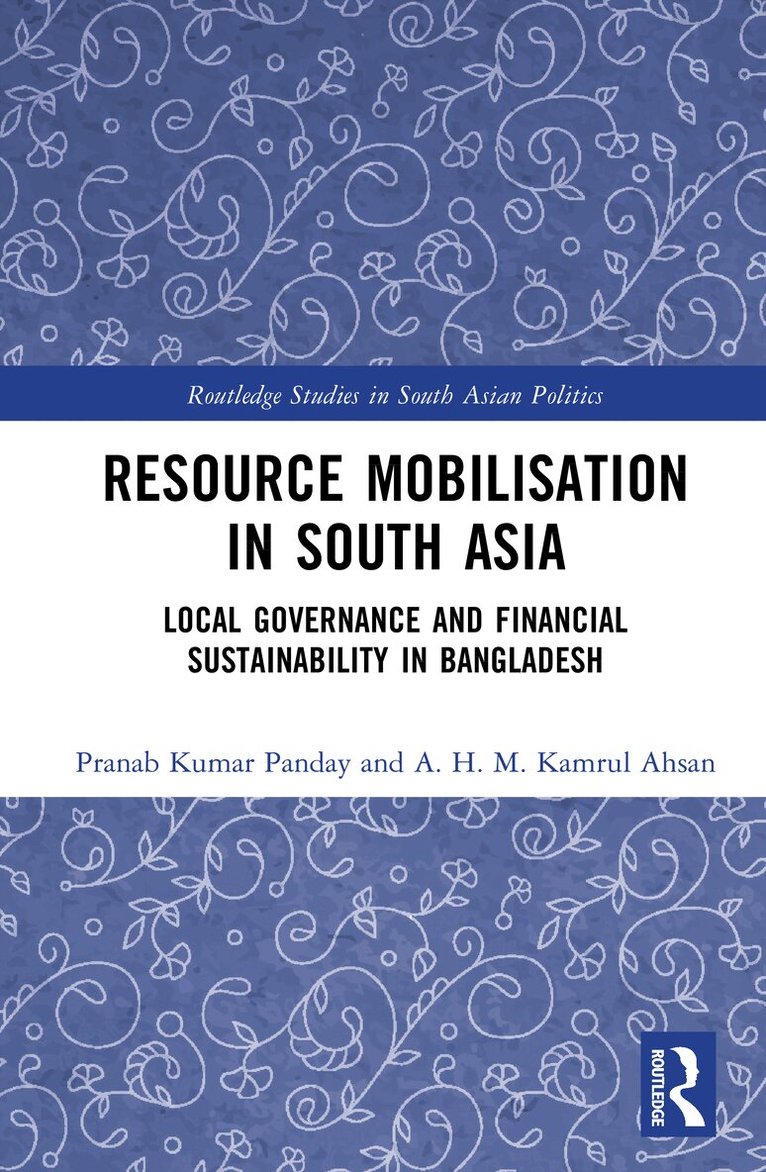
Resource Mobilisation in South Asia
Local Governance and Financial Sustainability in Bangladesh
Inbunden, Engelska, 2026
1 961 kr
Skickas inom 10-15 vardagar
This book analyses the challenges and possibilities connected to resource mobilisation in local government systems within South Asia; the book focuses on Bangladesh while placing the nation's experiences within the larger regional context alongside India, Nepal, and Sri Lanka.Local governments in South Asia operate within intricate political and administrative structures often marked by centralisation, limited financial autonomy, and socio-economic inequalities. Through case studies, surveys, and interviews, the book offers qualitative and quantitative data to provide a detailed investigation of resource mobilisation, and the chapters offer actionable solutions with practical illustrations for enhancing local government structures. The comparative approach acknowledges particular socio-economic and political contexts while identifying regional trends and transferable lessons for improving fiscal sustainability and governance reforms.The book will be of interest to academics and postgraduate students working in South Asian politics, Asian development, and public policy and governance studies more broadly. Scholars will benefit from relevant analysis examining decentralisation, fiscal federalism, and good local governance in contemporary policy debates.
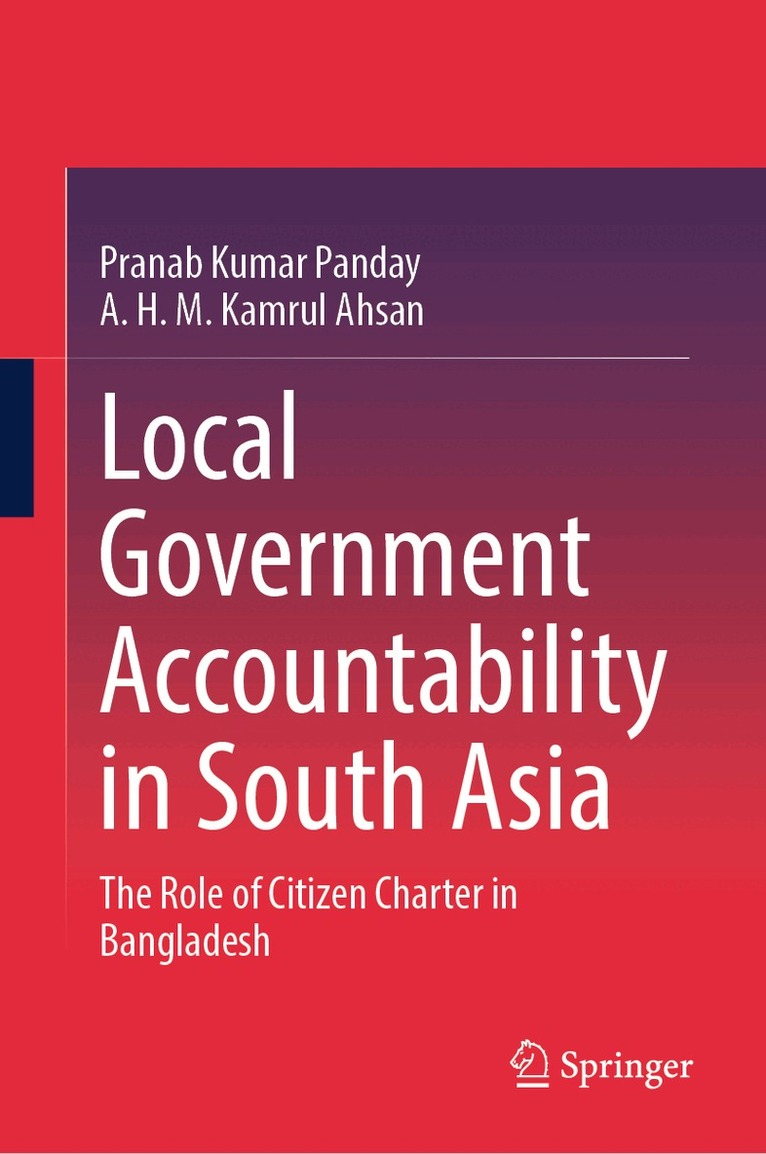
Local Government Accountability in South Asia
The Role of Citizen Charter in Bangladesh
Inbunden, Engelska, 2026
1 059 kr
Skickas inom 10-15 vardagar
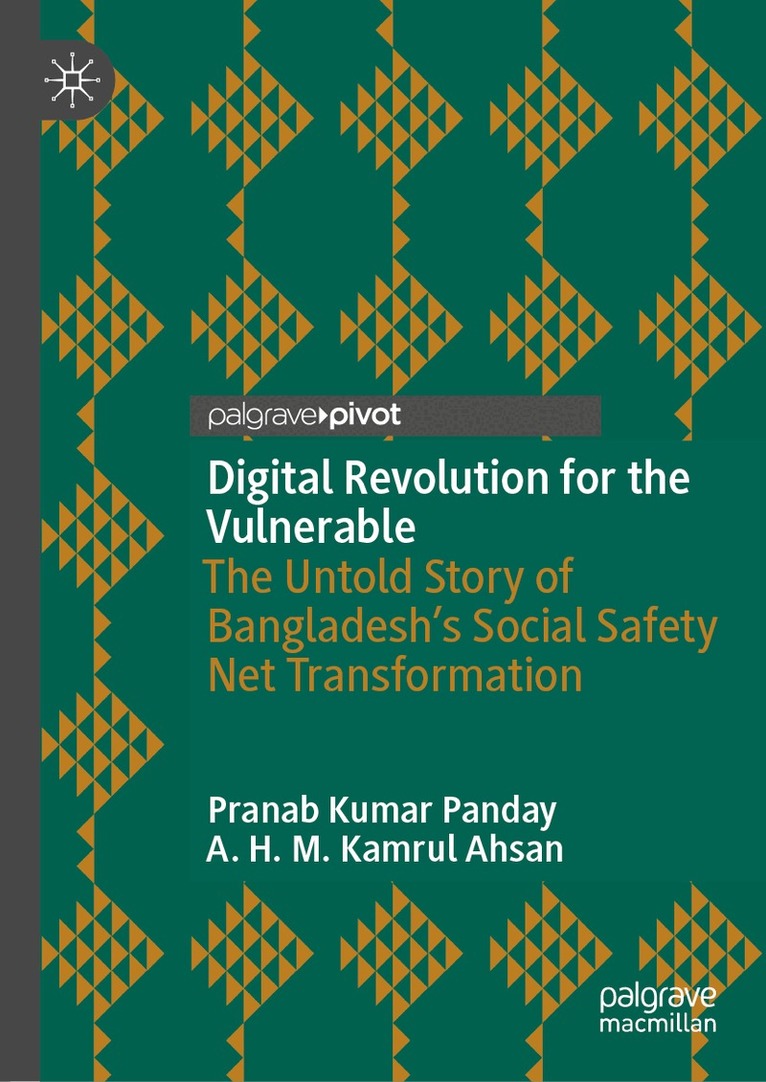
Digital Revolution for the Vulnerable
The Untold Story of Bangladesh’s Social Safety Net Transformation
Inbunden, Engelska, 2026
461 kr
Kommande
Digital Revolution for the Vulnerable tells a grounded, sometimes uncomfortable, and ultimately hopeful story about Bangladesh’s push to shift social protection from paper registers to mobile screens—from cash to code. Instead of getting lost in jargon and big promises, the book stays close to real lives: people receiving old age allowances, widows and destitute women relying on small but vital stipends, and the local officials trying to make a new system work. It traces how mobile money and government‑to‑person (G2P) payments can reduce leakage, sideline middlemen, and speed up transfers, while still leaving many behind because of gender norms, where they live, what they can read, and who holds power. Drawing on detailed fieldwork and clear-eyed policy thinking, the authors show what actually works on the ground, what falls apart in practice, and what needs to change so that digital cash transfers respect people’s dignity and strengthen their voice, rather than simply making the system more efficient.