A J Pollard – författare
Visar alla böcker från författaren A J Pollard. Handla med fri frakt och snabb leverans.
5 produkter
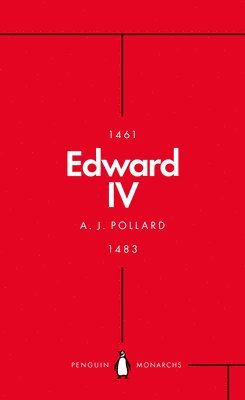
Edward IV (Penguin Monarchs)
The Summer King
Av A J Pollard
Häftad, 2019
2,0 utav 5 stjärnor. Totalt antal röster: (1)
104 kr
Lägg i varukorg
'Edward was a man of considerable charm, who perhaps relied too much upon that charm to keep tensions within his entourage at bay' In 1461 Edward earl of March, a handsome, charismatic eighteen-year old, usurped the English throne during the first and most fierce of the Wars of the Roses. The years …
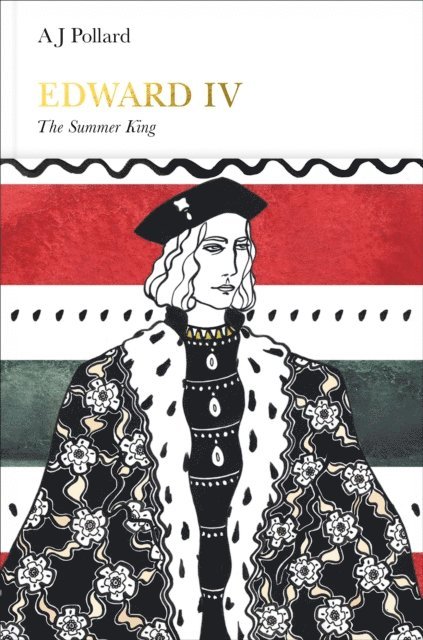
Edward IV (Penguin Monarchs)
The Summer King
Av A J Pollard
E-bok, 2016
57 kr
Lägg i varukorg
In 1461 Edward earl of March, an able, handsome, and charming eighteen-year old, usurped the English throne from his feeble Lancastrian predecessor Henry VI. Ten years on, following outbreaks of civil conflict that culminated in him losing, then regaining the crown, he had finally secured his …
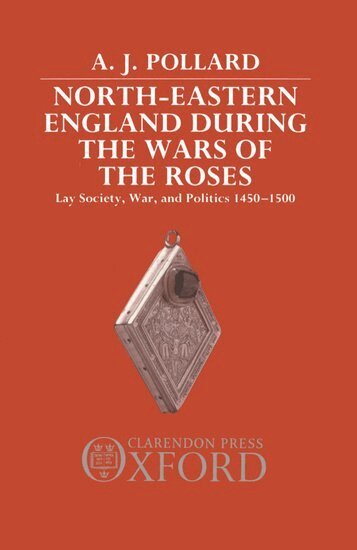
North-Eastern England during the Wars of the Roses
Lay Society, War, and Politics 1450-1500
Inbunden, 1990
2650 kr
Lägg i varukorg
This is the first modern scholarly study of north-eastern England during the Wars of the Roses. For a fleeting period in the late fifteenth century, the North dominated England: it was both the adopted home and the power base of Richard III. But this is more than simply an account of the rise and …
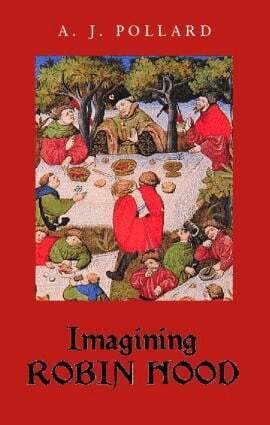
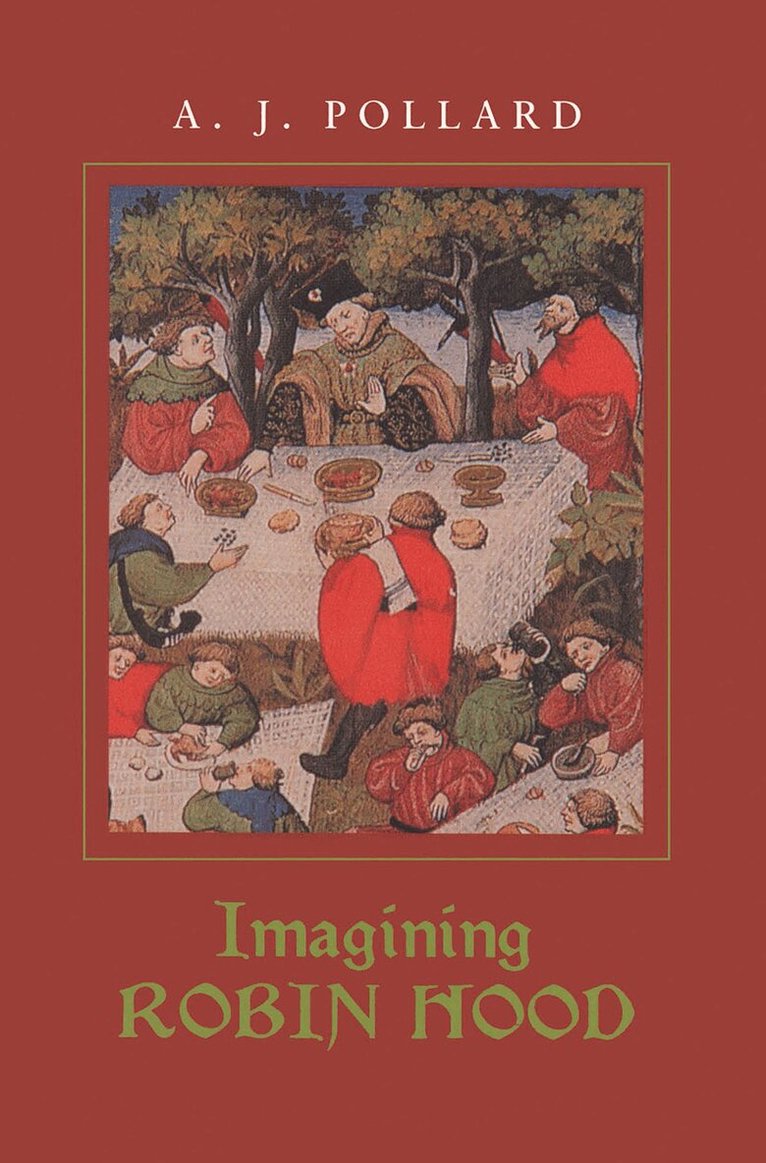
Imagining Robin Hood
The Late Medieval Stories in Historical Context
Av A J Pollard
Häftad, 2007
562 kr
Lägg i varukorg
A.J Pollard takes us back to the earliest surviving stories of Robin Hood, the stories, tales and ballads of the fifteenth century and he re-examines the story of this fascinating figure. Setting out the economic, social and political context of the time, Pollard illuminates the legend of this …
Imagining Robin Hood
The Late Medieval Stories in Historical Context
Av A J Pollard
Inbunden, 2004
985 kr
Tillfälligt slut
A.J. Pollard takes us back to the earliest surviving stories, tales and ballads of Robin Hood, and re-examines the story of this fascinating figure. Setting out the economic, social and political context of the time, Pollard illuminates the legend of this yeoman hero and champion of justice as …