A. Joan Saab - Böcker
Visar alla böcker från författaren A. Joan Saab. Handla med fri frakt och snabb leverans.
5 produkter
5 produkter
Del 3 - Perspectives on Sensory History
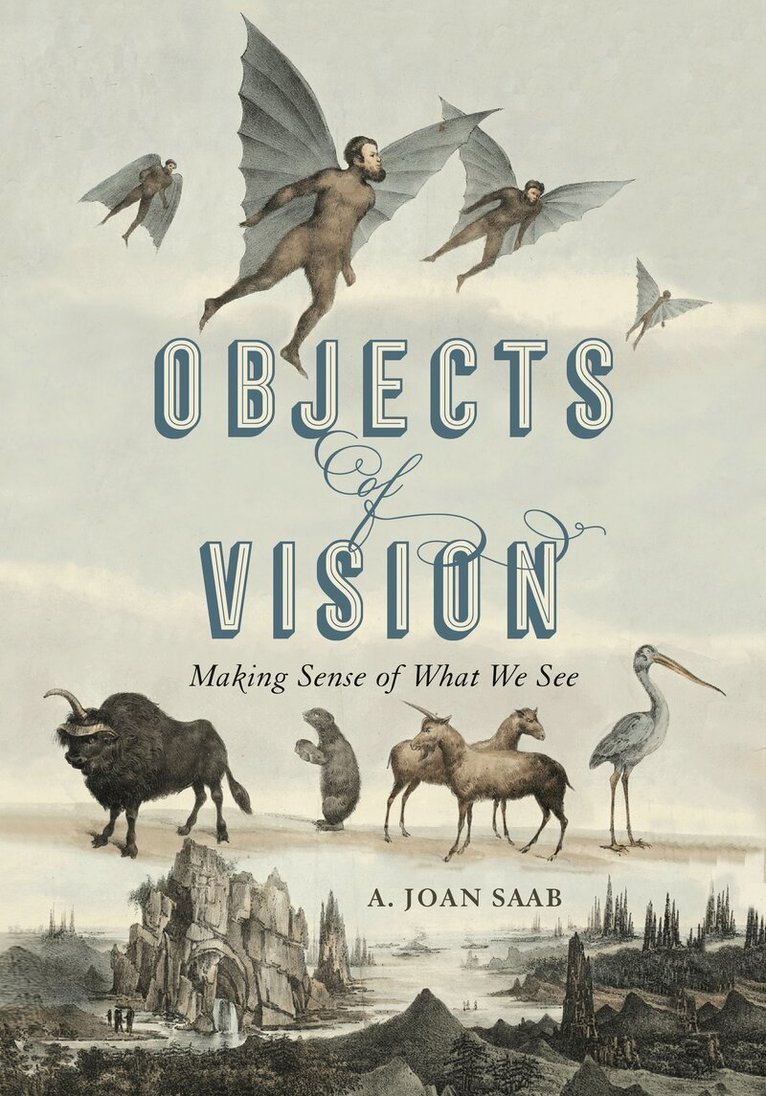
Objects of Vision
Making Sense of What We See
Inbunden, Engelska, 2020
1 128 kr
Skickas inom 5-8 vardagar
Advances in technology allow us to see the invisible: fetal heartbeats, seismic activity, cell mutations, virtual space. Yet in an age when experience is so intensely mediated by visual records, the centuries-old realization that knowledge gained through sight is inherently fallible takes on troubling new dimensions. This book considers the ways in which seeing, over time, has become the foundation for knowing (or at least for what we think we know). A. Joan Saab examines the scientific and socially constructed aspects of seeing in order to delineate a genealogy of visuality from the Renaissance to the present, demonstrating that what we see and how we see it are often historically situated and culturally constructed. Through a series of linked case studies that highlight moments of seeming disconnect between seeing and believing—hoaxes, miracles, spirit paintings, manipulated photographs, and holograms, to name just a few—she interrogates the relationship between “visions” and visuality. This focus on the strange and the wonderful in understanding changing notions of visions and visual culture is a compelling entry point into the increasingly urgent topic of technologically enhanced representations of reality.Accessibly written and thoroughly enlightening, Objects of Vision is a concise history of the connections between seeing and knowing that will appeal to students and teachers of visual studies and sensory, social, and cultural history.
Del 3 - Perspectives on Sensory History
Objects of Vision
Making Sense of What We See
Häftad, Engelska, 2021
330 kr
Skickas inom 7-10 vardagar
Advances in technology allow us to see the invisible: fetal heartbeats, seismic activity, cell mutations, virtual space. Yet in an age when experience is so intensely mediated by visual records, the centuries-old realization that knowledge gained through sight is inherently fallible takes on troubling new dimensions. This book considers the ways in which seeing, over time, has become the foundation for knowing (or at least for what we think we know). A. Joan Saab examines the scientific and socially constructed aspects of seeing in order to delineate a genealogy of visuality from the Renaissance to the present, demonstrating that what we see and how we see it are often historically situated and culturally constructed. Through a series of linked case studies that highlight moments of seeming disconnect between seeing and believing—hoaxes, miracles, spirit paintings, manipulated photographs, and holograms, to name just a few—she interrogates the relationship between “visions” and visuality. This focus on the strange and the wonderful in understanding changing notions of visions and visual culture is a compelling entry point into the increasingly urgent topic of technologically enhanced representations of reality.Accessibly written and thoroughly enlightening, Objects of Vision is a concise history of the connections between seeing and knowing that will appeal to students and teachers of visual studies and sensory, social, and cultural history.
322 kr
Skickas inom 10-15 vardagar
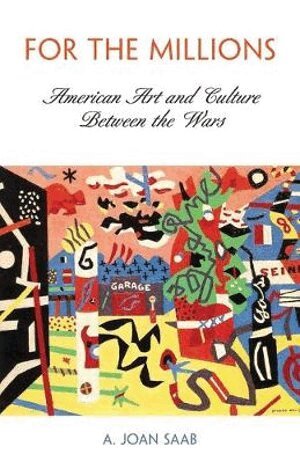
Looking behind the scenes at the personalities and policies of such venerable institutions as the Federal Arts Project and the Museum of Modern Art, A. Joan Saab discerns a broad-based democratic modernism inspired by and engaged with the social life of the period.In the summer of 1935 President Franklin Delano Roosevelt established the Federal Arts Project under the aegis of the Works Progress Administration. The project's goal was, in the words of its director Holger Cahill, to "get people all over the United States interested in art as an everyday part of living and working." In addition to this endeavor, the project would also provide work for artists who, as a project press release stated, "had been hit just as hard by unemployment as any other producing worker." Meanwhile, as director of the newly opened Museum of Modern Art, Alfred Barr was instituting his philosophy of "democracy in design" through a series of ambitious exhibits that focused on informed consumption in the marketplace.The idea of treating the artist as a "producing worker" and art as an "everyday part of living and working" was a novel one in 1935 and illustrated a broad shift in the social roles of both. Prior to the 1930s, art in America had resided principally in the domain of the cultural elite. The upheaval of the Depression era, however, challenged this authority. Throughout the decade, government officials, museum professionals, educators, and artists worked together to determine not only what role artists would play in society but also what forms democratic art would take and how widely it would be disseminated, thus fundamentally redefining the relationship between art and society. This egalitarian artistic movement of the 1930s stands as a significant moment in the ongoing dialogue over the relationship of art and public life that continues today.
1 689 kr
Skickas inom 7-10 vardagar
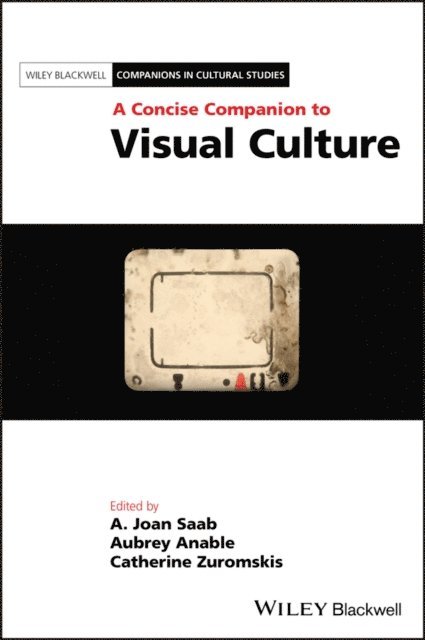
Provides an up-to-date overview of the present state Visual Cultural Studies, featuring new original content, topics, and methodsThe Wiley Blackwell Concise Companion to Visual Culture brings together original research by both established scholars and new voices in the dynamic field, exploring the history, current state, and possible future directions of visual cultural studies. Organized as a series of non-traditional keyword essays, this innovative volume engages readers with a diversity of ideas and perspectives to broaden and enrich their understanding of visual culture and its operations.This accessible, reader-friendly volume begins with a brief introduction to the history and practices of visual studies, featuring interviews and conversations with key figures such as W.J.T. Mitchell and Douglas Crimp. The majority of the text explores key concepts within a broad framework of history, ecologies, mediations, agencies, and politics while placing particular emphasis on interdisciplinarity and intersectionality. Essays cover keyword topics including Identities, Representation, Institutions, Architectures, Memes, Environment, Temporality, and many more. Offering a unique approach to the subject, this timely resource: Presents new work from a diverse group of scholars with a broad range of social, cultural, and generational perspectivesEmphasizes the importance of activism and political urgency in humanities scholarshipDiscusses engaging objects and discourses beyond film and art, such as architecture, video games, political activism, and the nonhumanHighlights the diverse and interconnecting elements of visual culture scholarshipIncludes case studies and short introductions that provide context and reinforce core conceptsThe Wiley Blackwell Concise Companion to Visual Culture is essential reading for advanced undergraduate students, graduate students, and scholars in the fields of visual studies, art history, film studies, and media studies.
494 kr
Kommande
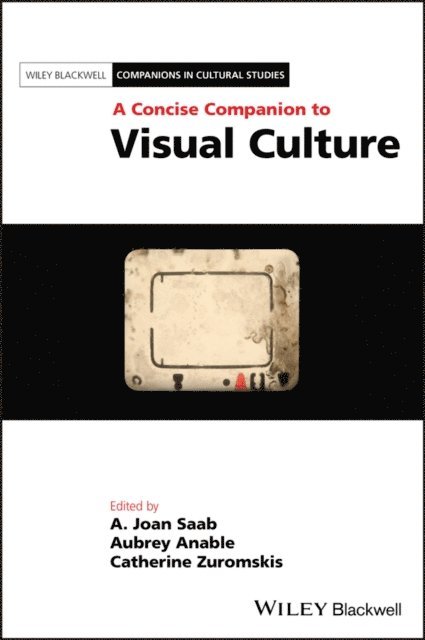
Provides an up-to-date overview of the present state Visual Cultural Studies, featuring new original content, topics, and methodsThe Wiley Blackwell Concise Companion to Visual Culture brings together original research by both established scholars and new voices in the dynamic field, exploring the history, current state, and possible future directions of visual cultural studies. Organized as a series of non-traditional keyword essays, this innovative volume engages readers with a diversity of ideas and perspectives to broaden and enrich their understanding of visual culture and its operations.This accessible, reader-friendly volume begins with a brief introduction to the history and practices of visual studies, featuring interviews and conversations with key figures such as W.J.T. Mitchell and Douglas Crimp. The majority of the text explores key concepts within a broad framework of history, ecologies, mediations, agencies, and politics while placing particular emphasis on interdisciplinarity and intersectionality. Essays cover keyword topics including Identities, Representation, Institutions, Architectures, Memes, Environment, Temporality, and many more. Offering a unique approach to the subject, this timely resource: Presents new work from a diverse group of scholars with a broad range of social, cultural, and generational perspectivesEmphasizes the importance of activism and political urgency in humanities scholarshipDiscusses engaging objects and discourses beyond film and art, such as architecture, video games, political activism, and the nonhumanHighlights the diverse and interconnecting elements of visual culture scholarshipIncludes case studies and short introductions that provide context and reinforce core conceptsThe Wiley Blackwell Concise Companion to Visual Culture is essential reading for advanced undergraduate students, graduate students, and scholars in the fields of visual studies, art history, film studies, and media studies.