Aaron Fichtelberg - Böcker
Visar alla böcker från författaren Aaron Fichtelberg. Handla med fri frakt och snabb leverans.
9 produkter
9 produkter
1 316 kr
Skickas inom 10-15 vardagar
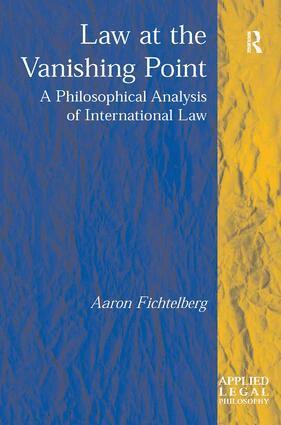
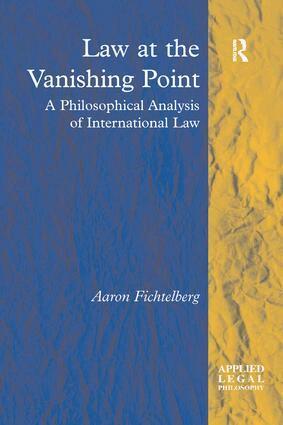
Two central questions are at the core of international legal theory: 'What is international law?', and 'Is international law really law?' This volume examines these critical questions and the philosophical foundations of modern international law using the tools of Anglo-American legal theory and western political thought. Engaging with both contemporary and historical legal theory and with an analysis of international law in action, the book builds an understanding and theory of law from the perspective of those who actually use this legal system and understand it, rather than constructing an artificial system from the standpoint of political scientists and moral philosophers. Law at the Vanishing Point provides a fascinating new challenge to those who reduce international law either to ethics or to politics and provides a critical new appraisal of its power as an independent force in human social relations.
1 921 kr
Skickas inom 10-15 vardagar
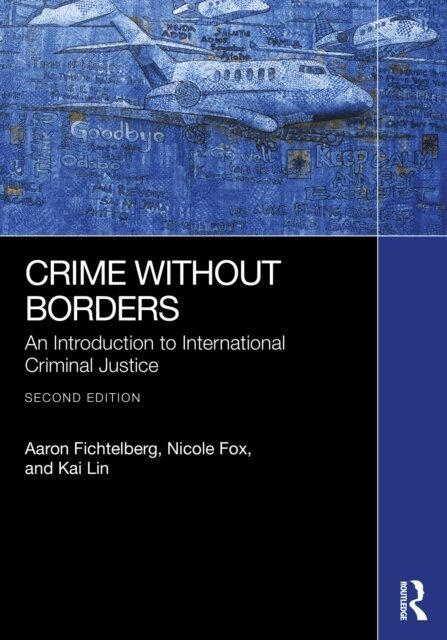
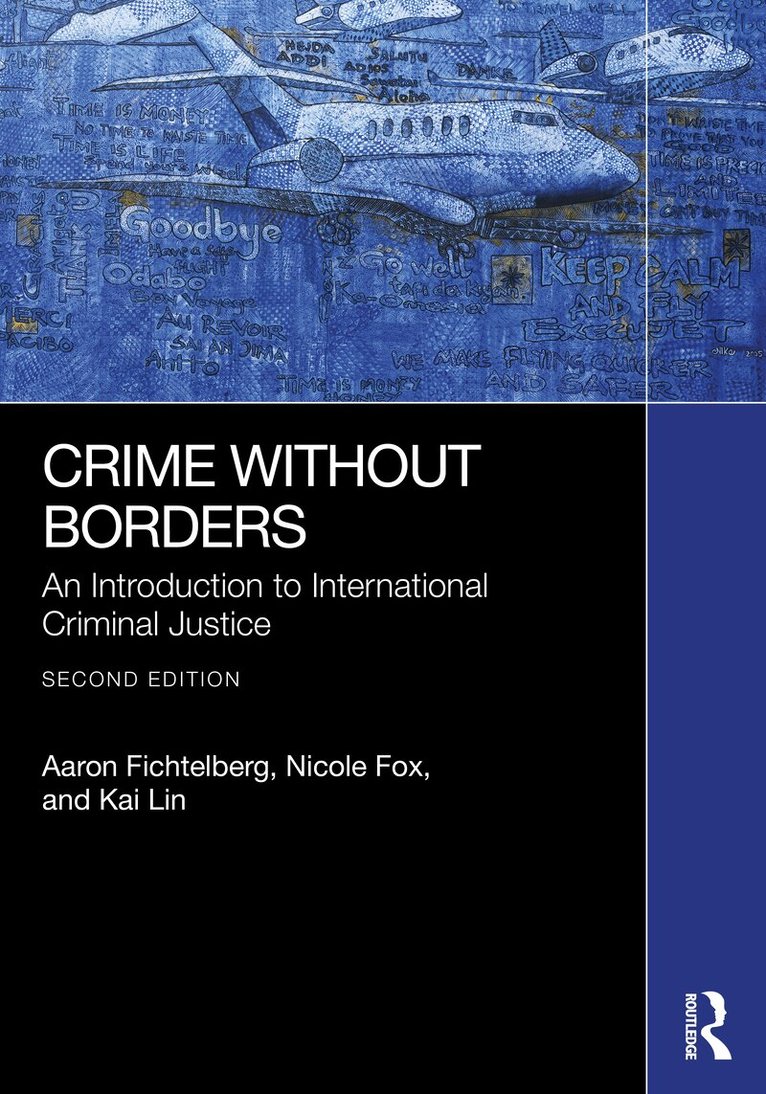
This book introduces students to the challenges related to international crime and punishment and the ways that criminal justice systems have sought to confront them. The dismantling and opening up of borders by technology, transportation, international trade, and the global flow of labor and capital have allowed those engaging in criminal behavior to work across borders in ways that challenge the traditional nation-state and its criminal justice system, making the study of international crime and justice increasingly relevant. This book not only covers the nuts and bolts of international crime and law enforcement but also raises abstract, theoretical issues for debate and asks critical questions about the ideal ways to think about international criminal justice problems. Contemporary topics such as war crimes, genocide, crimes against humanity, terrorism, drug smuggling, human trafficking, financial crimes, environmental crimes, and cybercrime are addressed, and connections between globalization, politics, and criminal justice reflect the modern realities of international and transnational crime. Following an introductory chapter that presents the dimensions of international criminal justice, the text is organized into two major parts, the first part discussing major international crimes and why people engage in them, and the second part laying out the central structures of the international criminal justice system, including international courts, transnational law enforcement, and aspects of United States criminal justice developed to deal with international crimes. Throughout the book, the authors place global crime within the context of contemporary politics and current events. Pedagogical tools such as summaries of significant international cases, discussion questions, and a thorough bibliography aid reader engagement and understanding. This text is suitable for students in global criminology, international crime, and comparative criminology courses, and researchers and policy-makers concerned with international and transnational crime.
530 kr
Skickas inom 10-15 vardagar
This book introduces students to the challenges related to international crime and punishment and the ways that criminal justice systems have sought to confront them. The dismantling and opening up of borders by technology, transportation, international trade, and the global flow of labor and capital have allowed those engaging in criminal behavior to work across borders in ways that challenge the traditional nation-state and its criminal justice system, making the study of international crime and justice increasingly relevant. This book not only covers the nuts and bolts of international crime and law enforcement but also raises abstract, theoretical issues for debate and asks critical questions about the ideal ways to think about international criminal justice problems. Contemporary topics such as war crimes, genocide, crimes against humanity, terrorism, drug smuggling, human trafficking, financial crimes, environmental crimes, and cybercrime are addressed, and connections between globalization, politics, and criminal justice reflect the modern realities of international and transnational crime. Following an introductory chapter that presents the dimensions of international criminal justice, the text is organized into two major parts, the first part discussing major international crimes and why people engage in them, and the second part laying out the central structures of the international criminal justice system, including international courts, transnational law enforcement, and aspects of United States criminal justice developed to deal with international crimes. Throughout the book, the authors place global crime within the context of contemporary politics and current events. Pedagogical tools such as summaries of significant international cases, discussion questions, and a thorough bibliography aid reader engagement and understanding. This text is suitable for students in global criminology, international crime, and comparative criminology courses, and researchers and policy-makers concerned with international and transnational crime.
1 872 kr
Skickas inom 3-6 vardagar
1 712 kr
Skickas
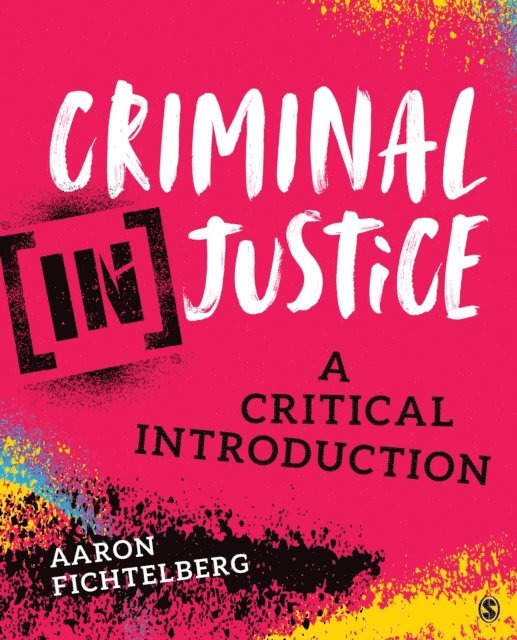
Criminal (In)Justice: A Critical Introduction, Third Edition examines the American criminal justice system and the social forces that shape it. Written in a conversational voice, it challenges students to confront structural inequalities in the justice system and the broader society it serves, prompting the question, "What can I do to make this better?"
455 kr
Skickas inom 10-15 vardagar
Two central questions are at the core of international legal theory: 'What is international law?', and 'Is international law really law?' This volume examines these critical questions and the philosophical foundations of modern international law using the tools of Anglo-American legal theory and western political thought. Engaging with both contemporary and historical legal theory and with an analysis of international law in action, the book builds an understanding and theory of law from the perspective of those who actually use this legal system and understand it, rather than constructing an artificial system from the standpoint of political scientists and moral philosophers. Law at the Vanishing Point provides a fascinating new challenge to those who reduce international law either to ethics or to politics and provides a critical new appraisal of its power as an independent force in human social relations.
493 kr
Skickas inom 10-15 vardagar
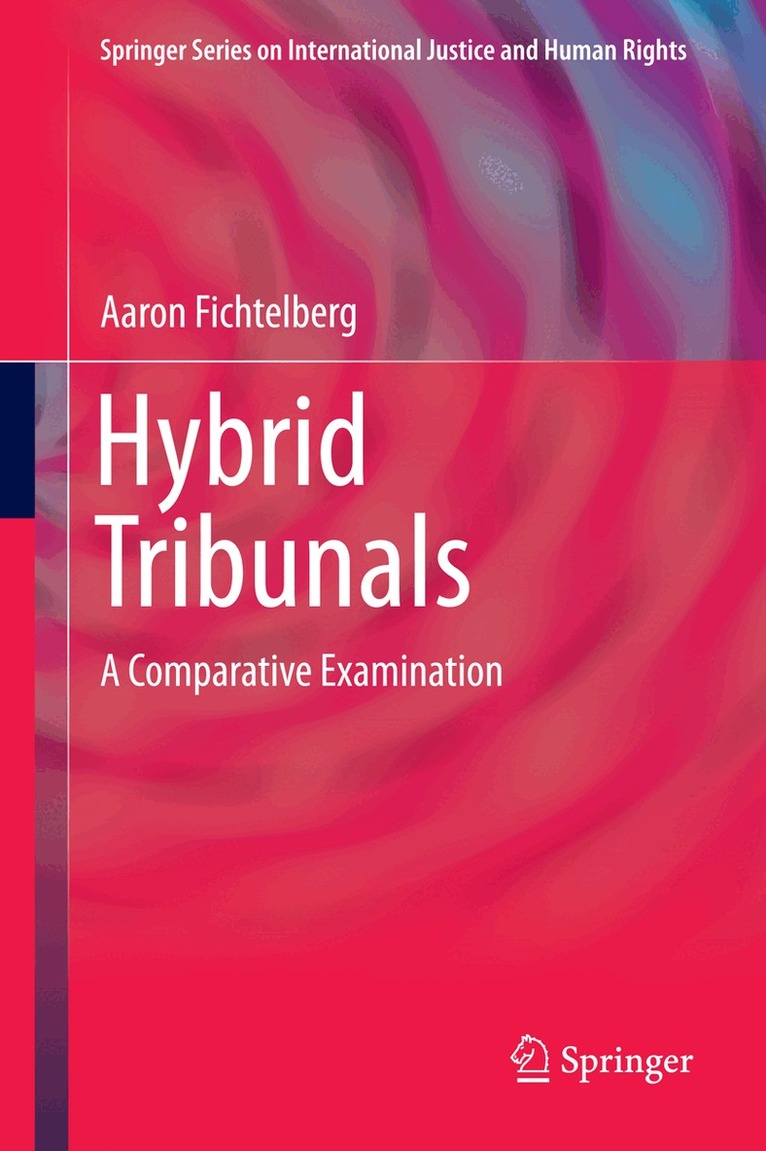
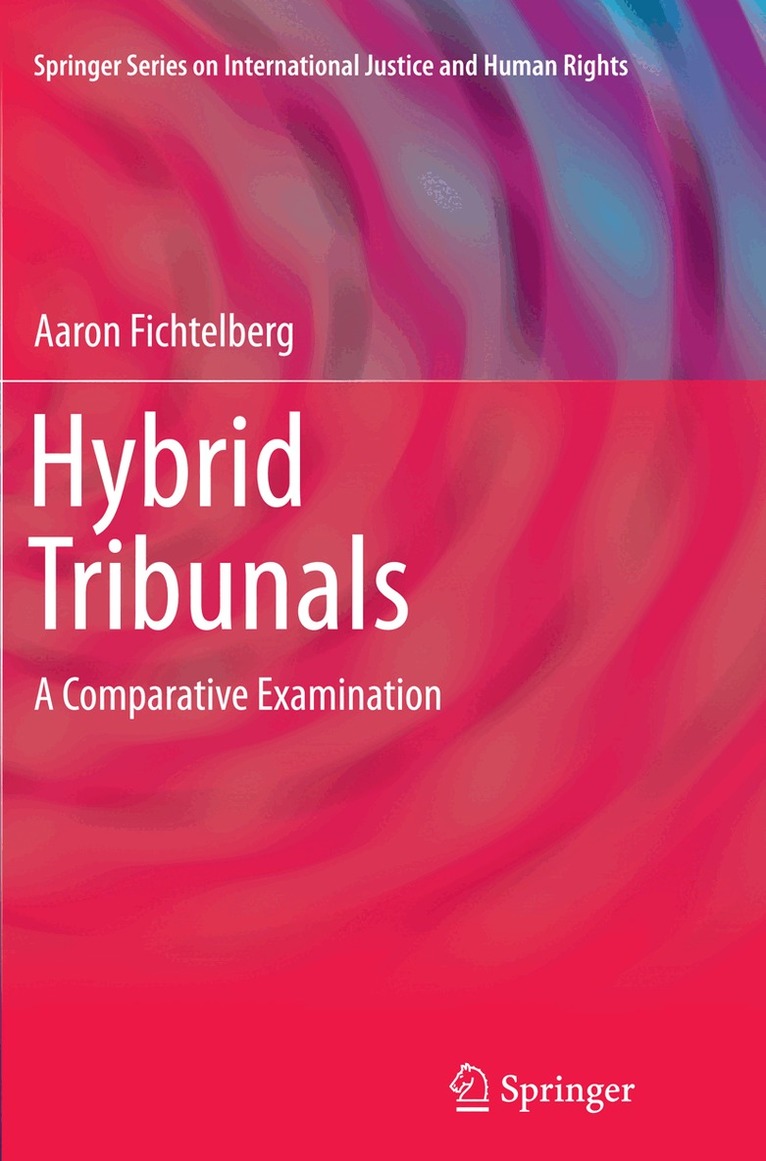
This book examines hybrid tribunals created in Sierra Leone, Kosovo, Cambodia, East Timor, and Lebanon, in terms of their origins (the political and social forces that led to their creation), the legal regimes that they used, their various institutional structures, and the challenges that they faced during their operations. Through this study, the author looks at both their successes and their shortcomings, and presents recommendations for the formation of future hybrid tribunals.Hybrid tribunals are a form of the international justice where the judicial responsibility is shared between the international community and the local state where they function. These tribunals represent an important bridge between traditional international courts like the International Criminal Court (ICC), the International Criminal Tribunal for the Former Yugoslavia (ICTY), the International Criminal Tribunal for Rwanda (ICTR) and various local justice systems. Because hybrid tribunals are developed in response to large-scale atrocities, these courts are properly considered part of the international criminal justice system. This feature gives hybrid tribunals the accountability and legitimacy often lost in local justice systems; however, by including regional courtroom procedures and personnel, they are integrated into the local justice system in a way that allows a society to deal with its criminals on its own terms, at least in part.This unique volume combines historical and legal analyses of these hybrid tribunals, placing them within a larger historical, political, and legal context. It will be of interest to researchers in Criminal Justice, International Studies, International Law, and related fields.
493 kr
Skickas inom 10-15 vardagar
This book examines hybrid tribunals created in Sierra Leone, Kosovo, Cambodia, East Timor, and Lebanon, in terms of their origins (the political and social forces that led to their creation), the legal regimes that they used, their various institutional structures, and the challenges that they faced during their operations. Through this study, the author looks at both their successes and their shortcomings, and presents recommendations for the formation of future hybrid tribunals.Hybrid tribunals are a form of the international justice where the judicial responsibility is shared between the international community and the local state where they function. These tribunals represent an important bridge between traditional international courts like the International Criminal Court (ICC), the International Criminal Tribunal for the Former Yugoslavia (ICTY), the International Criminal Tribunal for Rwanda (ICTR) and various local justice systems. Because hybrid tribunals are developed in response to large-scale atrocities, these courts are properly considered part of the international criminal justice system. This feature gives hybrid tribunals the accountability and legitimacy often lost in local justice systems; however, by including regional courtroom procedures and personnel, they are integrated into the local justice system in a way that allows a society to deal with its criminals on its own terms, at least in part.This unique volume combines historical and legal analyses of these hybrid tribunals, placing them within a larger historical, political, and legal context. It will be of interest to researchers in Criminal Justice, International Studies, International Law, and related fields.
774 kr
Skickas inom 5-8 vardagar