
Abraham Melamed – författare
Visar alla böcker från författaren Abraham Melamed. Handla med fri frakt och snabb leverans.
5 produkter
5 produkter
Häftad, Engelska, 2010
818 kr
Skickas inom 10-15 vardagar
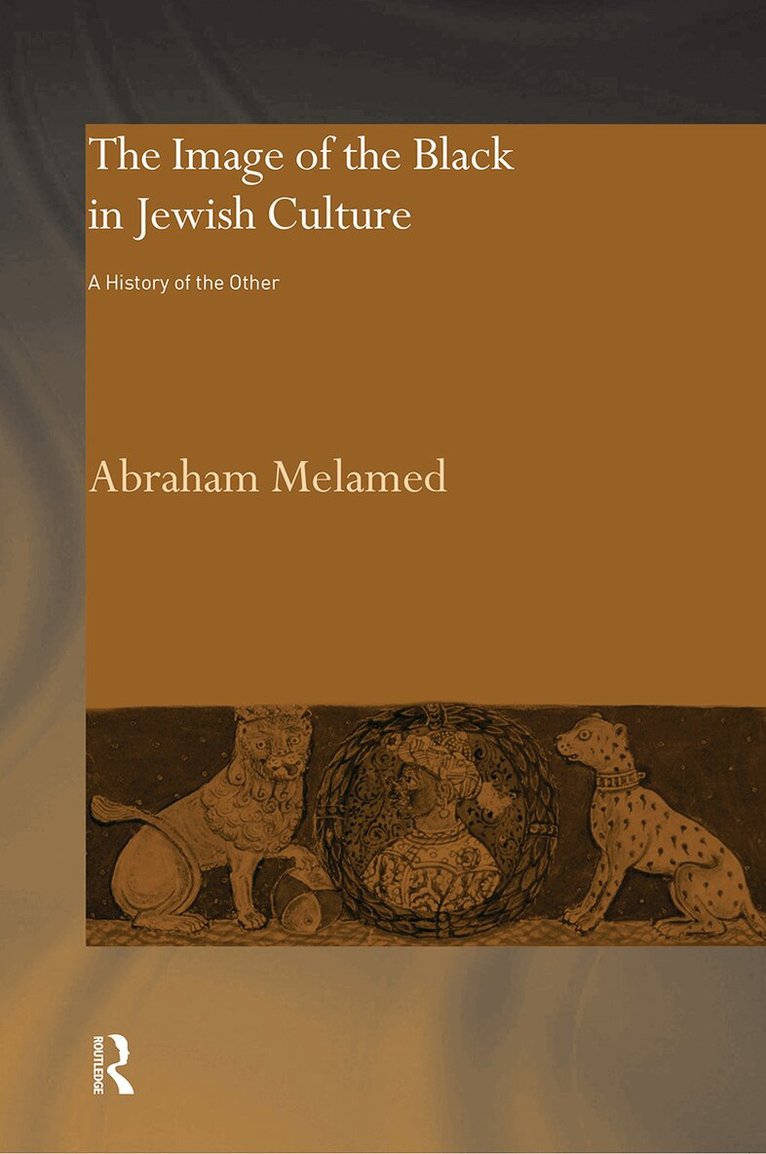
The evolving image of the Black in the history of Jewish culture is being traced here in the conceptual framework of recent post-modern theories of the 'other'. The study focuses on the mechanisms by which an ethno-religious minority group considered by the dominant majority to be the inferior 'other' identifies its own inferior other. While until recently most scholarly attention has been devoted to the attitudes towards the Jews as 'other', this is the first comprehensive discussion of the attitudes of the Jews to their own 'others'.
Inbunden, Engelska, 2002
2 505 kr
Skickas inom 5-8 vardagar
The evolving image of the Black in the history of Jewish culture is being traced here in the conceptual framework of recent post-modern theories of the 'other'. The study focuses on the mechanisms by which an ethno-religious minority group considered by the dominant majority to be the inferior 'other' identifies its own inferior other. While until recently most scholarly attention has been devoted to the attitudes towards the Jews as 'other', this is the first comprehensive discussion of the attitudes of the Jews to their own 'others'.
Inbunden, Engelska, 2012
1 526 kr
Skickas inom 5-8 vardagar
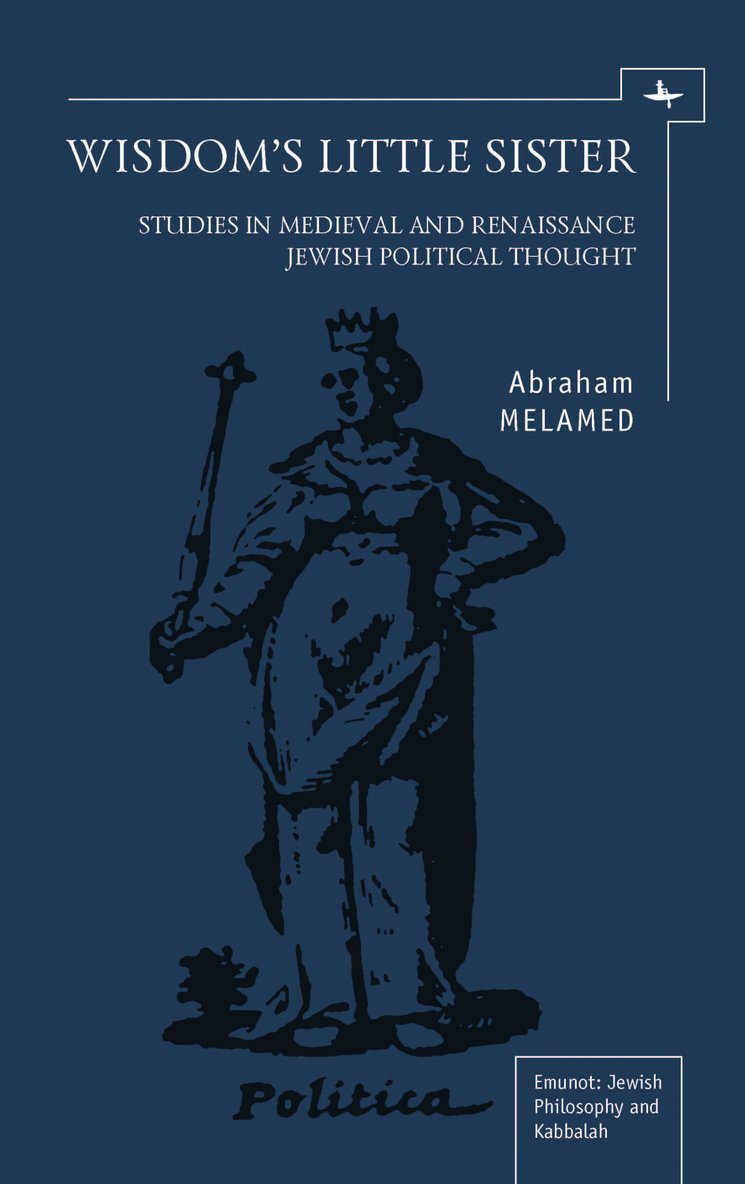
The study of Jewish political philosophy is a recently established field in the study of Jewish philosophy. While in older histories of Jewish philosophy there is hardly any discussion of this topic, recent editors of such books have found it useful to add chapters on it. Following the pioneering efforts of Leo Strauss, Ralph Lerner and Daniel Elazar, among others, political philosophy has gained its proper place alongside ethics and metaphysics in the study of the history of Jewish philosophy. This volume is another manifestation of this welcome development. Consisting of selected English-language papers the author published over the last thirty years, it concentrates on the Medieval and Renaissance periods, from Sa’adiah Gaon in the tenth century to Spinoza in the seventeenth. These were the formative periods in the development of Jewish political philosophy, when Jewish scholars versed in the canonical Jewish sources (biblical and rabbinic) encountered Greek political philosophy, as transmitted by Muslim philosophers such as Alfarabi, Ibn Bajja and Averroes, and adapted it to their Jewish terms of reference. The outcome of this effort was Jewish political philosophy.
Inbunden, Engelska, 2002
1 042 kr
Tillfälligt slut
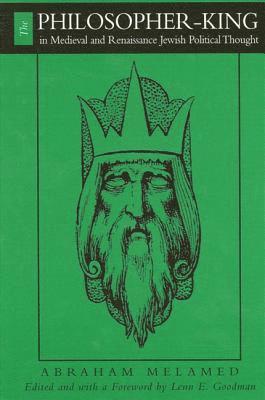
Illustrates Plato's theory of the philosopher-king in the context of medieval and Renaissance Jewish thought.This original treatment of medieval and Renaissance Jewish thinkers expands the scope of Jewish philosophy and adds new depth to our understanding of Jewish culture of the period. While medieval Christian political philosophy was based on Aristotle's Politics, Muslim and Jewish philosophy adhered to the Platonic tradition. In this book, Abraham Melamed explores a major aspect of this tradition-the theory of the philosopher-king-as it manifested itself in medieval Jewish political philosophy, tracing the theory's emergence in Jewish thought as well as its patterns of transmittal, adaptation, and absorption. The Maimonidean encounter with the theory, via al-Farabi, is also examined, as is its influence upon later scholars such as Felaquera, ibn Latif, Narboni, Shemtov ibn Shemtov, Polkar, Alemanno, Abarbanel, and others. Also discussed is the influence of Averroe's commentary on Plato's Republic, and the Machiavellian rejection of the theory of the philosopher-king and its influence upon early modern Jewish scholars, such as Simone Luzzatto and Spinoza, who rejected it in favor of a so-called "Republican" attitude.
Häftad, Engelska, 2002
377 kr
Tillfälligt slut
Illustrates Plato's theory of the philosopher-king in the context of medieval and Renaissance Jewish thought.This original treatment of medieval and Renaissance Jewish thinkers expands the scope of Jewish philosophy and adds new depth to our understanding of Jewish culture of the period. While medieval Christian political philosophy was based on Aristotle's Politics, Muslim and Jewish philosophy adhered to the Platonic tradition. In this book, Abraham Melamed explores a major aspect of this tradition-the theory of the philosopher-king-as it manifested itself in medieval Jewish political philosophy, tracing the theory's emergence in Jewish thought as well as its patterns of transmittal, adaptation, and absorption. The Maimonidean encounter with the theory, via al-Farabi, is also examined, as is its influence upon later scholars such as Felaquera, ibn Latif, Narboni, Shemtov ibn Shemtov, Polkar, Alemanno, Abarbanel, and others. Also discussed is the influence of Averroe's commentary on Plato's Republic, and the Machiavellian rejection of the theory of the philosopher-king and its influence upon early modern Jewish scholars, such as Simone Luzzatto and Spinoza, who rejected it in favor of a so-called "Republican" attitude.