
Abul Hassan – författare
Visar alla böcker från författaren Abul Hassan. Handla med fri frakt och snabb leverans.
6 produkter
6 produkter
861 kr
Skickas inom 10-15 vardagar
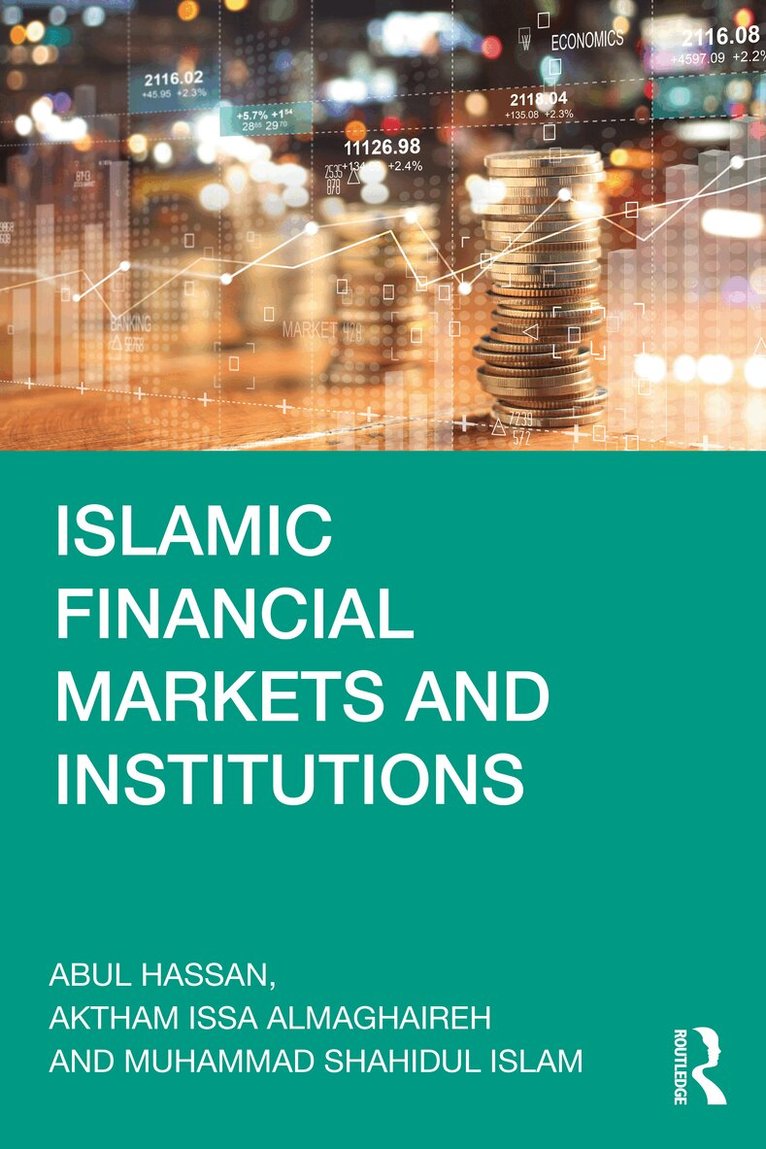
The rapid pace of progress in the Islamic financial market and investment space, coupled with the COVID-19 pandemic and its aftermath and recovery, has provided the necessary challenges to build a strong case for Islamic investment. This timely and unique book focuses on the foundations of Islamic financial markets and institutions in the context of various products, their market application, Islamic asset management, and regulation. The authors provide a thorough overview of Islamic financing instruments and markets, such as Islamic debt and equity markets, through shares and the stock market, mutual funds, private equity, lease financing, Sukuk, green Sukuk, money market instruments, exchange-traded funds, cryptocurrencies, derivatives and so forth, which have emerged as alternative sources of financing. They offer insight into the numerous infrastructure institutions which have sprung up since the first decade of the new century, such as the Accounting and Auditing Organizations for Islamic Financial Institutions, Islamic Financial Services Board, Islamic International Rating Agency, and International Islamic Liquidity Management Corporation, as well as those being established, to satisfy different industry needs.With its uniquely competitive approach to the mainstream financial market, this book facilitates a greater understanding of the concept of Islamic investment. Through a discussion of the current state and future prospects of Islamic financial markets, the book's theoretical and practical approach offers academic, practitioners, researchers, students, and general readers a well-balanced overview of Islamic financial markets, its ethics, Shari’ah foundation, the instruments and operational mechanism used by Islamic capital, money, and debt markets.
2 176 kr
Skickas inom 10-15 vardagar
The rapid pace of progress in the Islamic financial market and investment space, coupled with the COVID-19 pandemic and its aftermath and recovery, has provided the necessary challenges to build a strong case for Islamic investment. This timely and unique book focuses on the foundations of Islamic financial markets and institutions in the context of various products, their market application, Islamic asset management, and regulation. The authors provide a thorough overview of Islamic financing instruments and markets, such as Islamic debt and equity markets, through shares and the stock market, mutual funds, private equity, lease financing, Sukuk, green Sukuk, money market instruments, exchange-traded funds, cryptocurrencies, derivatives and so forth, which have emerged as alternative sources of financing. They offer insight into the numerous infrastructure institutions which have sprung up since the first decade of the new century, such as the Accounting and Auditing Organizations for Islamic Financial Institutions, Islamic Financial Services Board, Islamic International Rating Agency, and International Islamic Liquidity Management Corporation, as well as those being established, to satisfy different industry needs.With its uniquely competitive approach to the mainstream financial market, this book facilitates a greater understanding of the concept of Islamic investment. Through a discussion of the current state and future prospects of Islamic financial markets, the book's theoretical and practical approach offers academic, practitioners, researchers, students, and general readers a well-balanced overview of Islamic financial markets, its ethics, Shari’ah foundation, the instruments and operational mechanism used by Islamic capital, money, and debt markets.
2 113 kr
Skickas inom 10-15 vardagar
This book is a comprehensive study, which provides informed knowledge within the field of Islamic economics. The authors lay down the principal philosophical foundation of a unique and universal theory of Islamic economics by contrasting it with the perspectives of mainstream economics. The methodological part of the theory of Islamic economics arises from the ethical foundations of the Qur'an and the Sunnah (tradition of the Prophet) along with learned exegeses in an epistemological derivation of the postulates and formalism of Islamic economics. This foundational methodology will be contrasted with the contemporary approaches of the random use of mainstream economic theory in Islamic economics. The book establishes the methodological foundation as the primal and most fundamental premise of the study leading to scientific formalism and the prospect of its application. By way of its Islamic epistemological explanation (philosophical premise) in the form of logical formalism and the use of simple real-world examples, the authors show the reader that the scientific nature of economics in general and Islamic economics in particular rests on the conception of the scientific worldview. With its uniquely comparative approach to mainstream economics, this book facilitates a greater understanding of Islamic economic concepts. Senior undergraduate and graduate students will gain exposure to Islamic perspectives of micro- and macroeconomics, money, public finance, and development economics. Additionally, this book will be useful to practitioners seeking a greater comprehension of the nature of Islamic economics. It will also enable policymakers to better understand the mechanism of converting institutions, such as public and social policy perspectives.
727 kr
Skickas inom 10-15 vardagar
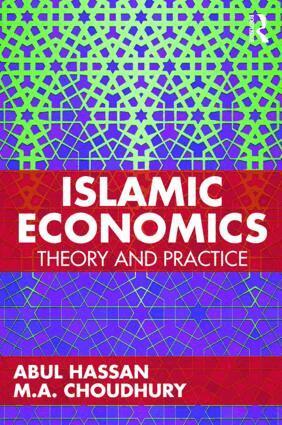
This book is a comprehensive study, which provides informed knowledge within the field of Islamic economics. The authors lay down the principal philosophical foundation of a unique and universal theory of Islamic economics by contrasting it with the perspectives of mainstream economics. The methodological part of the theory of Islamic economics arises from the ethical foundations of the Qur'an and the Sunnah (tradition of the Prophet) along with learned exegeses in an epistemological derivation of the postulates and formalism of Islamic economics. This foundational methodology will be contrasted with the contemporary approaches of the random use of mainstream economic theory in Islamic economics. The book establishes the methodological foundation as the primal and most fundamental premise of the study leading to scientific formalism and the prospect of its application. By way of its Islamic epistemological explanation (philosophical premise) in the form of logical formalism and the use of simple real-world examples, the authors show the reader that the scientific nature of economics in general and Islamic economics in particular rests on the conception of the scientific worldview. With its uniquely comparative approach to mainstream economics, this book facilitates a greater understanding of Islamic economic concepts. Senior undergraduate and graduate students will gain exposure to Islamic perspectives of micro- and macroeconomics, money, public finance, and development economics. Additionally, this book will be useful to practitioners seeking a greater comprehension of the nature of Islamic economics. It will also enable policymakers to better understand the mechanism of converting institutions, such as public and social policy perspectives.
1 419 kr
Skickas inom 10-15 vardagar
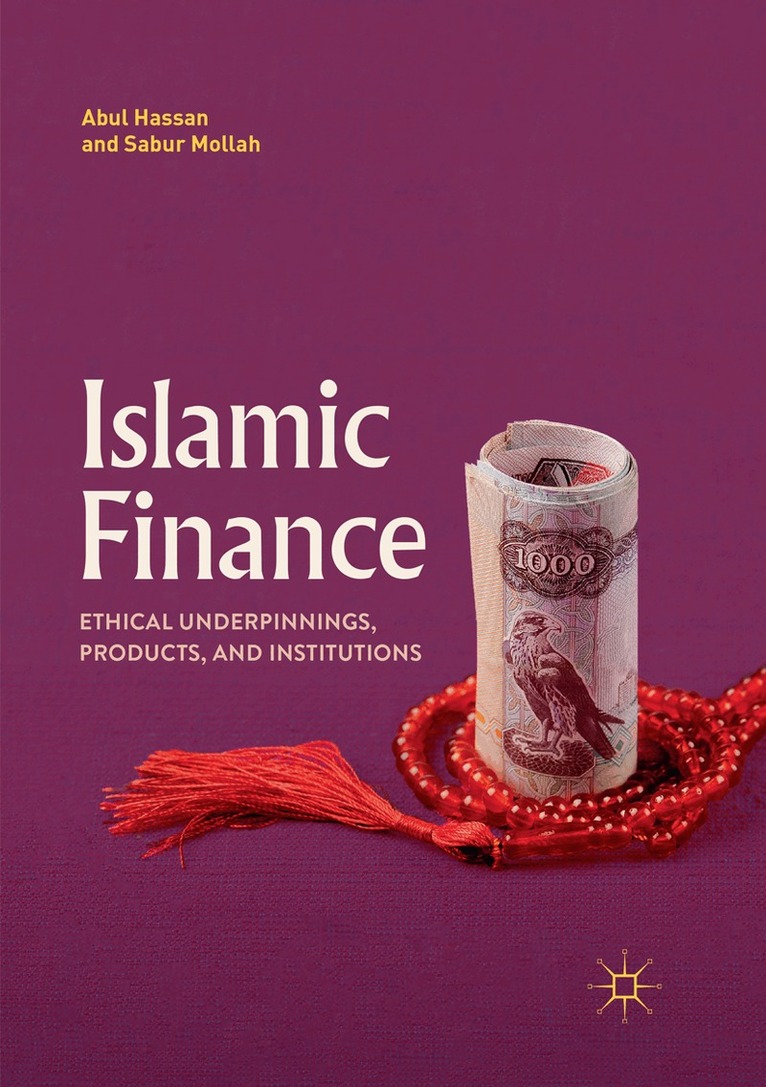
This book aims to discuss contemporary issues and challenges in Islamic finance to inform discussions surrounding the governance system, the Islamic legal system, prudential regulations, Islamic home financing, and Islamic microfinance.
1 419 kr
Skickas inom 10-15 vardagar
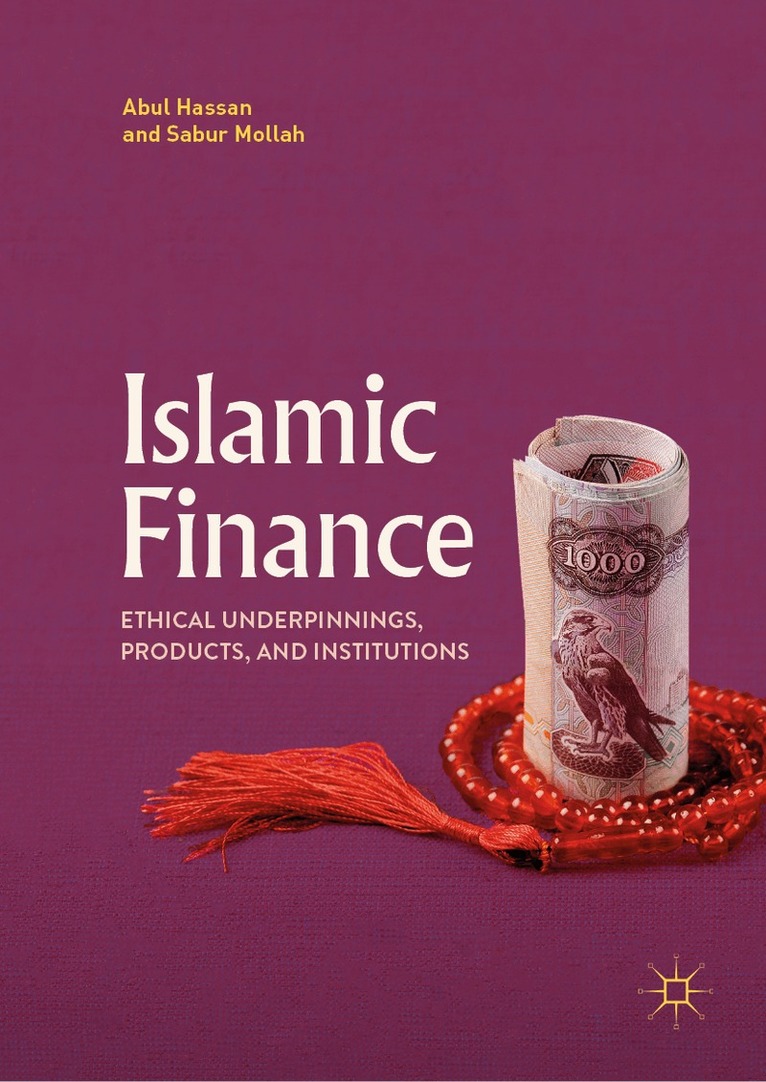
This book aims to discuss contemporary issues and challenges in Islamic finance to inform discussions surrounding the governance system, the Islamic legal system, prudential regulations, Islamic home financing, and Islamic microfinance.