Ada Palmer – författare
Visar alla böcker från författaren Ada Palmer. Handla med fri frakt och snabb leverans.
28 produkter
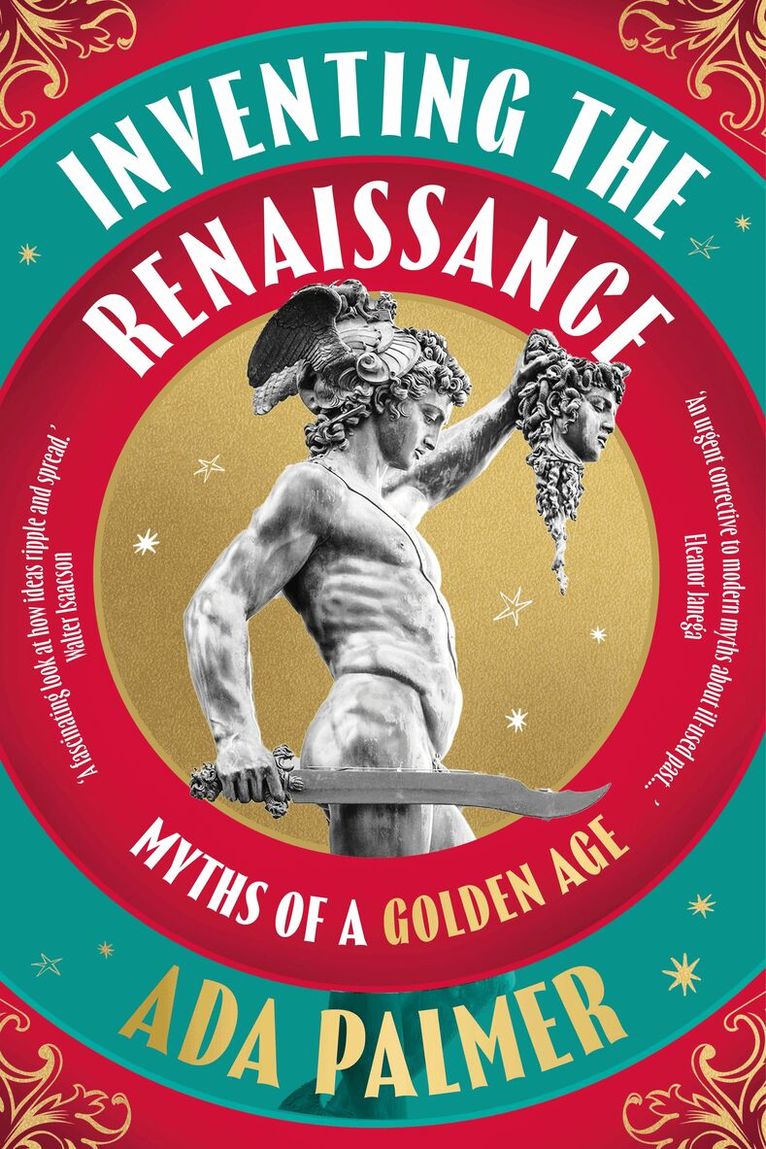
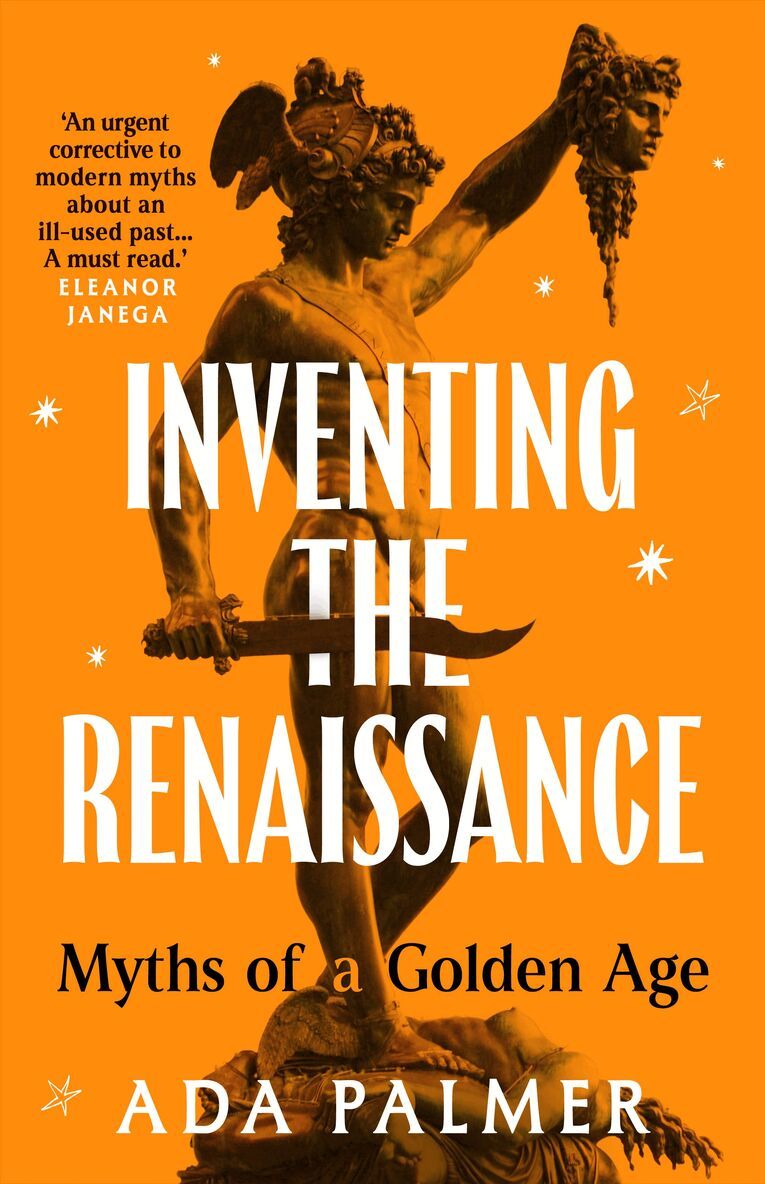
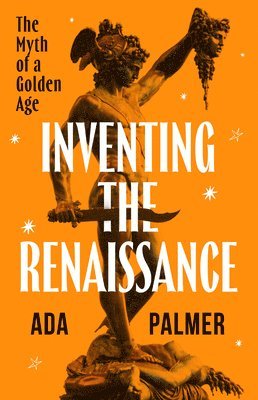
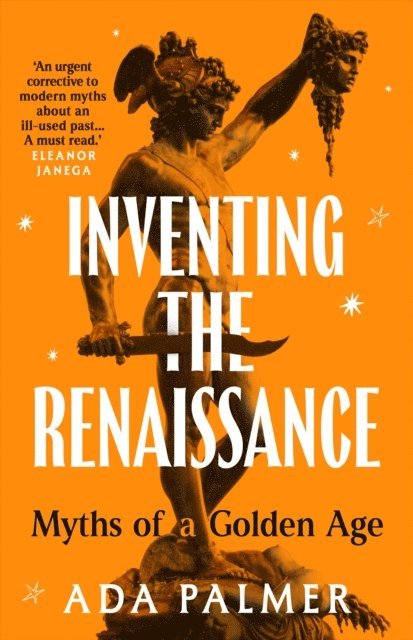
Inventing the Renaissance
Myths of a Golden Age
Av Ada Palmer
Häftad, 2026
5,0 utav 5 stjärnor. Totalt antal röster: (1)
196 kr
Lägg i varukorg
The Renaissance is one of the most studied and celebrated eras of history. Spanning the end of the Middle Ages to the beginning of modernity, it has come to symbolise the transformative rebirth of knowledge, art, culture and political thought in Europe. And for the last two hundred years, …
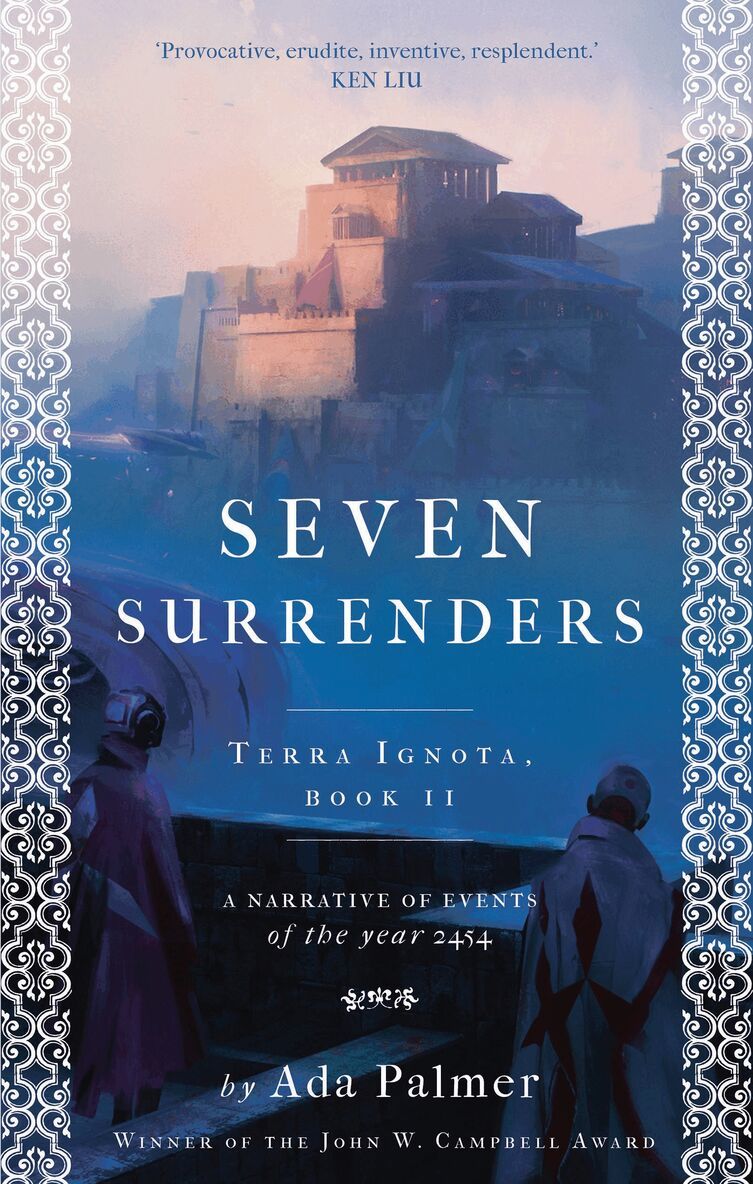
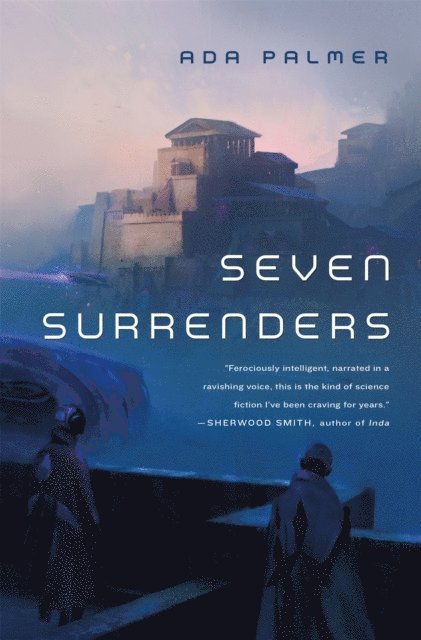
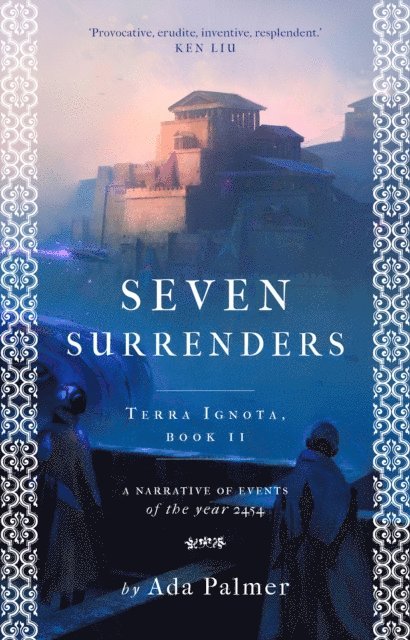
Seven Surrenders
Av Ada Palmer
Häftad, 2018
141 kr
Lägg i varukorg
The year is 2454. The sun is setting on a hard-won golden age. For three centuries, humanity has enjoyed peace and prosperity fuelled by technological abundance, oracular data analytics, careful censorship... and just a little blood. In a world dominated by seven factions, or 'Hives', the price of …
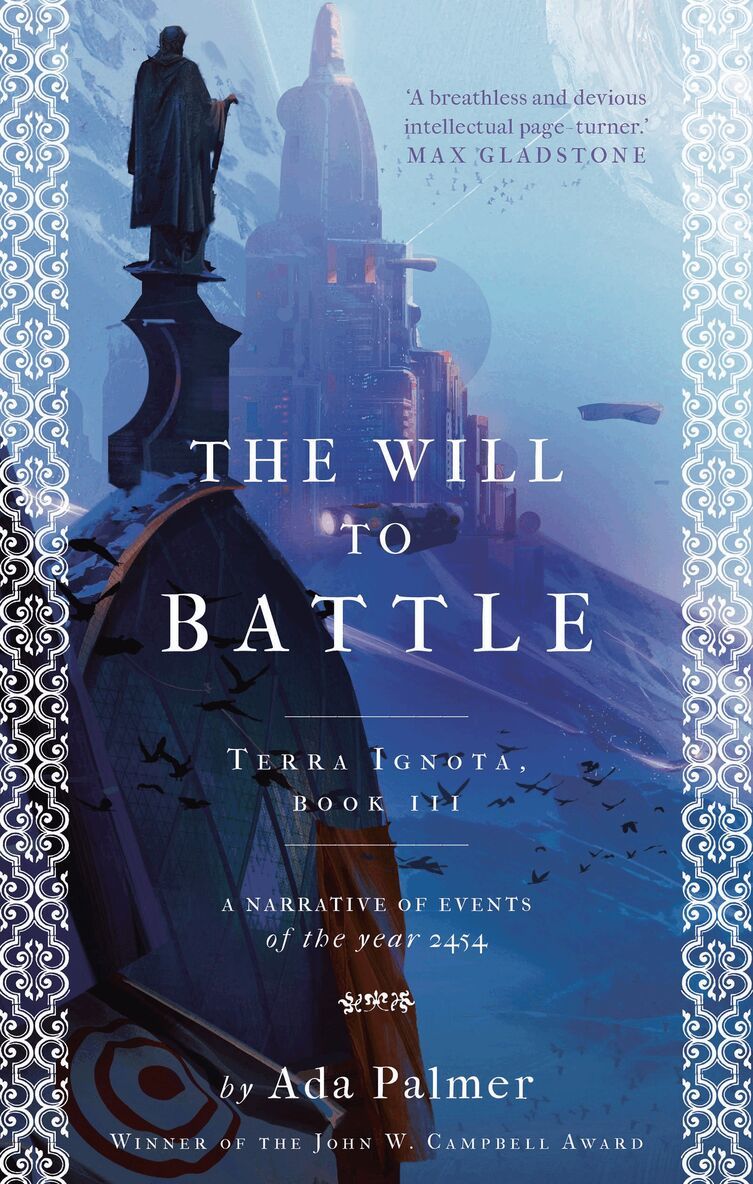
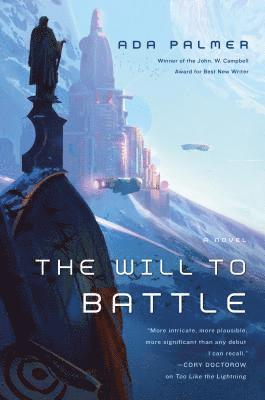
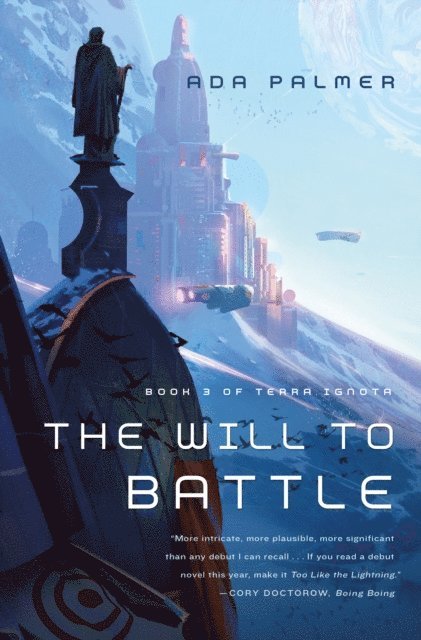
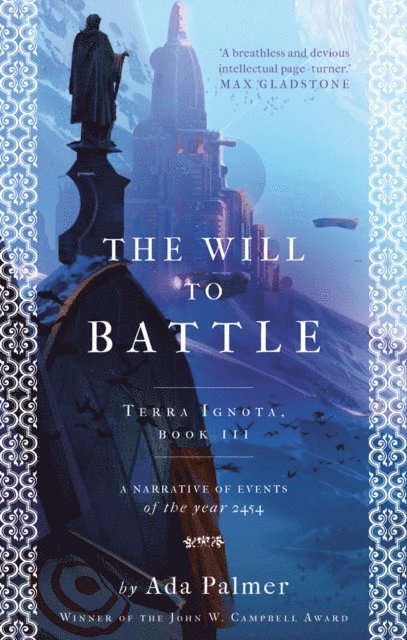
Will to Battle
Av Ada Palmer
Häftad, 2018
139 kr
Lägg i varukorg
The year is 2454. Three centuries of peace and a hard-won golden age have come to an abrupt end. The once steadfast leadership of the seven Hives is crumbling, soured by corruption and deception. Savagery and bloodlust, three-centuries suppressed, have been unleashed. The terrible truth is that …
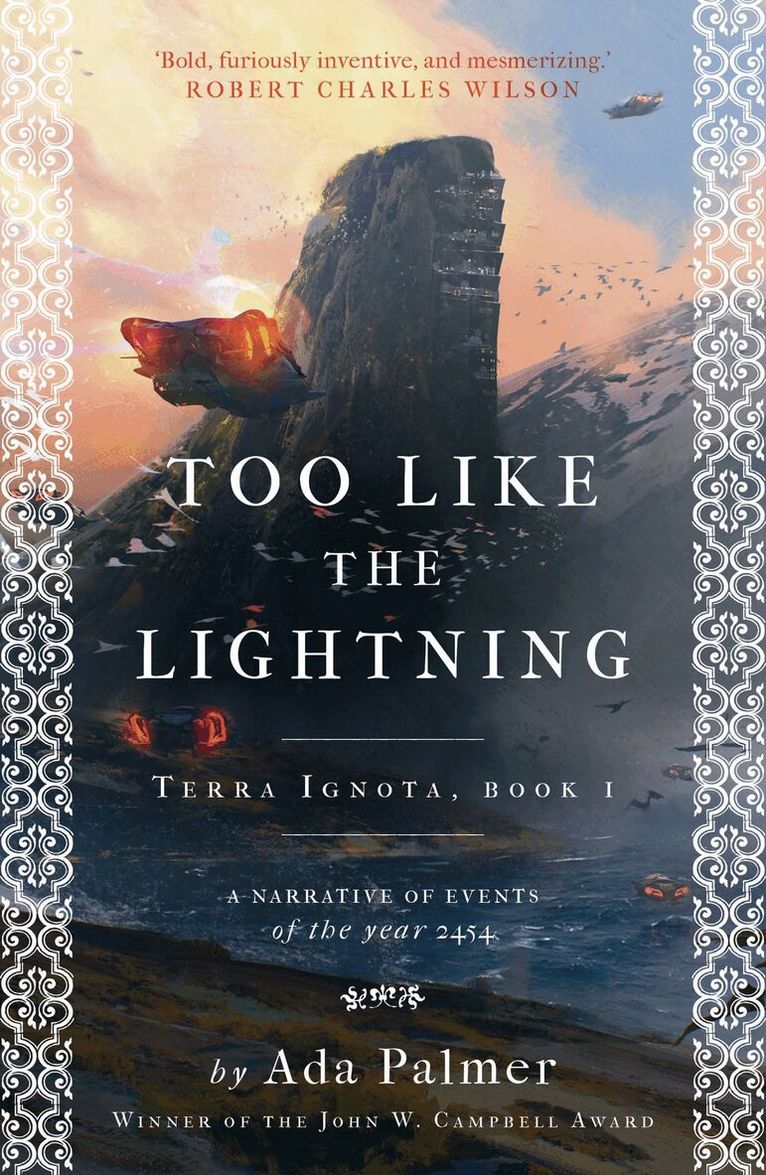
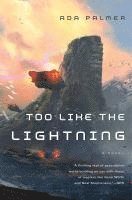
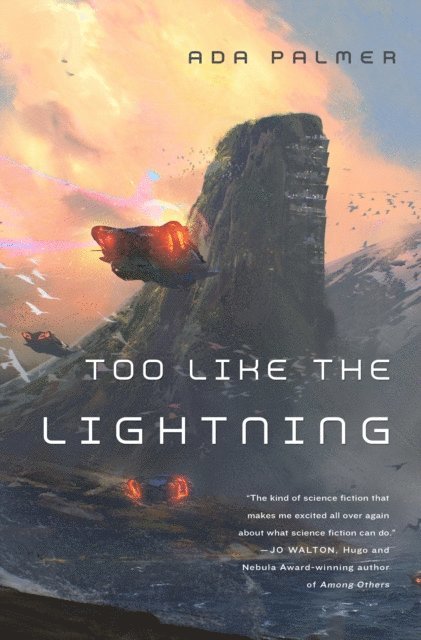
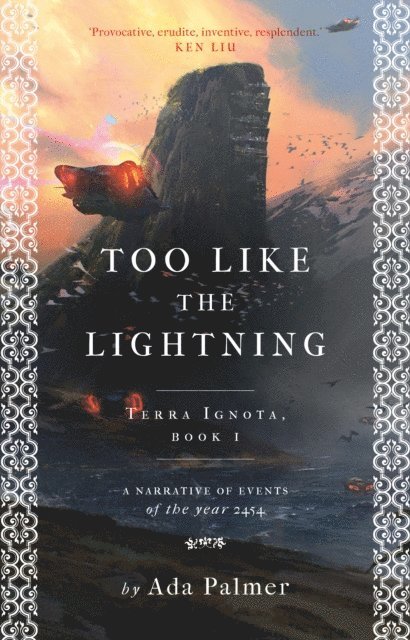
Too Like the Lightning
Av Ada Palmer
Häftad, 2017
149 kr
Lägg i varukorg
The year is 2454. Humanity has engineered a hard-won golden age, forged in the aftermath of a bitter conflict that wiped both religion and nation state from the planet. Now seven factions or 'hives' co-govern the world, their rule fuelled by benign censorship, oracular statistical analytics and …
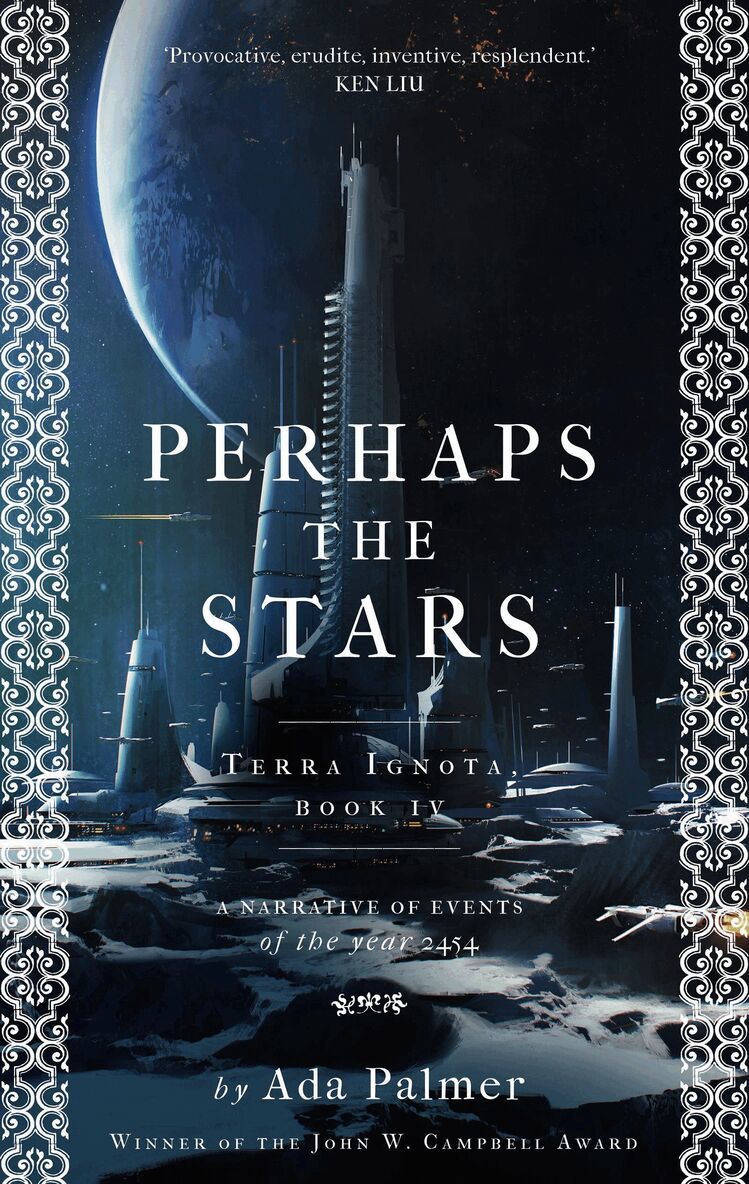
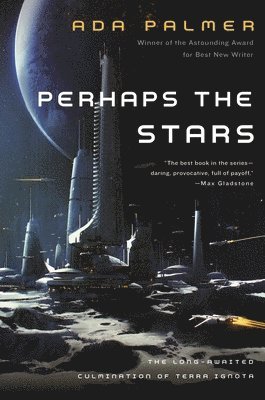
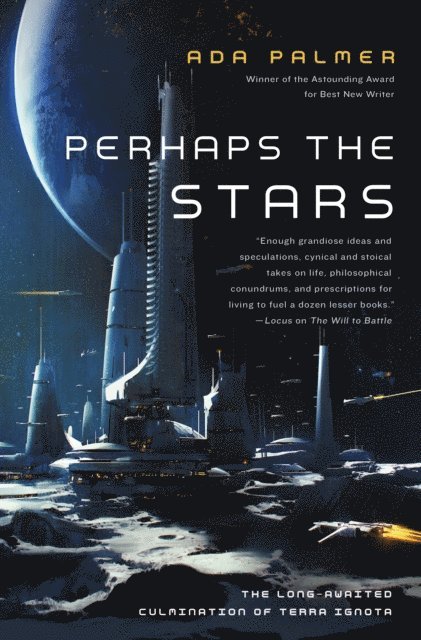
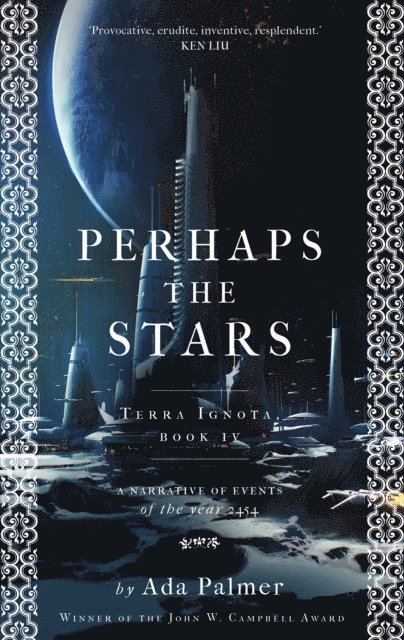
Perhaps the Stars
Av Ada Palmer
Häftad, 2022
175 kr
Lägg i varukorg
The final instalment in Ada Palmer's award-winning, critically acclaimed Terra Ignota series. For years, the leaders of the Hive clandestinely committed terrible deeds in order to maintain an outward semblance of utopian stability. But the facade could last only so long. Global travel and worldwide …
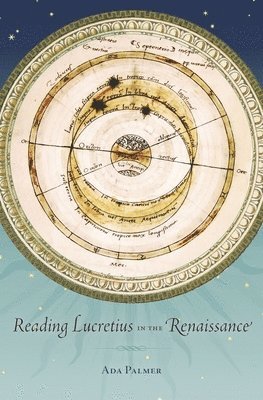
Reading Lucretius in the Renaissance
Av Ada Palmer
Inbunden, 2014
385 kr
Lägg i varukorg
After its rediscovery in 1417, Lucretius’s Epicurean didactic poem De Rerum Natura threatened to supply radicals and atheists with the one weapon unbelief had lacked in the Middle Ages: good answers. Scholars could now challenge Christian patterns of thought by employing the theory of atomistic …
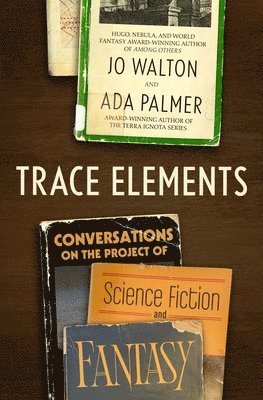
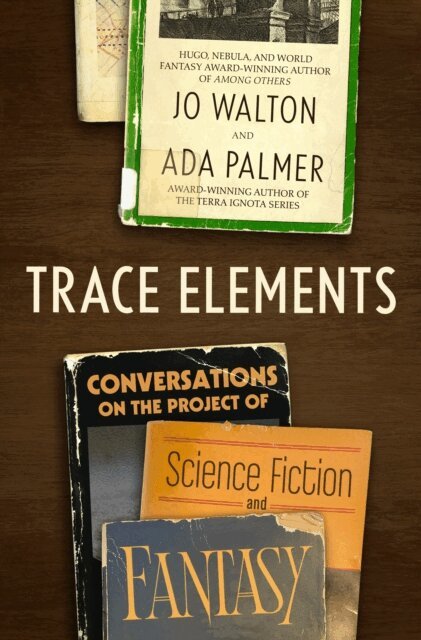
Trace Elements
Conversations on the Project of Science Fiction and Fantasy
Av Ada Palmer, Jo Walton
Inbunden, 2026
420 kr
Lägg i varukorg
From two of the most acclaimed writers in the field today, a groundbreaking look at how SF and fantasy writing-and reading! -work. Jo Walton and Ada Palmer are two of the most innovative and insightful writers to emerge in the SF and fantasy genres in this century. As writers of fiction they've …
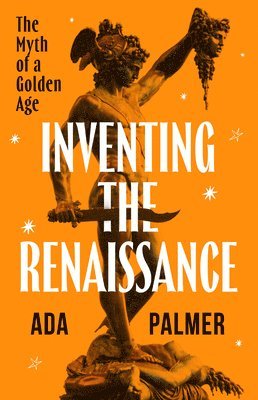
Inventing the Renaissance
Myths of a Golden Age
Av Ada Palmer
Inbunden, 2025
5,0 utav 5 stjärnor. Totalt antal röster: (1)
354 kr
Tillfälligt slut
The Renaissance is one of the most studied and celebrated eras of history. Spanning the end of the Middle Ages to the beginning of modernity, it has come to symbolise the transformative rebirth of knowledge, art, culture and political thought in Europe. And for the last two hundred years, …
Inventing the Renaissance
The Myth of a Golden Age
Av Ada Palmer
Inbunden, 2025
426 kr
Lägg i varukorg
"In this new book, the award-winning novelist and renowned historian Ada Palmer seeks to dismantle the myth of the Renaissance as a "golden age" compared to the plague- and war-ridden Middle Ages. For those who inhabited what we now think of as the Renaissance, Palmer argues, it was "a darker, …
Trace Elements
Conversations on the Project of Science Fiction and Fantasy
Av Ada Palmer, Jo Walton
E-bok, 2026
341 kr
Lägg i varukorg
From two of the most acclaimed writers in the field today, a groundbreaking look at how SF and fantasy writing-and reading!-work.Jo Walton and Ada Palmer are two of the most innovative and insightful writers to emerge in the SF and fantasy genres in this century. As writers of fiction they've each …
Too Like the Lightning
Book One of Terra Ignota
Av Ada Palmer
Häftad, 2017
309 kr
Lägg i varukorg
From the winner of the 2017 John W. Campbell Award for Best New Writer, Ada Palmer's 2017 Compton Crook Award-winning political science fiction, Too Like the Lightning, ventures into a human future of extraordinary originality Mycroft Canner is a convict. For his crimes he is required, as is the …
Inventing the Renaissance
Myths of a Golden Age
Av Ada Palmer
E-bok, 2025
189 kr
Lägg i varukorg
The Renaissance is one of the most studied and celebrated eras of history. Spanning the end of the Middle Ages to the beginning of modernity, it has come to symbolise the transformative rebirth of knowledge, art, culture and political thought in Europe. And for the last two hundred years, …
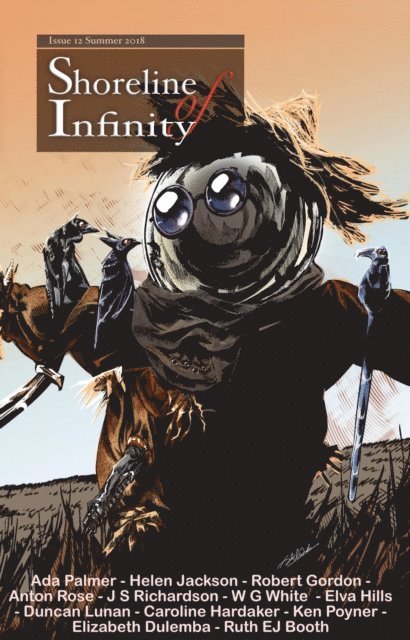
Shoreline of Infinity 12
Shoreline of Infinity science fiction magazine
Av Ruth EJ Booth, Chris Kelso m. fl.
E-bok, 2018
38 kr
Lägg i varukorg
Ada Palmer - InterviewStoriesRobert Gordon _ AeaeaHelen Jackson _ Do Not Pass GOAnton Rose _ JammersJ S Richardson _ Paradise BirdW G White _ Sand and Rust Elva Hills _ Sleeping FireDuncan Lunan _ The Square FellaSF Poetry: Caroline Hardaker, Ken Poyner, Elizabeth DulembaChris Kelso _ SF Caledonia …
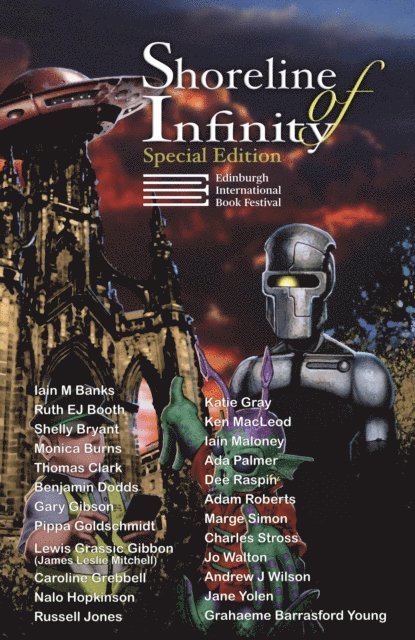
Shoreline of Infinity 81/2 EIBF Edition
Shoreline of Infinity science fiction magazine
Av Jo Walton, Iain M Banks m. fl.
E-bok, 2017
43 kr
Lägg i varukorg
Shoreline of Infinity Science Fiction Magazine is published in Edinburgh, Scotland. It features short fiction, articles, poetry, art, reviews and more. The first issue was published in the summer of 2015; already we have published some astonishingly good stories from new and more well known …
Too Like the Lightning
Book One of Terra Ignota
Av Ada Palmer
E-bok, 2016
224 kr
Lägg i varukorg
From the winner of the 2017 John W. Campbell Award for Best New Writer, Ada Palmer''s 2017 Compton Crook Award-winning political science fiction, Too Like the Lightning, ventures into a human future of extraordinary originality Mycroft Canner is a convict. For his crimes he is required, as is the …
Seven Surrenders
Book 2 of Terra Ignota
Av Ada Palmer
E-bok, 2017
230 kr
Lägg i varukorg
*2018 LOCUS AWARD FINALIST FOR BEST SCIENCE FICTION NOVEL CATEGORY* From 2017 John W. Campbell Award winner, Ada Palmer, the second book of Terra Ignota, a political SF epic of extraordinary audacity “A cornucopia of dazzling, sharp ideas set in rich, wry prose that rewards rumination with layers …
Will to Battle
Book 3 of Terra Ignota
Av Ada Palmer
E-bok, 2017
169 kr
Lägg i varukorg
The Will to Battle — the third book of 2017 John W. Campbell Award winner Ada Palmer''s Terra Ignota series — a political science fiction epic of extraordinary audacity “A cornucopia of dazzling, sharp ideas set in rich, wry prose that rewards rumination with layers of delight. Provocative, …
Perhaps the Stars
Av Ada Palmer
E-bok, 2021
188 kr
Lägg i varukorg
In a future world where utopian stability is a facade, the catalyst for global chaos is a special little boy. Perhaps the Stars , the gripping conclusion to Ada Palmer''s Hugo Award-shortlisted Terra Ignota series, explores the consequences of a society''s comforts and the complexities of war, …
Too Like the Lightning
Av Ada Palmer
E-bok, 2017
106 kr
Lägg i varukorg
The year is 2454. Humanity has engineered a hard-won golden age , forged in the aftermath of a bitter conflict that wiped both religion and nation state from the planet. Now seven factions or ''hives'' co-govern the world, their rule fuelled by benign censorship, oracular statistical analytics and …
Seven Surrenders
Av Ada Palmer
E-bok, 2017
123 kr
Lägg i varukorg
The year is 2454. The sun is setting on a hard-won golden age . For three centuries, humanity has enjoyed peace and prosperity fuelled by technological abundance, oracular data analytics, careful censorship... and just a little blood. In a world dominated by seven factions, or ''Hives'', the price …
Will to Battle
Av Ada Palmer
E-bok, 2017
123 kr
Lägg i varukorg
The year is 2454 . Three centuries of peace and a hard-won golden age have come to an abrupt end . The once steadfast leadership of the seven Hives is crumbling, soured by corruption and deception . Savagery and bloodlust, three-centuries suppressed, have been unleashed. The terrible truth is that …
Perhaps the Stars
Av Ada Palmer
E-bok, 2021
138 kr
Lägg i varukorg
The final instalment in Ada Palmer''s award-winning, critically acclaimed Terra Ignota series. For years, the leaders of the Hive clandestinely committed terrible deeds in order to maintain an outward semblance of utopian stability. But the facade could last only so long. Global travel and …
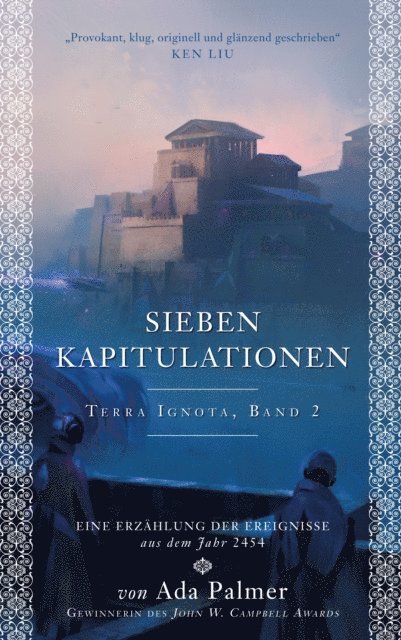
Sieben Kapitulationen - Terra Ignota 2
Av Ada Palmer
E-bok, 2022
182 kr
Lägg i varukorg
Wir schreiben das Jahr 2454. Den Anführern der großen, weltumspannenden Hives, die an die Stelle der alten Nationalstaaten getreten sind, ist es lange Zeit gelungen, durch geheime Abkommen die Weltordnung auf einem stabilen Niveau zu halten. Doch das fragile Konstrukt des globalen Gleichgewichts …
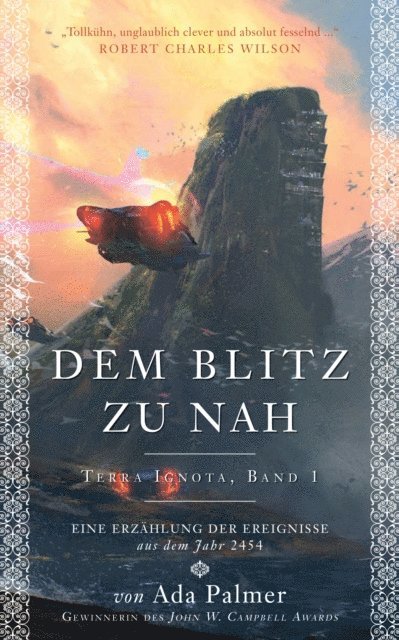
Dem Blitz zu nah - Terra Ignota 1
Av Ada Palmer
E-bok, 2022
182 kr
Lägg i varukorg
Wir schreiben das Jahr 2454. Die Menschheit befindet sich in einem hart erkämpften goldenen Zeitalter, in dem Religionen und auch Nationalstaaten keinen Platz mehr haben. Sieben Fraktionen - die sogenannten "Hives" - regieren nun gemeinsam die Welt, deren Herrschaft durch eine wohlwollende Zensur, …
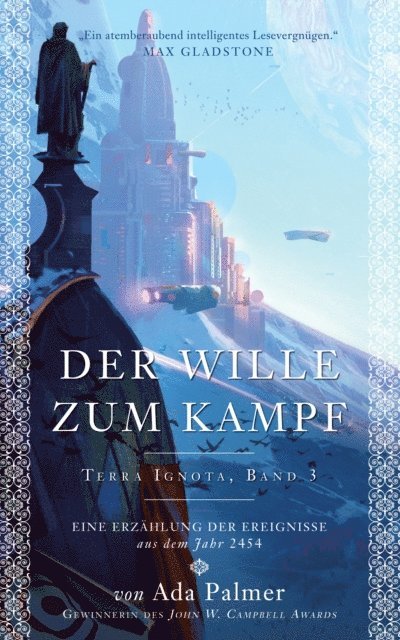
Der Wille zum Kampf - Terra Ignota 3
Av Ada Palmer
E-bok, 2024
219 kr
Lägg i varukorg
Wir schreiben das Jahr 2454. Drei Jahrhunderte des Friedens und ein hart erkämpftes goldenes Zeitalter haben ein jähes Ende gefunden. Die einst unerschütterliche Vormachtstellung der sieben großen Hives bröckelt. Korruption und Betrug haben das System unterhöhlt. Aggression und Blutdurst, die …