Adam Culling - Böcker
Visar alla böcker från författaren Adam Culling. Handla med fri frakt och snabb leverans.
4 produkter
4 produkter
189 kr
Tillfälligt slut
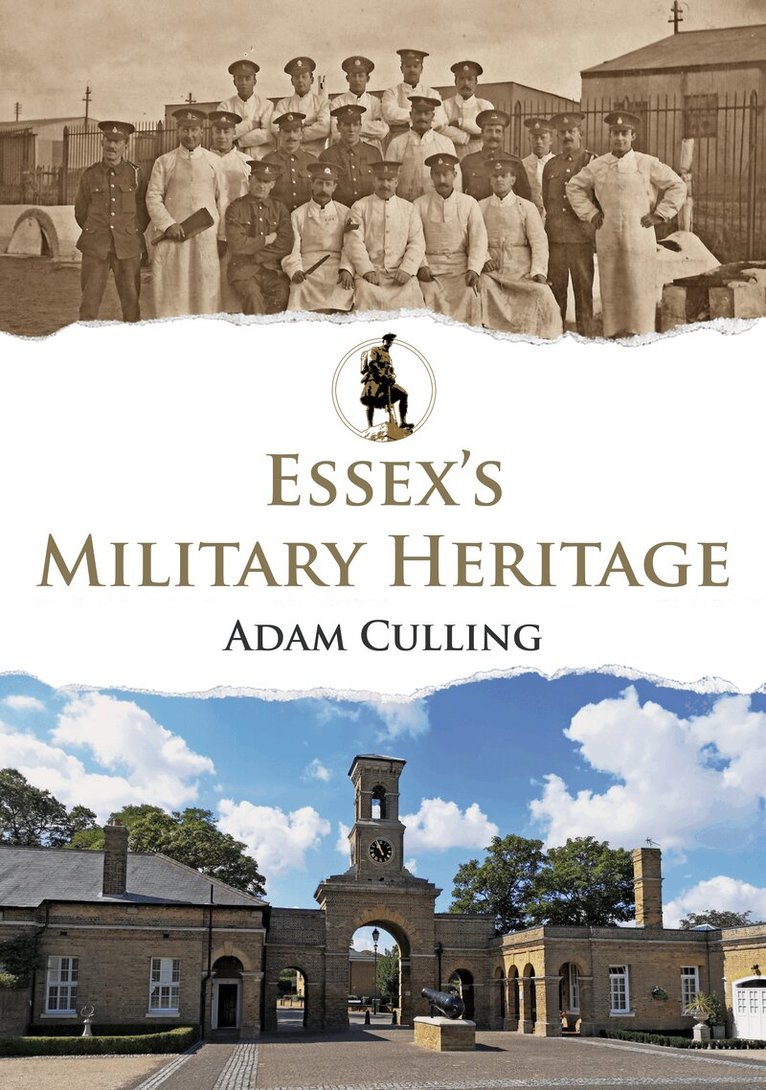
Few counties can rival Essex’s extensive and varied military history. The battles fought in Essex, and by its servicemen and women overseas, have not only shaped the history of the county but have directly influenced the course of British and world history. In Essex’s Military Heritage, Adam Culling explores 2,000 years of the county’s military history, beginning with Boudicca’s attack on Roman Colchester then moving on to frontline battles between the Anglo-Saxons and Viking raiders, medieval and Civil War sieges and beyond.Throughout Essex no better connection to its military past is more present than the physical evidence that remains. Norman castles, Tudor and Victorian forts, coastal and inland defences and the RAF and US Army Air Force airfields from the Second World War are a few reminders of Essex’s military past. From the largest war memorial in the county in Colchester’s Castle Park to commemorative stained-glass windows in village churches, peculiar, intriguing and moving memorials of military sacrifices are ever present throughout Essex.From the Crimean War to the present day, Essex has been the home to many military units. None are more significant than the Essex Regiment who, along with their predecessors, fought bravely in conflicts all around the world. Munitions factories and wartime manufacturing, gallant and distinguished conduct, Zeppelin crash sites, requisitioned stately homes and ‘secret’ nuclear bunkers, this book provides a fascinating insight into the events, people and places that represent Essex’s military heritage.
173 kr
Skickas
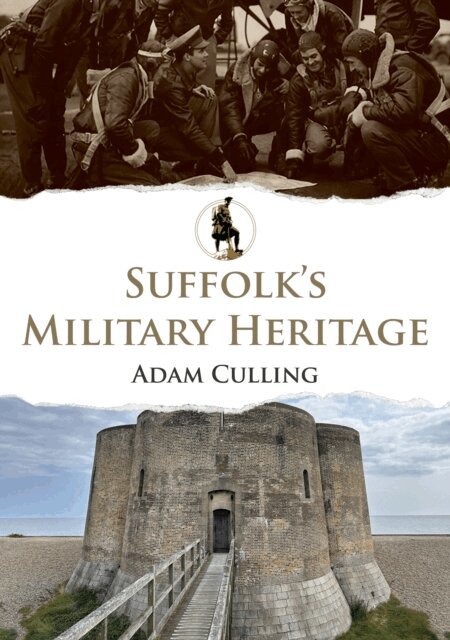
For centuries, Suffolk’s rural and urban landscape has been shaped by conflict; from Celtic tribes and the Roman Empire, Anglo-Saxons and Viking raiders, Norman invaders to local rebellions. Suffolk’s shoreline has defended against Dutch and French invasions, and coastal defences can still be seen today. The county was once again on the front line during the First and Second World Wars, enduring attacks by air while preparing again for assaults by sea. Over the centuries Suffolk also became home to numerous military units: the renowned Suffolk Regiment and is predecessors fought in campaigns all over the world, while members of the US Army Air Force served at airfields scattered across the county during the Second World War. The county has retained physical connections to its military past, from fortifications and buildings to memorials. Weaponry and munitions were designed and manufactured in Suffolk, the county and its inhabitants endured attack from the air, homes were requisitioned, and latterly bunkers built against the threat of nuclear attack.This book provides a fascinating insight into the events, people and places which represent Suffolk’s military heritage. It will be of interest to all those who would like to know more about Suffolk’s remarkable military history.
111 kr
Tillfälligt slut
The First World War prompted the recruitment and training of British soldiers on an unprecedented scale. And they all needed to be prepared for one of the deadliest, most gruelling conflicts in human history.Physical training, bayonet fighting training and hand-to-hand combat all fell under the instruction of the Army Gymnastic Staff, which grew from 200 to 2,000 officers and instructors between 1914 and 1918. Adam W. Culling, Curator of the Royal Army Physical Training Corps Museum, has collected here a number of training and equipment manuals, books, photographs and inspirational lectures. Together these provide an insight into how the physical training instructor kept the British soldier Fighting Fit.
111 kr
Tillfälligt slut
The Second World War prompted the recruitment and training of British soldiers on a scale never seen since. Physical training, sports, recreational games and bayonet fighting training all fell under the instruction of what became the Army Physical Training Corps in 1940, a unit that had already proved vital in creating and maintaining fitness and battle-readiness among recruits in the First World War.Adam W. Culling, Curator of the Royal Army Physical Training Corps Museum, has collected here a number of training and equipment manuals, books and photographs. Together these provide an insight into how the physical training instructor kept the British soldier Fighting Fit.