Adam R. Hodge – författare
Visar alla böcker från författaren Adam R. Hodge. Handla med fri frakt och snabb leverans.
2 produkter
2 produkter
388 kr
Kommande
Once condemned as an aquatic menace, the bull trout was hunted, despised, and blamed for the decline of prized sport fish in Montana. Today it stands as a valued native species and a symbol of ecological fragility in the US West. The Cannibal of Montana’s Streams tells the remarkable story behind that transformation.Focusing on the Bitterroot River basin of western Montana, Adam R. Hodge traces the intertwined histories of a fish, a watershed, and a settler society that reshaped both. Drawing on historical documents, scientific research, and Native American oral traditions, he reveals how irrigation, logging, dam construction, livestock grazing, and the introduction of nonnative fish altered aquatic ecosystems and marginalized bull trout populations. At the same time, he charts a dramatic shift in human attitudes. A species once vilified as a predator threatening recreational fishing gradually came to be understood as a crucial apex predator and a key indicator of watershed health. The rise of modern fisheries science, environmental activism, endangered species recovery efforts, and watershed restoration initiatives all contributed to this reversal in perception.The Cannibal of Montana’s Streams offers a compelling “biography” of a species—and a powerful reminder that human ambitions can transform entire ecosystems, often with lasting and irreversible consequences.
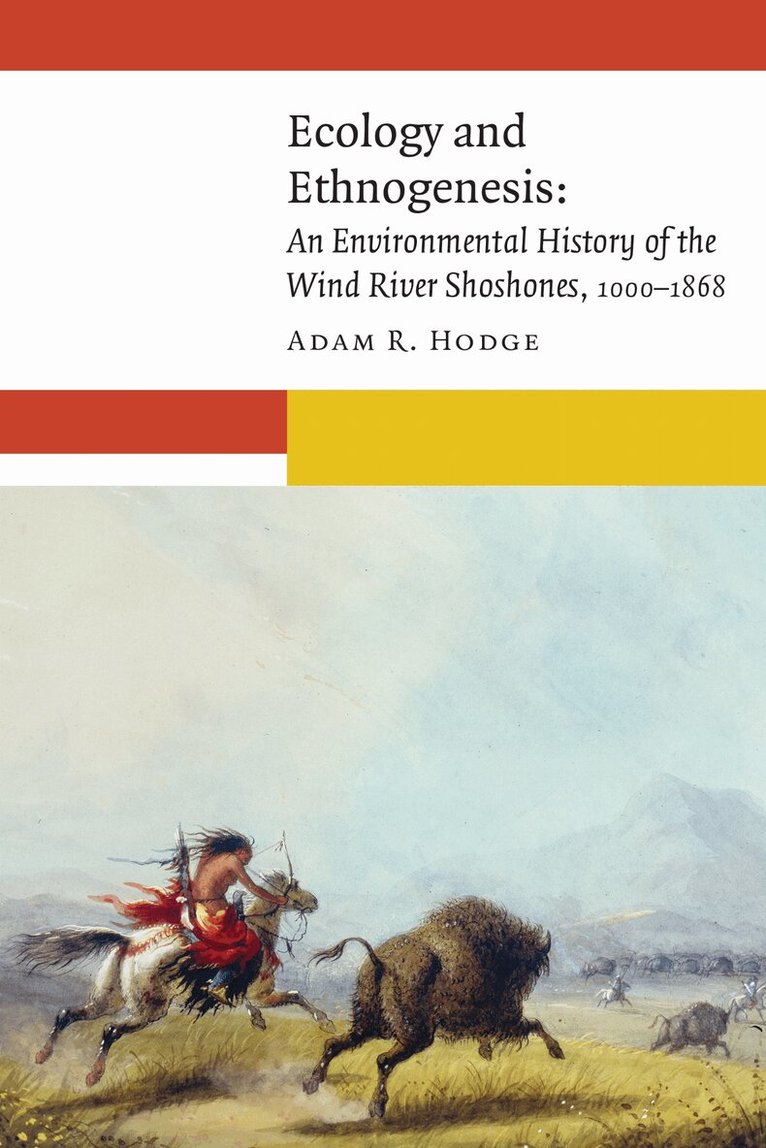
Ecology and Ethnogenesis
An Environmental History of the Wind River Shoshones, 1000–1868
Inbunden, Engelska, 2019
675 kr
Skickas inom 10-15 vardagar
In Ecology and Ethnogenesis Adam R. Hodge argues that the Eastern Shoshone tribe, now located on the Wind River Reservation in Wyoming, underwent a process of ethnogenesis through cultural attachment to its physical environment that proved integral to its survival and existence. He explores the intersection of environmental, indigenous, and gender history to illuminate the historic roots of the Eastern Shoshone bands that inhabited the intermountain West during the nineteenth century.Hodge presents an impressive longue durÉe narrative of Eastern Shoshone history from roughly 1000 CE to 1868, analyzing the major developments that influenced Shoshone culture and identity. Geographically spanning the Great Basin, Rocky Mountain, Columbia Plateau, and Great Plains regions, Ecology and Ethnogenesis engages environmental history to explore the synergistic relationship between the subsistence methods of indigenous people and the lands that they inhabited prior to the reservation era. In examining that history, Hodge treats Shoshones, other Native peoples, and Euroamericans as agents who, through their use of the environment, were major components of much broader ecosystems. The story of the Eastern Shoshones over eight hundred years is an epic story of ecological transformation, human agency, and cultural adaptation.Ecology and Ethnogenesis is a major contribution to environmental history, ethnohistory, and Native American history. It explores Eastern Shoshone ethnogenesis based on interdisciplinary research in history, archaeology, anthropology, and the natural sciences in devoting more attention to the dynamic and often traumatic history of “precontact” Native America and to how the deeper past profoundly influenced the “postcontact” era.