Adam Zeman - Böcker
Visar alla böcker från författaren Adam Zeman. Handla med fri frakt och snabb leverans.
6 produkter
6 produkter
2 280 kr
Skickas inom 7-10 vardagar
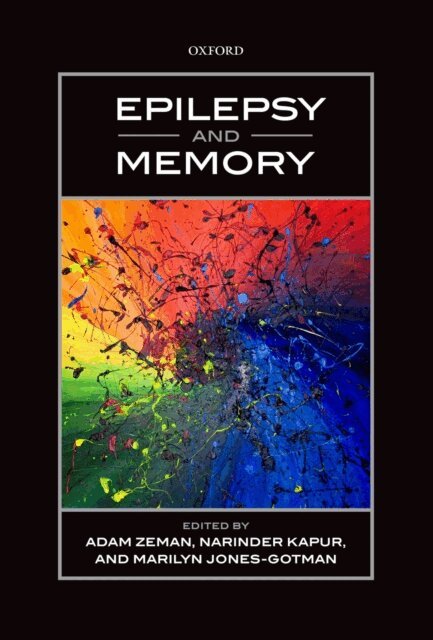
Epilepsy is one of the most common disorders of the brain, and these patients often suffer from memory problems. There are a number of reasons for this: seizures can directly affect the brain in ways that disturb memory; epilepsy often results from trouble in brain regions closely linked to memory; the treatment of epilepsy can affect memory; epilepsy can cause psychological problems, like depression, which interfere with memory. The study of epilepsy and the and the study of human memory are interwoven.Epilepsy and Memory comprehensively reviews all aspects of the relationship between this common and potentially serious neurological disorder and memory, one of the core functions of the human mind. The authors, acknowledged experts in their fields, review the history of the subject, the clinical features of memory disorder in epilepsy, neuropsychological, neuroradiological, neuropathological and electrophysiological findings, the roles of anticonvulsant side effects and psychiatric disorder, and the scope for memory support and rehabilitation. The study of patients with epilepsy has revealed much about the workings of memory, yet there has been no recent review of this fertile field of research. This book fills this gap and is a valuable new addition to the brain sciences literature. It will be of wide interest to clinicians and basic researchers in the brain sciences.
278 kr
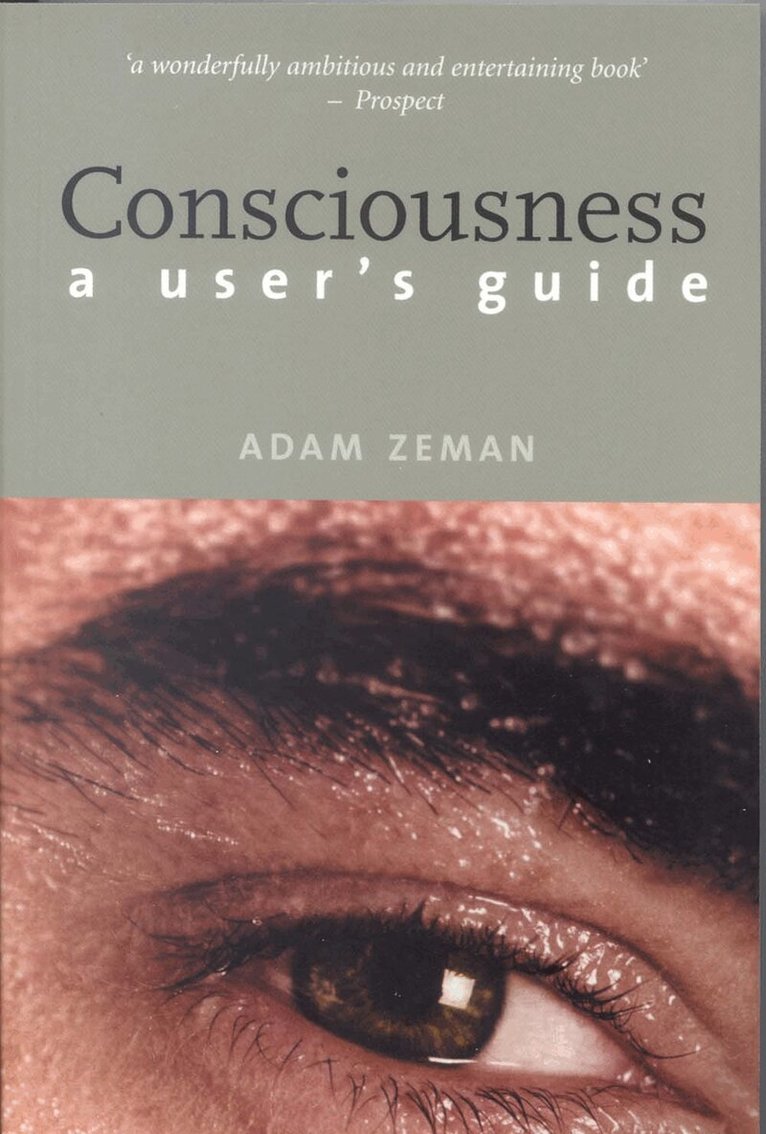
A fascinating exploration of the nature of consciousnessThis engaging and readable book provides an introduction to consciousness that does justice both to the science and to the philosophy of consciousness, that is, the mechanics of the mind and the experience of awareness. The book opens with a general discussion of the brain and of consciousness itself. Then, exploring the areas of brain science most likely to illuminate the basis of awareness, Zeman focuses on the science of sleep and waking and on the science of vision. He describes healthy states and disorders—epilepsy, narcolepsy, blindsight and hallucinations after stroke—that provide insights into the capacity for consciousness and into its contents. And he tracks the evolution of the brain, the human species, and human culture and surveys the main current scientific theories of awareness, pioneering attempts to explain how the brain gives rise to experience.Zeman concludes by examining philosophical arguments about the nature of consciousness. A practicing neurologist, he animates his text with examples from the behavioral and neurological disorders of his patients and from the expanding mental worlds of young children, including his own. His book is an accessible and enlightening explanation of why we are conscious.
193 kr
Skickas inom 7-10 vardagar
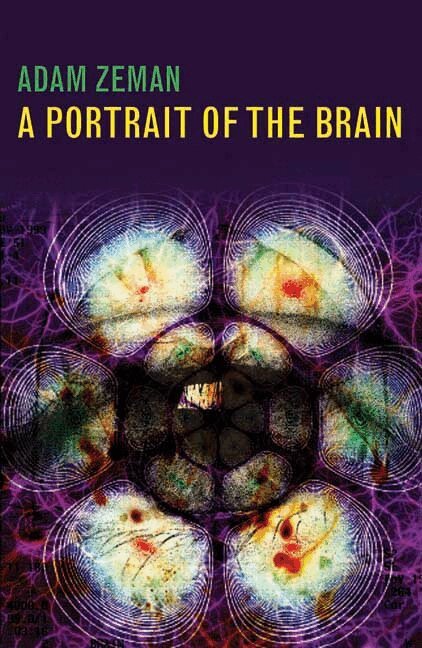
Bizarre, perplexing, and moving cases of brain disorder, told by a neurologist with an extraordinary gift for storytellingIn this compelling book, neurologist Adam Zeman tells the stories of patients with a variety of neurological disorders, some familiar (epilepsy, chronic fatigue, stroke, memory loss) and others relatively mysterious (narcolepsy, chronic déjà vu, compulsive fidgeting, Creutzfeldt-Jakob disease). Chapter by chapter, the author reveals the various levels of the brain, from the atom to the mind, and explores what happens when workings at each level go awry. Zeman requires of his readers no special knowledge of medicine or science, yet he takes us to the very frontiers of current scientific knowledge and elucidates the workings of the brain in astonishing detail.The book weaves together fascinating case histories, clear accounts of concepts and discoveries in neuroscience, and an intimate view of the suspense, excitement, fun, and angst that color a neurologist’s days. Zeman also considers what the brain’s behavior and misbehavior can tell us about the human self as physical system, living creature, and conscious mind. In a final chapter he reflects on the place of the mind in nature. On every page Zeman both entertains and informs, and readers will find themselves pondering the enigmas of brain and mind long after closing the covers of this thought-provoking volume.
285 kr
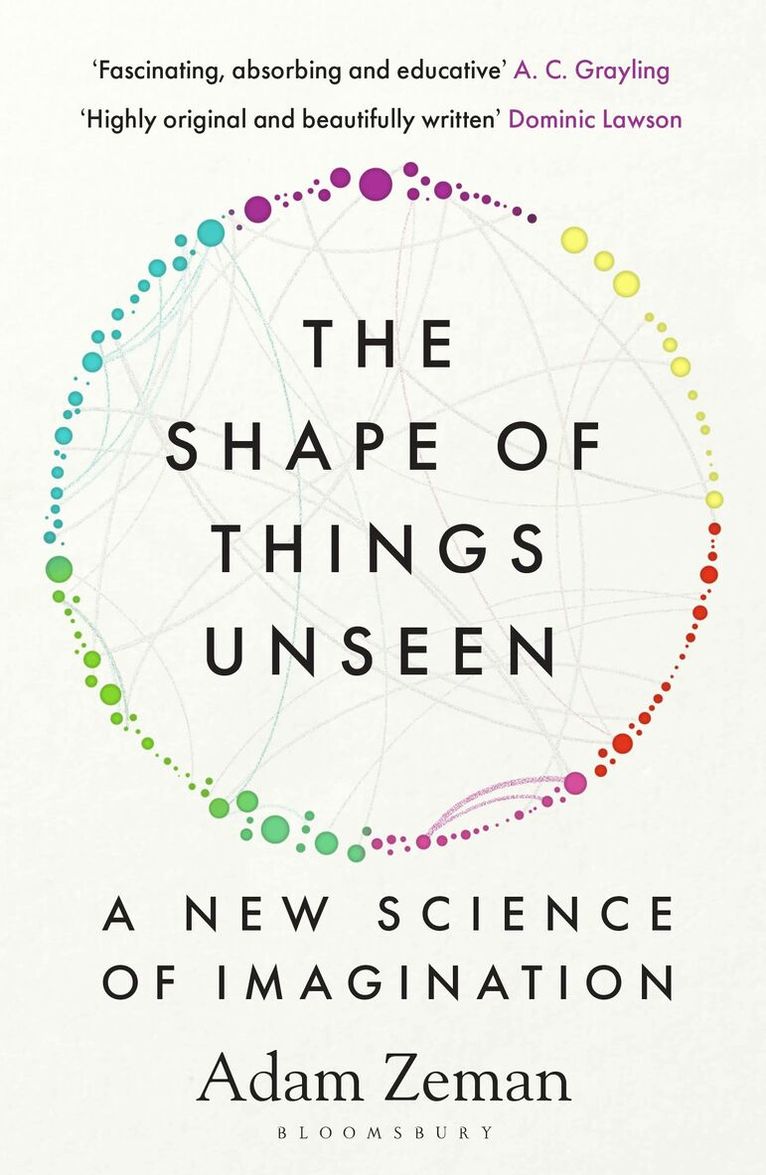
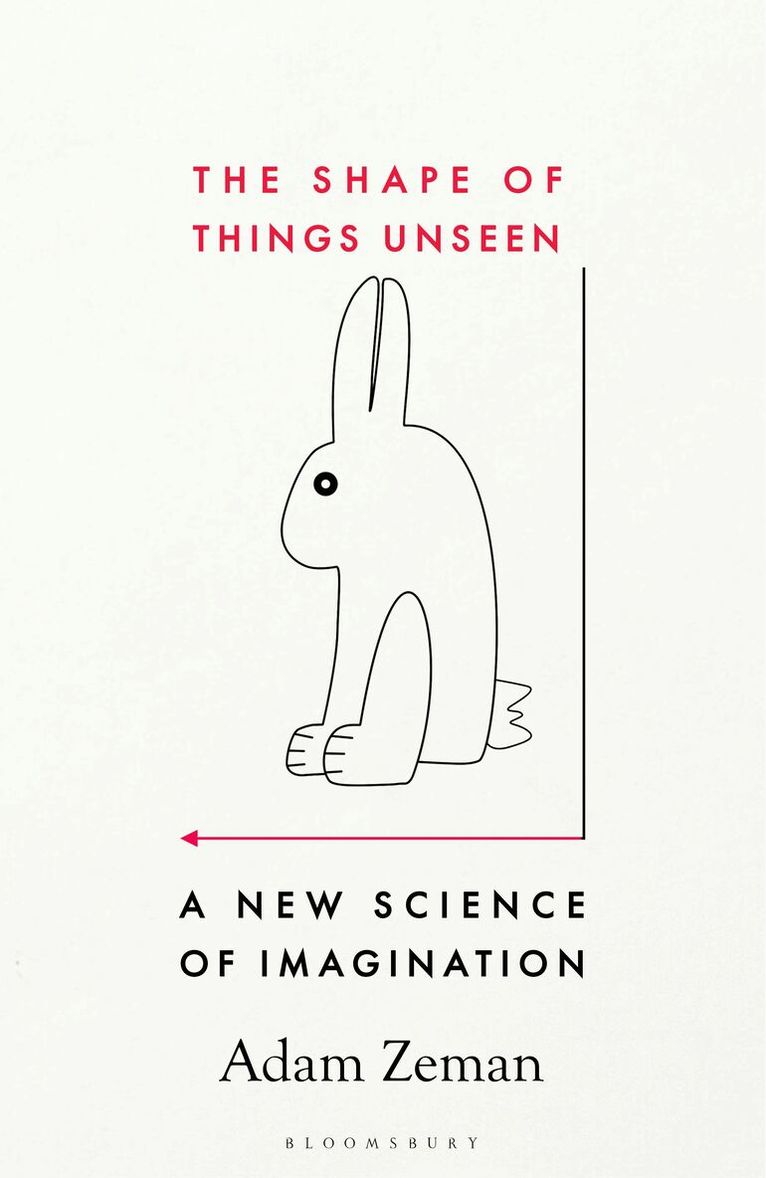
‘Fascinating, absorbing and educative’ A. C. Grayling‘Highly original and beautifully written’ Dominic LawsonA compelling insight into how our imagination works, based on the latest scientific research.People often think of imagination as something used only in creative endeavours. In fact, we use imagination constantly as we reminisce, anticipate, plan, daydream, read, create imagined worlds. The truth is we live in the here and now much less than we tend to think. Imagination isn’t the exception in our daily lives; it’s our default setting. Yet only now are we beginning to understand exactly how it works.From hallucination to sleepwalking, from REM sleep to delusions, neurologist Adam Zeman brilliantly guides us through the latest scientific studies in the world of the imagination. He draws on research in neuroscience, the study of human origins and child development to show how the human brain is above all else a creative, imaginative organ – and that we have evolved to share what we imagine.Our brains behave in strikingly similar ways when we observe, remember, imagine or act. Imagine looking at a cube and your eye will trace the contours of the cube as if you were actually seeing it. Yet it turns out that people differ hugely in their imaginative experience. Some people lack sensory imagery altogether – they would be unable to picture their family if asked to – but still lead fulfilling, even highly creative, lives.From how we visualise to how we understand the minds of others, from the benefits of play to mental disorders, The Shape of Things Unseen dazzles and delights. It is an essential guide to the latest discoveries about the workings of the human mind.
152 kr
Skickas inom 7-10 vardagar
‘Fascinating, absorbing and educative’ A. C. Grayling‘Highly original and beautifully written’ Dominic LawsonA compelling insight into how our imagination works, based on the latest scientific research.People often think of imagination as something used only in creative endeavours. In fact, we use imagination constantly as we reminisce, anticipate, plan, daydream, read, create imagined worlds. The truth is we live in the here and now much less than we tend to think. Imagination isn’t the exception in our daily lives; it’s our default setting. Yet only now are we beginning to understand exactly how it works.From hallucination to sleepwalking, from REM sleep to delusions, neurologist Adam Zeman brilliantly guides us through the latest scientific studies in the world of the imagination. He draws on research in neuroscience, the study of human origins and child development to show how the human brain is above all else a creative, imaginative organ – and that we have evolved to share what we imagine.Our brains behave in strikingly similar ways when we observe, remember, imagine or act. Imagine looking at a cube and your eye will trace the contours of the cube as if you were actually seeing it. Yet it turns out that people differ hugely in their imaginative experience. Some people lack sensory imagery altogether – they would be unable to picture their family if asked to – but still lead fulfilling, even highly creative, lives.From how we visualise to how we understand the minds of others, from the benefits of play to mental disorders, The Shape of Things Unseen dazzles and delights. It is an essential guide to the latest discoveries about the workings of the human mind.
247 kr
Skickas inom 3-6 vardagar
‘Fascinating, absorbing and educative’ A. C. Grayling‘Highly original and beautifully written’ Dominic LawsonA compelling insight into how our imagination works, based on the latest scientific research.People often think of imagination as something used only in creative endeavours. In fact, we use imagination constantly as we reminisce, anticipate, plan, daydream, read, create imagined worlds. The truth is we live in the here and now much less than we tend to think. Imagination isn’t the exception in our daily lives; it’s our default setting. Yet only now are we beginning to understand exactly how it works.From hallucination to sleepwalking, from REM sleep to delusions, neurologist Adam Zeman brilliantly guides us through the latest scientific studies in the world of the imagination. He draws on research in neuroscience, the study of human origins and child development to show how the human brain is above all else a creative, imaginative organ – and that we have evolved to share what we imagine.Our brains behave in strikingly similar ways when we observe, remember, imagine or act. Imagine looking at a cube and your eye will trace the contours of the cube as if you were actually seeing it. Yet it turns out that people differ hugely in their imaginative experience. Some people lack sensory imagery altogether – they would be unable to picture their family if asked to – but still lead fulfilling, even highly creative, lives.From how we visualise to how we understand the minds of others, from the benefits of play to mental disorders, The Shape of Things Unseen dazzles and delights. It is an essential guide to the latest discoveries about the workings of the human mind.