ADITYA – författare
Visar alla böcker från författaren ADITYA. Handla med fri frakt och snabb leverans.
15 produkter
Hidden Link Prediction in Stochastic Social Networks
E-bok, 2019
2579 kr
Lägg i varukorg
Link prediction is required to understand the evolutionary theory of computing for different social networks. However, the stochastic growth of the social network leads to various challenges in identifying hidden links, such as representation of graph, distinction between spurious and missing …
Hidden Link Prediction in Stochastic Social Networks
E-bok, 2019
3322 kr
Lägg i varukorg
Link prediction is required to understand the evolutionary theory of computing for different social networks. However, the stochastic growth of the social network leads to various challenges in identifying hidden links, such as representation of graph, distinction between spurious and missing …
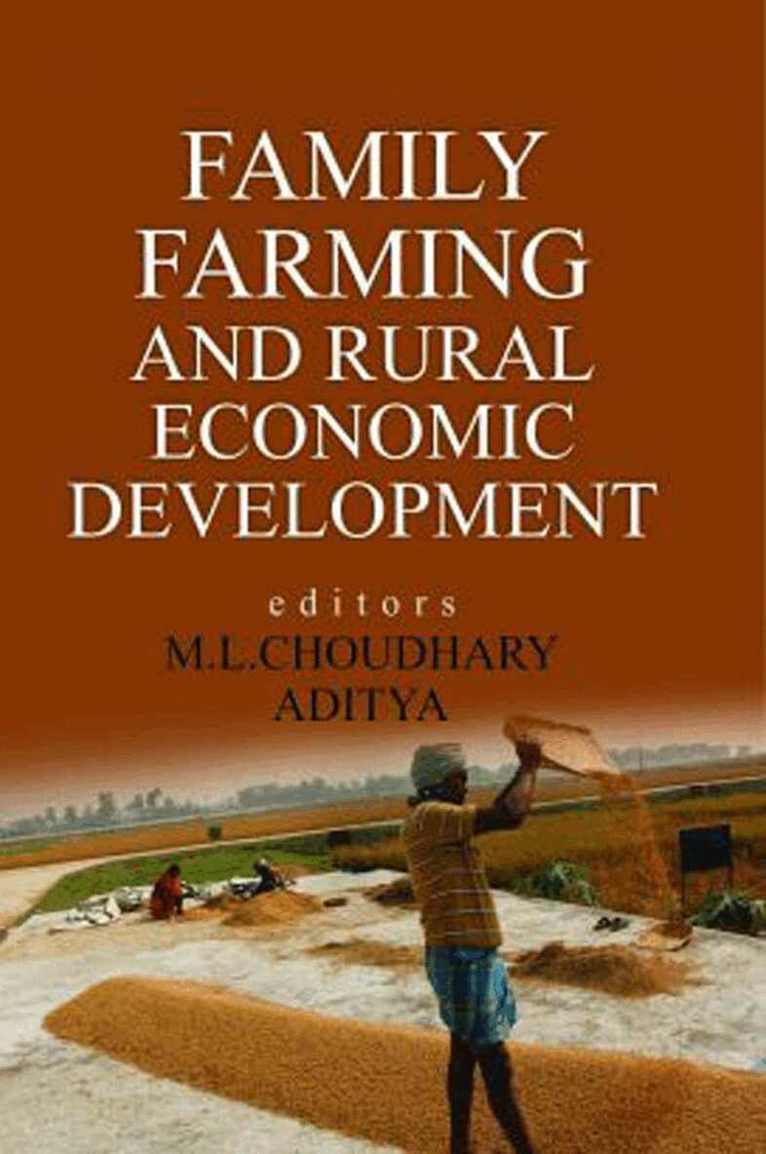
Family Farming and Rural Economic Development
Av M.L.Choudhary & Aditya, M.L.Choudhary m. fl.
Häftad, 2015
1060 kr
Lägg i varukorg
Family farming is the most common form of agriculture in both developed and developing countries, encompassing all family-based agricultural activities. It is closely linked to various aspects of rural and social development. Defined as a means of organizing agricultural, forestry, fisheries, …
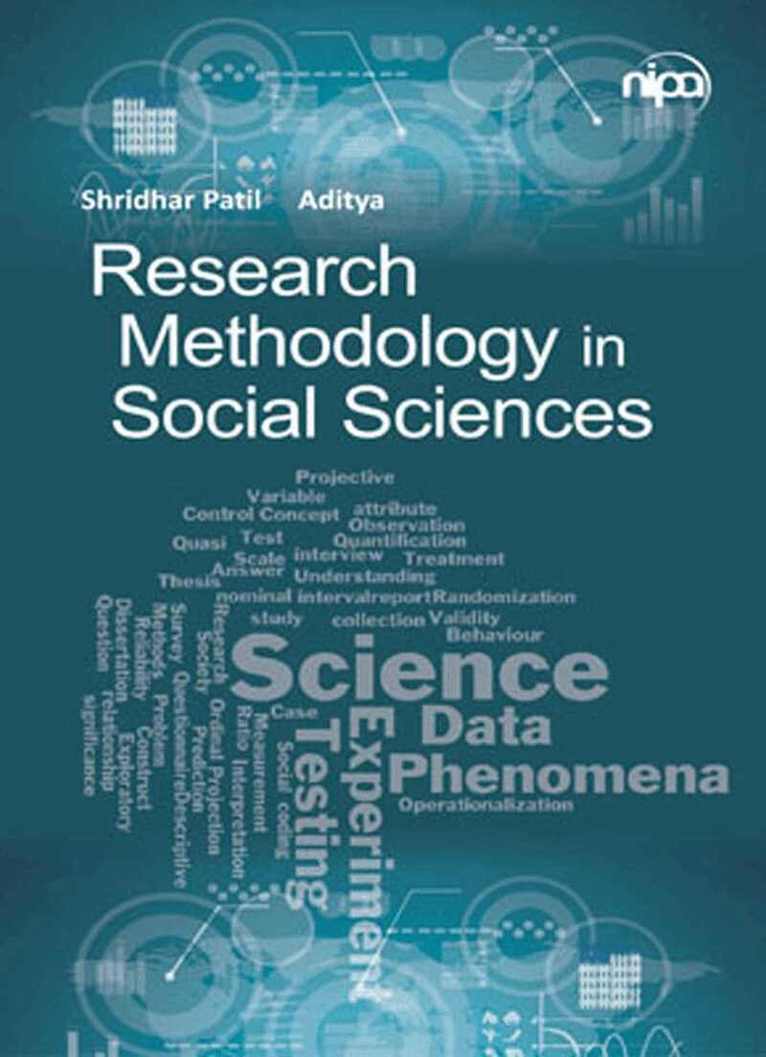
Research Methodology in Social Sciences
Av Shridhar Patil, Aditya
Häftad, 2016
695 kr
Lägg i varukorg
The following text discusses a book that presents fundamental concepts related to social research in the context of Extension Education. The book is structured into four parts. The first section, Foundations of Social Research, addresses the universal and basic components of scientific research, …
Family Farming and Rural Economic Development
Av M.L.Choudhary & Aditya, M.L.Choudhary m. fl.
Inbunden, 2015
2112 kr
Lägg i varukorg
Family farming is a prevalent form of agriculture in both developed and developing countries, encompassing all family-based agricultural activities and being closely connected to various aspects of rural and social development. It is recognized as an organization of agricultural, forestry, …
Research Methodology in Social Sciences
Av Shridhar Patil, Aditya
Inbunden, 2016
1382 kr
Lägg i varukorg
The book at hand effectively conveys the fundamental concepts pertinent to social research in the realm of Extension Education. The book has been divided into four key parts. The first part, Foundations of social research, covers the fundamental units of social research, including the scientific …
My Reflections
Av ADITYA
E-bok, 2024
11 kr
Lägg i varukorg
"e;Embark on a profound journey of self-discovery as 'The Path Within' guides you through ancient wisdom and transformative practices to unlock your inner potential. This book offers a practical roadmap to cultivate mindfulness, deepen your connection to the present moment, and awaken to a life …
CISSP Domain 1 Study Guide ( Updated 2024 ) With Practice Exam Questions, Quizzes, Flash Cards
CISSP Study Guide - Updated 2024, #1
Av ADITYA .
E-bok
306 kr
Lägg i varukorg
Winning With Systems
Road to Success with Ease, #1
E-bok, 2025
32 kr
Lägg i varukorg
Embark on a transformative journey with "e;Winning with Systems: The Winner's Code,"e; a powerful guide designed to unlock your inner potential and redefine your path to success. This isn't just another self-help book; it's a revolutionary blueprint for training your mind and building …