Shridhar Patil - Böcker
Visar alla böcker från författaren Shridhar Patil. Handla med fri frakt och snabb leverans.
3 produkter
3 produkter
652 kr
Skickas inom 7-10 vardagar
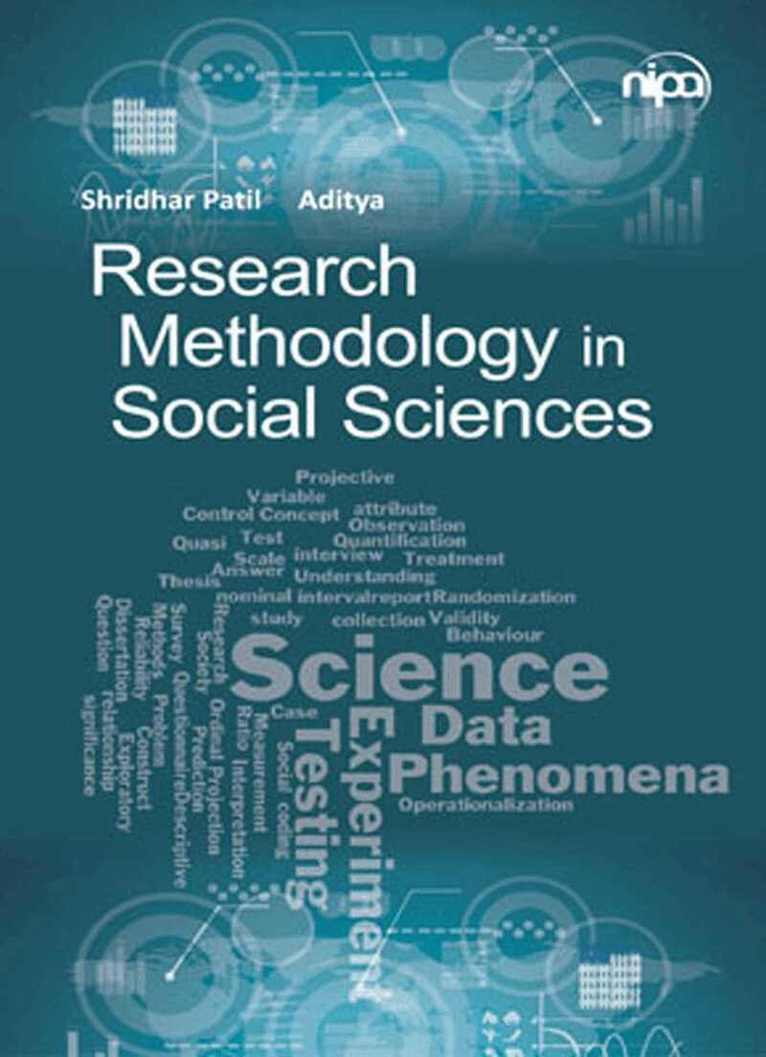
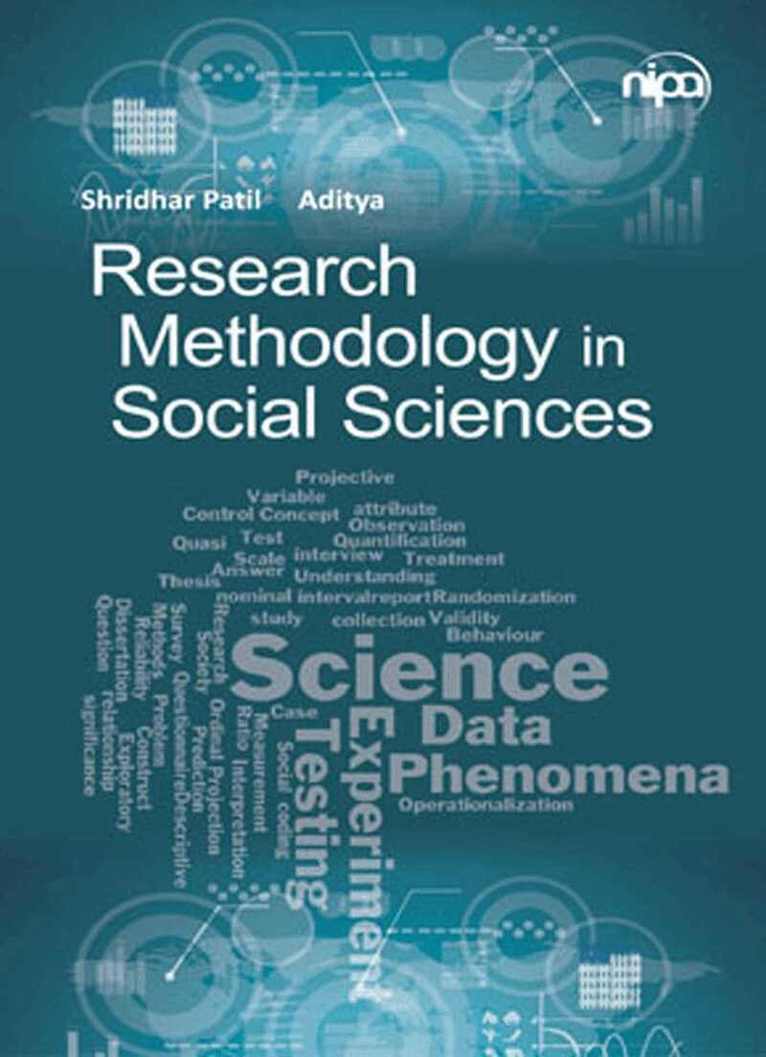
The following text discusses a book that presents fundamental concepts related to social research in the context of Extension Education. The book is structured into four parts. The first section, Foundations of Social Research, addresses the universal and basic components of scientific research, including the scientific approach, meaning, research process, and problem development. The section also covers variable definition and measurement, as well as the testing of the reliability and validity of measuring instruments. The second section, Research Methods, explores the three primary research methods employed in extension education and agricultural extension: survey research, action research, and case studies. Each methods process, advantages, and limitations are thoroughly examined. The third section, Tools and Techniques of Data Collection, investigates various data collection techniques suitable for different situations, such as face-to-face interviews, mailed questionnaires, observation, content analysis, sociometry, and projective methods. The section also discusses the relative advantages and limitations of these techniques. The final section, Data Processing and Report Writing, focuses on preparing collected data for statistical analysis through coding. This section discusses different types of codes and their utility, as well as hypothesis formulation, testing, and report writing.
1 296 kr
Skickas inom 7-10 vardagar
The book at hand effectively conveys the fundamental concepts pertinent to social research in the realm of Extension Education. The book has been divided into four key parts. The first part, Foundations of social research, covers the fundamental units of social research, including the scientific approach, meaning, process, and development of scientific research problems. Additionally, it delves into the defining and measurement of variables, as well as the testing of the reliability and validity of measuring instruments. The second part, Research Methods, examines the three primary research methods used in extension education and agricultural extension, namely survey research, action research, and case study. This section provides a comprehensive overview of the process, advantages, and limitations of each method. There are numerous research methods employed in social research. The third part, Tools and techniques of data collection, explores the situation suitability, relative advantages, and limitations of various data collection techniques, such as face-to-face interviews, mailed questionnaires, observation methods, content analysis, sociometry, and projective methods. Finally, the fourth part, Data processing and report writing, focuses on rendering the collected data amenable for statistical analysis, such as coding, as well as the formulation and testing of hypotheses and the composition of the research report.
954 kr
Skickas inom 7-10 vardagar
This publication provides a comprehensive account of the policies devised for the purpose of generating income, the capacity building initiatives aimed at equipping tribal men and women with the skills necessary for economically productive activities, and the creation of sustainable food systems within households to ensure food and nutritional security. These systems make use of locally available resources and homestead land, as well as the surrounding area. We hope that the experiences and outcomes gained during the implementation of this project, as detailed in this book, will prove useful in the planning, monitoring, and evaluation of projects aimed at the development of tribal communities.