Adrian and Dawn L. Bridge - Böcker
Visar alla böcker från författaren Adrian and Dawn L. Bridge. Handla med fri frakt och snabb leverans.
7 produkter
7 produkter
178 kr
Skickas inom 11-20 vardagar
Through much of its history the Cheshire town of Northwich was little more than 6 statutory acres. This modest settlement was surrounded by other small townships, which it gradually absorbed over time. The bonds between central Northwich and its surrounding villages and settlements have been very strong for centuries. The long industrial history of parts of Northwich – famous for its salt, soda ash and shipbuilding – contrast with the semi-rural character of areas such as Davenham and Hartford.In Secret Northwich & Around, local authors Adrian and Dawn L. Bridge delve beneath the surface of the area’s fascinating history and focus upon aspects of its past that are lesser known, but of considerable significance. Among the subjects highlighted is the massive impact that slave trade money had on the local economy. Other chapters look at local industries, people, power and controversy and Victorian politics. The authors also explore hidden aspects of the locality’s past, which include topics ranging from law and order to public health, poverty and wartime.Illustrated throughout, with colour and archive images, this book will be of interest to local residents, visitors and all those with connections to the area.
173 kr
Tillfälligt slut
The county of Staffordshire has an impressive military history and heritage that stretches back well over 1,000 years. In this book the authors explore the military heritage of the historical county of Staffordshire, including the heavily populated urban areas of Stoke-on-Trent, Wolverhampton, Walsall and West Bromwich and the more rural parts of the county from its Anglo-Saxon and Viking legacy to the present day. As well as Staffordshire’s historic fortifications, airbases and other military structures, the authors tell the story of Staffordshire’s experiences on the Home Front in the world wars. Its military heritage also encompasses military hospitals, munitions, armaments and aircraft production, as well as the military units and regiments associated with Staffordshire, significant military personalities and awards and the foreign wars its soldiers were involved in through the centuries, as well as the county’s memorials to these conflicts.This book will be of interest to all those who would like to know more about Staffordshire’s remarkable military history.
172 kr
Skickas
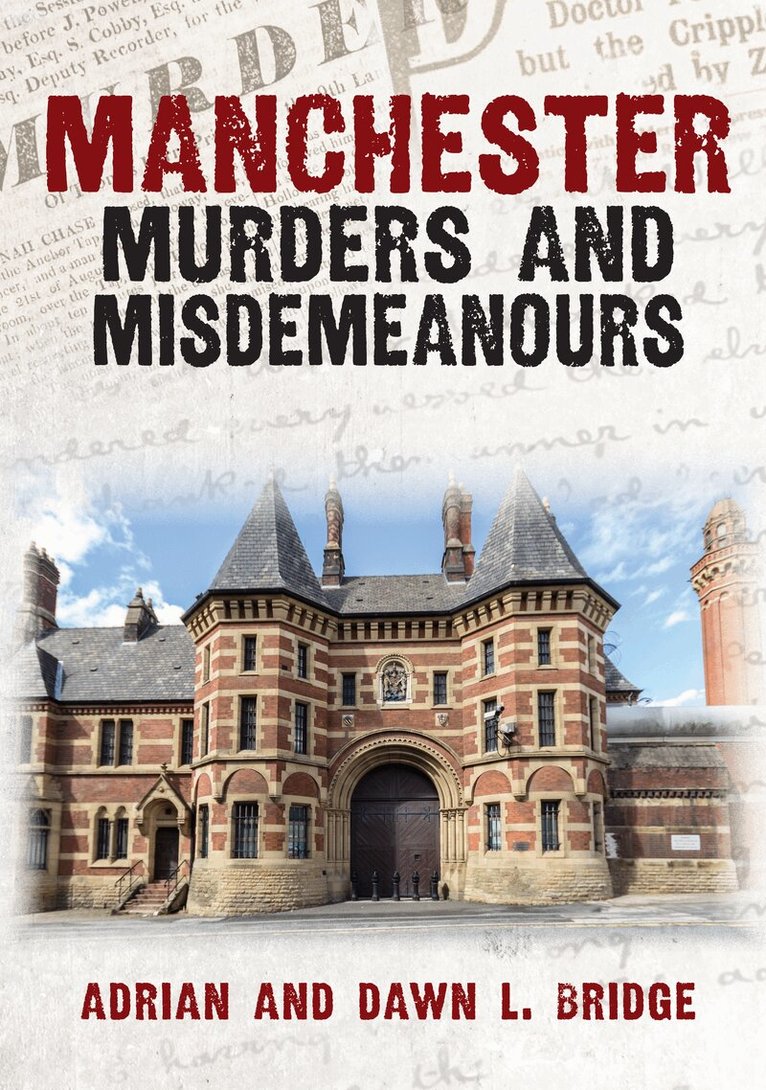
Manchester in the century between 1850 and 1950 witnessed extraordinary growth and changes. In the mid-nineteenth century, Manchester was the world’s first industrialised city, home of the Industrial Revolution and known as ‘Cottonopolis’. It was a city of immigrants from the countryside, Ireland, Scotland and further afield, where slums and poverty existed in close proximity to great wealth. The unique conditions in the city made it a breeding ground for crimes of all kinds, from the ‘high crimes’ of murder and large-scale robberies, frauds and theft, to ‘low-level’ crimes such as pickpocketing, mugging and other street crimes. ‘Snoozer’ gangs robbed hotels in Victorian Manchester and the city was home to numerous jewel thieves over the years including ‘Lucky Edgar’. Some crimes were even politically motivated, such as the suffragette law breaking, while others such as youth crime, which is often portrayed as a recent phenomenon, actually has a long history stretching back to the teenage scuttler gangs of the late nineteenth century.This collection of true-life crime stories gives a vivid insight into life in Manchester in years gone by. This book will fascinate anyone with an interest in the history of crime, as well as those who want to know more about the history of Manchester.
245 kr
Skickas
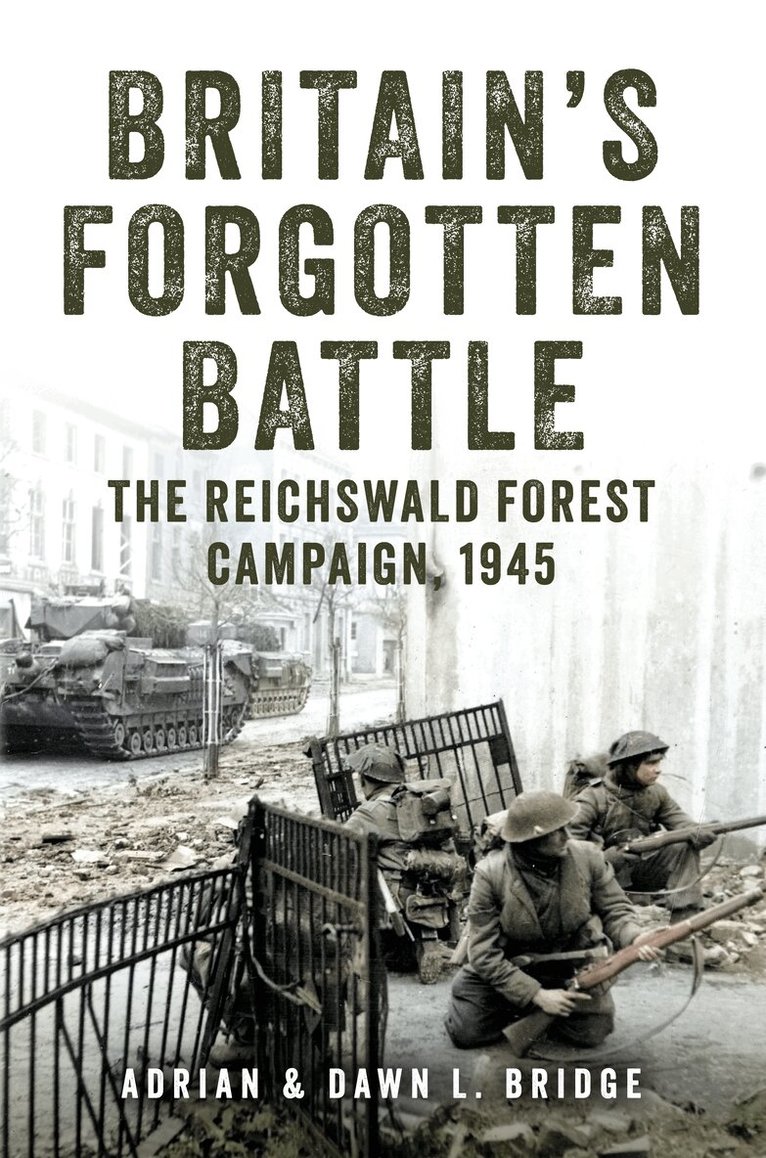
On 8 February 1945, over 50,000 British and Canadian soldiers moved forward to attack German defensive positions centred on the vast Reichswald Forest, in what proved to be one of the last and bloodiest battles of the whole of the Second World War in Europe. The Reichswald (German Imperial Forest) on the Rhineland borders of the Netherlands and Germany became the location of an epic struggle that eventually sucked in over 200,000 British and Canadian service personnel.The campaign, sandwiched between better-known clashes such as 1944’s Battle of the Bulge and the crossing of the Rhine in 1945, was brutal. The Allies suffered nearly 16,000 casualties, the Germans an estimated 44,000. Drawing on a wealth of sources from British, Canadian and European museums and archives, the authors provide a new and timely account – on the 80th anniversary – of this epic British and Canadian struggle against the Wehrmacht, fought out on the north-eastern borders of Germany during the dying days of the war in Europe.
178 kr
Skickas
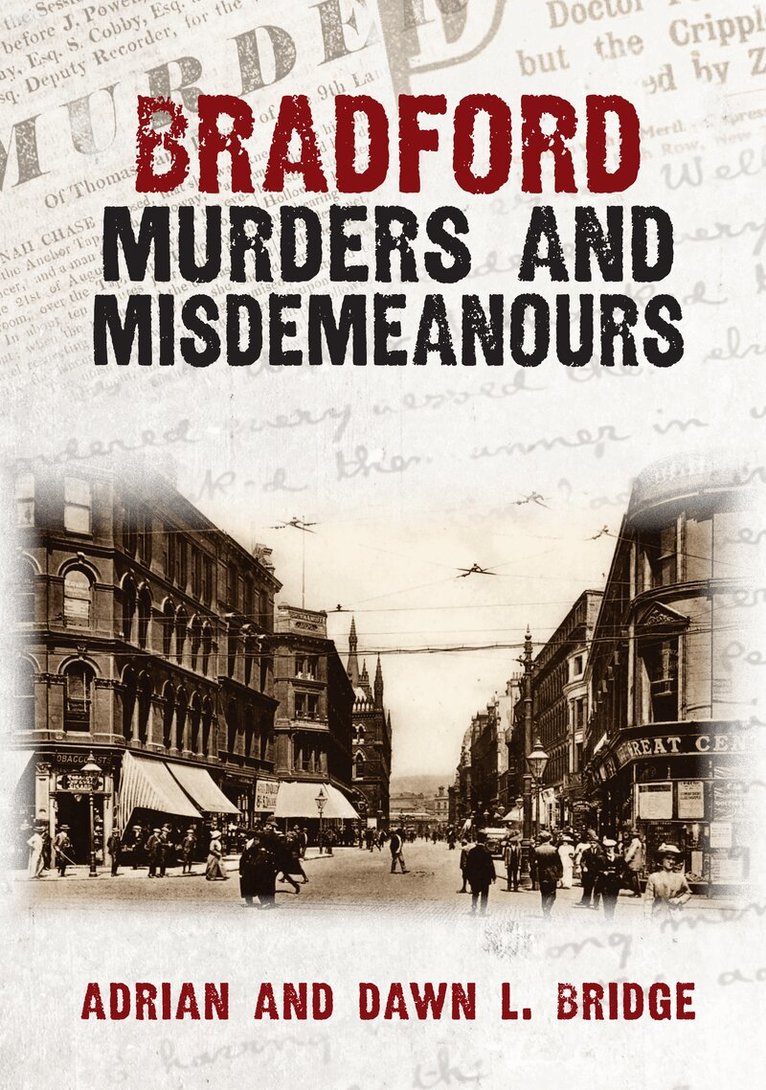
In the century between 1850 and 1950 Bradford witnessed extraordinary growth and changes. Its wealth was based on the textile industry, and the city became known as the ‘wool capital of the world’. It was a city of migrants, many from Ireland, and despite the efforts of philanthropic industrialists such as Titus Salt, wealth and poverty often lived close to each other. The city was a breeding ground for crime and Bradford Borough Police Force was formed in the 1840s, dealing with both the ‘high crimes’ of murder, large-scale robberies and frauds and ‘low-level’ crimes such as petty theft, vagrancy and loitering. Delving into original sources, court reports and newspaper archives, the authors also look at the effects of illegal gambling before the 1960 Betting & Gaming Act and the involvement of young people and their punishments.This collection of true-life crime stories from the mid-nineteenth century the mid-twentieth century gives a vivid insight into life in Bradford in the past. This book will fascinate anyone with an interest in the history of crime as well as those who want to know more about the history of Bradford.
178 kr
Kommande
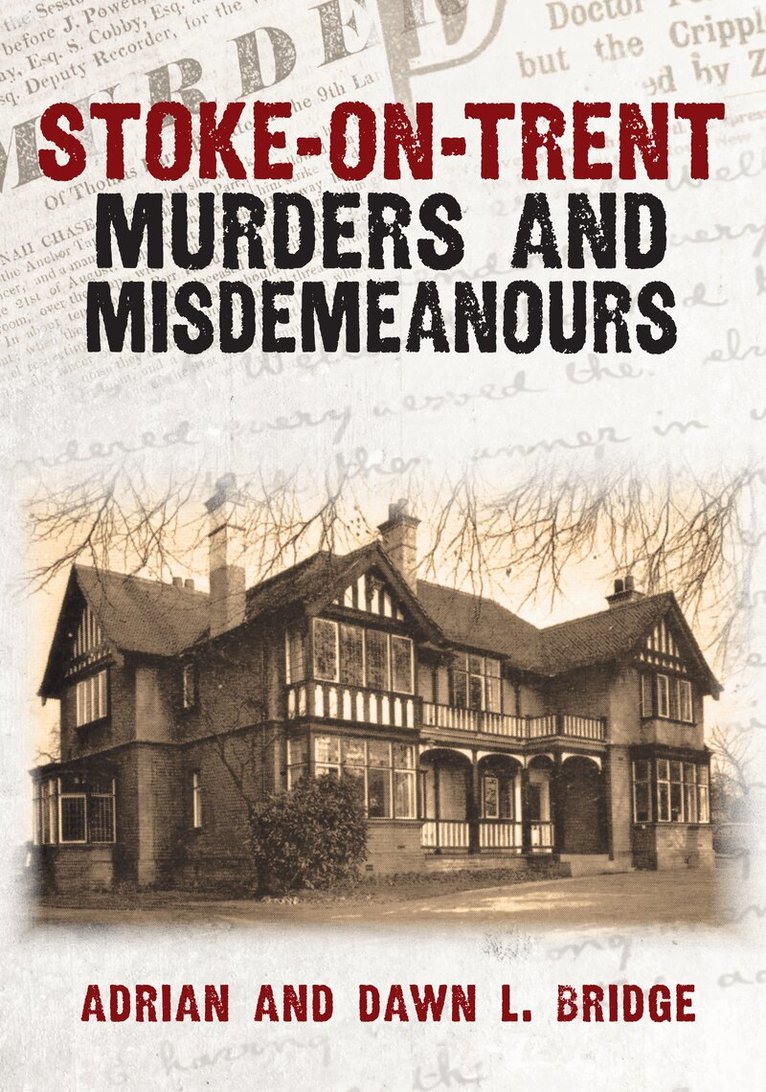
Stoke-on-Trent in the century between 1850 and 1950 witnessed huge changes. In the Victorian period the population in the area grew rapidly, attracted by the opportunities in the heart of the country’s pottery industry, and 1910, a new borough of Stoke-on-Trent was formed from a confederation of six towns. Alongside the potteries, many more worked in coal mining, manufacturing or other heavy industries and wealth and poverty often lived close together. The local police force not only had to deal with the ‘high crimes’ of murder and large-scale robberies and frauds, sometimes with the help of Scotland Yard, but also ‘low level’ crimes such as burglary and housebreaking, with constantly evolving criminal tactics and techniques. Delving into original sources, court reports and newspaper archives, the authors also look at the effects of crime and its punishment, as well as cases where the defendants were eventually adjudged insane.This collection of true-life crime stories gives a vivid insight into life in Stoke-on-Trent in the past. This book will fascinate anyone with an interest in the history of crime as well as those who want to know more about the history of Stoke-on-Trent.
173 kr
Skickas inom 11-20 vardagar
Northwich has an impressive history stretching back to Roman times when the surrounding area was exploited for its salt pans. Although the town’s history goes back so far, the township was a very small one, comprising little more than 6 square acres of land. It was surrounded by nearby larger communities such as Witton-cum-Twambrooks, Leftwich, Hartford and Davenham. However, during the nineteenth and twentieth centuries, Northwich expanded to incorporate many of these neighbouring towns and villages, and is now largely indistinguishable from such parishes. There is one long continuous ribbon of development stretching out into the Cheshire countryside.In Northwich & Around in 50 Buildings, local authors Adrian and Dawn L. Bridge seek out landmarks and structures from across the centuries which are significant to the town. These are the buildings that reveal the fascinating history of Northwich and its environs and tell the story of its people and their way of life. Focusing upon key themes including ancient buildings, portable buildings, industrial heritage, residences of the rich and poor, Victorian paternalism, leisure and retail, and modern buildings, the authors study a wide range of structures that served many different purposes and were built in contrasting styles.Among those featured are Vale Royal Abbey, Arley Hall, the Lion Salt Works, Anderton Boat Lift, the local workhouse, churches, schools, pubs, hospitals and places of entertainment. Coming right up to the twenty-first century, the Baron’s Quay development and the Northwich Memorial Court complex are also included in this detailed and engaging chronicle of the area’s history and architecture.