Adrian Hughes - Böcker
Visar alla böcker från författaren Adrian Hughes. Handla med fri frakt och snabb leverans.
3 produkter
3 produkter
173 kr
Skickas
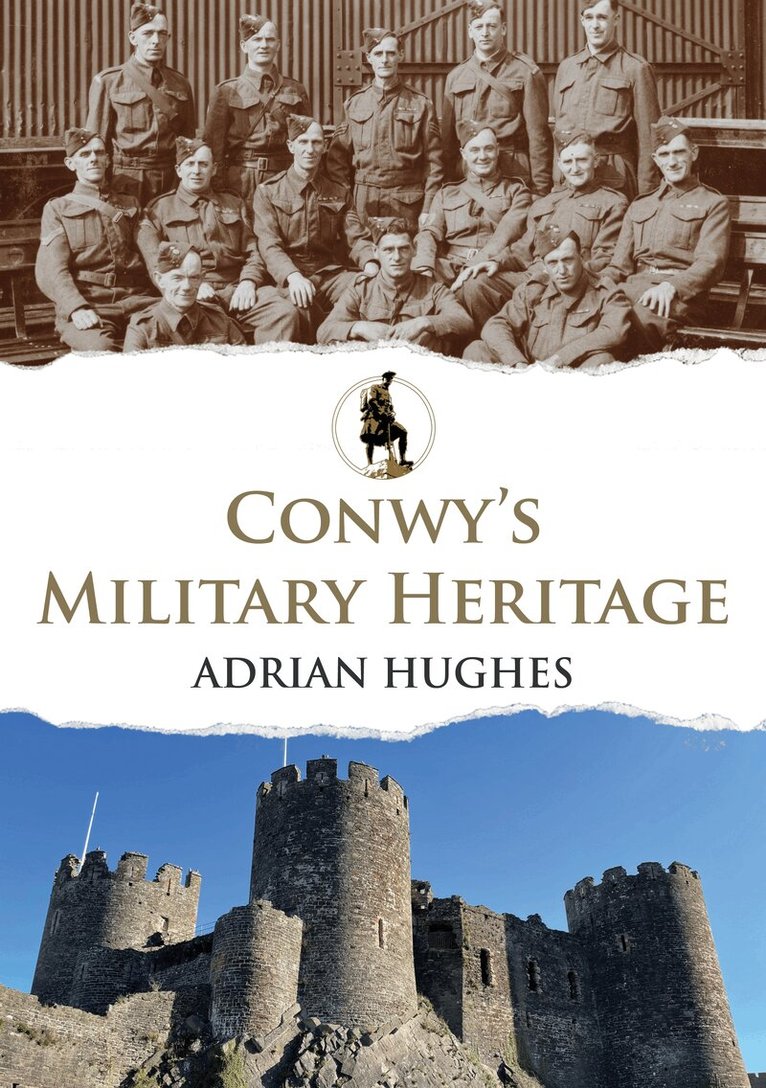
Conwy has been involved in military conflict for over 2,000 years. The Iron Age hill fort of Caer Seion defended the area from the sixth century BC. Many slingshot stones have been discovered here, attesting to troubled times. In 881 the Welsh defeated an Anglo-Saxon army led by Aethelred of Mercia. The most spectacular outcome of Conwy’s strategic military significance at the mouth of the River Conwy was Edward I’s mighty castle, creating a walled town. In 1399 Richard II sought refuge in Conwy Castle against the future Henry IV’s forces and the castle was besieged again during the English Civil War by Parliamentary forces. An army camp was established at Morfa in the nineteenth century, becoming home to the Salford Pals and the Royal Engineers in the First World War and a Polish resettlement camp after the First World War. During the war, the sulphur mine at Caer Coch was the country’s largest producer of sulphur, vital for munitions. Conwy also played a vital role in the Second World War as Mulberry Harbours, crucial for the Normandy landings, were initially designed and then assembled here, and Ratcliffe Engineering built parts for Beaufighter and Halifax aircraft. The town was also a centre of prisoner-of-war camps in the area and despite some accounts of conflict between townsfolk and prisoners, relations were generally harmonious and some ex-prisoners married and settled in the area after the war.This book will be of interest to all those who would like to know more about Conwy’s remarkable military history.
173 kr
Kommande
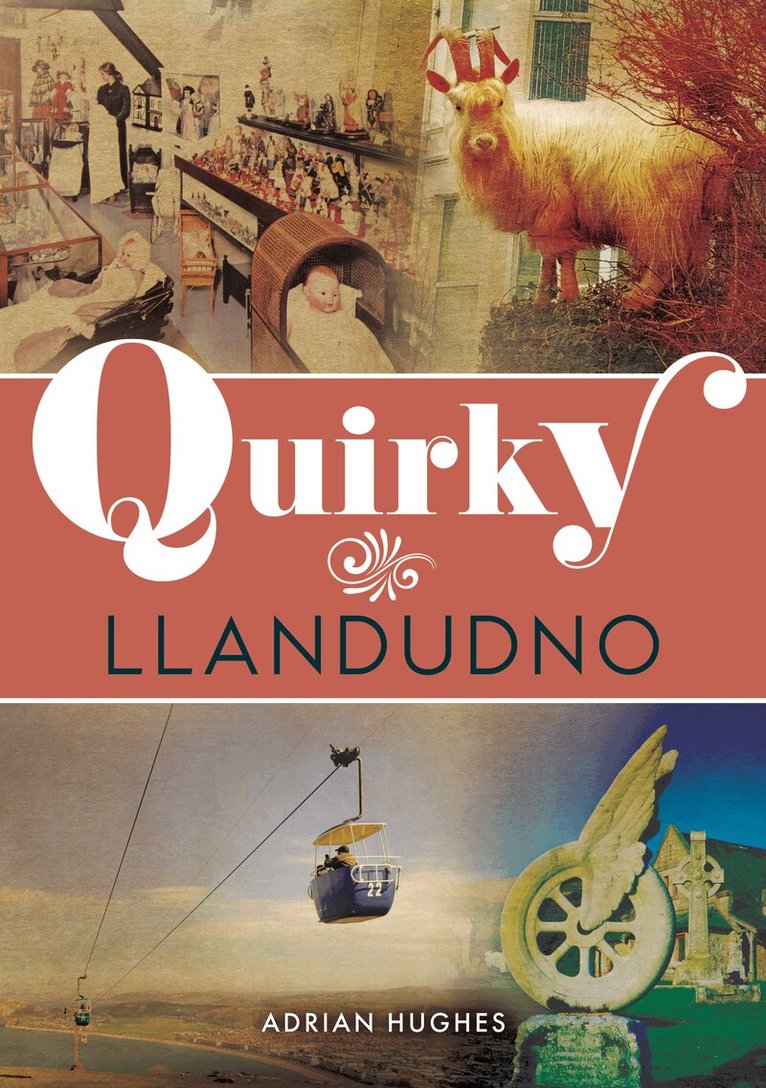
Llandudno is a popular seaside town on the north coast of Wales. Developed as a resort in the Victoria era, it was also a centre of copper mining, the remains of which can be seen today and the town’s history encompasses many tales of remarkable events and colourful characters, from the legend of the unnatural man made of hay, the Victorian man who set himself alight three times a day for the amusement of visitors, and the woman baker who summoned locals by conch shell, to the memorial to the woman who drove a car up the Great Orme in 1914, the church demolished by landowners who claimed the high street was no place for religion and much, much more.In Quirky Llandudno author Adrian Hughes delves into lesser known but fascinating tales from Llandudno’s past. In this book, readers will find stories of the unusual and often strange history of Llandudno and its characters over the years. This fascinating insight into Llandudno will be of interest to all those who want to know more about the town’s quirky history.
173 kr
Skickas inom 11-20 vardagar
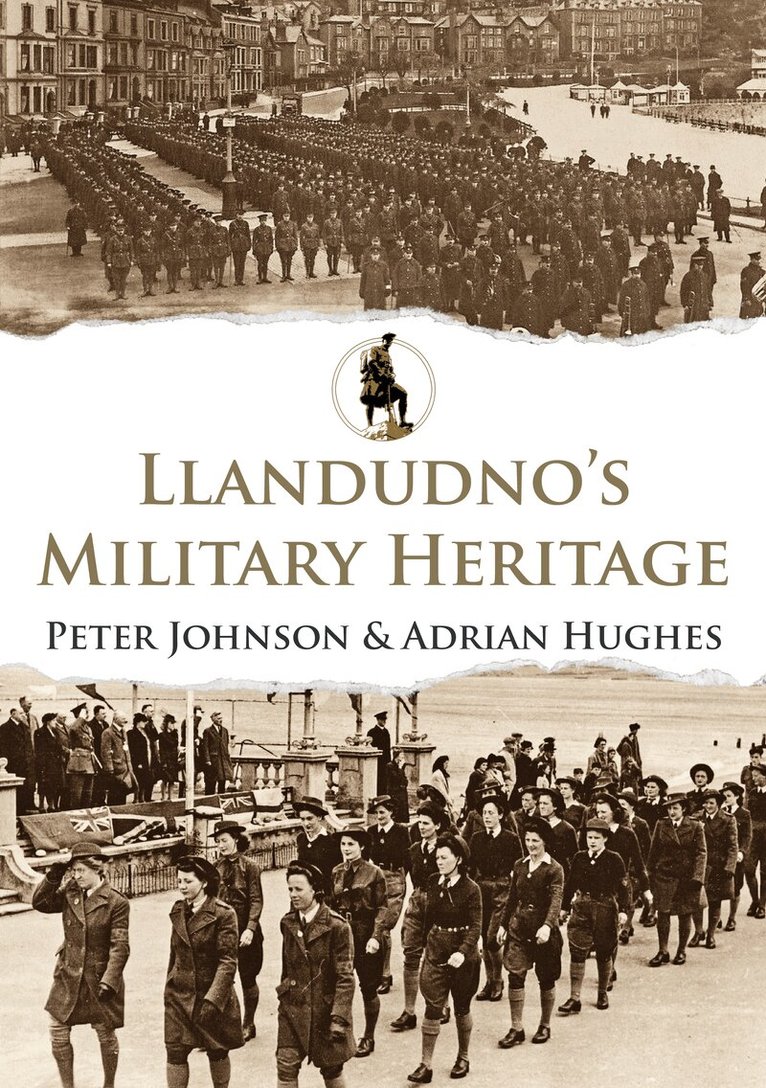
The north Wales seaside resort of Llandudno developed in the 1850s from a scatter of small settlements on the slopes of the Great Orme. The Iron Age defences of Pen Dinas hill fort and the presence of Roman coin hoards suggest local military conflict, and skirmishes are recorded from the time of the Vikings. In later centuries the focus for military activity stretches a mile or so down the Conwy Valley to the castles of Deganwy and battles between Welsh and English. Llandudno became embroiled in the invasion of Edward I when he gave the Bishop of Bangor land on the Great Orme to build a ‘palace’. This was sacked in Owain Glyndwr’s revolt of the early 1400s. With the rise of Britain’s empire copper was mined, partly to provide cladding for the wooden-hulled ships of her navy. By the twentieth century significant military training establishments were based in the area, as were prisoner-of-war camps and convalescent homes for military personnel. In 1915 a German U-boat attempted to pick up escaped POWs in Llandudno Bay, and the town was chosen as the new location for the Royal Artillery’s Coast Artillery School and the Inland Revenue. In Llandudno’s Military Heritage authors Peter Johnson and Adrian Hughes cover all this and more, showing the impact that the military has had on this north Wales town, its combatants and its citizens over the centuries.