Adrian Symonds – författare
Visar alla böcker från författaren Adrian Symonds. Handla med fri frakt och snabb leverans.
8 produkter
8 produkter
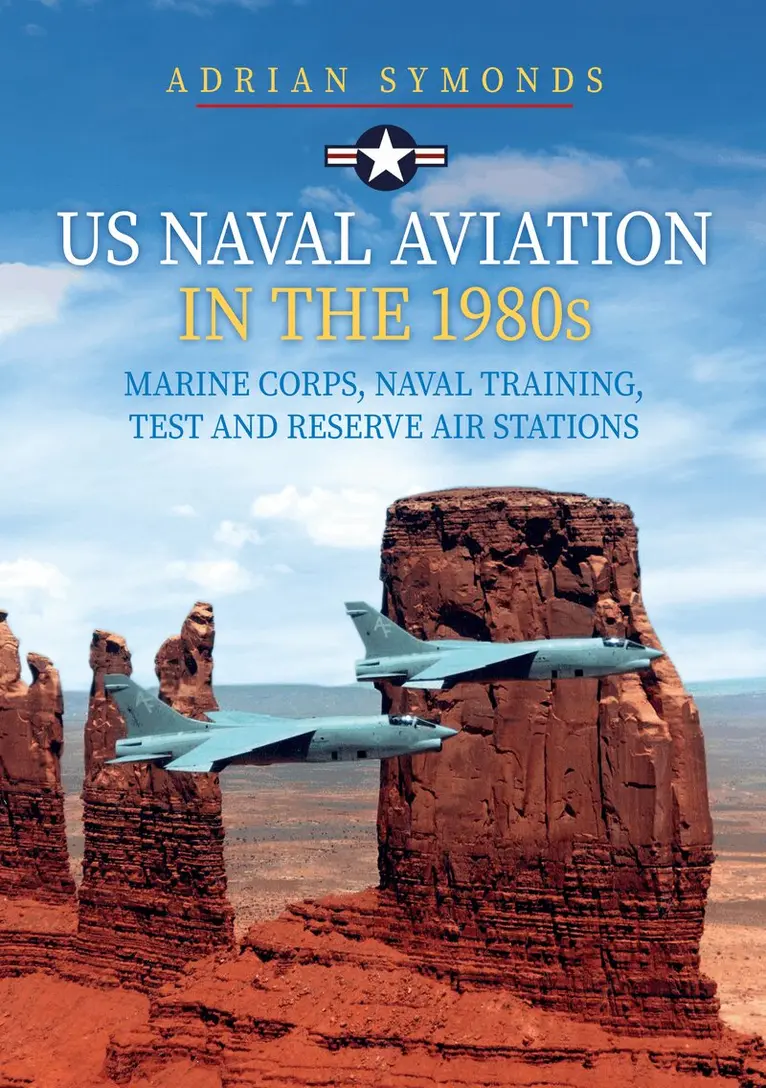
US Naval Aviation in the 1980s: Marine Corps, Naval Training, Test and Reserve Air Stations
Häftad, Engelska, 2023
173 kr
Skickas
This, the second of two volumes covering United States Naval Aviation in the 1980s, completes the story by exploring training, reserve, test and US Marine Corps air stations.US Marine Corps aviation squadrons took part in combat operations, while supplementing older types like the A-4 and F-4, with new types including the AV-8B, CH-53E and F/A-18. Naval Education and Training Command oversaw the ‘Street to Fleet’ process, recruiting civilians and turning them into combat-ready naval personnel, including officer and enlisted aviation rated personnel.The Naval Air Reserve was a reflection of the frontline it was intended to support in wartime, including two Carrier Air Wings and numerous other squadrons, which often operated older types. Naval Air Systems Command used every conceivable naval aviation aircraft type, as well as several non-standard types, to conduct research, testing and evaluation.Take a step inside the day-to-day operations of Naval Aviation in the 1980s.
173 kr
Skickas
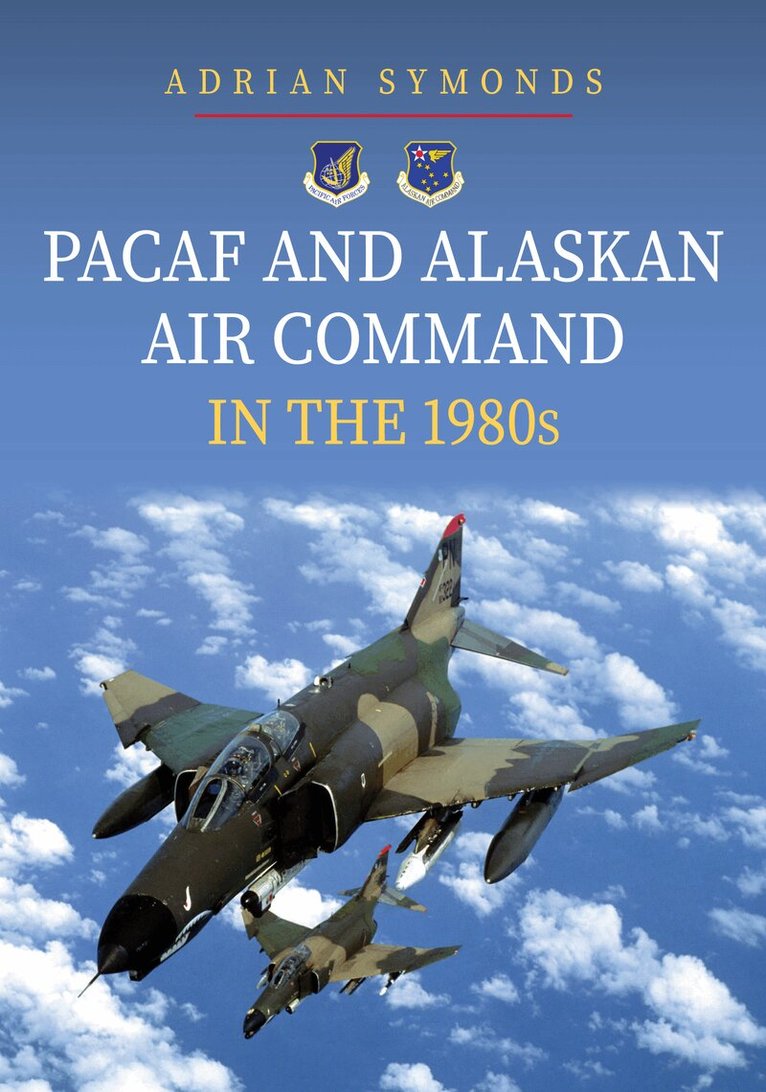
Pacific Air Forces (PACAF) and Alaskan Air Command (AAC) were Major Commands of the United States Air Force. Pacific Air Forces controlled units stationed in Hawaii, Japan, South Korea and the Philippines. PACAF was responsible for an area of over 100 million square miles; its forces primarily faced the threats posed by the Soviet Union, the People’s Republic of China and North Korea. Alaskan Air Command was responsible for providing air-defence forces, which were operationally tasked by North American Aerospace Defense Command (NORAD), as well as other tactical units stationed within the state of Alaska. Both commands received modernised equipment during the 1980s, and they were supported by aircraft deployed from the contiguous United States by Strategic Air Command, Tactical Air Command, Military Airlift Command, Air National Guard and Air Force Reserve units.Take a step inside the day-to-day operations of PACAF and AAC in the 1980s.
173 kr
Skickas
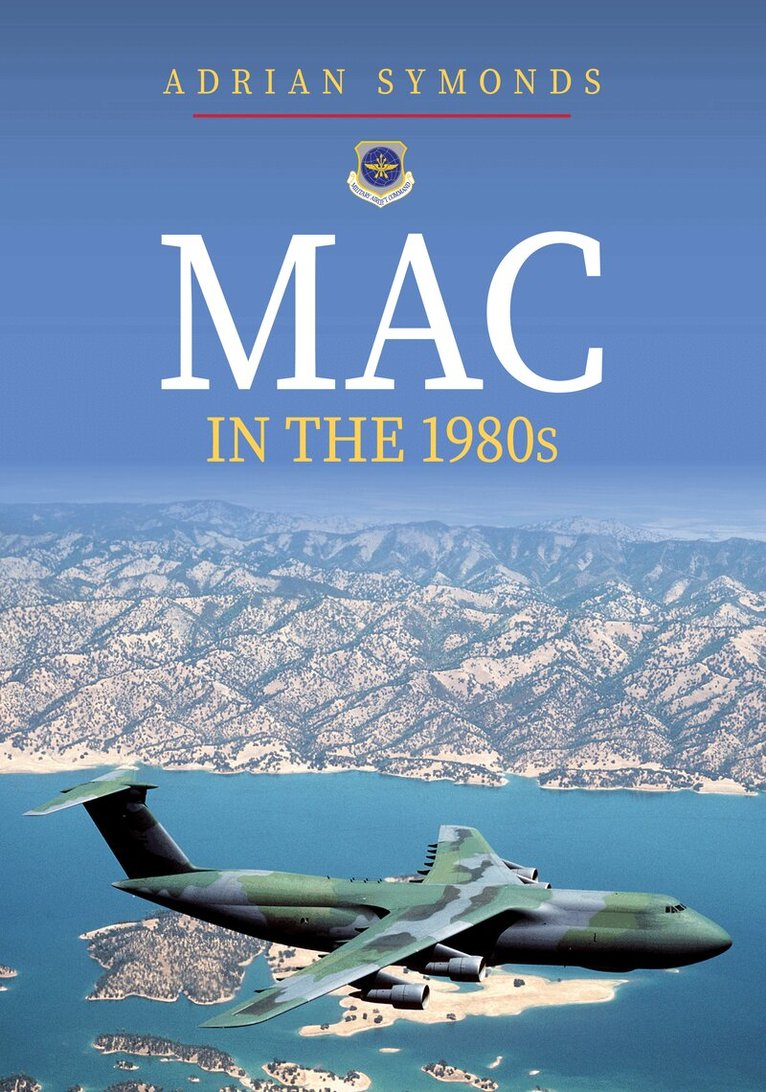
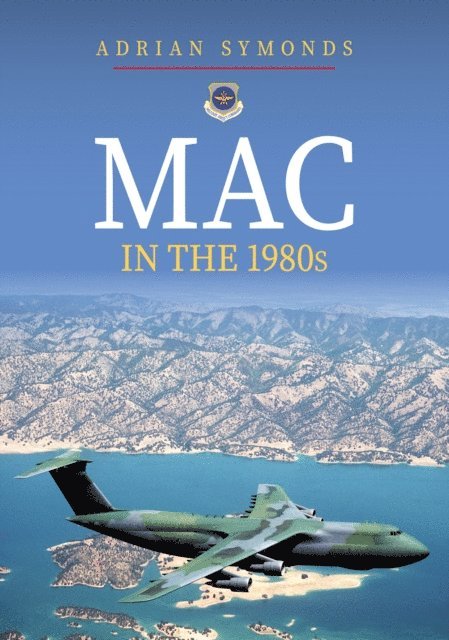
Military Airlift Command was a United States Air Force Major Command, responsible for strategic and tactical airlift, primarily operating C-130, C-141 and C-5 transports. MAC also provided presidential and VIP transportation. MAC was organised into two geographically aligned Numbered Air Forces: 21st Air Force controlled units stationed east of the Mississippi, including those in Europe, while 22d Air Force controlled those stationed to the west, including those in the Pacific. MAC also controlled the Aerospace Rescue and Recovery Service and the Air Weather Service. Following the failed attempt to rescue American hostages in Iran during Operation Eagle Claw, USAF special operations units were reorganised. Consequently, during 1983 USAF special operations units, hitherto split between Tactical Air Command, United States Air Forces in Europe and Pacific Air Forces, were consolidated under MAC in the newly established 23d Air Force.Take a step inside the day-to-day operations of MAC in the 1980s.
173 kr
Kommande
The Air Force Reserve was the federally organised reserve component of the United States Air Force. AFRES was organised into three Numbered Air Forces: 4th Air Force and 14th Air Force controlled units that would have been gained by Military Airlift Command if mobilised, while 10th Air Force controlled units that would have been gained by Tactical Air Command and Strategic Air Command. Consequently, AFRES operated a highly diverse fleet of aircraft types, from the AC-130 Spectre and HH-3E Jolly Green Giant, through the F-4 Phantom II and A-10 Thunderbolt II, to the KC-135 Stratotanker, C-130 Hercules and C-5 Galaxy.AFRES had traditionally been the recipient of older hand-me-down equipment. However, the introduction of the Total Force concept resulted in AFRES beginning to receive modern equipment on a par with those allocated to the regular USAF commands during the 1980s.Take a step inside the day-to-day operations AFRES in the 1980s.
173 kr
Skickas
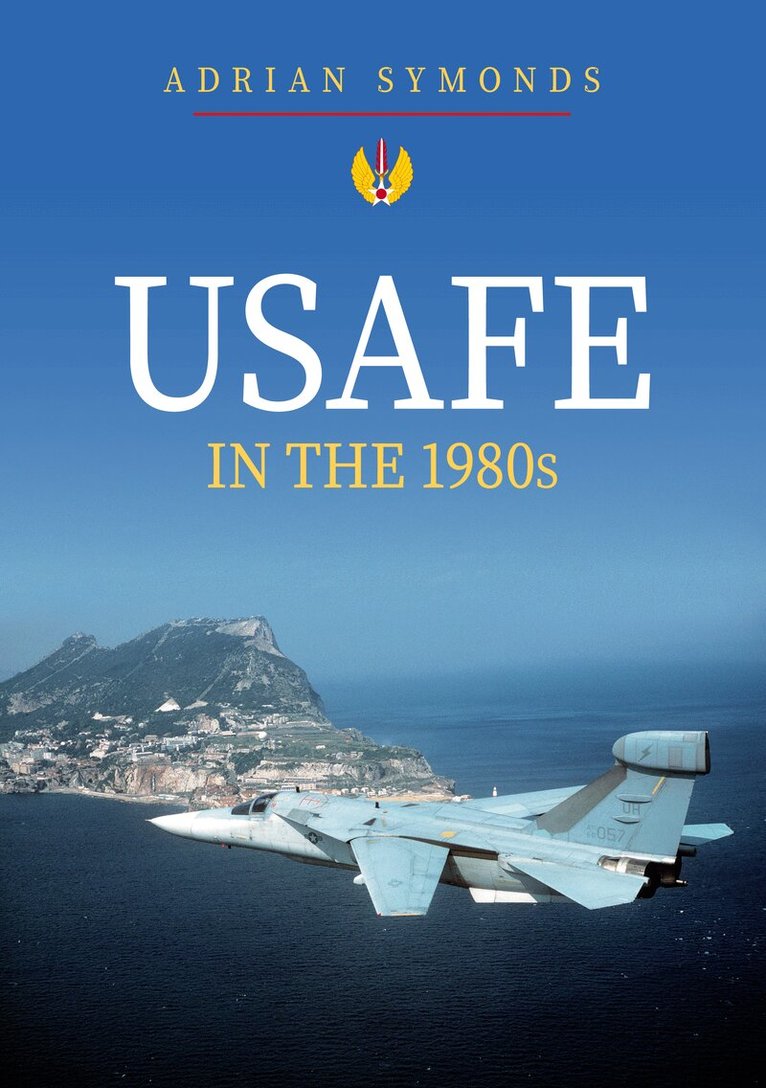
On the front line of the Cold War, during a decade that saw East–West tensions – and budgets – rise considerably, the United States Air Forces in Europe reached the peak of their power during the 1980s. Not only did USAFE expand, but it introduced a generation of advanced new types, developed to counter perceived Soviet advances and often in light of America’s still recent, and often bitter, experiences in Vietnam.Eagles, Fighting Falcons and Warthogs joined the ranks in increasing numbers, supplementing still considerable numbers of older stalwarts like the mighty F-111 interdictors and the iconic Phantom, which lingered on in specialised reconnaissance and defence suppression roles. But it wasn’t all fast jets; Ground Launched Cruise Missiles were introduced, plus a range of support types including tankers, transports and spy planes deployed from the Stateside Commands to support USAFE.Take a step inside the day-to-day operations of the USAFE in the 1980s.
173 kr
Skickas
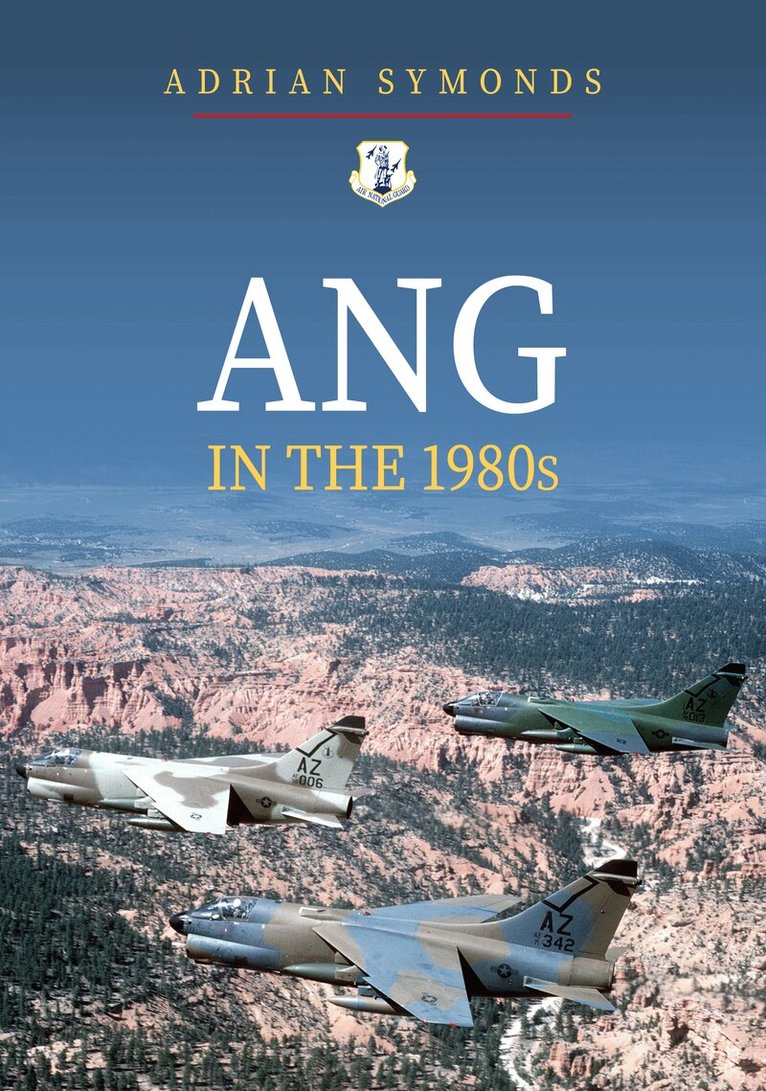
Tracing roots to colonial militia formed in 1636, the National Guard provides the militia of US states, districts, commonwealths and territories. The Air National Guard was split away from the Army National Guard in 1947, concurrent with the creation of the USAF. Guard units also act as a federal reserve; when ‘federalized’ by order of the President, ANG units form part of the active USAF.Traditionally equipped with much older hand-me-down aircraft types than regular USAF units, the introduction of the Total Force concept in the aftermath of the Vietnam War saw the ANG re-equipped with more modern types, receiving some new-build aircraft for the first time and more aircraft assigned to squadrons. President Reagan’s military build-up of the 1980s accelerated ANG reform while the ANG took on an increasing responsibility for national air defence.Take a step inside the day-to-day operations of the ANG in the 1980s.
173 kr
Skickas
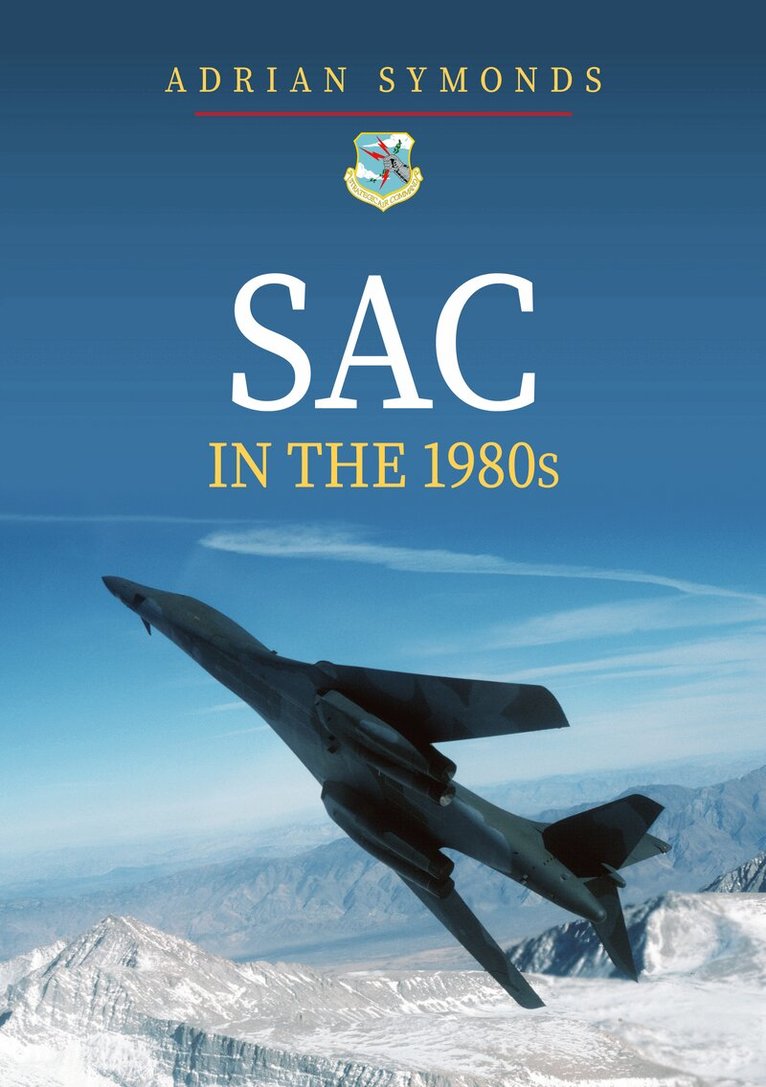
‘Fighter pilots make movies, bomber pilots make history’ – or so the bomber pilots say, anyway.Strategic Air Command held a constant nuclear-armed vigil, ready to launch nuclear war at a moment’s notice, twenty-four hours a day. SAC was responsible for two of the three components of the Nuclear Triad – manned strategic bombers and land-based intercontinental ballistic missiles (ICBMs) – alongside the Navy’s SLBMs. Also responsible for the USAF’s strategic reconnaissance aircraft, SAC maintained a large fleet of tankers to support its bombers and spy planes.After a drawdown of strength in the aftermath of the Vietnam War, SAC rebuilt its strength throughout the 1980s as part of a wider revitalisation of the US armed forces under President Reagan. New advanced bombers, tankers and ICBMs joined the fleet with the promise of new stealth aircraft under development.
173 kr
Skickas
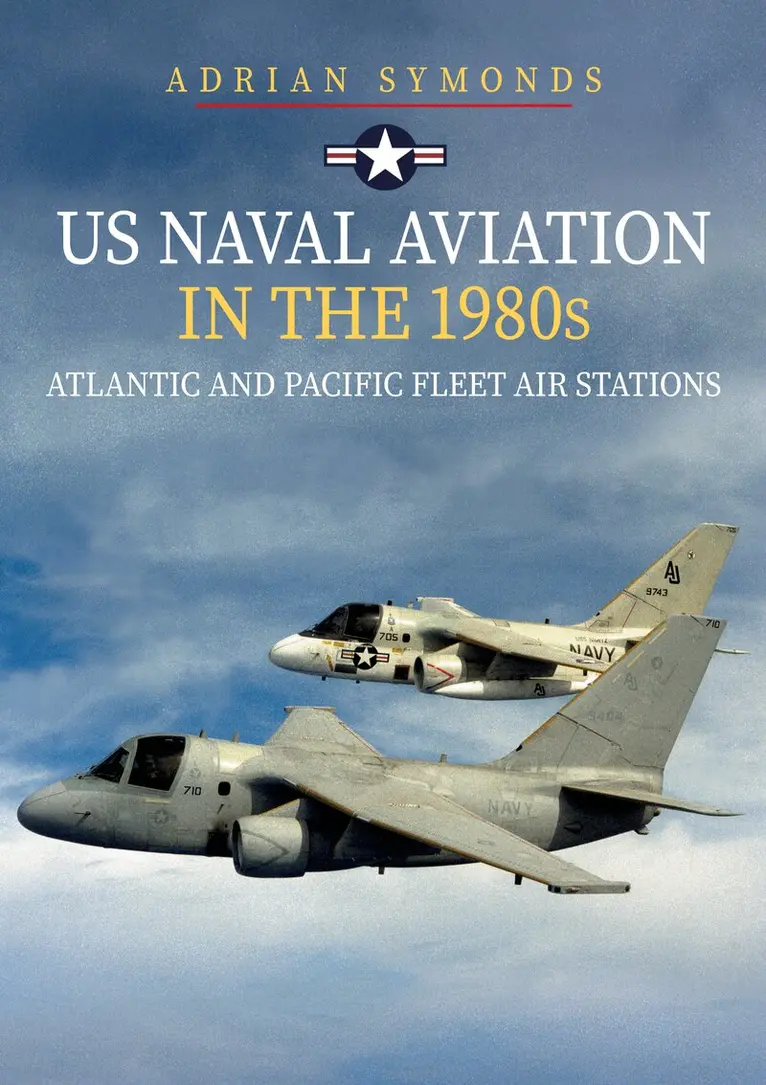
The final decade of the Cold War saw unprecedented peacetime expansion of the US Navy, including Naval Aviation. President Reagan’s plan for a 600-ship Navy resulted in stepped-up construction of Nimitz class supercarriers and the aircraft to operate from them, including new types like the F/A-18 Hornet. Naval aviation was highly diverse, from carrier-borne F-14 Tomcats to P-3 Orions keeping vigil over the world’s oceans, SH-2 Seasprites operating from tiny landing pads on warships in heaving seas, and land-based adversaries playing the opposing force ‘bad guys’ during training.Tensions were high in the 1980s. While US carrier battle groups prepared for confrontation with the Soviets, should the Cold War turn ‘hot’, they also engaged in combat operations in the Mediterranean and Persian Gulf.Take a step inside the day-to-day operations of Naval Aviation in the 1980s.