Afshin Marashi - Böcker
Visar alla böcker från författaren Afshin Marashi. Handla med fri frakt och snabb leverans.
5 produkter
5 produkter
510 kr
Skickas inom 7-10 vardagar
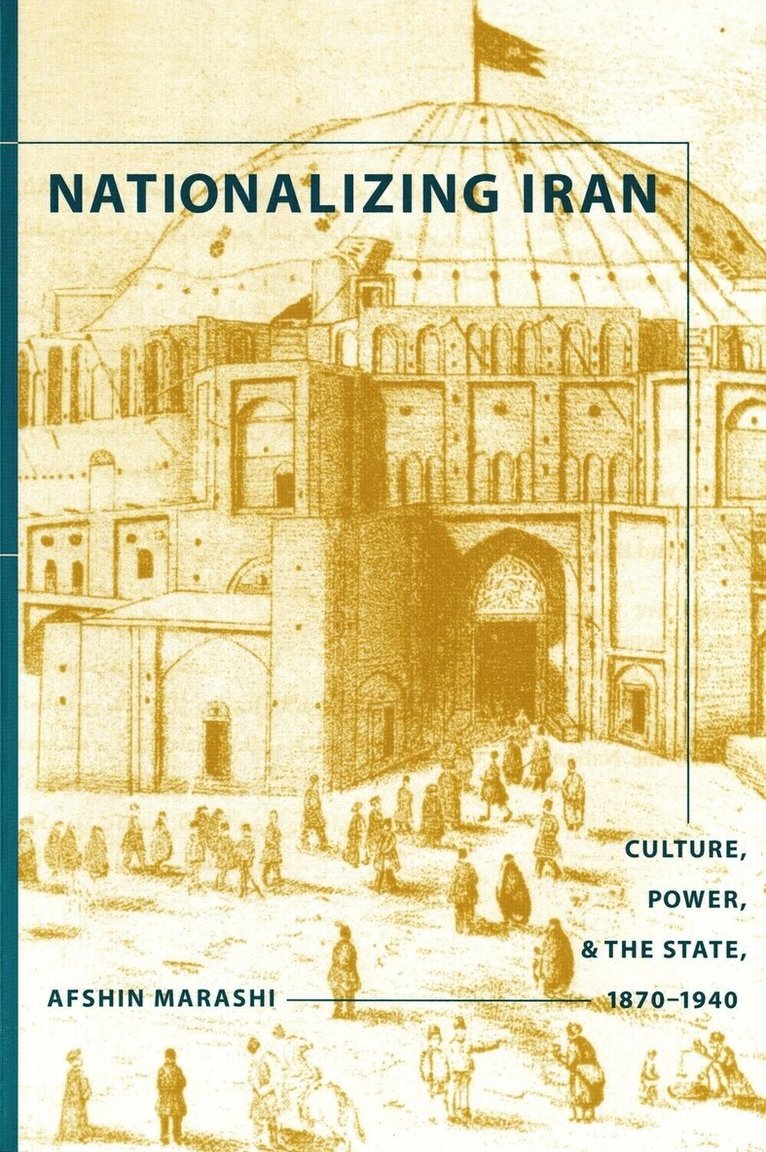
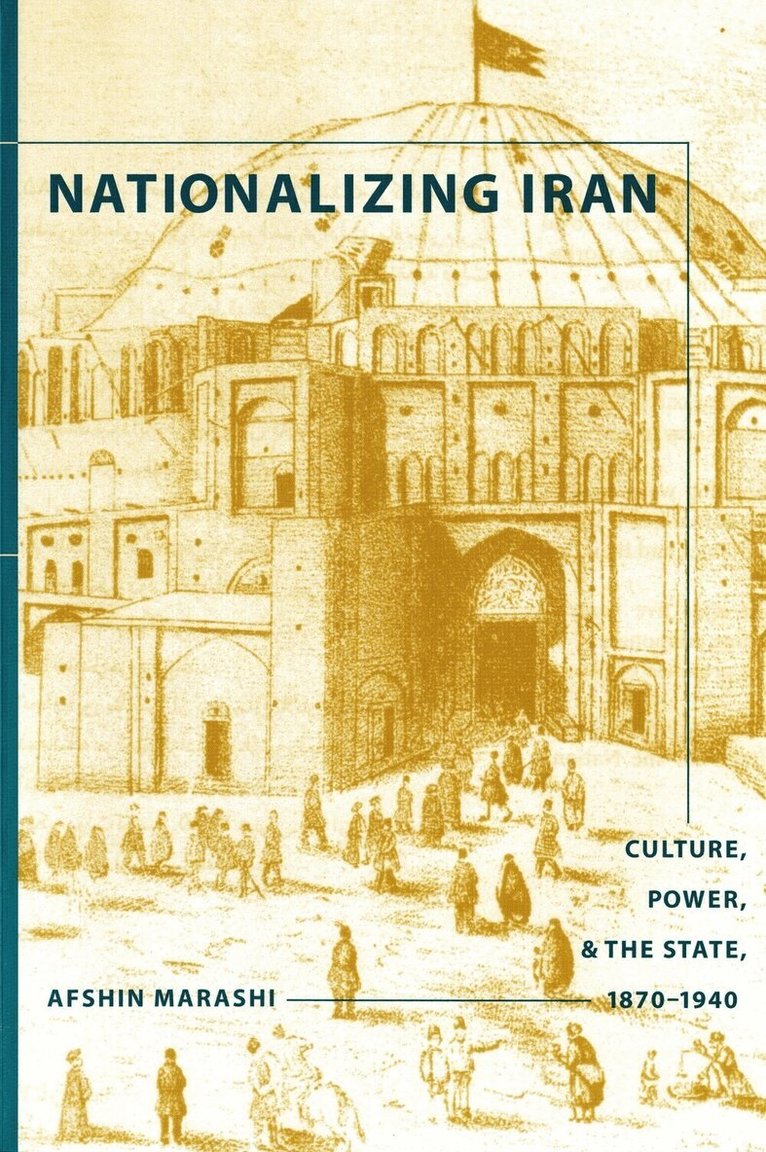
When Naser al-Din Shah, who ruled Iran from 1848 to 1896, claimed the title Shadow of God on Earth, his authority rested on premodern conceptions of sacred kingship. By 1941, when Mohammad Reza Shah Pahlavi came to power, his claim to authority as the Shah of Iran was infused with the language of modern nationalism. In short, between roughly 1870 and 1940, Iran's traditional monarchy was forged into a modern nation-state.In Nationalizing Iran, Afshin Marashi explores the changes that made possible this transformation of Iran into a social abstraction in which notions of state, society, and culture converged. He follows Naser al-Din Shah on a tour of Europe in 1873 that led to his importing a new public image of monarchy-an image based on the European late imperial model-relying heavily on the use of public ceremonies, rituals, and festivals to promote loyalty to the monarch. Meanwhile, Iranian intellectuals were reimagining ethnic history to reconcile “authentic” Iranian culture with the demands of modernity. From the reform of public education to the symbolism surrounding grand public ceremonies in honor of long-dead poets, Marashi shows how the state invented and promoted key features of the common culture binding state and society. The ideological thrust of that century would become the source of dramatic contestation in the late twentieth century.Marashi's study of the formative era of Iranian nationalism will be valuable to scholars and students of history, sociology, political science, and anthropology, as well as journalists, policy makers, and other close observers of contemporary Iran.
Del 30 - Ilex Series
Making of Iranian Modernity
Studies in Honor of Houchang E. Chehabi
Häftad, Engelska, 2025
316 kr
Skickas
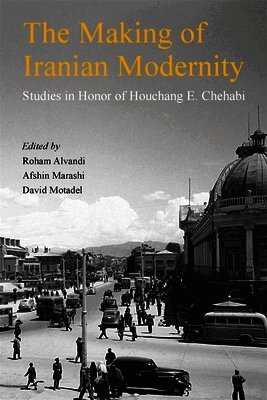
The Making of Iranian Modernity brings together a diverse array of scholars from a wide variety of disciplinary backgrounds and areas of research specialization to celebrate Houchang E. Chehabi, one of the leading scholars in the field of Iranian Studies. Since the 1980s, Chehabi’s interdisciplinary body of work has made major contributions both to the study of modern Iran’s social and cultural history, as well as to the understanding of Iran’s broader political evolution and place in the world. All contributors to this volume have been inspired by Houchang Chehabi’s work and have benefited from his mentorship. On the occasion of his retirement, these essays measure his ongoing influence in shaping scholarship and serve as a token of collective gratitude for his contributions.
369 kr
Skickas inom 10-15 vardagar
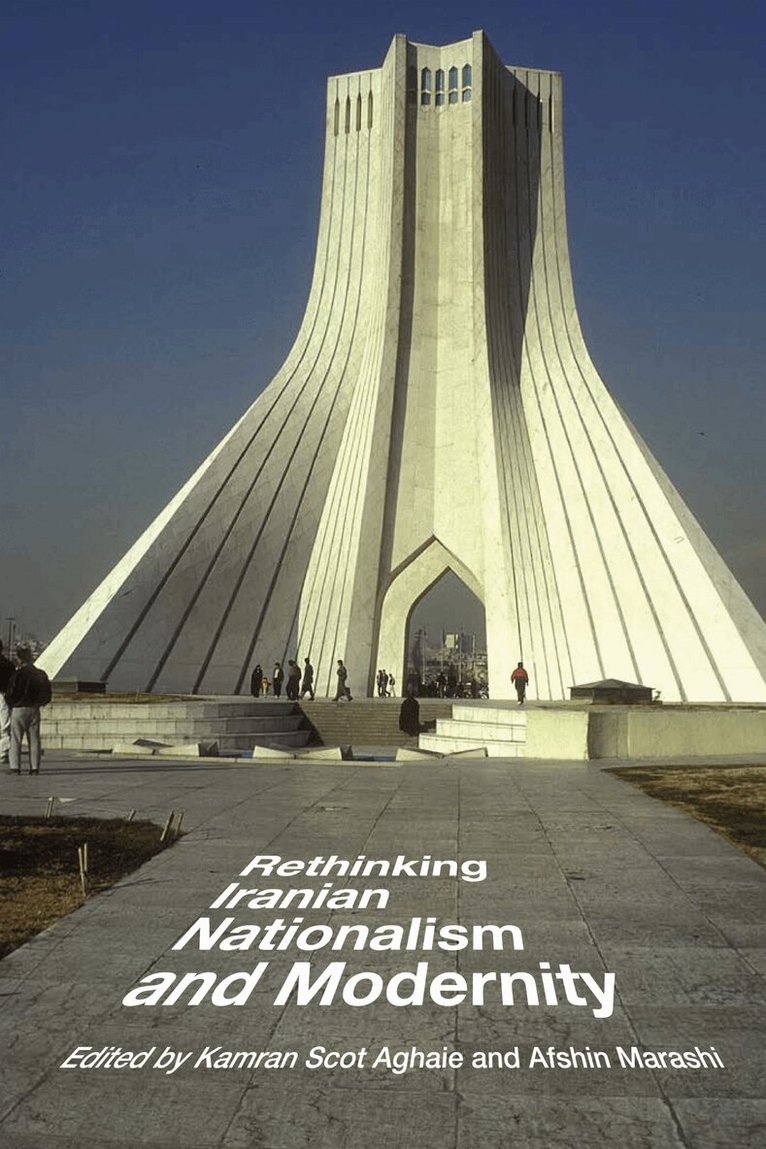
While recent books have explored Arab and Turkish nationalism, the nuances of Iran have received scant book-length study-until now. Capturing the significant changes in approach that have shaped this specialization, Rethinking Iranian Nationalism and Modernity shares innovative research and charts new areas of analysis from an array of scholars in the field.Delving into a wide range of theoretical and conceptual perspectives, the essays-all previously unpublished-encompass social history, literary theory, postcolonial studies, and comparative analysis to address such topics as:Ethnicity in the Islamic Republic of IranPolitical Islam and religious nationalismThe evolution of U.S.-Iranian relations before and after the Cold WarComparing Islamic and secular nationalism(s) in Egypt and IranThe German counterrevolution and its influence on Iranian political alliancesThe effects of Israel’s image as a Euro-American spaceSufismGeocultural concepts in Azar’s AtashkadehInterdisciplinary in essence, the essays also draw from sociology, gender studies, and art and architecture. Posing compelling questions while challenging the conventional historiographical traditions, the authors (many of whom represent a new generation of Iranian studies scholars) give voice to a research approach that embraces the modern era’s complexity while emphasizing Iranian nationalism’s contested, multifaceted, and continuously transformative possibilities.
Exile and the Nation
The Parsi Community of India and the Making of Modern Iran
Inbunden, Engelska, 2020
588 kr
Skickas inom 7-10 vardagar
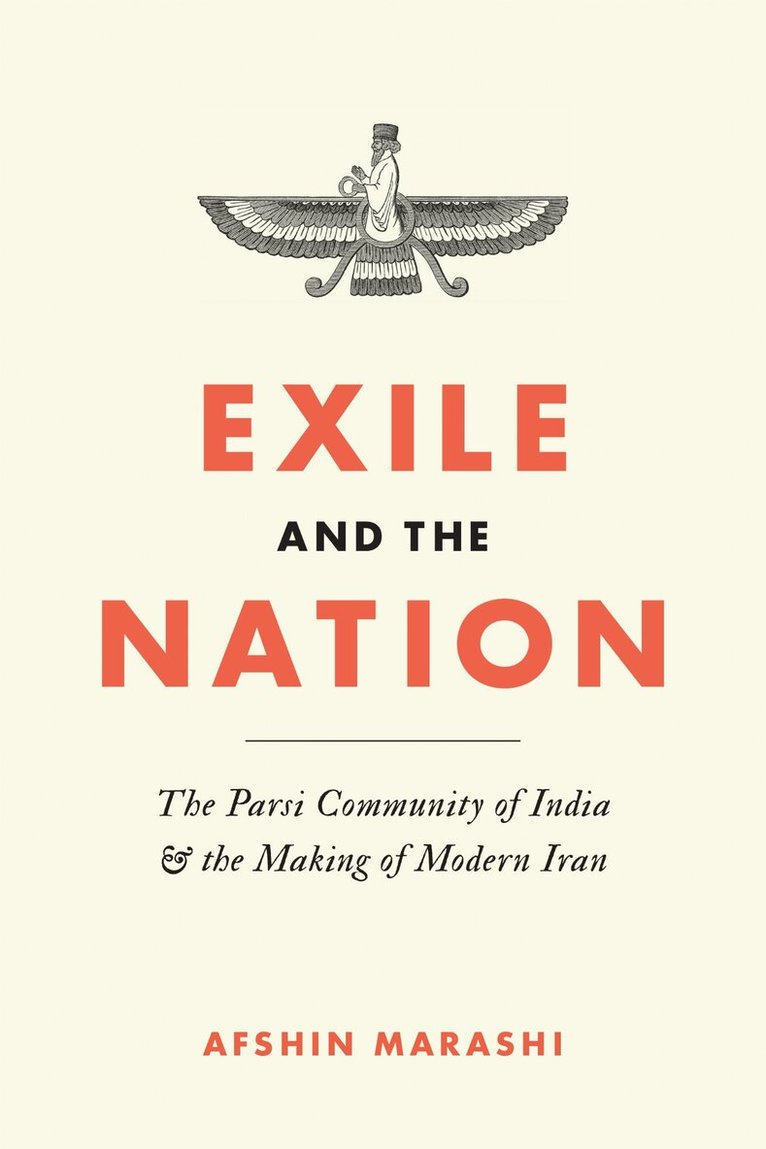
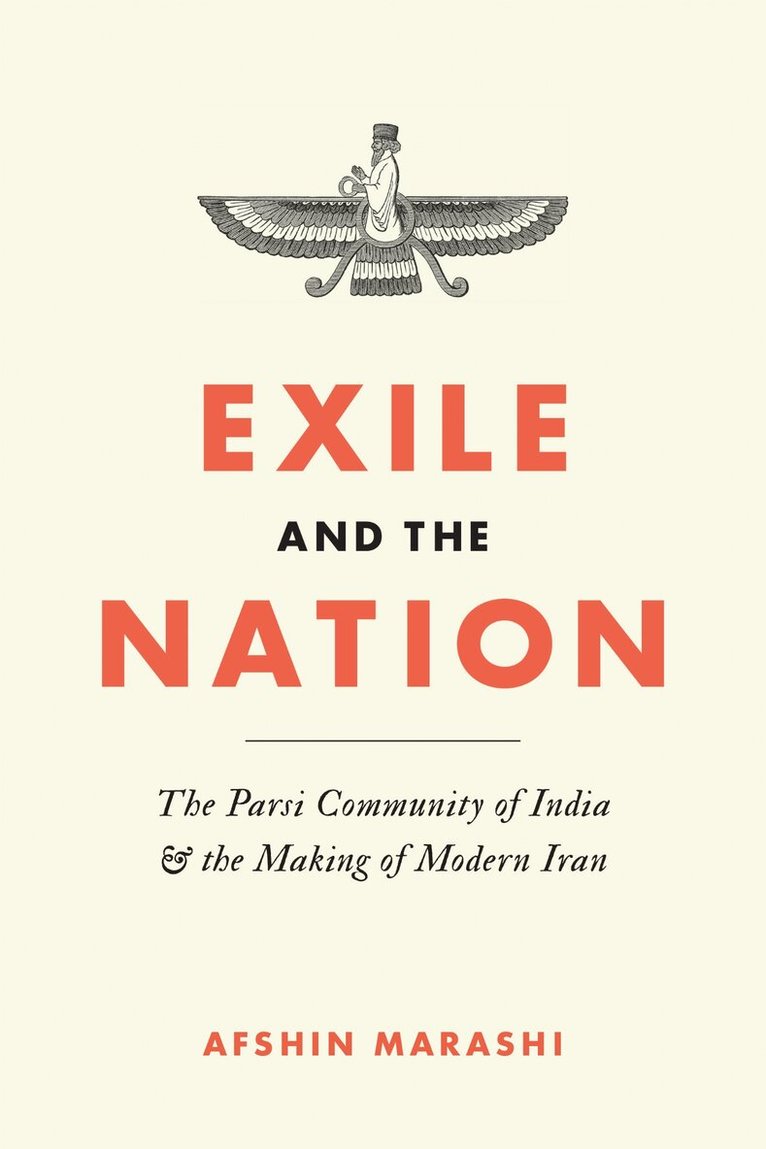
Honorable Mention, Hamid Naficy Iranian Studies Book Award from the Association of Iranian StudiesIn the aftermath of the seventh-century Islamic conquest of Iran, Zoroastrians departed for India. Known as the Parsis, they slowly lost contact with their ancestral land until the nineteenth century, when steam-powered sea travel, the increased circulation of Zoroastrian-themed books, and the philanthropic efforts of Parsi benefactors sparked a new era of interaction between the two groups. Tracing the cultural and intellectual exchange between Iranian nationalists and the Parsi community during the late nineteenth and early twentieth centuries, Exile and the Nation shows how this interchange led to the collective reimagining of Parsi and Iranian national identity-and the influence of antiquity on modern Iranian nationalism, which previously rested solely on European forms of thought. Iranian nationalism, Afshin Marashi argues, was also the byproduct of the complex history resulting from the demise of the early modern Persianate cultural system, as well as one of the many cultural heterodoxies produced within the Indian Ocean world. Crossing the boundaries of numerous fields of study, this book reframes Iranian nationalism within the context of the connected, transnational, and global history of the modern era.
Exile and the Nation
The Parsi Community of India and the Making of Modern Iran
Häftad, Engelska, 2025
370 kr
Skickas
Honorable Mention, Hamid Naficy Iranian Studies Book Award from the Association of Iranian StudiesIn the aftermath of the seventh-century Islamic conquest of Iran, Zoroastrians departed for India. Known as the Parsis, they slowly lost contact with their ancestral land until the nineteenth century, when steam-powered sea travel, the increased circulation of Zoroastrian-themed books, and the philanthropic efforts of Parsi benefactors sparked a new era of interaction between the two groups. Tracing the cultural and intellectual exchange between Iranian nationalists and the Parsi community during the late nineteenth and early twentieth centuries, Exile and the Nation shows how this interchange led to the collective reimagining of Parsi and Iranian national identity-and the influence of antiquity on modern Iranian nationalism, which previously rested solely on European forms of thought. Iranian nationalism, Afshin Marashi argues, was also the byproduct of the complex history resulting from the demise of the early modern Persianate cultural system, as well as one of the many cultural heterodoxies produced within the Indian Ocean world. Crossing the boundaries of numerous fields of study, this book reframes Iranian nationalism within the context of the connected, transnational, and global history of the modern era.