Afshon Ostovar - Böcker
Visar alla böcker från författaren Afshon Ostovar. Handla med fri frakt och snabb leverans.
3 produkter
3 produkter
325 kr
Skickas inom 5-8 vardagar
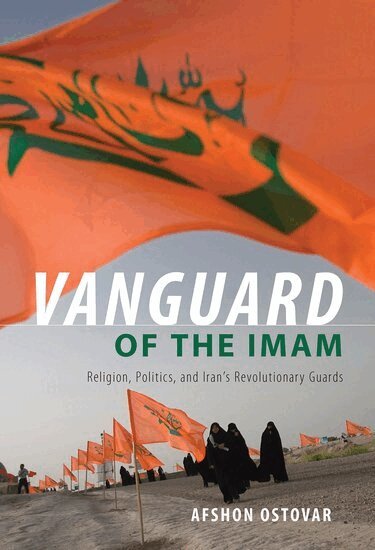
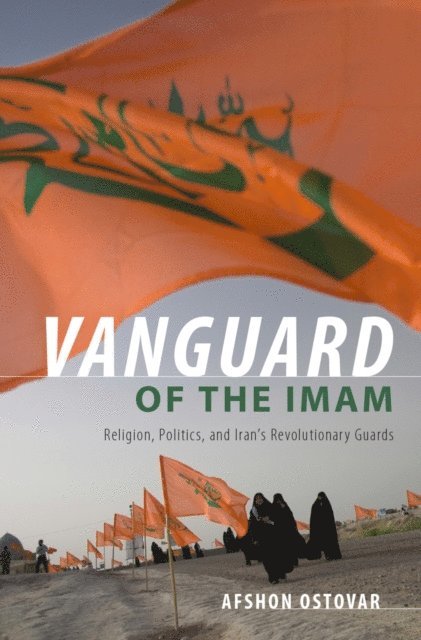
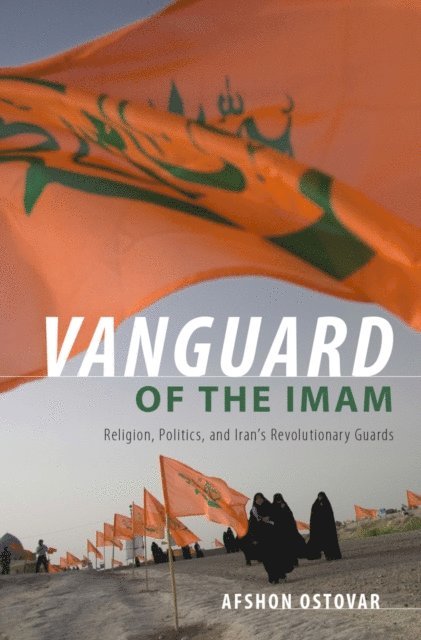
Iran's Revolutionary Guards are one of the most important forces in the Middle East today. As the appointed defender of Iran's revolution, the Guards have evolved into a pillar of the Islamic Republic and the spearhead of its influence. Their sway has spread across the Middle East, where the Guards have overseen loyalist support to Bashar al-Assad in Syria and been a staunch backer in Iraq's war against ISIS. In spite of their prominence, the Guards remain poorly understood to outside observers. In Vanguard of the Imam, Afshon Ostovar has written the first comprehensive history of the organization. Situating the rise of the Guards in the larger contexts of Shiite Islam, modern Iranian history, and international politics, Ostovar account of the Guards' history since 1979 demystifies the organization. Politics, power, and religion collide in this story, wherein the Revolutionary Guards transform from a rag-tag militia established in the midst of revolutionary upheaval into a military and covert force with a global reach. As he shows, the Guards have been fundamental to the success of the Islamic revolution, and their symbiotic relationship with the clerical leadership has been fundamental to the regime's ability to retain power. They have also exported Iran's revolution beyond its borders, establishing client armies in their image and extending Iran's strategic footprint in the process. Ostovar tenaciously documents the Guards' transformation into a power player and explores why the group matters now more than ever in both the region and the wider world.
Wars of Ambition
The United States, Iran, and the Struggle for the Middle East
Inbunden, Engelska, 2024
317 kr
Skickas inom 5-8 vardagar
A gripping narrative history of one of the most complex and important conflicts in the world--the battle to dominate the Middle East regional order, from 2003 to the presentWhen President George W. Bush took office in January 2001, America's influence in the Middle East was relatively strong, and adversarial states were largely marginalized and contained. The September 11 attacks upended all of this and prompted the Bush administration's bold plan to remake the Middle East through a war in Iraq. By bringing liberal democracy to Iraq, Bush hoped that the country would be a springboard for the spread of democracy to neighboring authoritarian states, aiming to make the region not only more stable, prosperous, and amenable to Western values but also more friendly and accepting toward Israel. Yet the vast disruption that the war caused created an opportunity for Iran to advance its own opposing ambitions. Iran strove to turn the Middle East into a bastion of resistance to Western hegemony and bring an end to Israel's existence as a Jewish state. The resulting clash over the future regional order not only intensified the Iraq war, it reverberated in states across the region. With the Arab Spring and the outbreak of new conflicts, the US-Iranian showdown became entwined in a much more complex struggle, one which drew in other regional and foreign powers that all pursued differing agendas. Emerging from the chaos was an empowered Iran and a deeply unsettled broader region in which nominally pro-Western states began to recalibrate their relations with Washington even as they welcomed deeper roles for its key rivals: Russia and China. In Wars of Ambition, Afshon Ostovar explores the evolution of the long and metastasizing conflict as it unfolded over a span of more than two decades. Not just a sweeping account of the dynamic interaction between America's Middle East policies and ambitious regional states on the receiving end, it also provides a powerful analysis of conflicting visions of the future that transcend regional politics. With Iran's rise and its revisionist campaign running in concert with those of Russia and China, the contest for the Middle East has become a microcosm of a larger geopolitical battle between those aiming to preserve the American-led global order and those seeking to overturn it. Ostovar's vivid history of this enormously complex conflict shows how the battle for the Middle East reflects the politics and dividing lines of an emergent multipolar world.
553 kr
Skickas inom 5-8 vardagar
Iran's Revolutionary Guards are one of the most important forces in the Middle East today. As the appointed defender of Iran's revolution, the Guards have evolved into a pillar of the Islamic Republic and the spearhead of its influence. Their sway has spread across the Middle East, where the Guards have overseen loyalist support to Bashar al-Assad in Syria and been a staunch backer in Iraq's war against ISIS-bringing its own troops, Lebanon's Hezbollah, and Shiite militias to the fight. Links to terrorism, human rights abuses, and the suppression of popular democracy have shrouded the Revolutionary Guards in controversy. In spite of their prominence, the Guards remain poorly understood to outside observers. In Vanguard of the Imam, Afshon Ostovar has written the first comprehensive history of the organization. Situating the rise of the Guards in the larger contexts of Shiite Islam, modern Iranian history, and international affairs, Ostovar takes a multifaceted approach in demystifying the organization and detailing its evolution since 1979. Politics, power, and religion collide in this story, wherein the Revolutionary Guards transform from a rag-tag militia established in the midst of revolutionary upheaval into a military and covert force with a global reach. The Guards have been fundamental to the success of the Islamic revolution. The symbiotic relationship between them and Iran's clerical rulers underpins the regime's nearly unshakeable system of power. The Guards have used their privileged position at home to export Iran's revolution beyond its borders, establishing client armies in their image and extending Iran's strategic footprint in the process. Ostovar tenaciously documents the Guards' transformation into a power-player and explores why the group matters now more than ever to regional and global affairs. The book simultaneously serves as a history of modern Iran, and provides a crucial and engrossing entryway into the complex world of war, politics, and identity in the Middle East.