Aggregate Architectural History Collaborative - Böcker
Visar alla böcker från författaren Aggregate Architectural History Collaborative. Handla med fri frakt och snabb leverans.
4 produkter
4 produkter
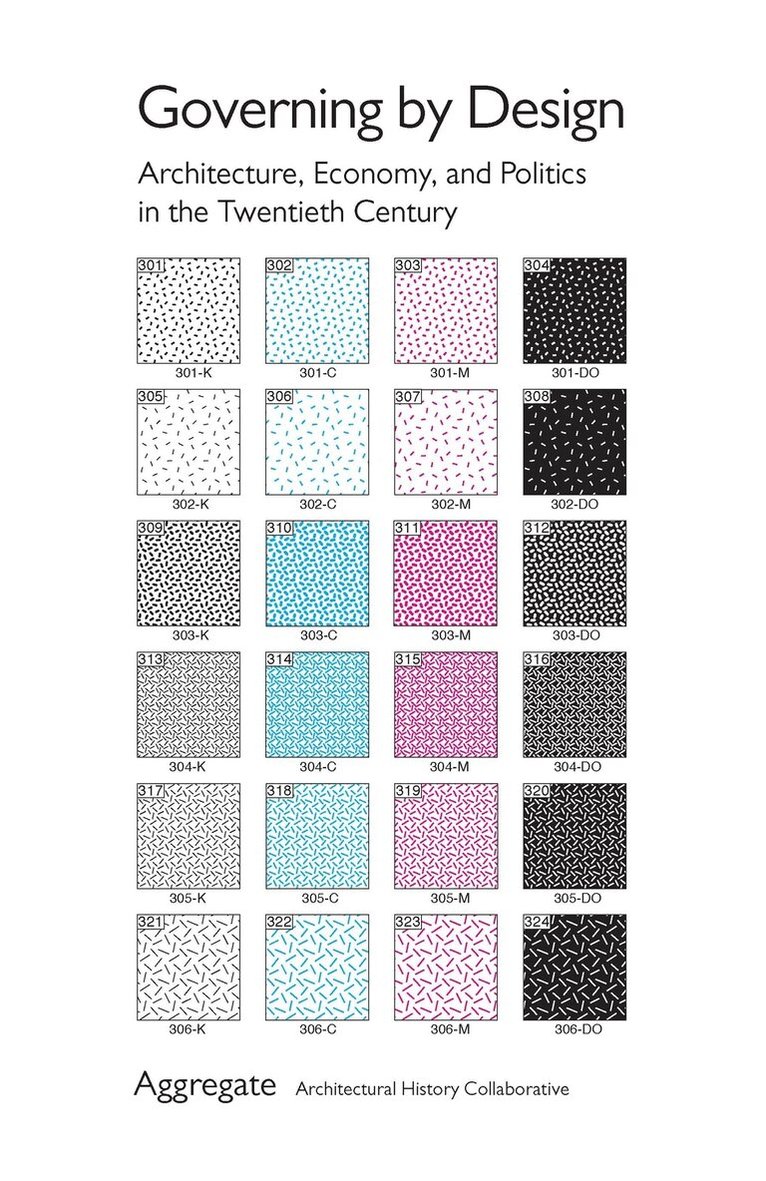
Governing by Design
Architecture, Economy, and Politics in the Twentieth Century
Häftad, Engelska, 2012
664 kr
Skickas inom 7-10 vardagar
Governing by Design offers a unique perspective on twentieth-century architectural history. It disputes the primacy placed on individuals in the design and planning process and instead looks to the larger influences of politics, culture, economics, and globalization to uncover the roots of how our built environment evolves.In these chapters, historians offer their analysis on design as a vehicle for power and as a mediator of social currents. Power is defined through a variety of forms: modernization, obsolescence, technology, capital, ergonomics, biopolitics, and others. The chapters explore the diffusion of power through the establishment of norms and networks that frame human conduct, action, identity, and design. They follow design as it functions through the body, in the home, and at the state and international level. Overall, Aggregate views the intersection of architecture with the human need for what Foucault termed \u201cgovernmentality\u201d—societal rules, structures, repetition, and protocols—as a way to provide security and tame risk. Here, the conjunction of power and the power of design reinforces governmentality and infuses a sense of social permanence despite the exceedingly fluid nature of societies and the disintegration of cultural memory in the modern era.
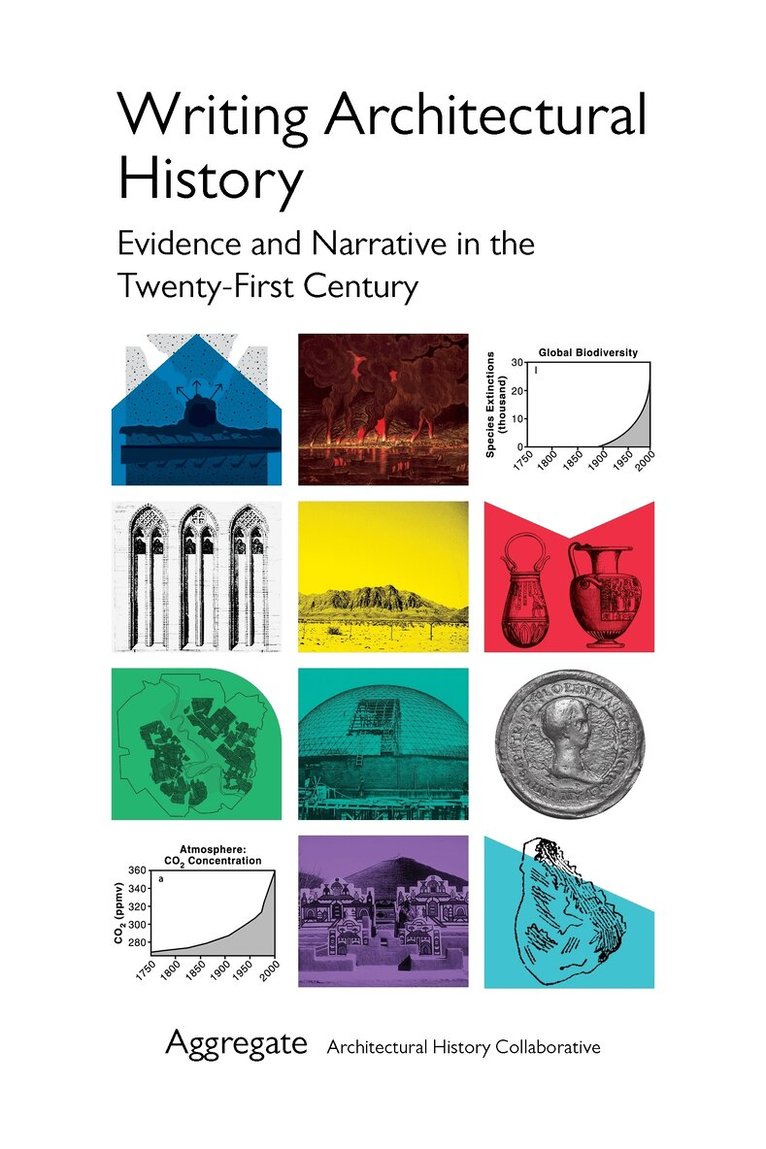
Writing Architectural History
Evidence and Narrative in the Twenty-First Century
Häftad, Engelska, 2025
547 kr
Skickas inom 7-10 vardagar
Over the past two decades, scholarship in architectural history has transformed, moving away from design studio pedagogy and postmodern historicism to draw instead from trends in critical theory focusing on gender, race, the environment, and more recently, global history, connecting to revisionist trends in other fields. With examples across space and time—from medieval European coin trials and eighteenth-century Haitian revolutionary buildings to Weimar German construction firms and present-day African refugee camps—Writing Architectural History considers the impact of these shifting institutional landscapes and disciplinary positionings for architectural history. Contributors reveal how new methodological approaches have developed interdisciplinary research beyond the traditional boundaries of art history departments and architecture schools and explore the challenges and opportunities presented by conventional and unorthodox forms of evidence and narrative, the tools used to write history.
2 176 kr
Skickas inom 10-15 vardagar
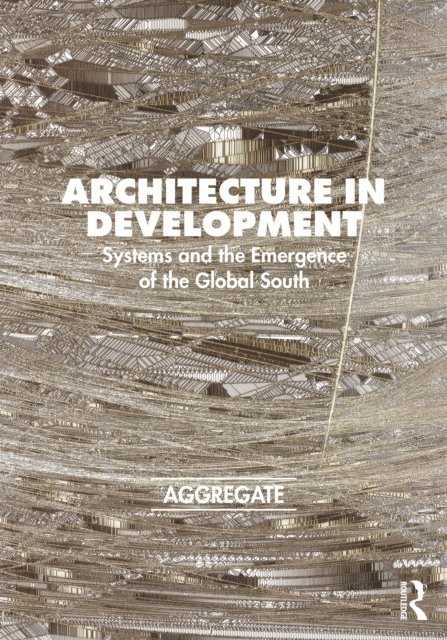
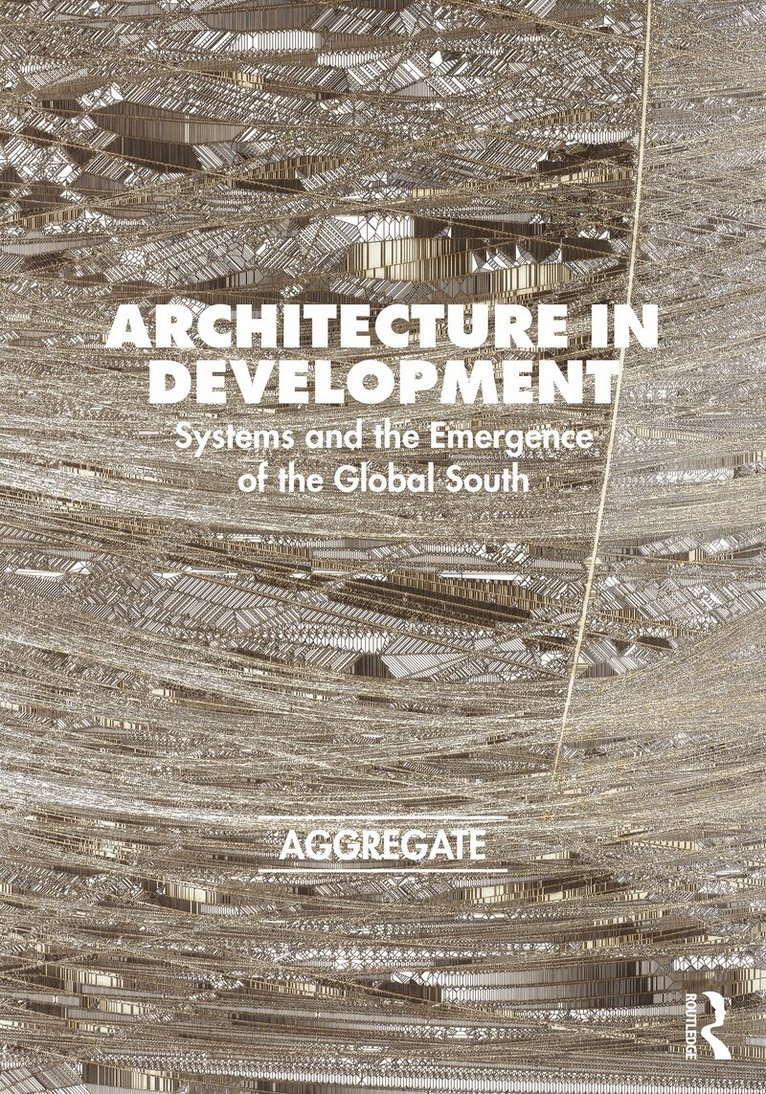
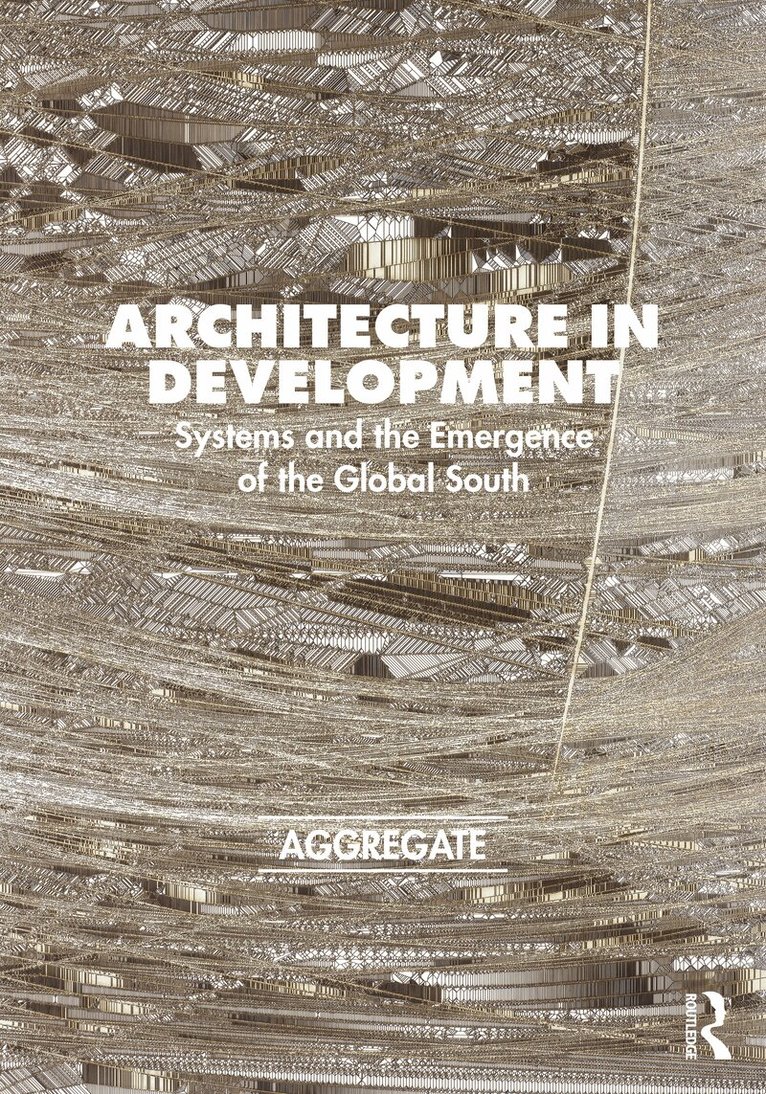
This extensive text investigates how architects, planners, and other related experts responded to the contexts and discourses of “development” after World War II. Development theory did not manifest itself in tracts of economic and political theory alone. It manifested itself in every sphere of expression where economic predicaments might be seen to impinge on cultural factors. Architecture appears in development discourse as a terrain between culture and economics, in that practitioners took on the mantle of modernist expression while also acquiring government contracts and immersing themselves in bureaucratic processes. This book considers how, for a brief period, architects, planners, structural engineers, and various practitioners of the built environment employed themselves in designing all the intimate spheres of life, but from a consolidated space of expertise. Seen in these terms, development was, to cite Arturo Escobar, an immense design project itself, one that requires radical disassembly and rethinking beyond the umbrella terms of “global modernism” and “colonial modernities,” which risk erasing the sinews of conflict encountered in globalizing and modernizing architecture.Encompassing countries as diverse as Israel, Ghana, Greece, Belgium, France, India, Mexico, the United States, Venezuela, the Philippines, South Korea, Sierra Leone, Singapore, Turkey, Cyprus, Iraq, Zambia, and Canada, the set of essays in this book cannot be considered exhaustive, nor a “field guide” in the traditional sense. Instead, it offers theoretical reflections “from the field,” based on extensive archival research. This book sets out to examine the arrays of power, resources, technologies, networking, and knowledge that cluster around the term "development," and the manner in which architects and planners negotiated these thickets in their multiple capacities—as knowledge experts, as technicians, as negotiators, and as occasional authorities on settlements, space, domesticity, education, health, and every other field where arguments for development were made.
550 kr
Skickas inom 7-10 vardagar
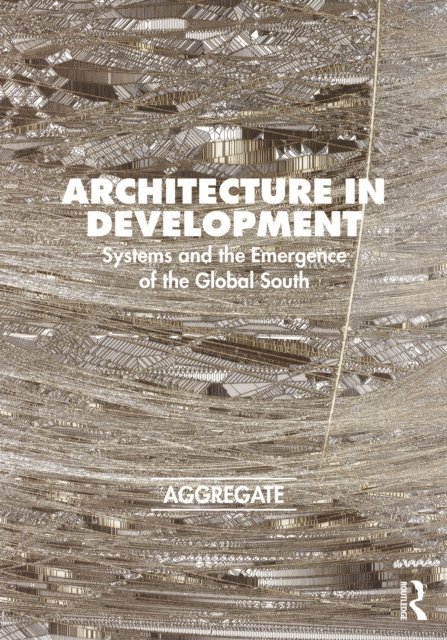
This extensive text investigates how architects, planners, and other related experts responded to the contexts and discourses of “development” after World War II. Development theory did not manifest itself in tracts of economic and political theory alone. It manifested itself in every sphere of expression where economic predicaments might be seen to impinge on cultural factors. Architecture appears in development discourse as a terrain between culture and economics, in that practitioners took on the mantle of modernist expression while also acquiring government contracts and immersing themselves in bureaucratic processes. This book considers how, for a brief period, architects, planners, structural engineers, and various practitioners of the built environment employed themselves in designing all the intimate spheres of life, but from a consolidated space of expertise. Seen in these terms, development was, to cite Arturo Escobar, an immense design project itself, one that requires radical disassembly and rethinking beyond the umbrella terms of “global modernism” and “colonial modernities,” which risk erasing the sinews of conflict encountered in globalizing and modernizing architecture.Encompassing countries as diverse as Israel, Ghana, Greece, Belgium, France, India, Mexico, the United States, Venezuela, the Philippines, South Korea, Sierra Leone, Singapore, Turkey, Cyprus, Iraq, Zambia, and Canada, the set of essays in this book cannot be considered exhaustive, nor a “field guide” in the traditional sense. Instead, it offers theoretical reflections “from the field,” based on extensive archival research. This book sets out to examine the arrays of power, resources, technologies, networking, and knowledge that cluster around the term "development," and the manner in which architects and planners negotiated these thickets in their multiple capacities—as knowledge experts, as technicians, as negotiators, and as occasional authorities on settlements, space, domesticity, education, health, and every other field where arguments for development were made.