Agustín Zarzosa - Böcker
Visar alla böcker från författaren Agustín Zarzosa. Handla med fri frakt och snabb leverans.
3 produkter
3 produkter
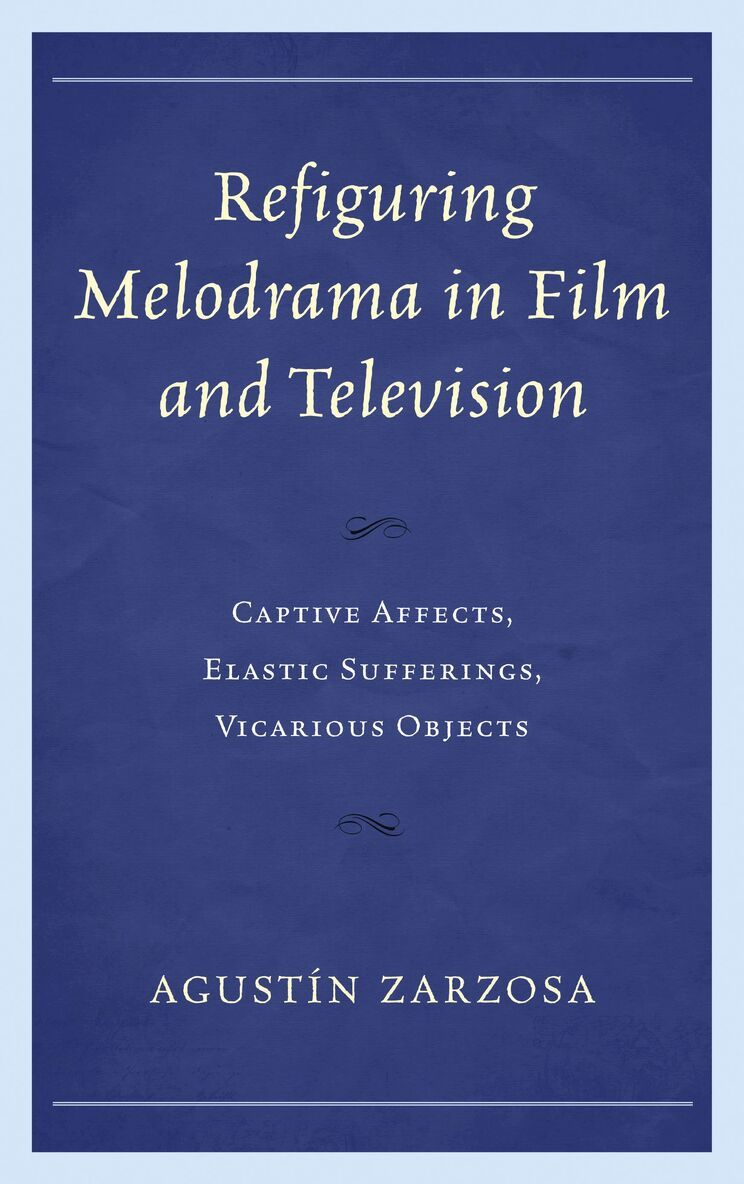
Refiguring Melodrama in Film and Television
Captive Affects, Elastic Sufferings, Vicarious Objects
Inbunden, Engelska, 2012
1 355 kr
Skickas inom 10-15 vardagar
The notion of mode is critical in the reevaluation of melodrama. As a mode, melodrama appears not only as a dramatic genre pervaded by sensationalism, exaggerations, and moral polarities, but also as a cultural imaginary that shapes the emotional experience of modernity, characterized by anxiety, moral confusion, and the dissolution of hierarchy. Despite its usefulness, the notion of mode remains mystifying: What exactly are modes and how do they differ from genres? Refiguring Melodrama in Film and Television: Captive Affects, Elastic Sufferings, Vicarious Objects argues that, whereas genres divide a universe in terms of similarities and differences, modes express or modify an indivisible whole. This study contends that the melodramatic mode is concerned with the expression of the social whole in terms of suffering. Zarzosa explains how melodrama is not a cultural imaginary that proclaims the existence of a defunct moral order in a post-sacred world, but an apparatus that shapes suffering and redistributes its visibility. The moral ideas we associate with melodrama are only a means to achieve this end. To develop this conception of melodrama, Refiguring Melodrama in Film and Television offers a novel conceptualization of the following aspects of melodrama theory: affect, interpretation, exchange, excess, sacrifice, and coincidence. These aspects of melodrama are coupled with the analysis of classic melodramas (Home from the Hill and The Story of Adele H.), contemporary films (The Piano, [Safe], and Year of the Dog), and television series (Torchwood and Lost). Refiguring Melodrama in Film and Television provides an essential new look at melodrama and its function in popular culture and media.
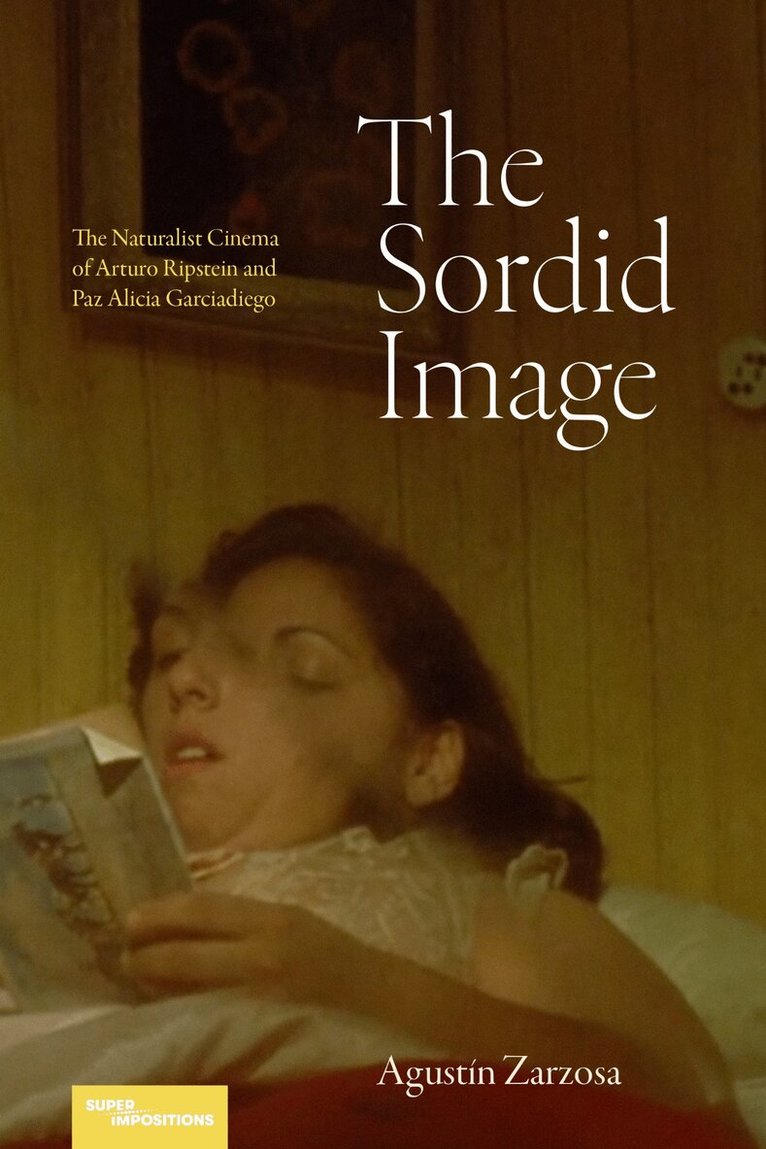
Sordid Image
The Naturalist Cinema of Arturo Ripstein and Paz Alicia Garciadiego
Häftad, Engelska, 2026
347 kr
Skickas
Drawing on the cinematic oeuvre of Ripstein and Garciadiego to reconceptualize the idea of the sordidThe sordid is not an ideology, an affect, or even a form of taste or sensibility. It is, Agustín Zarzosa argues, an image and an evocation of the process of degradation. The Sordid Image: The Naturalist Cinema of Arturo Ripstein and Paz Alicia Garciadiego offers the first sustained study of this pivotal filmmaker-screenwriter pair, drawing on their multidecade collaborations to reframe an enduring problem of film theory: how to represent marginalized people.Together, Ripstein and Garciadiego have constructed a recognizable cinematic world filled with social outcasts, characterized by self-degradation and unreason, and set within squalid environments. Inscribing the Ripsteinian universe within the literary and cinematic traditions of naturalism, this book theorizes the notion of the sordid to examine the partners' unique and epoch-defining films. We can, Zarzosa contends, understand the sordid as a cinematic image, with its specific components and pleasures, recasting questions of authorship, mise-en-scène, spectatorship, genre, and language.
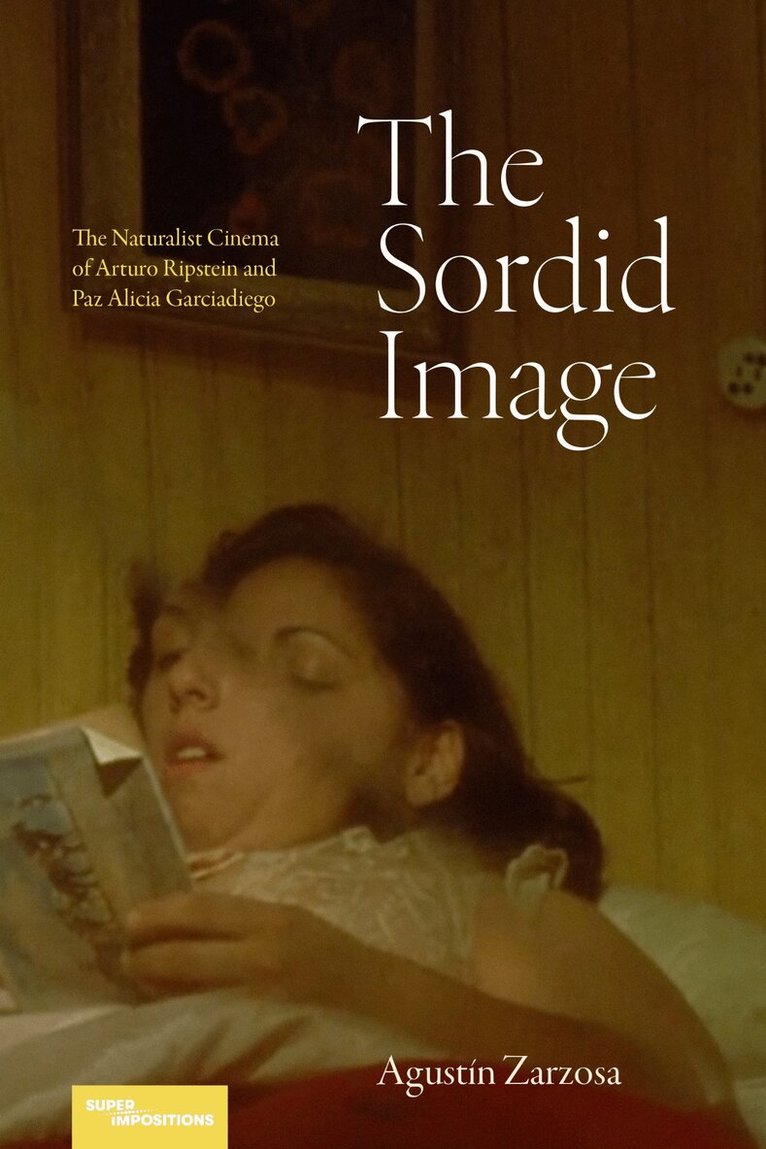
Sordid Image
The Naturalist Cinema of Arturo Ripstein and Paz Alicia Garciadiego
Inbunden, Engelska, 2026
1 269 kr
Skickas inom 7-10 vardagar
Drawing on the cinematic oeuvre of Ripstein and Garciadiego to reconceptualize the idea of the sordidThe sordid is not an ideology, an affect, or even a form of taste or sensibility. It is, Agustín Zarzosa argues, an image and an evocation of the process of degradation. The Sordid Image: The Naturalist Cinema of Arturo Ripstein and Paz Alicia Garciadiego offers the first sustained study of this pivotal filmmaker-screenwriter pair, drawing on their multidecade collaborations to reframe an enduring problem of film theory: how to represent marginalized people.Together, Ripstein and Garciadiego have constructed a recognizable cinematic world filled with social outcasts, characterized by self-degradation and unreason, and set within squalid environments. Inscribing the Ripsteinian universe within the literary and cinematic traditions of naturalism, this book theorizes the notion of the sordid to examine the partners' unique and epoch-defining films. We can, Zarzosa contends, understand the sordid as a cinematic image, with its specific components and pleasures, recasting questions of authorship, mise-en-scène, spectatorship, genre, and language.