Aim Sinpeng – författare
Visar alla böcker från författaren Aim Sinpeng. Handla med fri frakt och snabb leverans.
3 produkter
Opposing Democracy in the Digital Age
The Yellow Shirts in Thailand
Av Aim Sinpeng
Häftad, 2021
384 kr
Lägg i varukorg
Opposing Democracy in the Digital Age is about why ordinary people in a democratizing state oppose democracy and how they leverage both traditional and social media to do so. Aim Sinpeng focuses on the people behind popular, large-scale antidemocratic movements that helped bring down democracy in …
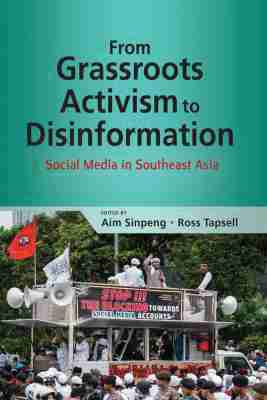
From Grassroots Activism to Disinformation
Social Media in Southeast Asia
Häftad, 2020
332 kr
Lägg i varukorg
This book reflects on the role of social media in the past two decades in Southeast Asia. It traces the emergence of social media discourse in Southeast Asia, and its potential as a “liberation technology” in both democratizing and authoritarian states. It explains the growing decline in internet …
Opposing Democracy in the Digital Age
The Yellow Shirts in Thailand
Av Aim Sinpeng
Inbunden, 2021
1058 kr
Tillfälligt slut
Opposing Democracy in the Digital Age is about why ordinary people in a democratizing state oppose democracy and how they leverage both traditional and social media to do so. Aim Sinpeng focuses on the people behind popular, large-scale antidemocratic movements that helped bring down democracy in …