Aimi Muranaka - Böcker
Visar alla böcker från författaren Aimi Muranaka. Handla med fri frakt och snabb leverans.
3 produkter
3 produkter
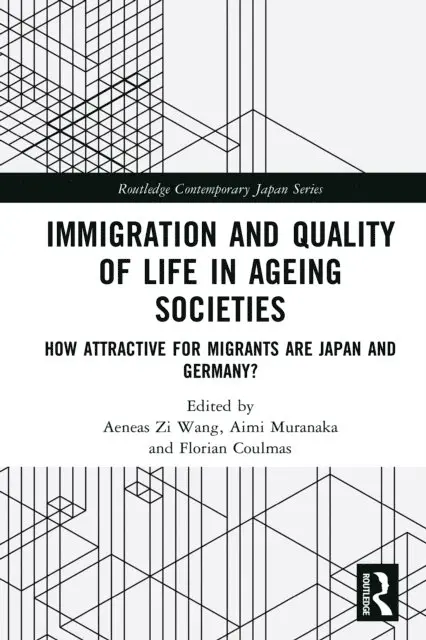
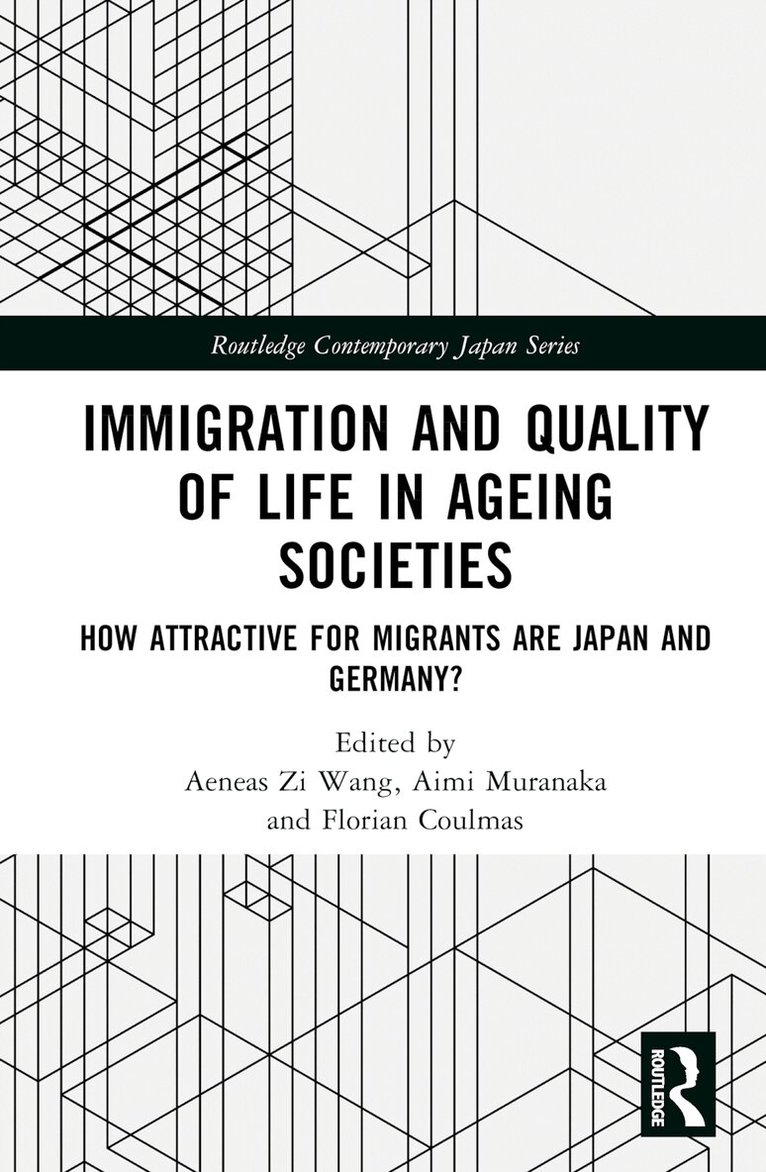
Immigration and Quality of Life in Ageing Societies
How Attractive for Migrants are Japan and Germany?
Inbunden, Engelska, 2024
1 943 kr
Skickas inom 10-15 vardagar
This edited book argues that a new perspective on immigration is needed. As many advanced economies are ageing, and their populations stagnate or decline, immigrants are increasingly required to fill in the gaps left behind by shrinking workforces. Against this backdrop, the outdated view that it is – and can only be – a privilege for immigrants to move temporarily from less to more developed economies needs a rethink. In particular, questions about how attractive a host destination can be for immigrants; not just in economic, but also in social, political, linguistic, and cultural terms should be raised.Considering in detail the situation in Japan and Germany – Japan where there are hardly any convenience stores without foreign employees, Germany where retirement homes would no longer function without foreign nursing staff – the book analyses migration to these two countries in different aspects such as education, training, and labour market participation, and policies and actions on the part of the state and policymakers in rendering moving to and living in these countries worthwhile.Bringing together leading scholars active in diverse aspects of migration in Japan and Germany, this book will be a valuable resource to students and scholars with an interest in immigration issues in these two countries specifically, and Europe and Asia more broadly.
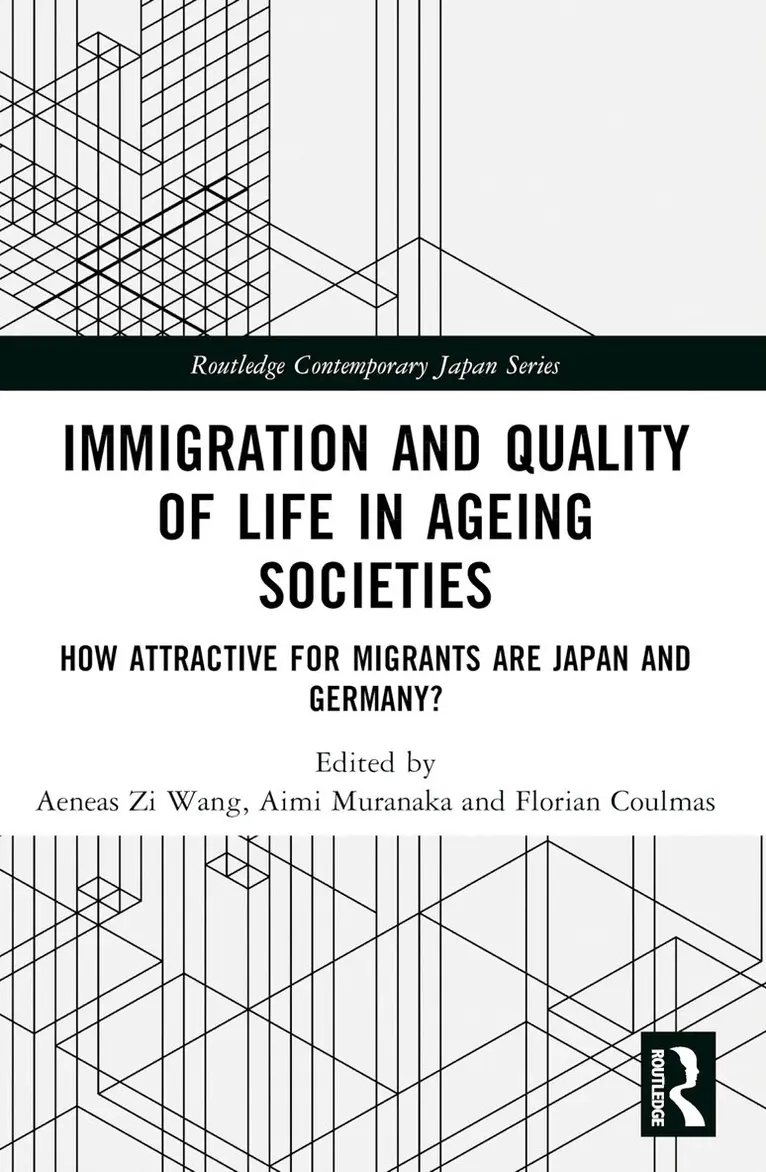
Immigration and Quality of Life in Ageing Societies
How Attractive for Migrants are Japan and Germany?
Häftad, Engelska, 2025
649 kr
Skickas inom 10-15 vardagar
This edited book argues that a new perspective on immigration is needed. As many advanced economies are ageing, and their populations stagnate or decline, immigrants are increasingly required to fill in the gaps left behind by shrinking workforces. Against this backdrop, the outdated view that it is – and can only be – a privilege for immigrants to move temporarily from less to more developed economies needs a rethink. In particular, questions about how attractive a host destination can be for immigrants; not just in economic, but also in social, political, linguistic, and cultural terms should be raised.Considering in detail the situation in Japan and Germany – Japan where there are hardly any convenience stores without foreign employees, Germany where retirement homes would no longer function without foreign nursing staff – the book analyses migration to these two countries in different aspects such as education, training, and labour market participation, and policies and actions on the part of the state and policymakers in rendering moving to and living in these countries worthwhile.Bringing together leading scholars active in diverse aspects of migration in Japan and Germany, this book will be a valuable resource to students and scholars with an interest in immigration issues in these two countries specifically, and Europe and Asia more broadly.
1 791 kr
Kommande
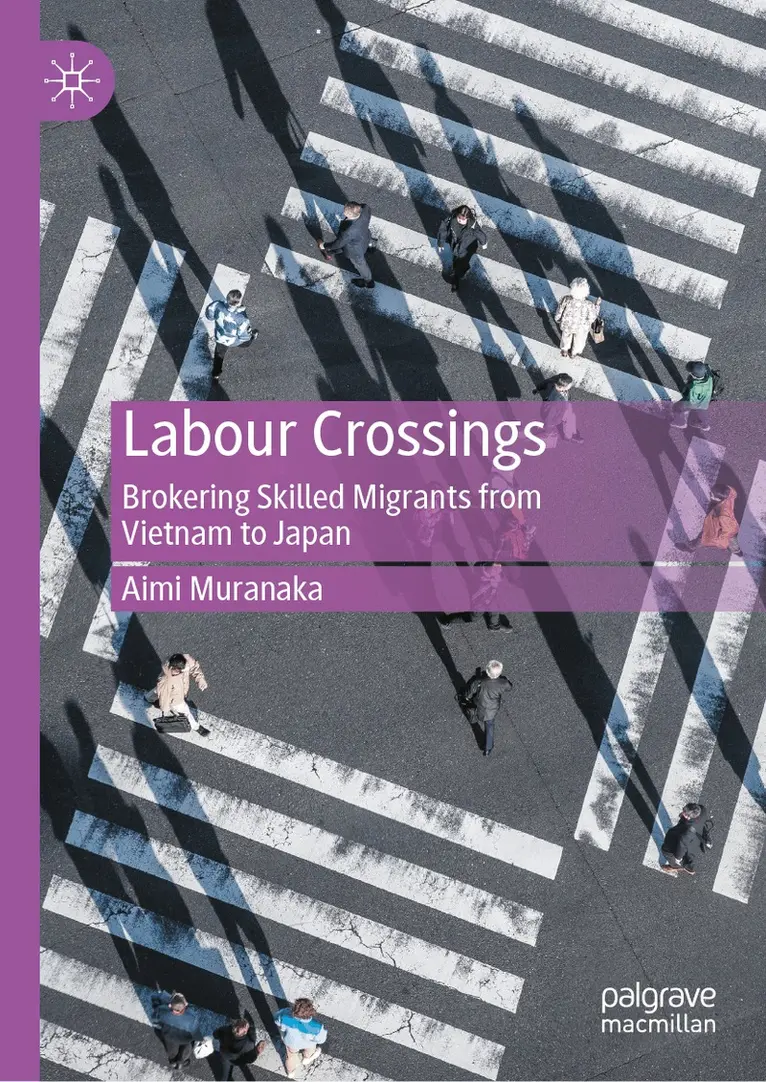
This book advances scholarship on the infrastructural turn in migration studies by foregrounding the underexplored role of migration brokers from receiving countries and catering to foreign professionals. While existing research has predominantly focused on brokerage in migrants' countries of origin, this monograph conceptualises migration brokerage in the host society as a key institutional infrastructure shaping contemporary cross-border labour markets. It conceptually contributes by integrating insights from economic sociology and international migration studies, introducing a transnational lens into the market-making framework.Drawing on qualitative data from ethnographic fieldwork, the book examines the role of brokers not only in facilitating and regulating workers’ mobility, but also in actively “making” an emerging cross-border labour market between Japan and Vietnam. It also provides a nuanced analysis of the experiences of skilled Vietnamese migrants as they navigate entry into and participation in Japan’s labour market. Focusing on Japan as an emerging immigration country, the analysis is situated within a context characterised by acute labour shortages alongside a persistently restrictive migration regime. Over the past decade, the number of foreign—particularly skilled—migrant workers, including Vietnamese nationals, has increased substantially. In the absence of a comprehensive immigration policy, private intermediaries have become crucial in facilitating, mobilising and controlling the mobility of both migrant workers and labour users. Despite Asia's importance as a major host region of international migrants, Japan remains comparatively under-researched. Addressing this gap, the book will appeal to scholars, students, and policymakers working in migration studies, economic sociology, Asian studies, and migration and labour policy.